Camel Wrestling in Turkey: Inside the Traditional Aegean Festival
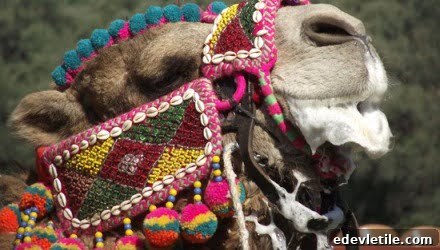
I have seen many sights during my time in Turkey, but none matched the experience I had last Sunday. Seven of us hired a driver and traveled to the village of Kizilcayiki to watch a traditional camel wrestling event. As soon as we stepped out of the van it was clear we were the only foreigners among an audience of nearly a thousand village residents.
At first I felt conspicuous—people whispered, stared and asked where we were from. Foreign visitors in this small rural village are a rare sight, and my pale skin and foreign features made it obvious I wasn’t local. Instead of hiding, we chose to embrace the moment and strike up conversations. Most of our group spoke some Turkish, which helped break the ice. It turned out our being women was another novelty: men greatly outnumbered women at the event.
 I was surprised by one thing in particular. Visiting a traditional village in a predominantly Muslim country, I had expected alcohol to be scarce. I was wrong. Alcohol was sold everywhere and Raki—the Turkish anise-flavored spirit—was being consumed openly, even early in the morning. We arrived at 9:00 a.m.; by 10:30 I felt tipsy, and by the time we left that afternoon I certainly wasn’t walking in a straight line.
That day I laughed and joked with many villagers. Somehow I ended up playing in the village band and met several camel owners. If you find yourself off the beaten track at a camel wrestling festival in Turkey, the following guide will help you enjoy this unique experience.
About Camel Wrestling in Turkey
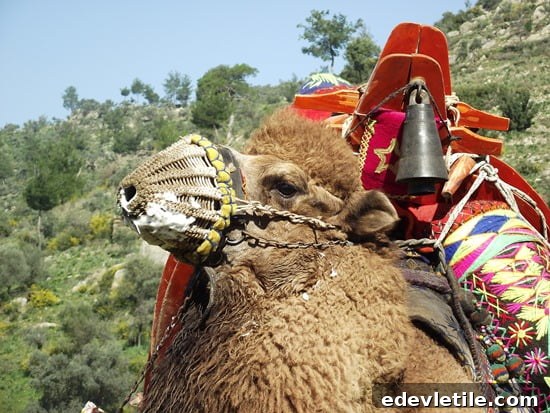
Camel wrestling is a seasonal tradition along parts of the Aegean coast. In nature, two sexually active male camels will fight for a female; in the festival setting that mating ritual is staged in an arena with spectators and bets. Local people often place wagers on which camel will win.
A camel wins by forcing its opponent down with its long neck; if a camel flees, it is considered the loser. Ten to twenty men typically stand by to intervene if the fight becomes too aggressive. The tournaments take place in various villages and only happen during a few months each year when the camels are in season.
Entertainment at a Camel Wrestling Festival
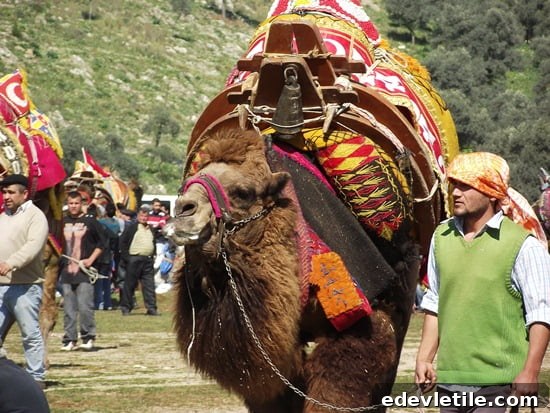
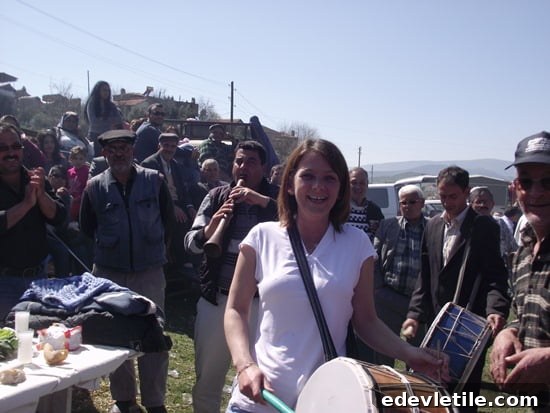
Before the matches start, a singer or musicians usually perform. Throughout the day village bands stroll through the crowd, offering a lively soundtrack for people enjoying music, food and the spectacle. If you are the only foreigner present, you might even be pulled into performing—the locals are warm, playful and keen to include visitors.
Food and Drink
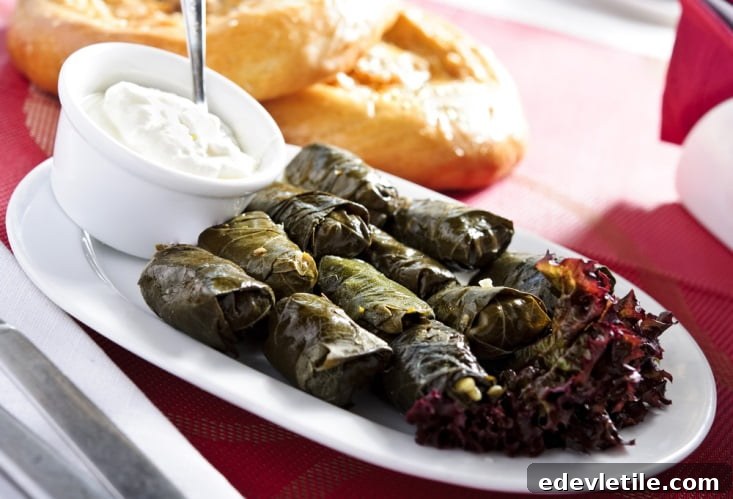
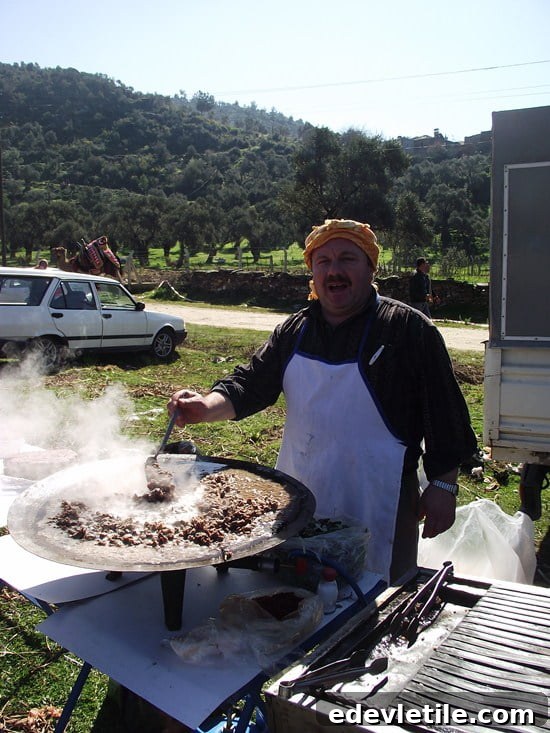
Alcohol is widely available, though often not refrigerated—bring a cool bag if you prefer chilled drinks. Food is plentiful and inexpensive: expect kofte or sujuk sandwiches, sac kavurma, and gozleme. Many families bring barbecues or platters of olives, cheese and tomatoes to snack on while enjoying their drinks and company.
The Camel Owners
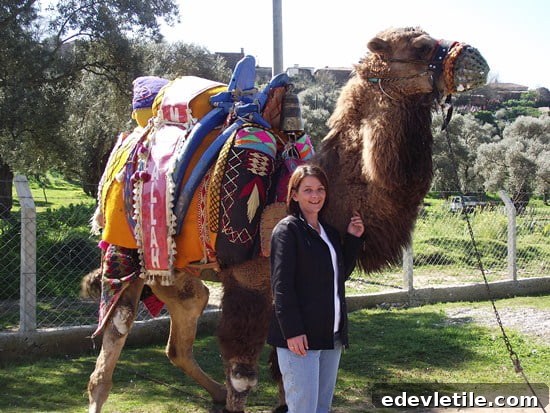
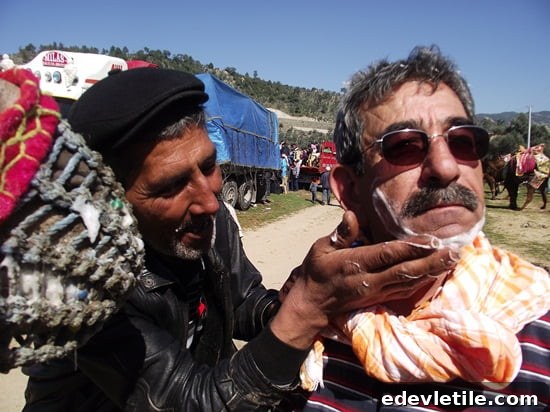
Camel owners are proud of their animals and love posing for photos. Expect offers to take pictures of you with the camels. As a light-hearted tip: when an owner suggests rubbing camel spit on your face for its supposed benefits, propose that he tries it first—then be ready to capture the moment for a humorous photo when the joke backfires.
Summary of Camel Wrestling in Turkey
It was a wonderful day and a memorable cultural experience. While I doubt I will return—partly because the memory feels perfect as it is—the trip allowed me to meet warm people and witness a genuine Turkish tradition off the beaten track. If you have the chance to attend a camel wrestling festival, go with an open mind, some basic Turkish phrases, and a sense of humor.