I recently planned a tour of Turkey’s Black Sea region. Located along the country’s northern coast, this area is dotted with seaside towns, historic sites and lush inland landscapes. It’s a place I’ve long wanted to explore, though finding reliable travel information proved harder than expected.
Countless guides cover Istanbul and Cappadocia, but the Black Sea coast remains relatively overlooked. Many travel sites offer only brief, incomplete notes about where to go, what to see and where to eat. That scarcity of resources encouraged me to assemble my own itinerary and get out there to discover it firsthand.
My plan is to travel from west to east over roughly three months, allowing time to linger in the places that capture my interest. The schedule below is a starting point; I expect to adapt it as I go and to add detours whenever something intriguing appears.
The Black Sea Region of Turkey
1 – Akçakoca is a small coastal town on the western edge of the Black Sea. It’s an easy bus ride from Istanbul and a convenient starting point. Highlights include a coastal castle, one of the region’s larger mosques and a charming old town that’s great for photography and relaxed strolling.
2 – From the coast I’ll head inland to Safranbolu, a UNESCO World Heritage site celebrated for its well-preserved Ottoman houses and traditional architecture. Safranbolu is more established for tourism than many Black Sea destinations, offering a broader range of accommodations and guided options.
3 – Back on the coast, I’ll visit the seaside town of Amasra. Though its resident population is modest, it reportedly swells in summer when visitors from Istanbul and Ankara arrive for the holidays. I’m curious to discover the charms that draw them—scenic bays, old streets and seafood are often cited as reasons to return.
4 – Sinop is a coastal city famed for dramatic views that many photographers describe as unforgettable. Sights include a historic fortress and what is often referenced as the country’s oldest prison. Sinop also has a lively evening scene, so it’s a place to combine daytime exploration with relaxed nightlife.
5 – After Sinop I’ll travel to Samsun, the largest city on Turkey’s Black Sea coast. It hosts an archaeological museum and several cultural sites. Samsun also features a museum dedicated to Mustafa Kemal Atatürk, who spent time in the city, plus historic mosques and a distinctive market often referred to as the Russian Market—an intriguing name I plan to explore in person.
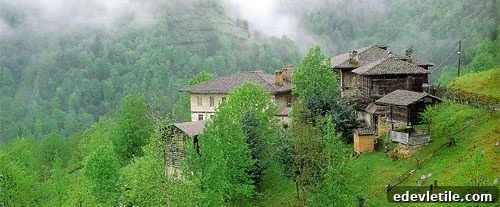
6 – Moving inland again, I’ll visit Torul, a smaller town surrounded by natural attractions: castles, dams, lakes and caves. Nearby villages such as Gümüştü are said to feel frozen in time, offering rural scenery and traditional life that feel almost storybook-like.
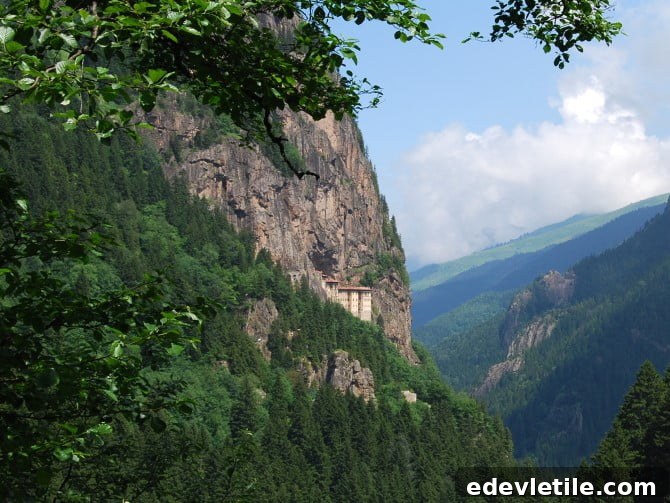
7 – Trabzon is best known for the Sümela Monastery, a fourth-century monastery dramatically perched in the forested mountainside. Trabzon also has museums, an art gallery and modern shopping facilities. My husband, a football fan, will likely make a pilgrimage to the Trabzonspor stadium while we’re there.
8 – Finally, I’ll visit Rize, the tea capital of Turkey. Many travel pages downplay activities in Rize beyond tea gardens, but it’s a sizable city with local culture worth experiencing. I know people from Rize and have heard many stories; that personal connection makes it a must-visit despite modest coverage on mainstream travel sites.
This outlines my planned route along the Black Sea coast, but I expect to be flexible. Any interesting towns or attractions that appear between these stops will likely be added to the journey.
Update
In June 2012 I completed a tour of the northeastern Black Sea region and documented the trip in a series of articles and reports. My experiences there confirmed that this coastline holds a wide variety of landscapes, traditions and food worth discovering beyond the well-known tourist centers.