Gaziantep Mevlevi Museum: History, Highlights & Visitor Guide
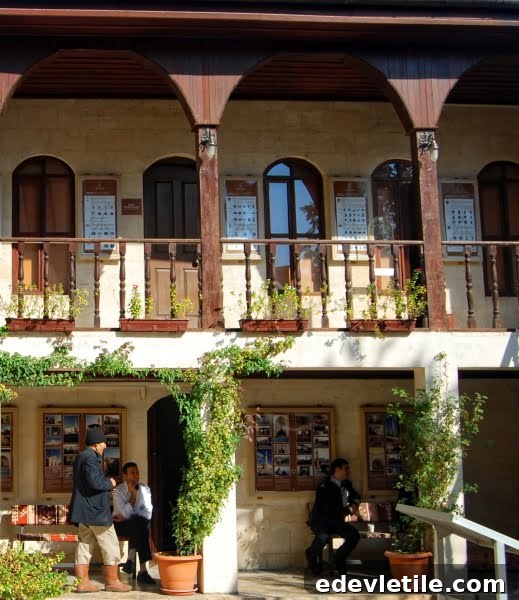
We walked up and down the street three times and, realising we were lost, asked a passer-by where the Gaziantep Mevlevi Lodge Foundation Museum was. Located in the Şahinbey district, it is one of several museums in Gaziantep, but its entrance is easy to miss.
The passer-by smiled and pointed behind us. We had been in the right place the whole time; guidebooks often fail to mention that the entrance sits within a courtyard adjacent to the Tekke mosque complex.
The Gaziantep Mevlevi Museum presents the life and practices of whirling dervishes across past centuries through displays of musical instruments, manuscripts, Islamic art and recreated rooms. I had wanted to visit because I had developed a lasting interest in Mevlevi culture a few years earlier.
Whirling Dervishes
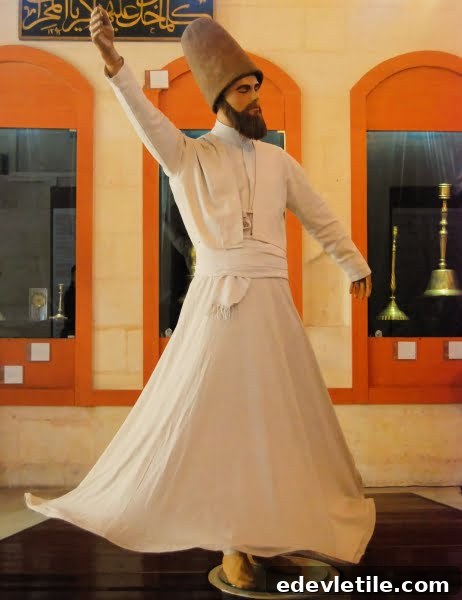
The whirling dervishes belong to the Mevlevi order, founded by the poet Rumi. Rooted in the Sufi tradition of Islam, the order is best known for the Sama, the whirling ritual. This meditative dance is intended to elevate practitioners toward inner peace and spiritual harmony—a symbolic journey toward perfection.
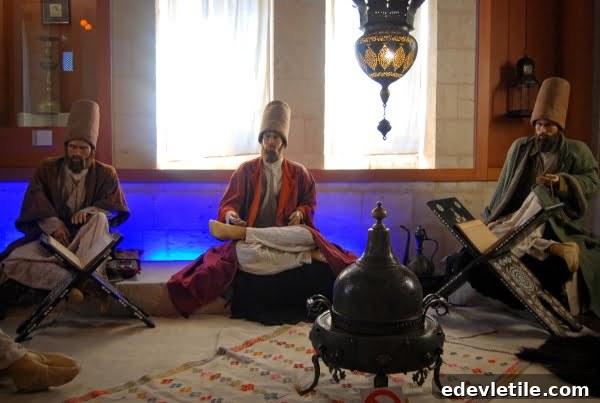
The lodge itself is evocative and historically interesting, though it does not offer significantly more insight than other Mevlevi museums, such as the Galata Mevlevi House in Istanbul. The exhibits include old books and works of art that are noteworthy largely because of their age and craftsmanship. For a visitor already familiar with Mevlevi traditions, the visit feels like a thoughtful reminder rather than a source of new revelations.
Architecture of the Gaziantep Mevlevi Lodge Foundation Museum
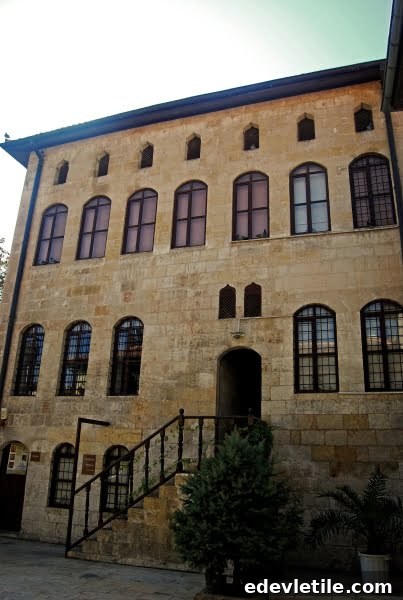
While the displays may not have surprised me, the building’s architecture did. The structure housing the museum dates back around four centuries and was carefully restored in 2006, with attention paid to preserving traditional Gaziantep architectural features.
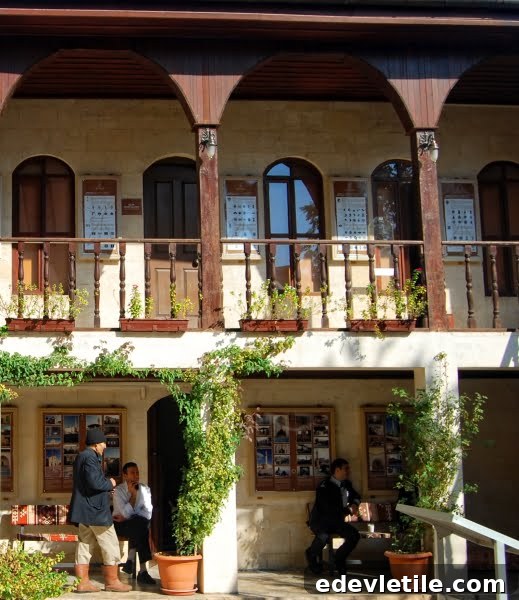
Traditional houses in the region were commonly two-storey. The upper floor was reached by a stone staircase and often featured rows of small arched windows or wooden balconies. An arched gateway opened onto a central courtyard, which provided cool, shaded spaces where families gathered during hot summers.
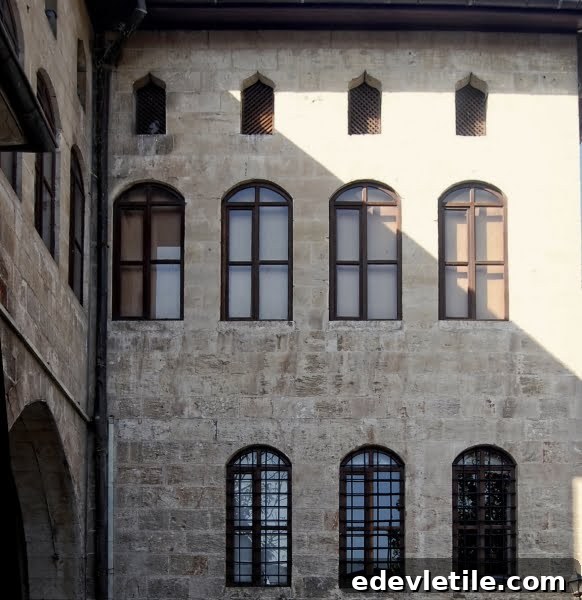
Despite suffering major fires in 1901 and 1903, the stone building has endured. Following a restoration that cost approximately 600,000 Turkish lira, the museum now stands as an example of the city’s efforts to preserve cultural heritage and encourage tourism in the region.
Address: Gaziantep Mevlevihanesi Vakıf Müzesi, Boyacı Mahallesi, Tekke Camii Yanı, Şahinbey
Telephone number: (0342) 232 97 97