Sultanahmet Istanbul Attractions: Top Things to See and Do
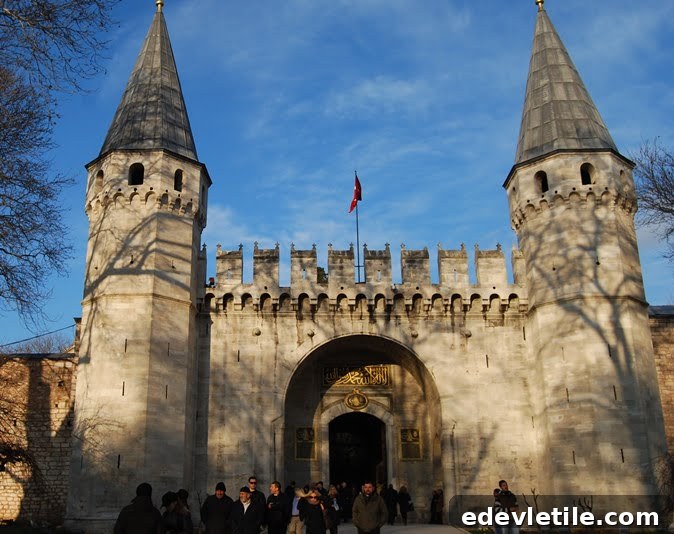
Many visitors to Turkey head straight to Sultanahmet in Istanbul. This historic quarter represents the core of Istanbul’s past as the capital of both the Byzantine and Ottoman Empires. With a compact layout, you can see most of its major sights within two days. Whether you stay overnight or visit for the day, Sultanahmet offers a vivid window into Istanbul’s most remarkable monuments, where centuries-old architecture sits alongside modern life while retaining its historical significance.
As a UNESCO World Heritage zone, Sultanahmet is one of Turkey’s top tourist draws. A major advantage for independent travellers is that most attractions from the Constantinople era lie within easy walking distance of each other. You don’t need a guide to enjoy the area, though a good guidebook will enhance your visit by explaining historical context, notable figures and local myths that bring the sites to life.
Guide to Sultanahmet Attractions in Istanbul
1: Great Blue Mosque
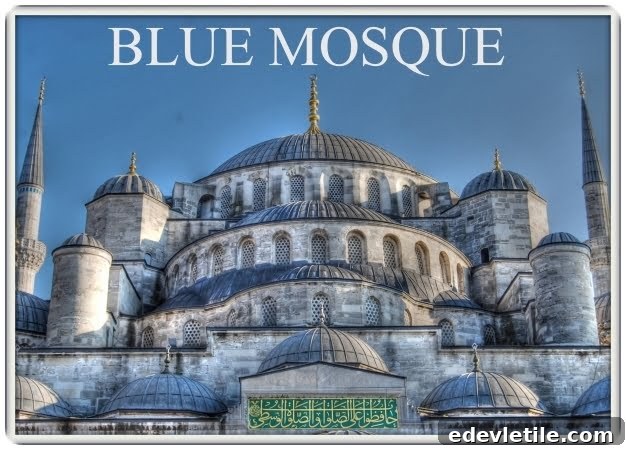
Known as the Sultanahmet Camii, the Blue Mosque was completed in 1616 and is famous for its six minarets and its interior lined with blue Iznik tiles. It remains an active place of worship, so visitors should dress respectfully and keep quiet during prayer times. Located at the heart of Sultanahmet Square, the mosque is accessible outside prayer hours and is one of Istanbul’s most iconic landmarks.
2: Hagia Sophia
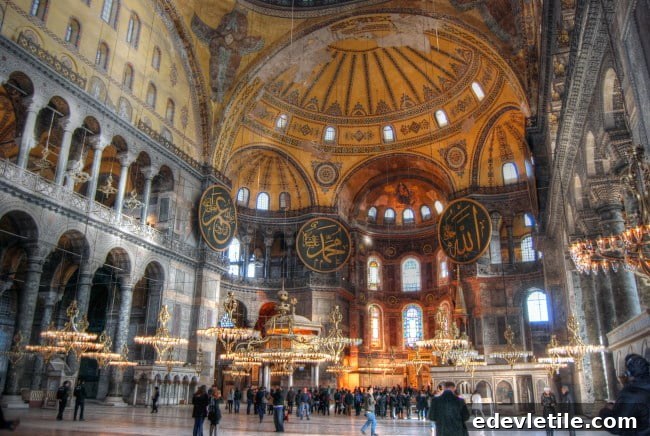
Hagia Sophia has served as a church, museum and mosque across its long history. From the exterior it may look restrained, but stepping inside reveals a vast domed interior, upper galleries, monumental Islamic calligraphic discs and surviving Christian mosaics and frescoes. Originally commissioned by Emperor Justinian, Hagia Sophia is a landmark of world architecture. As it functions as a mosque, visitors should observe appropriate decorum when touring the interior.
3: Arasta Bazaar
Adjacent to the Blue Mosque, Arasta Bazaar offers a quieter shopping experience than the Grand Bazaar. The market hosts textile, jewellery and carpet shops along with a small art gallery. It’s an excellent place to absorb local life and browse traditional crafts without the crowds of the larger markets.
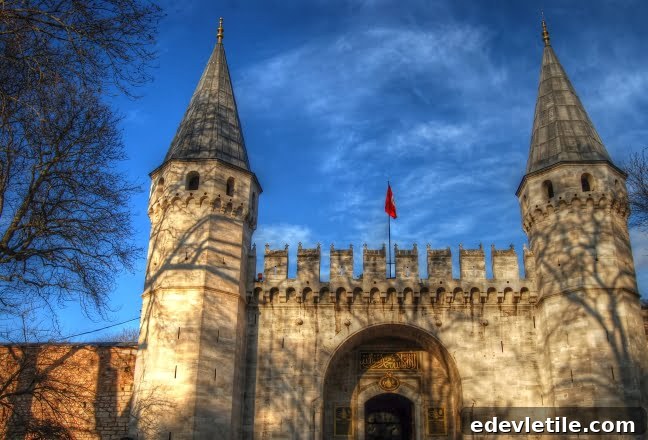
4: Topkapi Palace and the Harem
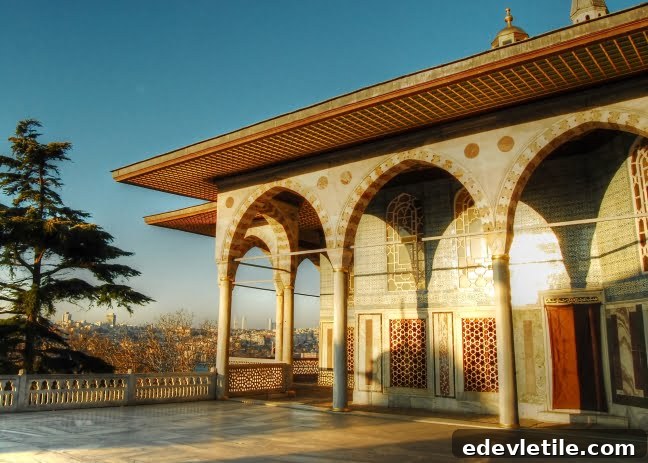
Topkapi Palace was the residence of Ottoman sultans and now houses a rich collection of treasures: robes, jewellery, arms and everyday objects from the palace life. Highlights include the historic kitchens, ceremonial chambers and the famed Harem, which requires a separate ticket but is well worth visiting. Perched between the Bosphorus and the Golden Horn, Topkapi’s architecture and displays offer deep insight into the Ottoman court and its complex history.
5: Gülhane Park
Next to Topkapi Palace, Gülhane Park provides a pleasant green retreat in the heart of the city. The park’s formal gardens and tree-lined paths are ideal for relaxed walks or a break from sightseeing. In April, the park is especially beautiful when thousands of tulips bloom for Istanbul’s tulip festival. On-site cafés and tea gardens make it easy to pause and soak up the atmosphere.
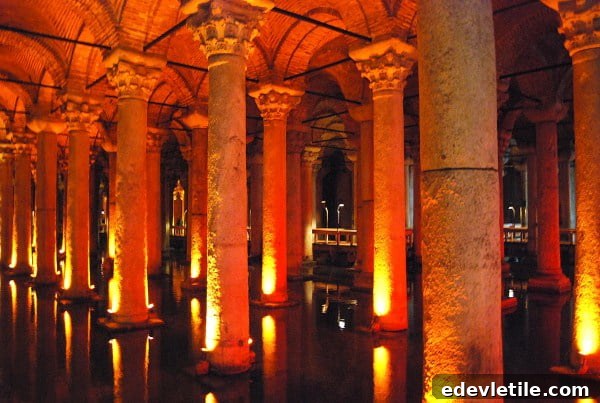
6: Basilica Cistern
The Basilica Cistern lies beneath the city and once supplied water to the Great Palace. Visitors descend stone steps into a dimly lit forest of columns, where the famous Medusa heads serve as enigmatic bases for two columns. The cistern’s atmosphere is atmospheric and slightly mysterious, making it one of Istanbul’s most memorable underground sites.
7: The Historic Hippodrome
The Hippodrome once served as the centre for chariot races, public ceremonies and social life during the Byzantine era. Today its open space and surviving monuments recall that past grandeur. The site is also remembered for the Nika riots of 532 CE. The Hippodrome sits beside the Blue Mosque and remains a focal point of Sultanahmet Square.
8: Istanbul Archaeology Museums
Comprising three museums housed in a neoclassical complex, the Istanbul Archaeology Museums display an outstanding array of artifacts from ancient civilizations. The collections include sculptures, sarcophagi and archaeological finds that span millennia. History enthusiasts can easily spend several hours exploring the exhibitions, which lie a short walk from Topkapi Palace.
9: Museum of Turkish and Islamic Arts
Located opposite the Hippodrome in a former Ottoman palace, this museum exhibits a fine collection of carpets, calligraphy, ceramics and other decorative arts from across the Ottoman and Islamic worlds. The displays highlight the material culture and artistic traditions of the region, offering valuable context to Sultanahmet’s historic surroundings.
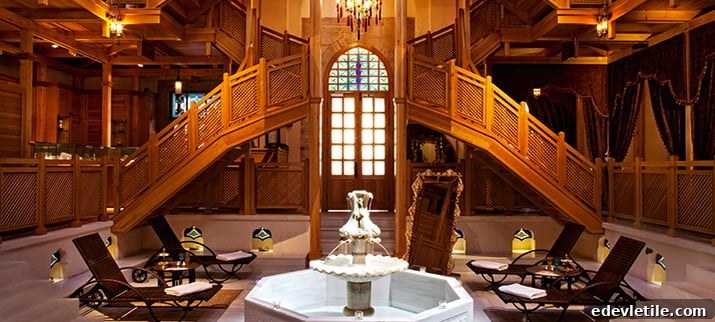
10: Historic Hamam
The Hürrem Sultan Bath, built by the architect Mimar Sinan in the 16th century for Hürrem Sultan, lies between Hagia Sophia and the Blue Mosque. After a period of disuse, the hamam was restored and reopened in the 21st century. Experiencing a traditional Turkish bath here provides a window into Ottoman social life and architecture, and remains a popular and relaxing activity for visitors.
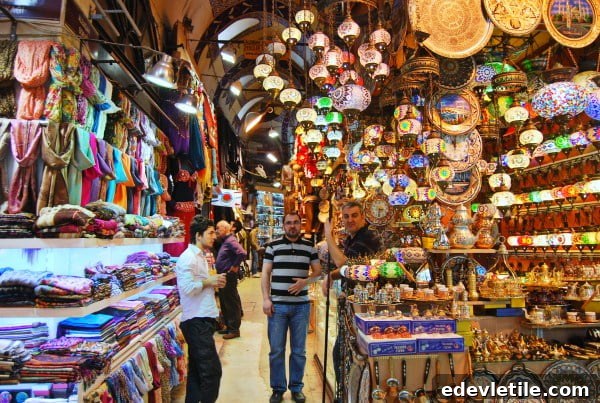
11: Grand Bazaar
Though technically just outside Sultanahmet, the Grand Bazaar is often included in a day’s itinerary. This vast indoor market dates back to the Ottoman period and is organised historically by trade, so you’ll still find districts devoted to specific goods. Its maze of streets and centuries-old atmosphere make it a memorable place to shop for souvenirs and traditional crafts.
Practical: Istanbul E‑Ticket Pass
Visitors planning to see many attractions may find an Istanbul e-ticket or city pass useful. These digital passes can include entry to dozens of sites, guided tours for highlights such as the Blue Mosque and Hagia Sophia, and can simplify logistics when you want to cover several major sights in a short time.
From Sultanahmet to Taksim
After exploring old Istanbul in Sultanahmet, consider visiting Taksim to experience the city’s modern side. Istiklal Avenue is a lively pedestrian street filled with shops, cafés and nightlife, offering a sharp contrast to the historic district. Combining both areas gives a fuller picture of Istanbul, from its ancient monuments to its contemporary urban culture.