Turkish Patriotism, the National Flag, and EU Relations
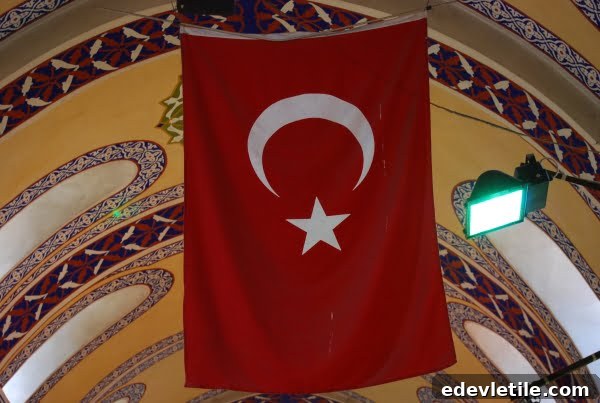
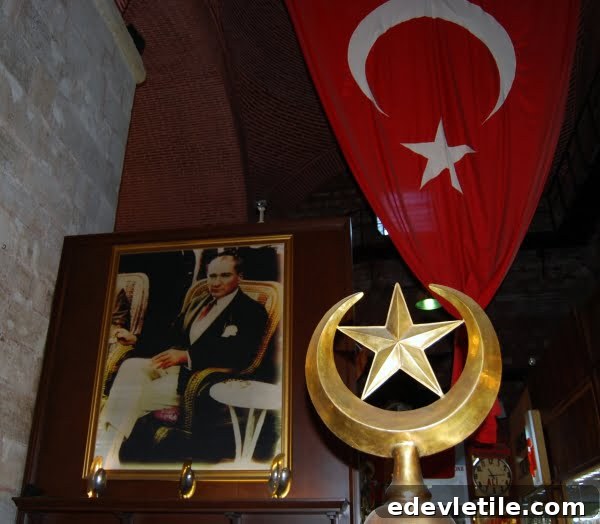
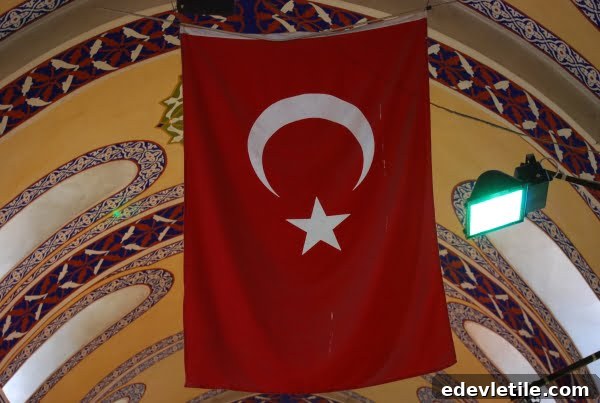
I was once asked to describe Turkish people and I answered without hesitation: Turks are deeply patriotic. The most visible expression of that patriotism is the Turkish flag — a striking red field with a white crescent moon and star.
Young men preparing for compulsory military service often drape the flag over a car and drive through town, honking proudly as friends and family see them off. They see military service as preparation to defend their country, and the flag is a public symbol of that commitment.
On national holidays and commemorations the streets become a sea of red and white, with flags lining main avenues and public buildings. But you do not need a special occasion to notice how much Turks revere their flag — it appears in everyday life in many surprising places.
Turks are Patriotic
Where do they display the flag? Here are a few examples I observed during my travels.
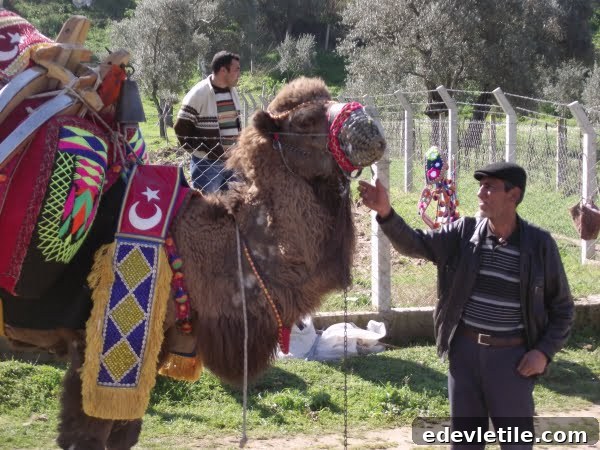
Got a pet camel? Stick a flag on it.
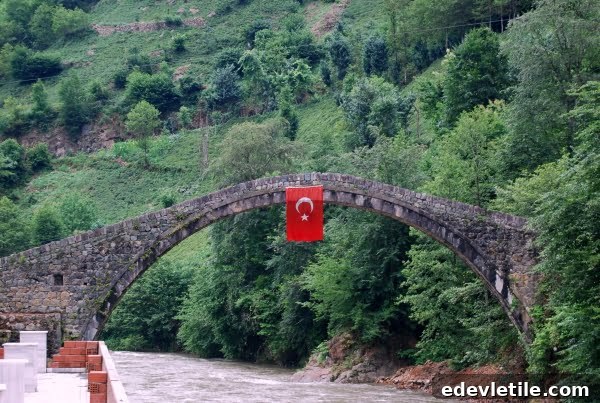
Walking through a remote area and find a dull bridge? Hang a flag from it.
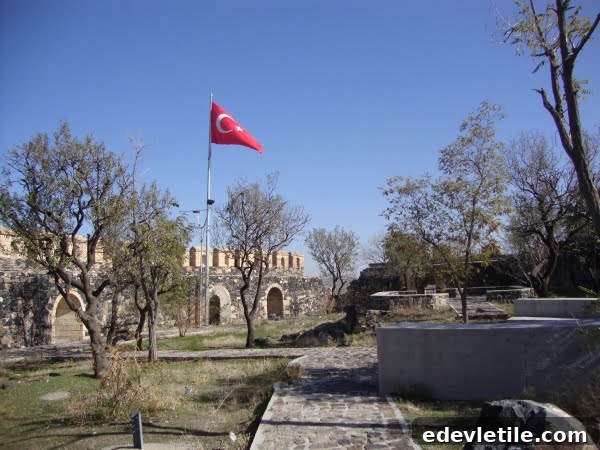
Discover an old, crumbling castle? No problem — put a flag up.
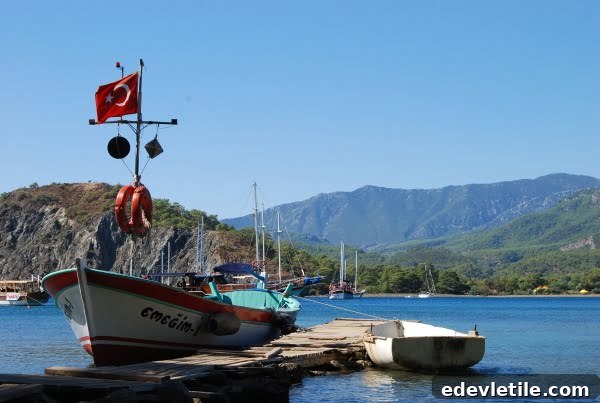
Bought a small dinghy? Don’t forget the flag.
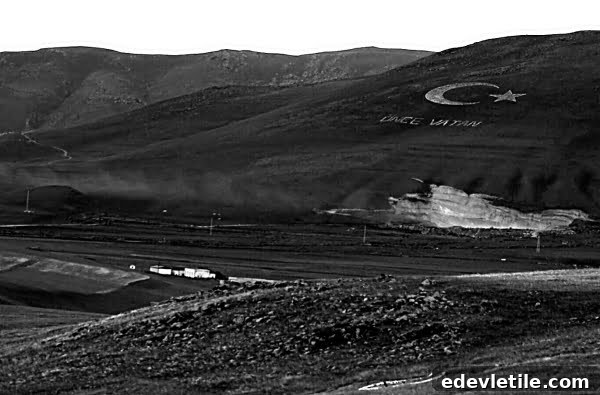
One of the most impressive displays I saw while traveling in eastern Turkey was symbols and the words Önce Vatan carved into a mountainside — literally “country first,” a phrase that captures a strong sense of national loyalty.
Stories about the flag’s origins differ. Some connect it to Ottoman banners, while others offer more poetic explanations, invoking battlefield scenes with the moon and star reflected above. Regardless of the exact origin, the flag commands deep respect among Turks.

Alongside reverence for the republic’s founder, Mustafa Kemal Atatürk, the flag holds a special place in public life and private hearts. You will rarely, if ever, see a Turk place the flag on the ground. As a visitor, avoid disrespecting the flag or depictions of Atatürk — such acts can provoke serious consequences.
Disrespect toward national symbols is taken seriously and can result in legal or administrative action, including deportation for non-citizens in extreme cases.
What do I Think of the Turkish Flag Displays?
I have mixed feelings. It is moving to witness a nation so openly proud of its identity. At the same time I feel a twinge of envy — my own patriotic feeling for the UK has faded over time.
Growing up in Britain, I watched the Union Jack become less prominent in public life and more a consumer motif, printed on clothing and accessories. In contrast, I have rarely seen the Turkish flag used as a fashion gimmick such as on swimwear or underwear. That restraint reflects a cultural respect for the flag that I found admirable.
We did not realize at the time the symbolic gesture of what we were doing.
I attribute some of my own detachment from national symbols to political changes and debates in the UK, but I remain grateful for the practical benefits of citizenship, such as the travel freedoms a British passport provides.
My one benefit of being a British citizen is the passport that allows me free travel, for which I am eternally grateful.
Even if my personal patriotism has faded, observing Turkey’s national pride has been comforting. Still, I have questions about the country’s future relationship with the European Union.
Will Turkey Join the EU?
Public opinion about EU membership has shifted over time. In 2004 a large majority of Turks supported joining the EU, but support declined in later years. Issues such as the unresolved status of Northern Cyprus complicate negotiations and public sentiment.
Will Turkey do that? Well, not in my lifetime.
Despite the uncertainty, Turkey has received significant pre-accession funding from the EU, which creates lasting ties. That financial and political connection makes any abrupt severing of relations unlikely.
Do the People of Turkey Need the EU?
From my perspective, Turkey does not need the EU to thrive. It is a large, diverse country with a resilient economy and a proud population. While no country is without flaws, Turkey is capable of managing its own affairs and pursuing its interests.
If the government pursues EU membership, it should do so on terms that respect national priorities. And if political leaders accept funds or cooperation from the EU, they should ensure those arrangements serve Turkey’s long-term interests rather than undermine its sovereignty.
Maintain the national pride that currently inspires so many Turks and pass it on to future generations.
Readers Question: What are your thoughts on the Turkish flag and Turkey joining the EU?