Istanbul Grand Bazaar: Ultimate Shopping & Souvenir Guide
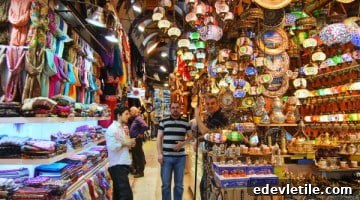
The Grand Bazaar in Istanbul is far more than a typical shopping center. Founded in the 15th century after the Ottoman conquest of Constantinople, the covered market has grown over centuries into the sprawling complex visitors see today. Construction was commissioned by Sultan Mehmet II, and rents from the shops historically supported the Hagia Sophia when it functioned as a mosque. What began as a modest market expanded over time until the Grand Bazaar became the vast network of streets and shops that attracts millions of visitors each year.
With roughly sixty covered streets and thousands of vendors, the Grand Bazaar can overwhelm first-time visitors. Shopkeepers are eager to engage customers and are not shy about encouraging purchases. On my first visit I wandered wide-eyed through the crowds and left without buying anything, overwhelmed by the bustle and noise. A later trip with friends—two foreign women and me—was livelier and more productive. Based on those experiences, this guide covers what to buy, how to behave, how to bargain, and practical tips for getting there so you can enjoy the market and come away with memorable, affordable souvenirs.
The Grand Bazaar of Istanbul
What to Buy in the Grand Bazaar
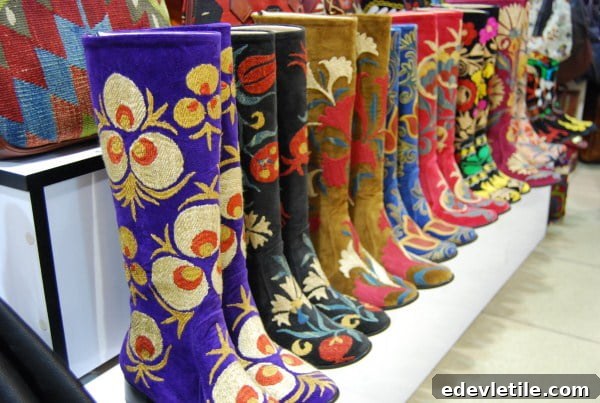
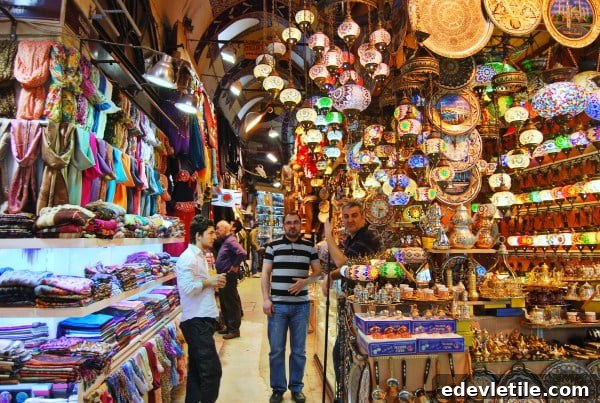
The range of goods is enormous—so much so that it’s easier to say what you won’t find. The bazaar offers everything from everyday household items to handcrafted goods, jewelry, textiles, carpets, leather, and antiques. Many streets inside the bazaar are traditionally grouped by trade, a custom that dates back to Ottoman times. Locals still shop there, so you’ll see practical items as well as tourist souvenirs. Expect a mix of beautiful craftsmanship and inexpensive mass-produced goods; part of the fun is spotting genuine quality among the plentiful options.
Typical items worth considering include:
- Handmade Turkish carpets and kilims—look for natural dyes and hand-knotted pieces.
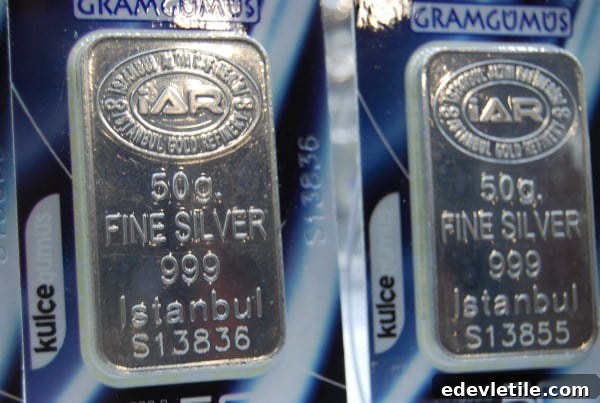
- Quality silver and gold jewelry—bargaining is common, and shops often display a wide variety.
- Leather goods such as jackets, bags, and shoes—inspect seams and linings for quality.
- Traditional ceramics and Iznik-style tiles—colorful plates, bowls, and decorative tiles are popular.
- Textiles and scarves—silk, cotton, and embroidered pieces make good gifts.
- Spices, teas, and sweets—small, well-packed items travel easily and are authentic souvenirs.
- Decorative items and antiques—verify authenticity and condition before buying.
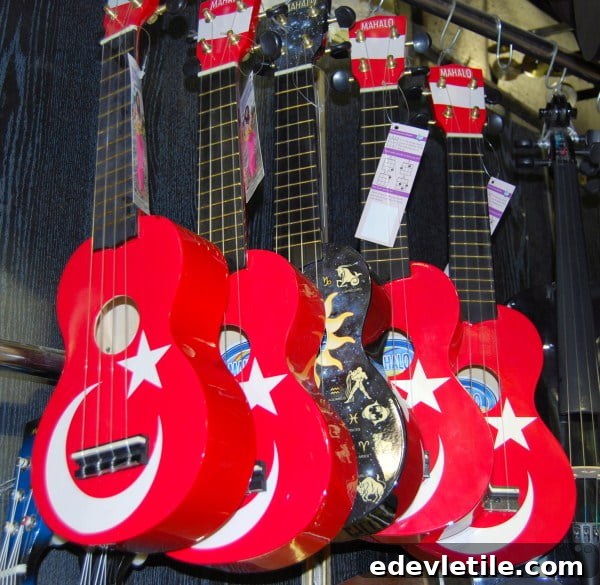
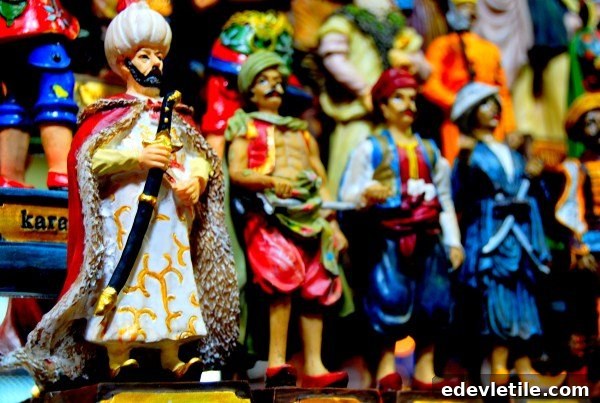
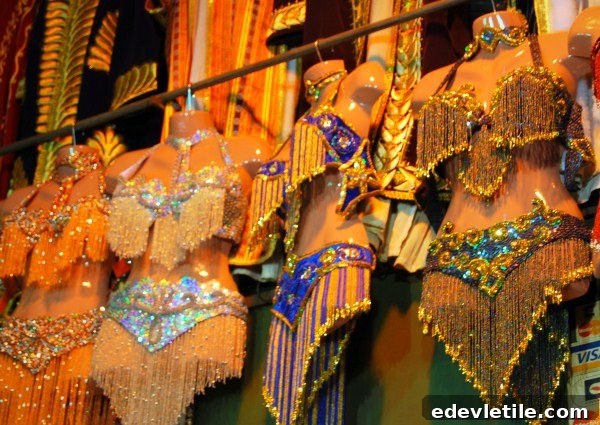
There’s also a lighter, more playful side to the market: novelty items, musical souvenirs, quirky decor, and costume pieces are easy to find if you want a fun keepsake rather than a serious purchase.

How to Avoid Hassle in the Grand Bazaar
The Grand Bazaar is lively and persistent—vendors will call out, ask questions, and try to draw you into their shops. There’s no magic method to avoid interactions entirely; instead, use simple techniques to keep visits enjoyable. Stay calm, be polite but firm if you want to decline, and smile while saying no. If a vendor becomes overbearing, a clear, friendly refusal will usually end the conversation. Physical touching of customers is uncommon, but if it happens insist politely that the person remove their hand.
Women visiting the bazaar should dress comfortably and be prepared for attention from eager shopkeepers. Good humor helps; joining in light banter can turn an encounter into an amusing exchange rather than a stressful one. In my experience, playful responses and laughter often diffuse tension and lead to friendly interaction rather than pressure to buy.
Bargaining Like a Pro
Bargaining is expected in the Grand Bazaar, and vendors typically start with a high initial price. A common approach is to counter with about half the asking price and negotiate from there. Expect the seller to respond with a lower offer, sometimes invoking personal details like family or expenses as part of the negotiation. Continue to negotiate politely until you reach a price both sides find acceptable. If a price doesn’t feel fair, be prepared to walk away—often the vendor will call you back with a better offer.
When shopping for higher-value items such as carpets, jewelry, or leather, take time to compare several shops to gauge a fair price. Ask about materials, craftsmanship, and any guarantees or certificates for authenticity before finalizing a purchase.
Opening Hours and Practical Information
The Grand Bazaar is free to enter. It is typically closed on Sundays and open other days from about 08:30 to 18:00, though hours can vary by shop. The bazaar closes on national and religious holidays such as Republic Day (October 29) and major Islamic holidays like Seker Bayram and Kurban Bayram, which change dates each year. If your visit coincides with a holiday, check local announcements or ask your hotel for confirmation.
How to Get There
The Grand Bazaar is located in the Beyazit area, near Sultanahmet and other central neighborhoods. If you stay in Sultanahmet, Beyoglu, Fatih, Eminonu, or Taksim, the bazaar is often within walking distance. Ask your hotel about local buses or trams that stop nearby. Using a map app to navigate from your accommodation to the “Grand Bazaar” generally works well, but once inside the bazaar, put away the map and allow yourself to get pleasantly lost—exploring the alleys is part of the experience. Exit signs are visible throughout the market when you’re ready to leave.
Enjoy the atmosphere, take your time to browse, and don’t be afraid to haggle for a fair price. With a relaxed attitude and a bit of patience, the Grand Bazaar can be one of the most memorable shopping experiences in Istanbul.