Cappadocia Photo Tour: 14 Compelling Reasons to Visit
I love looking at pictures of Cappadocia. The region consistently surprises with dramatic landscapes, unique rock formations and a rich Turkish culture beneath its tourist-friendly surface. Located in Turkey’s central Anatolia, within Nevşehir province, Cappadocia is the country’s second most visited destination and draws visitors from across the globe.
Many backpackers include Cappadocia on their itinerary after Istanbul, and it’s also a popular choice for honeymooners. Though landlocked and without beaches, the region’s appeal is unmistakable. Cappadocia offers experiences and scenery unlike anywhere else: surreal lunar-like panoramas, fairy chimneys, cave hotels, hot air balloon flights, subterranean cities and a layered history that includes early Christian communities. If you haven’t been, add Cappadocia to your Turkey travel list — it rarely disappoints.
14 Pictures of Cappadocia and Places to Visit
1: Göreme – Center of Cappadocia
Göreme serves as the central hub for most visitors. If you arrive by intercity bus, you will likely end up at the Göreme bus station. The town is home to the famous Göreme Open Air Museum, a collection of cave churches dating from the 14th and 15th centuries and a UNESCO World Heritage site. This museum is Cappadocia’s top attraction and a highlight for anyone interested in history and rock-cut architecture.
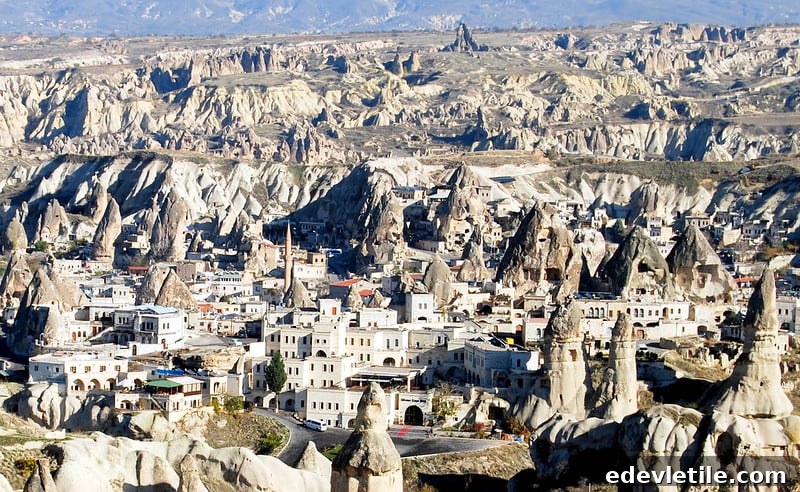
2: Picturesque Çavuşin Village
Çavuşin divides into an active modern section and an older quarter of cave houses and boutique cave hotels. The old village hosts the 5th-century St. John chapel and offers sweeping views of the Rose and Red Valleys, both popular for hiking. The village’s Greek-influenced architecture hints at its multicultural past and makes it a rewarding spot for photography and exploration.
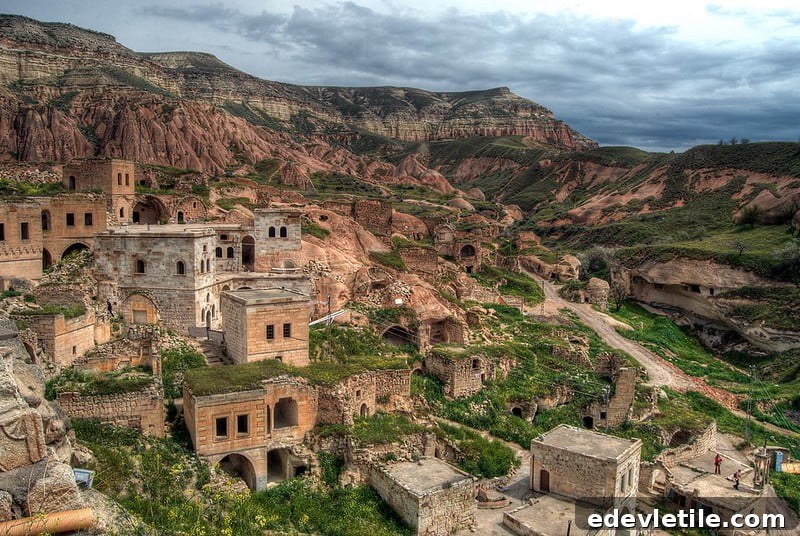
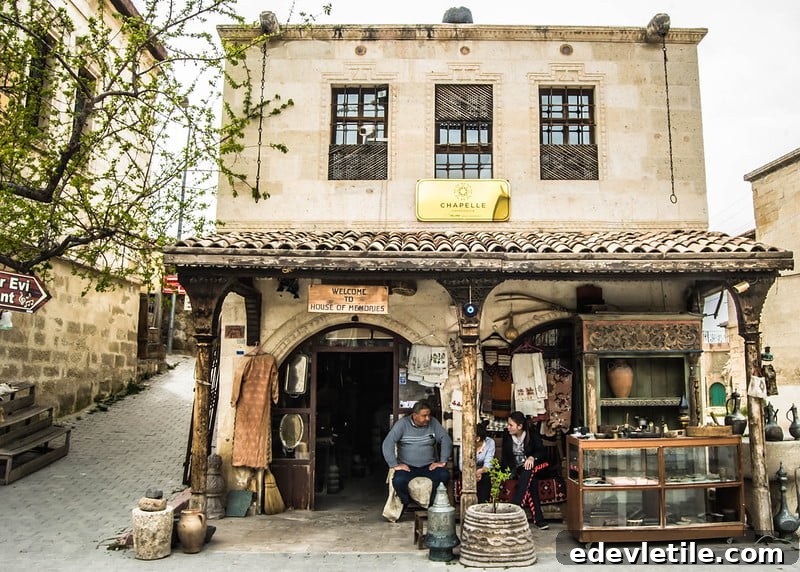
3: House of Memories in Ortahisar
Ortahisar retains a working-town atmosphere despite its growing tourism. Small restaurants and tea houses give the village a grounded charm. One memorable spot is the House of Memories, an antiques and handicrafts shop near the castle that feels like stepping into another era. It’s a great place to find traditional Turkish souvenirs and local character.
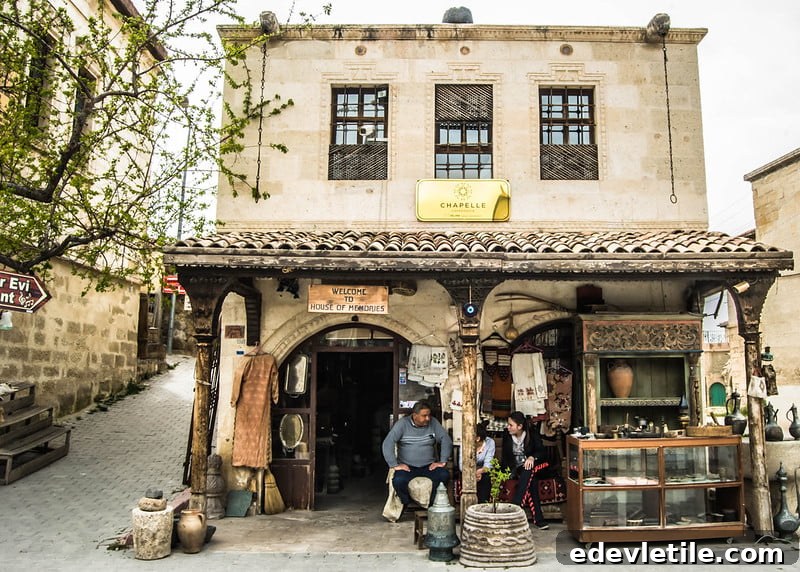
4: Experience a Cappadocian Sunrise
Sunrise and sunset in Cappadocia are often spectacular. One iconic experience is an early morning hot air balloon flight. Expect an early start—many tours begin before dawn—but the reward is a breathtaking bird’s-eye view of fairy chimneys and rock formations as the sun lights the valleys.
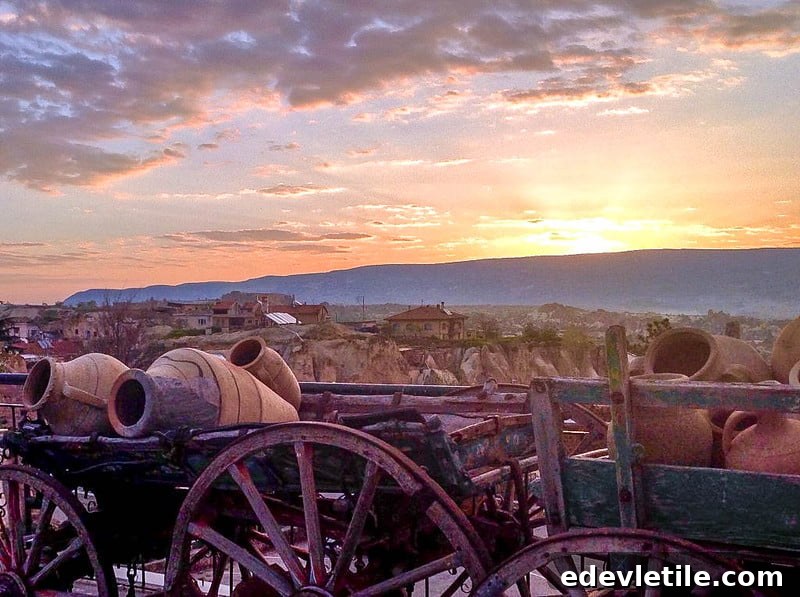
5: Visit the Göreme Open Air Museum
The Göreme Open Air Museum is Cappadocia’s premier historical site. Its cave churches, carved from tufa rock and decorated with frescoes, provide a window into early Christian life. The museum’s compact collection allows visitors to imagine daily life inside these rock-cut dwellings and religious spaces.
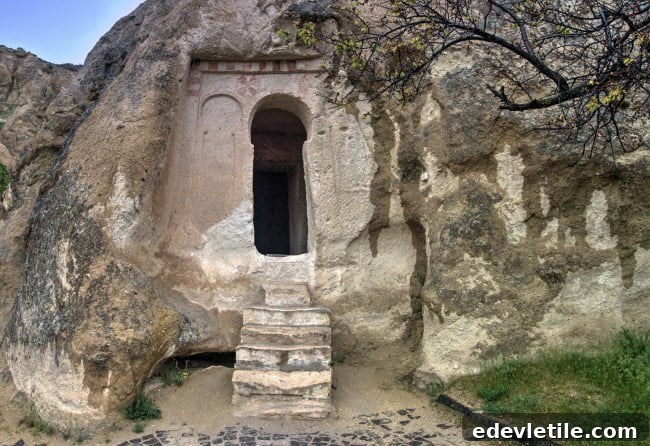
6: Devrent Valley
Devrent Valley is famous for eroded rock formations that appear as animals and imaginative shapes. Formed by millennia of wind and water erosion, the valley invites visitors to let their imagination reinterpret the landscape. It’s a short, fun stop that highlights the whimsical side of Cappadocia’s geology.
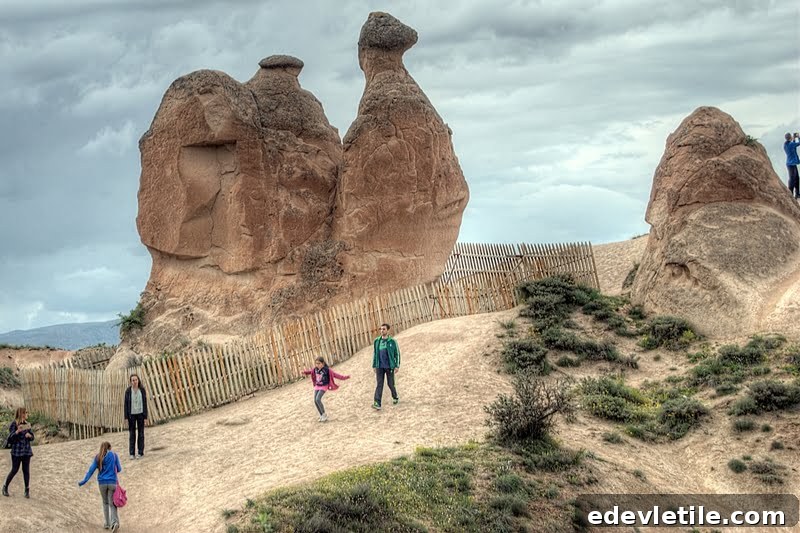
7: Ancient Biblical Frescoes
Many of Cappadocia’s cave churches preserve vivid biblical frescoes. These painted scenes once conveyed Scripture and stories to largely illiterate communities. The frescoes are often well-preserved and present an evocative, direct link to the region’s spiritual past.
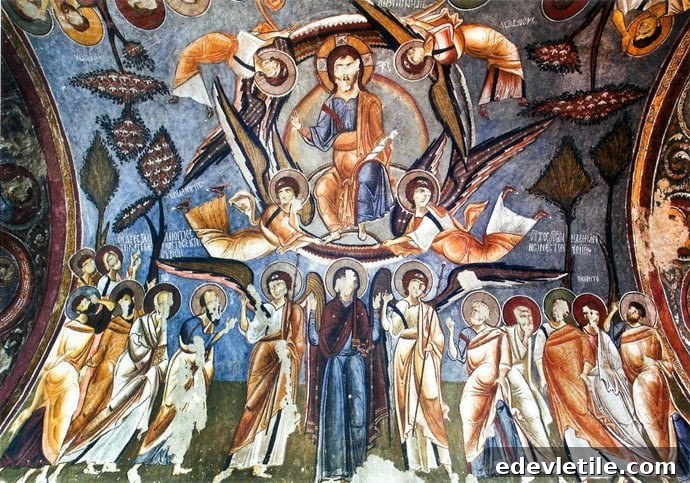
8: Monk’s Valley (Paşabağ)
Monk’s Valley is one of several outdoor sites that showcase Cappadocia’s unique rock formations and historical dwellings. Also known as Paşabağ, the valley features striking fairy chimneys and simple hermitages once inhabited by monks. It’s an accessible and impressive site for first-time visitors.
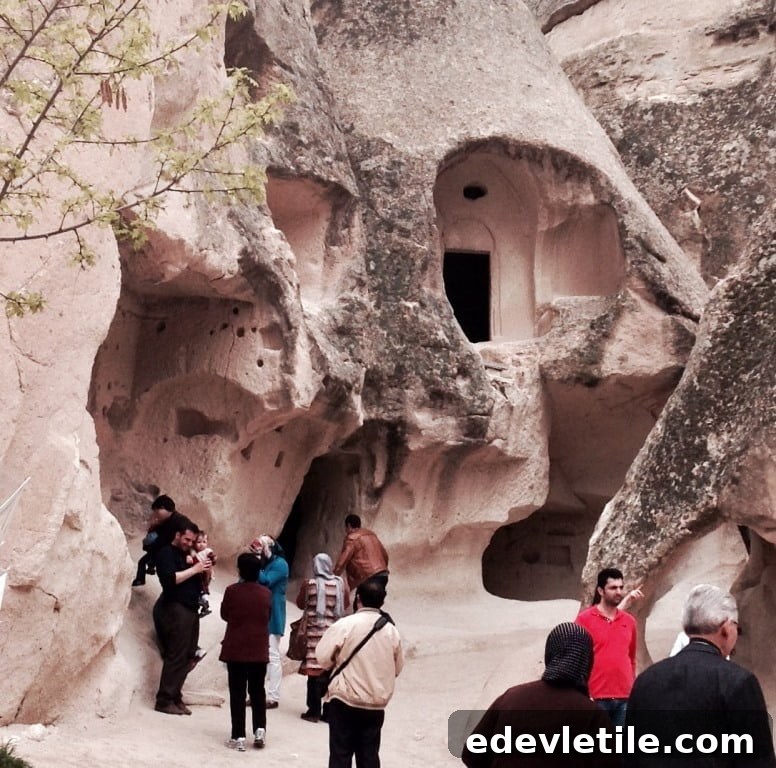
9: Views of Mount Hasan
Hiring a local guide can reveal lesser-known viewpoints. On one visit I was led to Yüksek Church and surprised by a clear view of Mount Hasan, an impressive volcanic peak. Local guides often provide context and access to quieter spots that aren’t always on standard itineraries.
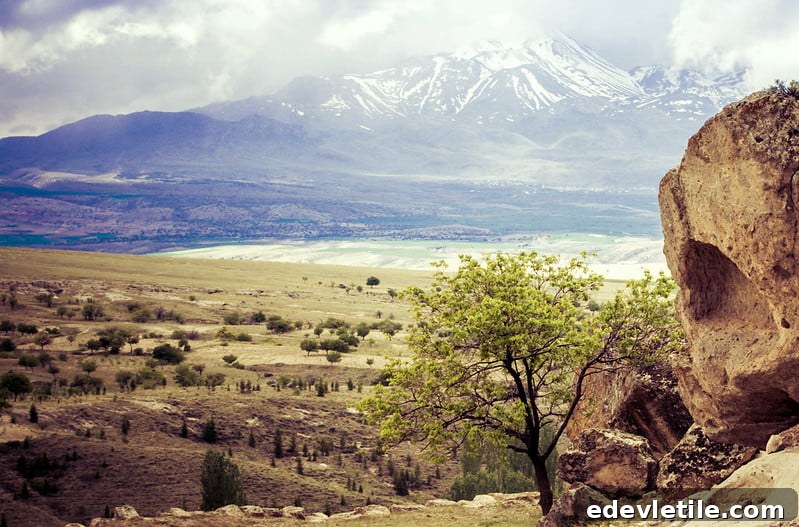
10: Ortahisar Village
Ortahisar may not be as widely known as Göreme, but it rewards visitors with a more relaxed pace and excellent views. Climb near the village outskirts for panoramas of traditional stone houses and the dominant castle rock that defines the skyline.
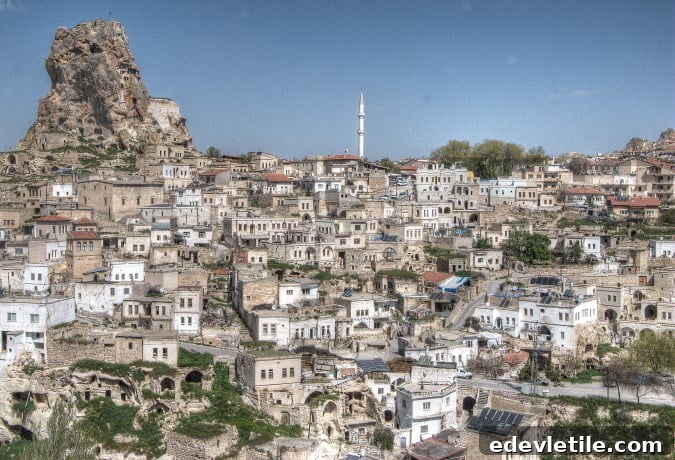
11: Pottery in Avanos
Cappadocia has a long pottery tradition centered on Avanos, where artisans use red clay from the Kızılırmak (Red River). Workshops demonstrate centuries-old techniques and create distinctive ceramics that are popular throughout Turkey. A pottery demonstration is an informative and hands-on cultural experience.
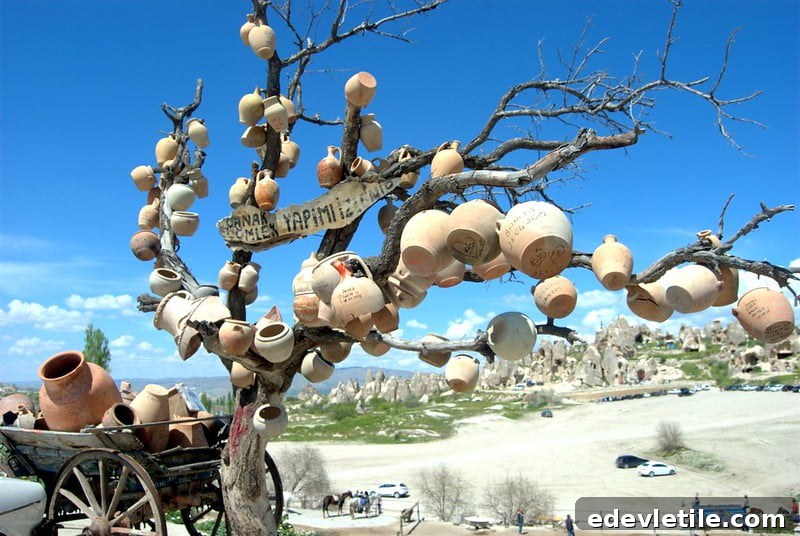
12: Soğanlı Abandoned Village
Soğanlı lies off the main tourist routes but is worth the detour. The hillside village contains numerous cave churches with ancient frescoes and an atmosphere shaped by decline: some houses were abandoned after rockfall and instability made parts unsafe. Its quiet lanes and ruins offer a different, contemplative side of Cappadocia.
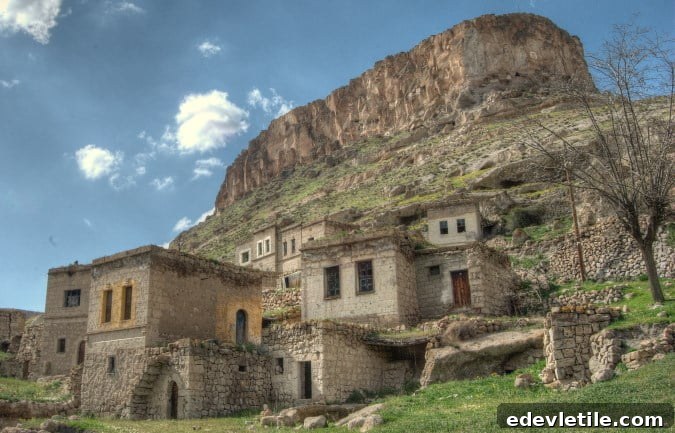
13: Saruhan Caravanserai
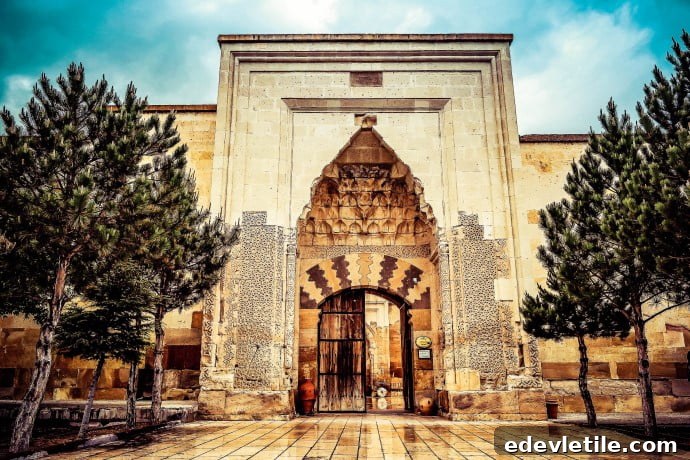
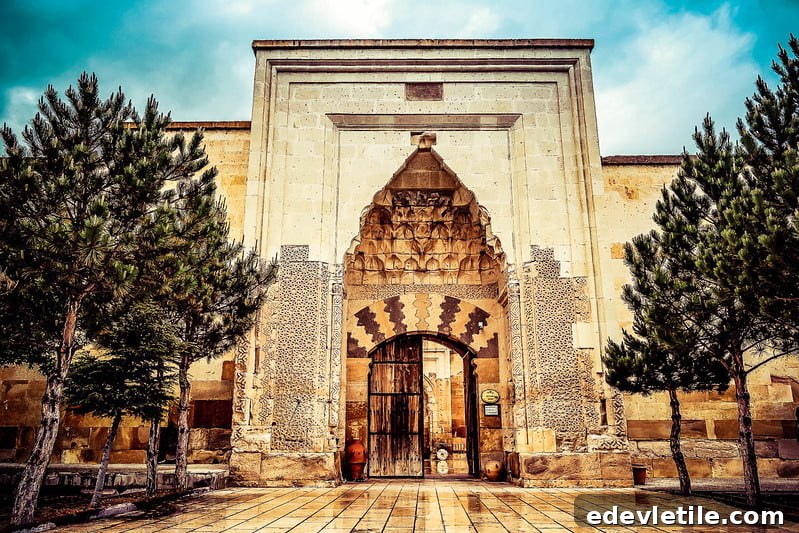
Cappadocia’s location along historic trade routes left it with several caravanserais—inns that once sheltered merchants and their animals. Saruhan Caravanserai, near Göreme, is one of the most notable examples and helps illustrate how this region functioned as a crossroads of commerce and culture on the old Silk Road.
14: Cave Houses and Cave Hotels
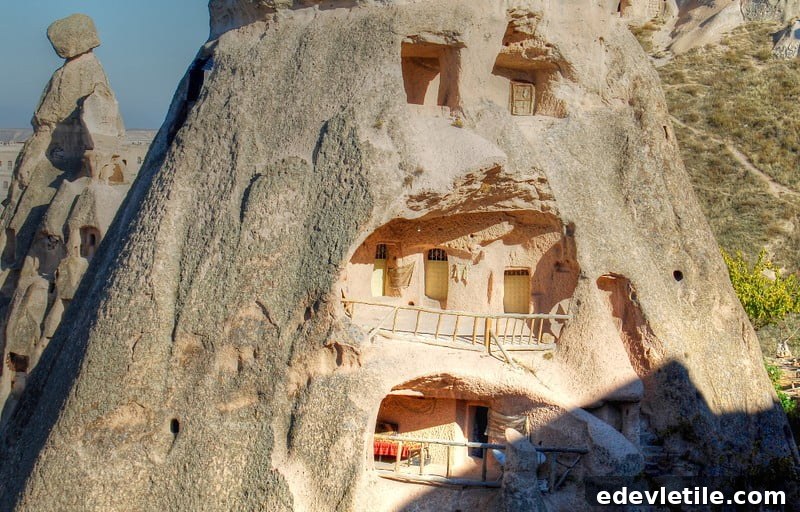
Living in rock-cut dwellings is part of Cappadocia’s identity. Many cave homes and boutique cave hotels have been modernized while keeping their distinctive stone architecture. Staying in a cave hotel is a memorable way to experience the region’s atmosphere and sense of place.
Further Reading
For more images and travel tips about Cappadocia, explore dedicated travel resources and photography collections that cover both popular attractions and lesser-known villages. Guides and local insights can help plan the best routes, recommend authentic experiences, and explain the region’s history, traditions and culture.