Visiting the House of the Virgin Mary: History, Facts & Tips
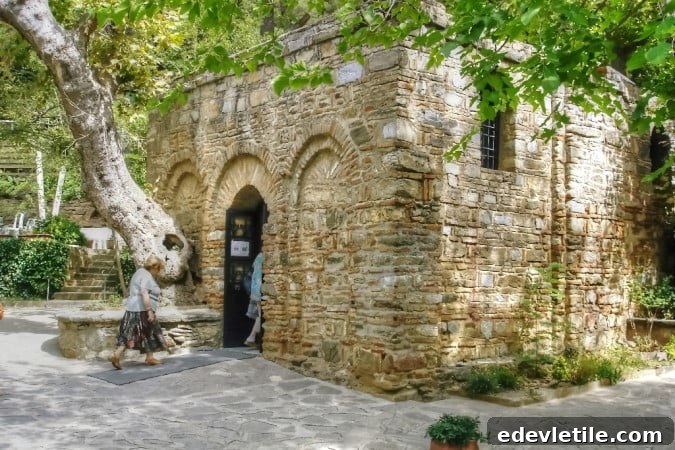
The House of the Virgin Mary near Selçuk sits close to the ancient city of Ephesus in Turkey’s İzmir province. Despite its popularity, many visitors to Ephesus skip the short detour up the mountain to see the modest stone house believed by some to be where Mary, mother of Jesus, lived out her final years. While the Catholic Church has not formally declared this site the definitive location of Mary’s assumption, it maintains the house and chapel, and three popes have made pilgrimages here.
The site draws Christian pilgrims, and it also attracts many Muslims: the Quran honors Mary (Meryem Ana), and Turkish visitors often pay their respects. To believers, the house is a place of prayer and contemplation; to skeptics, it is a historical curiosity. Regardless of personal conviction, numerous visitors report experiencing a moment of profound peace or spiritual presence during their visit.
History of the House Near Ephesus
Early Christian tradition links Ephesus with key New Testament figures such as Saint John and Saint Paul, and many experts agree that Mary may have spent time in the region. The specific site known today as the House of the Virgin Mary emerged from an unexpected source in the early 19th century. A German nun, Anne Catherine Emmerich, recorded visions and detailed descriptions of places associated with the life of Jesus and Mary while she was gravely ill. Decades after her death, a priest used her descriptions to identify a small stone structure on a mountainside near Ephesus.
The discovery sparked debate: neither the nun nor the priest had visited Ephesus in person, and archaeological excavation in the immediate area was limited at the time. Nonetheless, the site gained recognition and gradually became accepted by many pilgrims and clergy. Today the house functions as a chapel and shrine where worshippers and visitors can pray or reflect.
Visiting the House
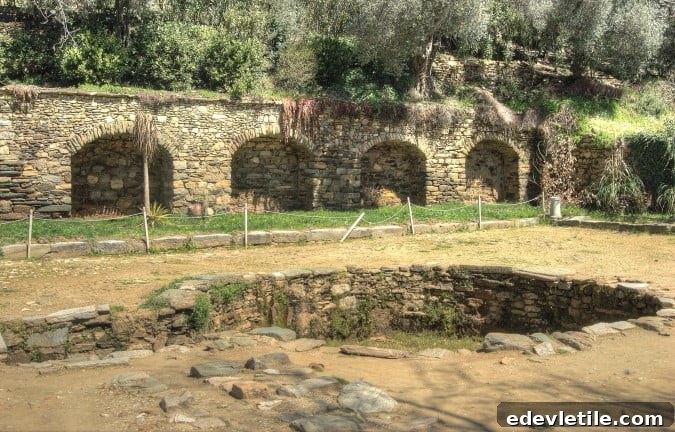
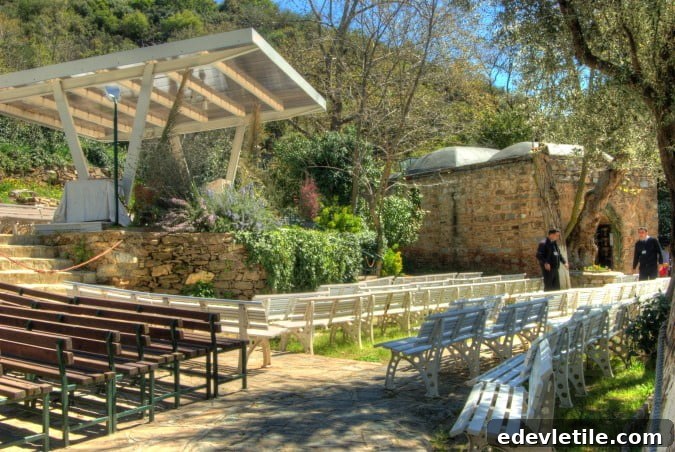
The road up to the house winds through pine-covered slopes. In the past, the narrow mountain road could feel daunting when large coaches passed, but access has improved over time. After paying the modest entrance fee, visitors pass small souvenir stalls and a café before reaching the car park and entrance area, where a baptismal pool and seating for monthly Catholic services mark the pilgrimage atmosphere.
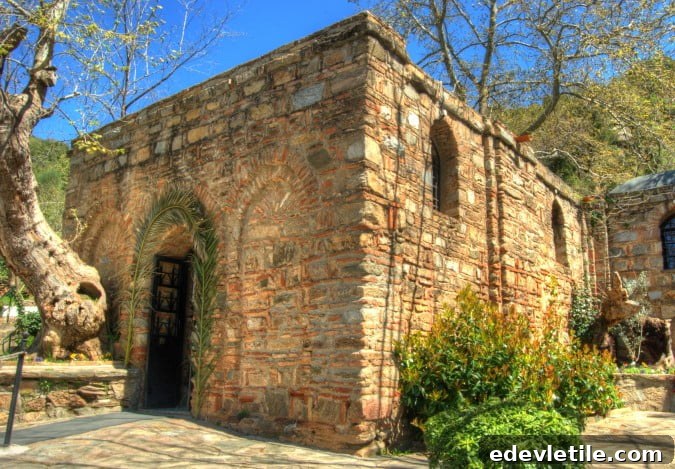
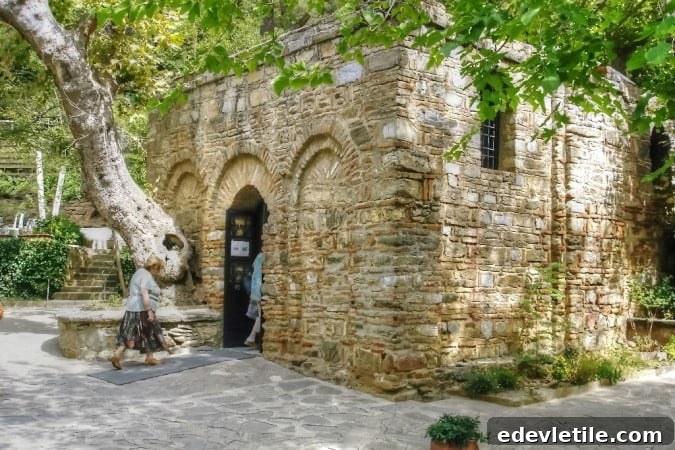
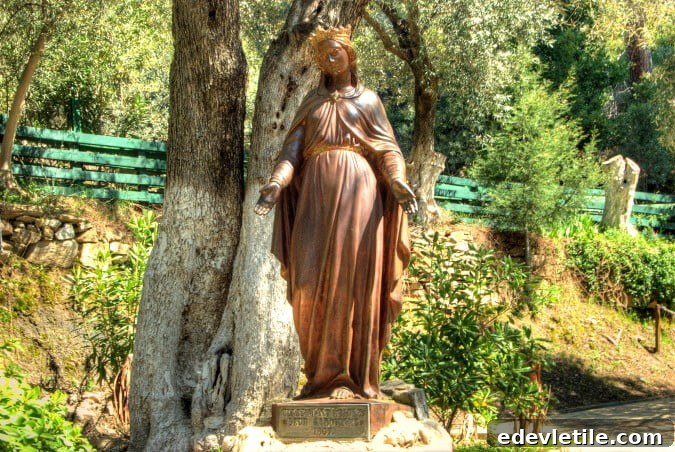
The house itself is humble and small, built of plain stone. The lower portion of the building is believed to be original, while the upper sections were restored under the supervision of the Catholic Church to preserve the structure’s historic appearance. Inside, visitors enter through a metal door, pick up a candle, and step into the chapel where a statue of the Virgin Mary stands. Respectful silence and modest dress are encouraged, as the site remains an active place of worship.
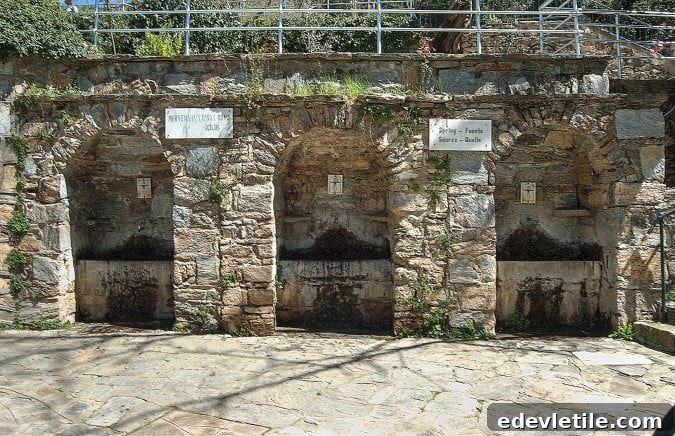
Beyond the chapel, well-kept gardens and shaded paths lead to three taps with spring water regarded as holy by many visitors. The grounds are peaceful, offering a quiet retreat from the bustle of nearby tourist areas.
Holy Water and the Wishing Wall
Local tradition encourages visitors to taste water from the three taps and make a wish. Folklore assigns different meanings to each tap—wealth, health, and fertility—though they are not labeled and interpretations vary. Many pilgrims believe their wishes are heard after drinking or praying at the site.
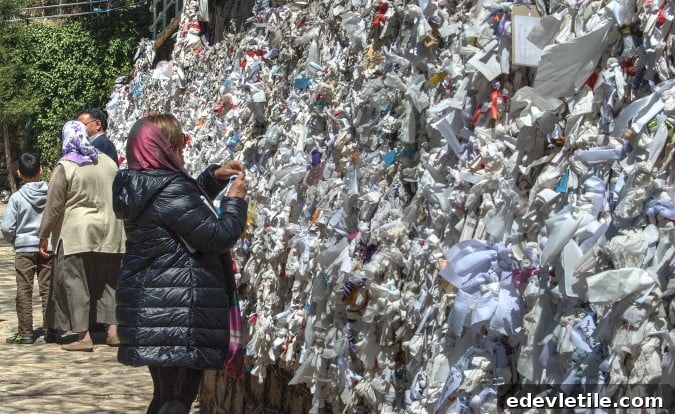
Near the spring stands a wishing wall where visitors tie pieces of cloth, paper, or personal tokens and silently make a request or prayer. This practice mirrors similar traditions found at sacred sites across Turkey and offers a tangible way to leave a personal mark.
Whether arriving as a pilgrim or a curious traveler, many people find the House of the Virgin Mary to be a peaceful and moving stop. Even visitors who do not share religious beliefs often appreciate the calm gardens, the simple stone architecture, and the sense of history connected to Ephesus and early Christianity. If you plan a trip to the Roman ruins of Ephesus, allow around two hours to include this nearby site—its quiet setting and spiritual ambience make it a worthwhile detour.