Balat Travel Guide: 25+ Top Things to Do in Istanbul’s Colorful Quarter
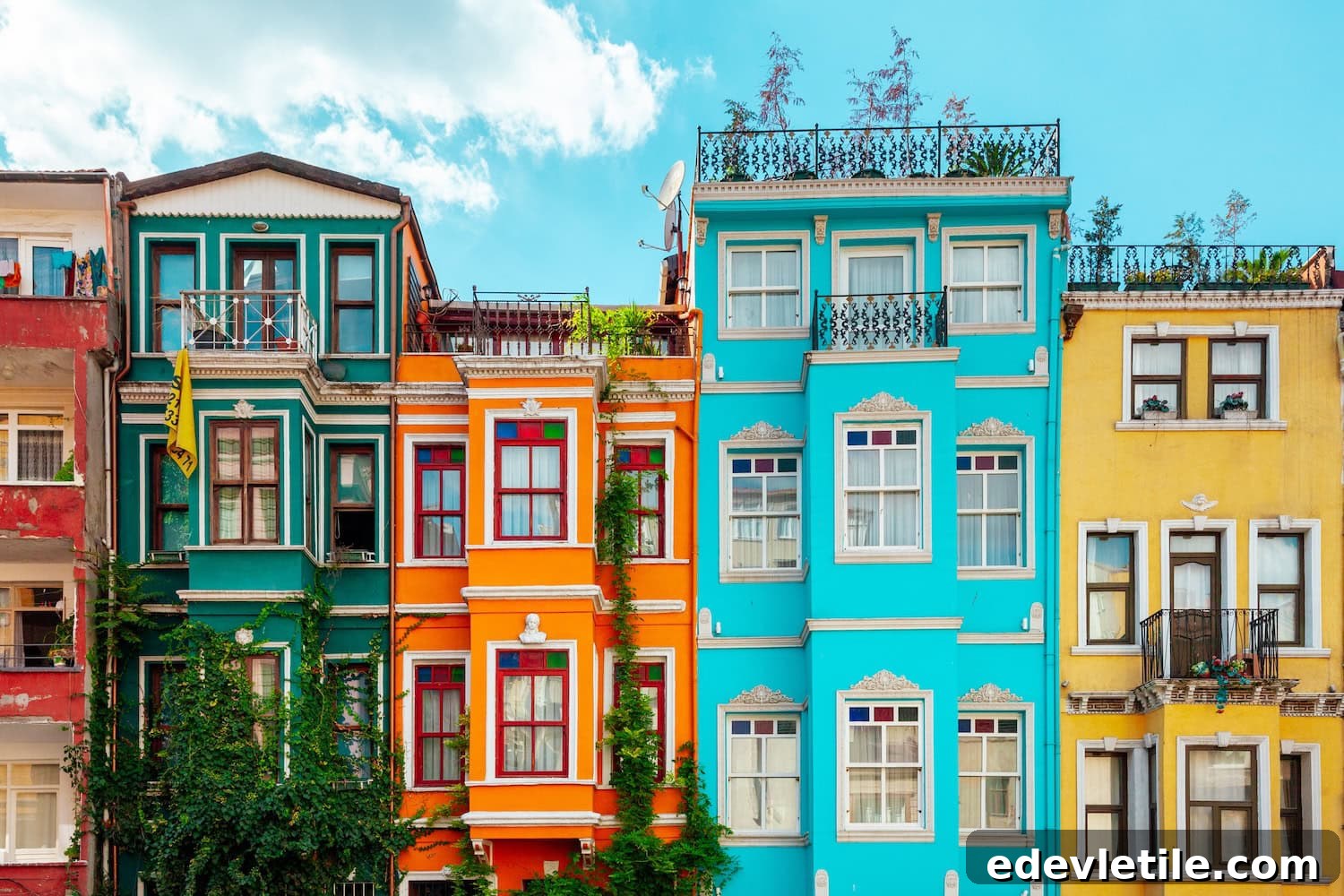
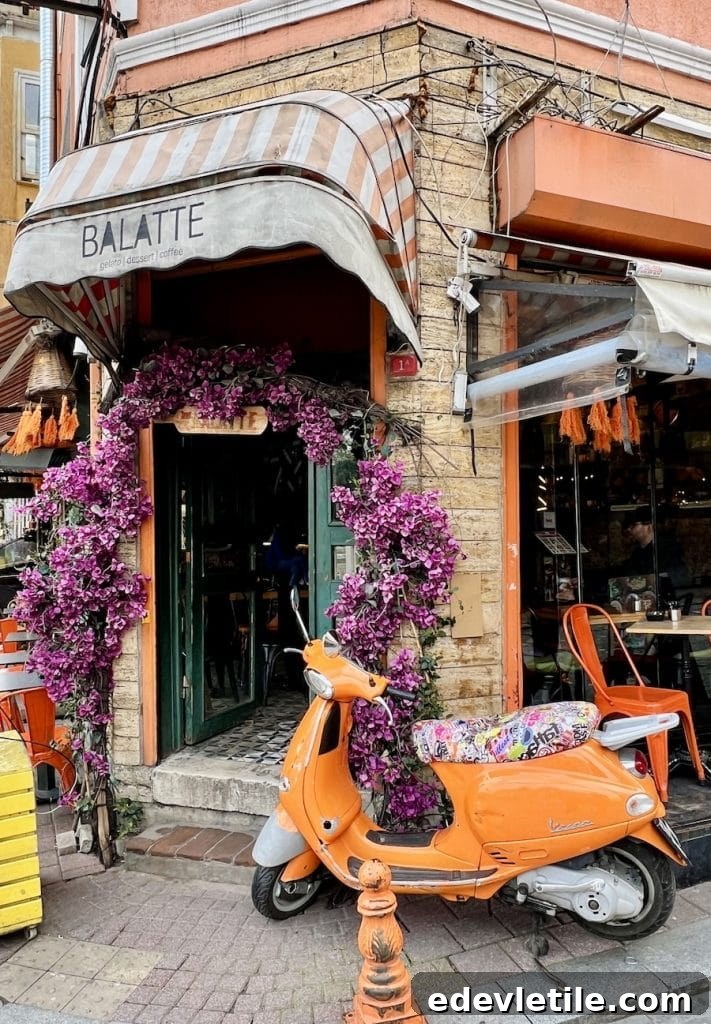
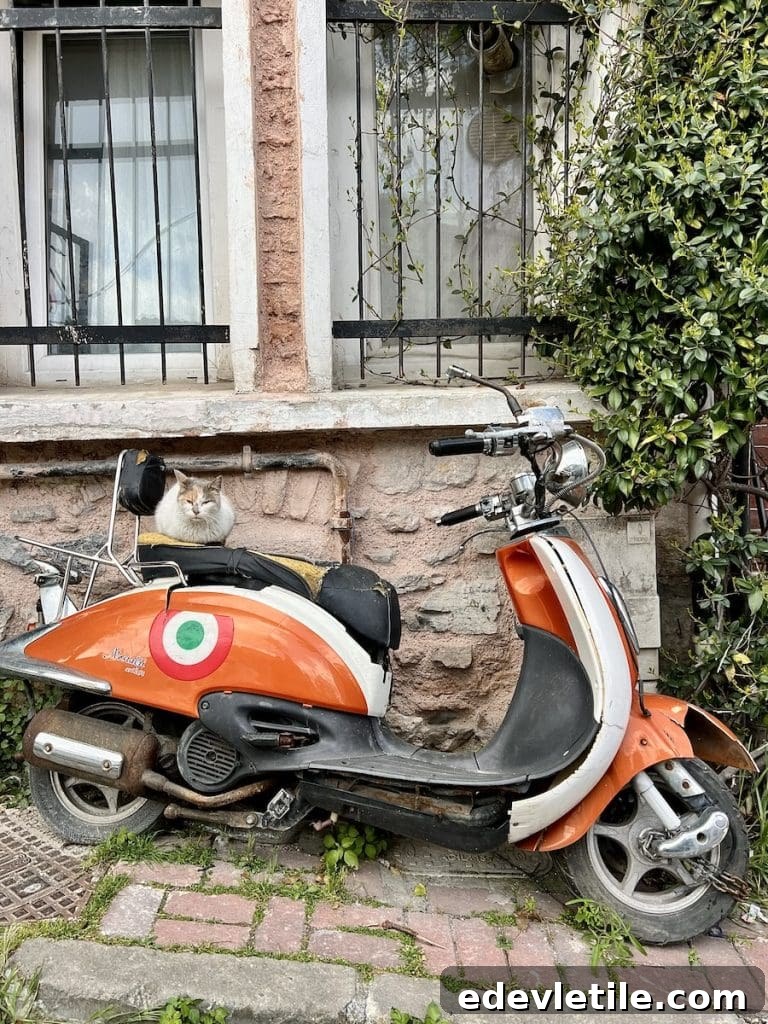
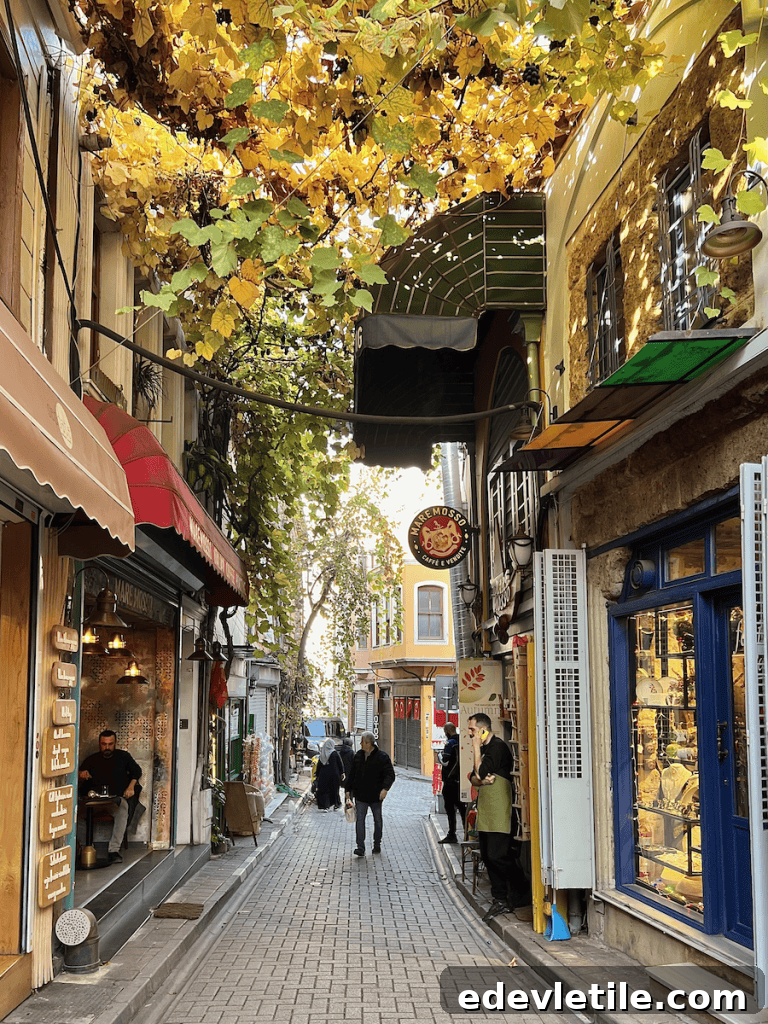
Balat feels like a place where Istanbul’s past and present meet. Narrow cobblestone streets, colorful façades, and historic buildings sit alongside modern cafés and antique shops, giving the neighborhood a layered, lived-in charm. Stroll and you’ll find third-wave coffee next to centuries-old churches, small family bakeries, and longtime shopkeepers selling treasures from decades past.
This is a neighborhood for wandering: lose track of time photographing row houses, browsing retro stores, sampling cookies from a traditional bakery, and pausing at quiet viewpoints over the Golden Horn. While many visitors come for the iconic colorful houses, it’s the atmosphere—quiet mornings, friendly locals, and surprising corners—that makes Balat special.
There’s a lot to do in Balat, so this guide covers transport, top things to see and do, practical tips, and a focused section on cafés and places to eat so you can plan a full day or a half-day visit.
Whether you have a few hours or an entire day, Balat rewards slow exploration. Enjoy this guide and let the neighborhood reveal its stories.
This article was fact-checked and updated in January 2026.
Balat Travel Tips
How much time do you need in Balat? — Plan at least half a day to see the main sights, but a full day is ideal if you want to soak up cafes, shops, museums, and the waterfront. Start with a traditional Turkish breakfast, wander hilltop streets, and finish with an evening meyhane for a complete experience.
Best time to visit — Early weekday mornings are the quietest and most pleasant for photography. Spring and autumn offer mild weather and fewer crowds; summer can be hot and busy, while winter is quieter and can feel atmospheric, especially after rain or snow.
Safety — Balat is friendly and generally safe. Stick to well-trodden streets, watch your belongings in busy spots, and you’ll have a comfortable visit.
Walkability — The neighborhood is very walkable but has steep hills and uneven cobbles. Wear comfortable shoes; you can easily log many steps exploring its lanes.
Psst — short on time?
If your schedule is tight, a guided Balat day tour is a quick way to learn the history and highlights with a local guide.
A Short History of Balat
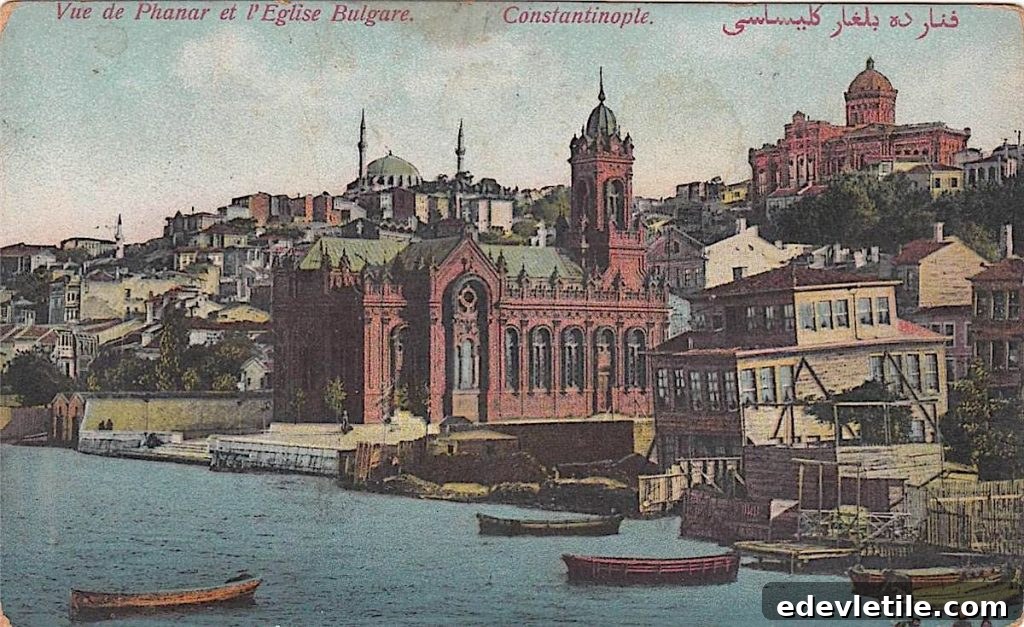
Balat and neighboring Fener developed as distinct but adjacent communities. Balat became known for its Jewish heritage after Sephardic families settled there in the late 15th century, while Fener was historically Greek. Over the centuries, Muslims, Jews, Greeks, Armenians, and others lived side by side, leaving a rich tapestry of churches, synagogues, mosques, and schools.
By the mid-20th century parts of the area declined, but restoration efforts in the 2000s helped preserve historic buildings and encouraged cultural tourism. Today Balat blends restoration with everyday life, making it both photogenic and authentic.
Fun fact: Balat is a popular filming location for Turkish TV series and films—don’t be surprised if you see a set or recognize a street from a show.
How to Get to Balat
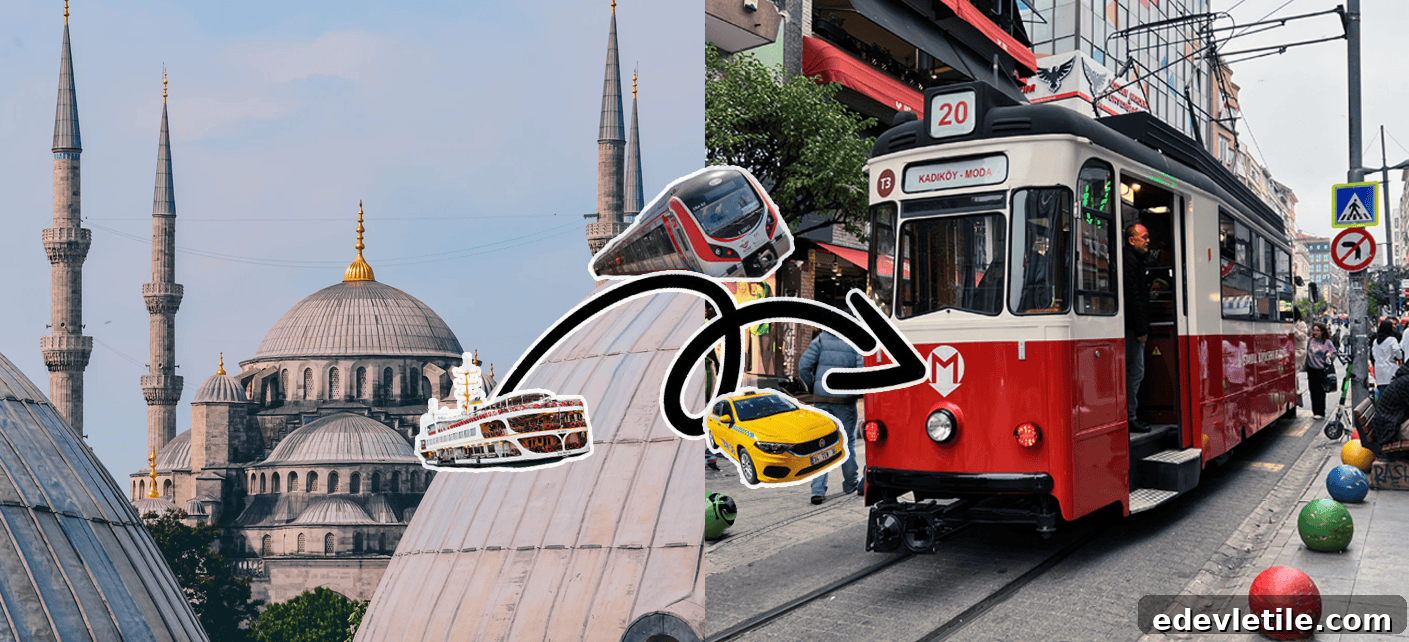
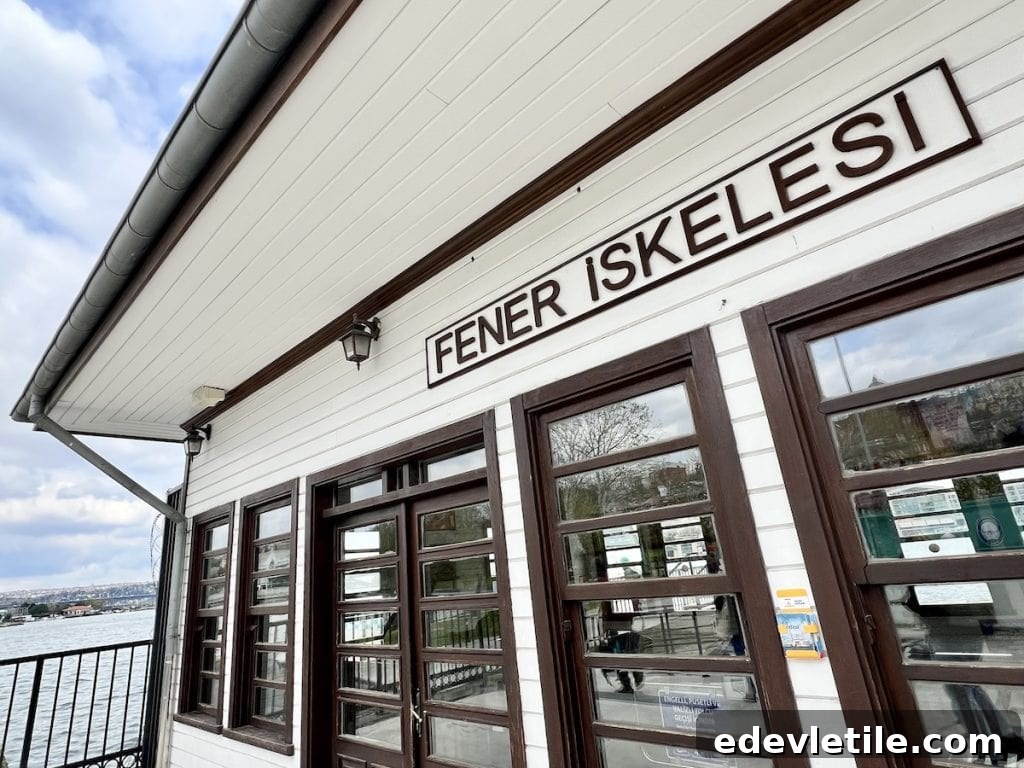
Getting to Balat is straightforward thanks to improved tram and ferry connections. The T5 tram now links Balat to other parts of the city, and several ferry lines serve nearby piers along the Golden Horn.
What to Do in Balat
Balat is full of photo spots, historic sites, quirky shops, and cafés. Whether you have a few hours or a day, prioritize the colorful houses, Saint Stephen’s Iron Church, the Red School, local museums, and waterfront walks.
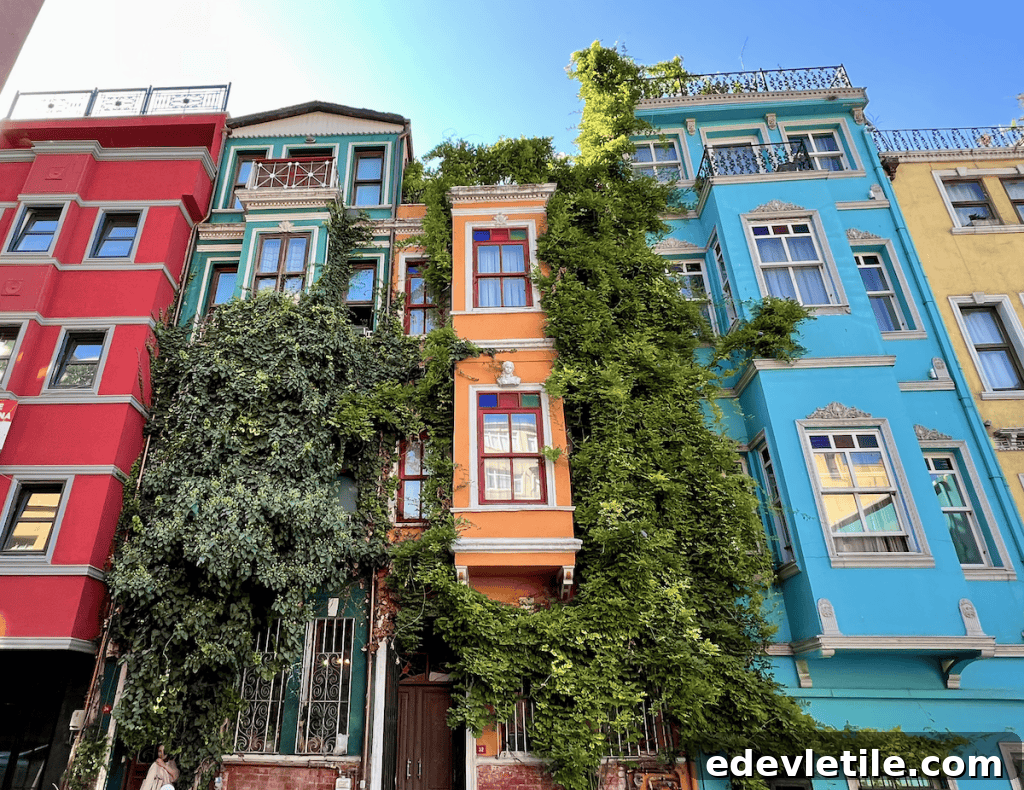
Colorful Balat Houses
The famous painted houses, often photographed on Kiremit Caddesi, are classic Balat. Visit early or late afternoon for the best light, respect residents’ privacy, and enjoy the symmetry and bay-window details that make these façades so photogenic.
Colorful Balat Stairs
A short walk from the houses, the rainbow-painted stairs brighten the neighborhood and make for a cheerful photo stop. The steps were painted by residents and local artists during Balat’s recent revival and have become a popular attraction.
If you prefer quieter photo spots, seek out nearby alleys and side streets where murals and hidden details await.
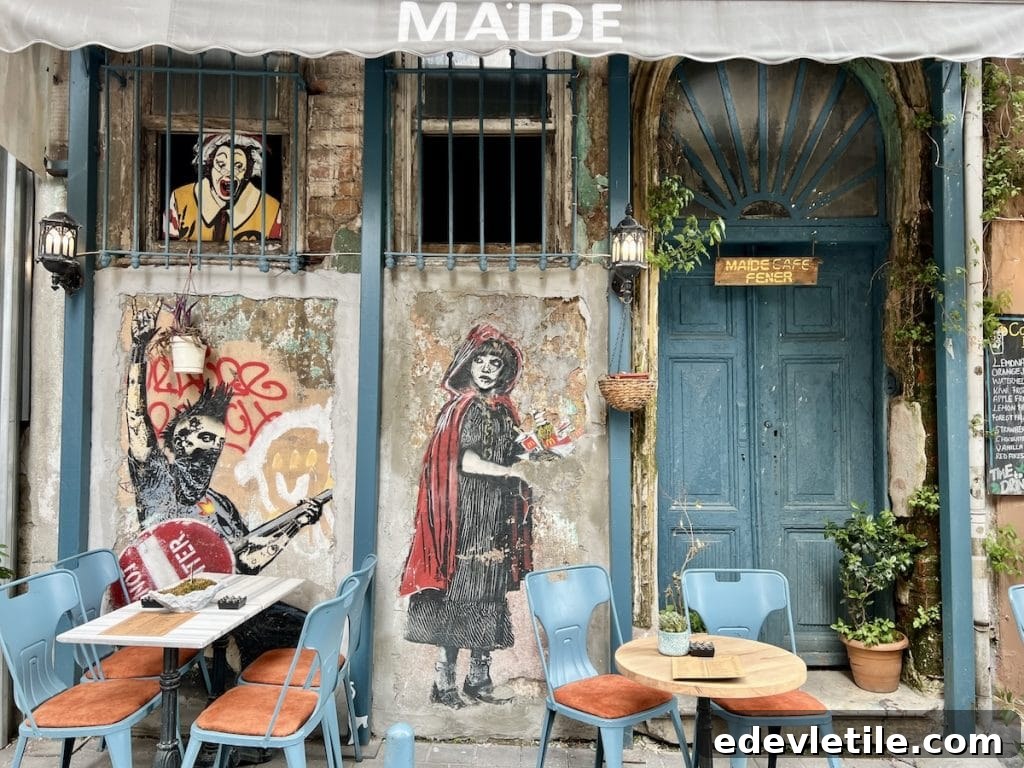
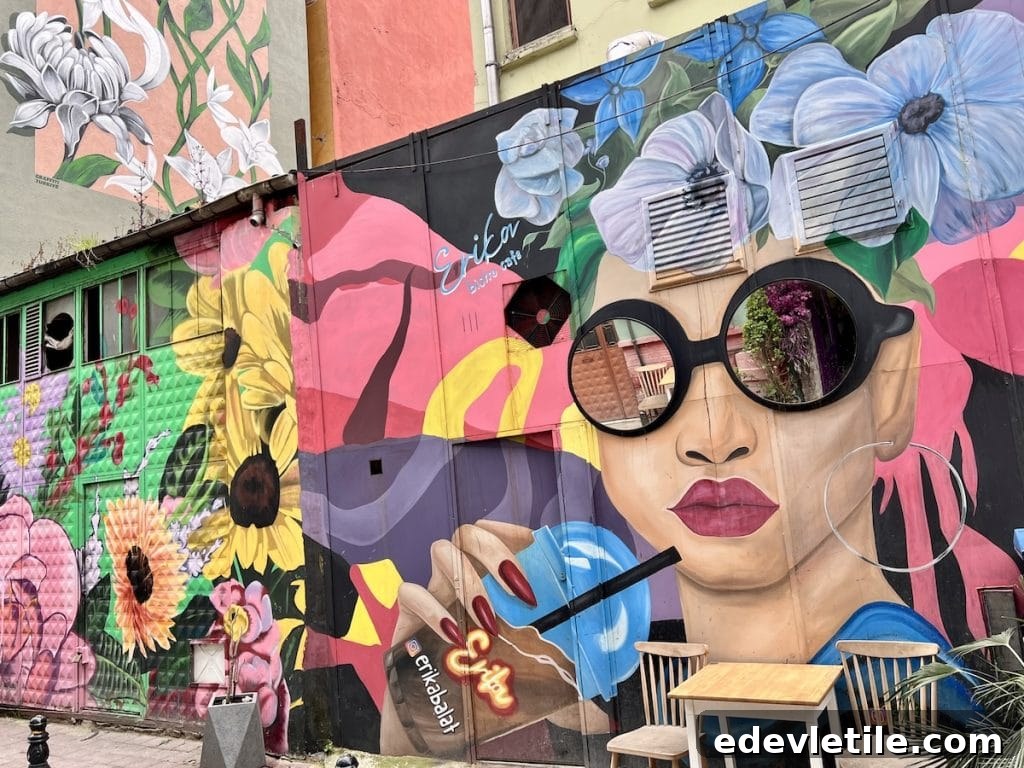
Check Out the Unique Balat Street Art
Balat’s street art ranges from playful murals to subtle graffiti tucked into doorways and corners. Yıldırım Caddesi is a good starting point for vibrant works, but much of the neighborhood’s art is discovered by slow wandering.
Relax at a Cafe Along Yıldırım Street
Yıldırım Caddesi is Balat’s café hub, lined with bistros and coffee shops perfect for a break. Popular spots include Naftalin K for antiques and atmosphere, Primi Balat for hearty meals, Balatkapı for all-day brunch and matcha, and Gen Antik for a vintage-filled coffee break.
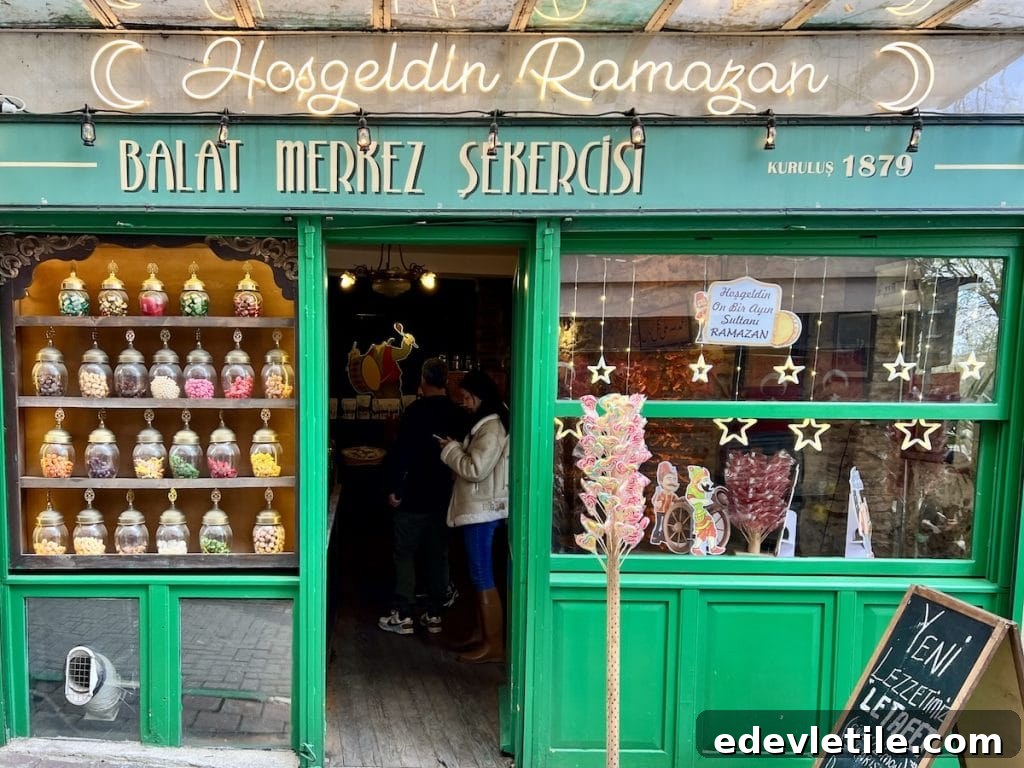
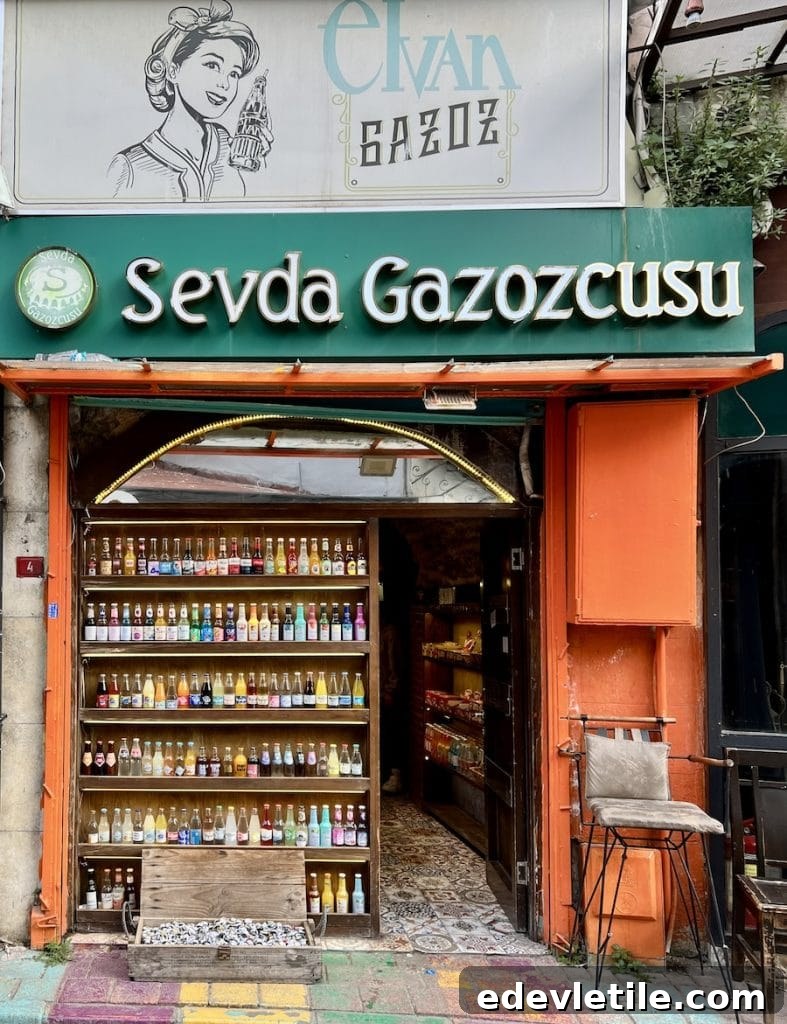
Go Back in Time at Balat’s Retro Shops
Balat preserves Old Istanbul charm in specialty stores: Sevda Gazozcusu offers dozens of regional gazoz flavors, while Balat Merkez Şekercisi has sold traditional sweets for over a century. Exploring these shops is like stepping back in time.
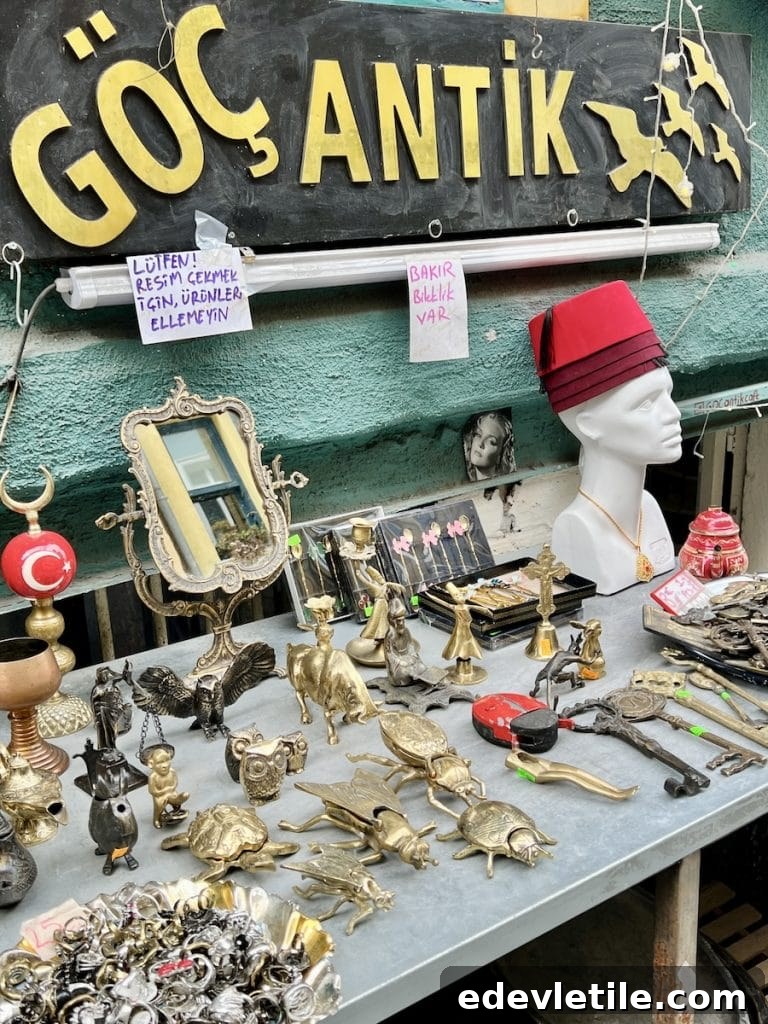
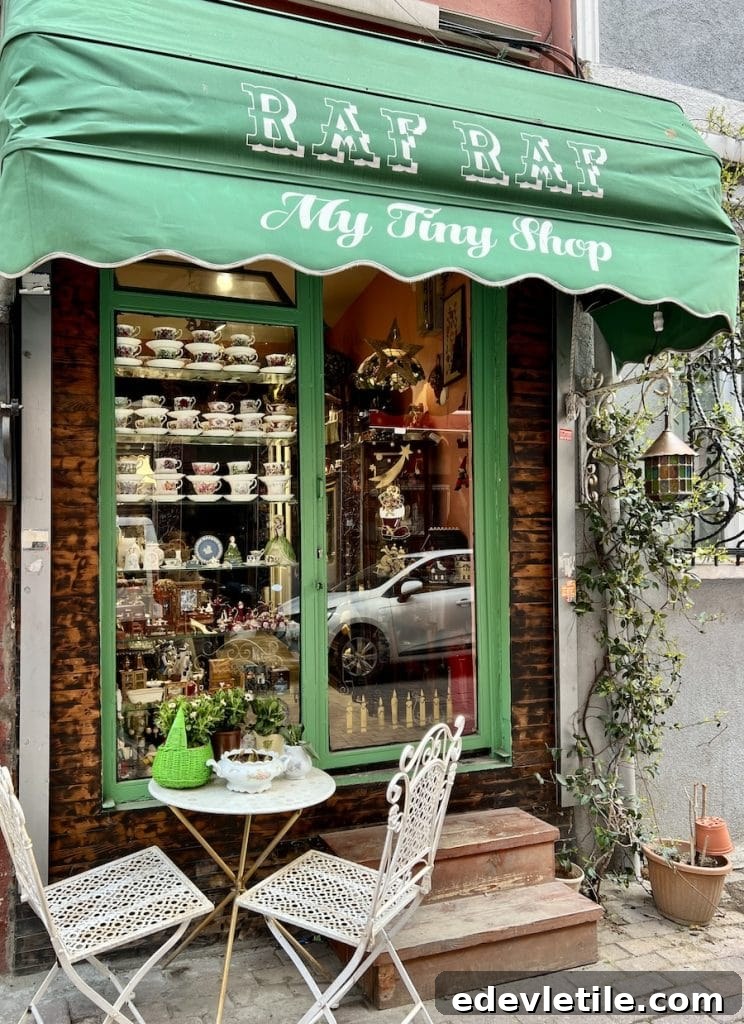
Go Antique Shopping in Balat
Balat is known for small antique shops filled with unique finds: Büyülü Fener, Göç Antik, Antik Sofra, Raf Raf, Kulis Vintage, and Hmk Dönence Plak are just a few. Whether you collect vinyl, ceramics, or vintage décor, browsing these stores is part of the neighborhood’s charm.
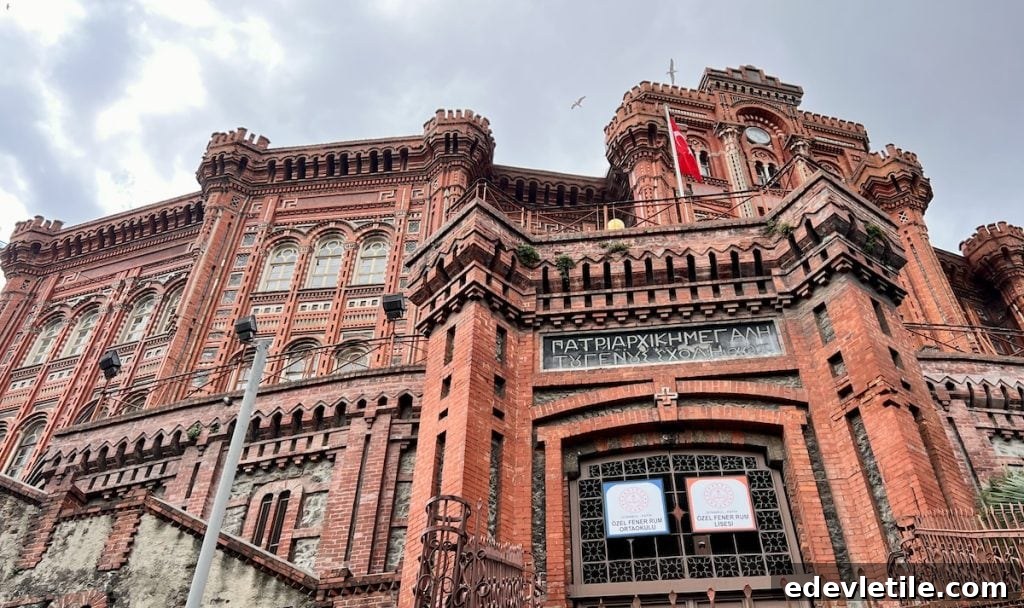
See the Phanar Greek Orthodox College
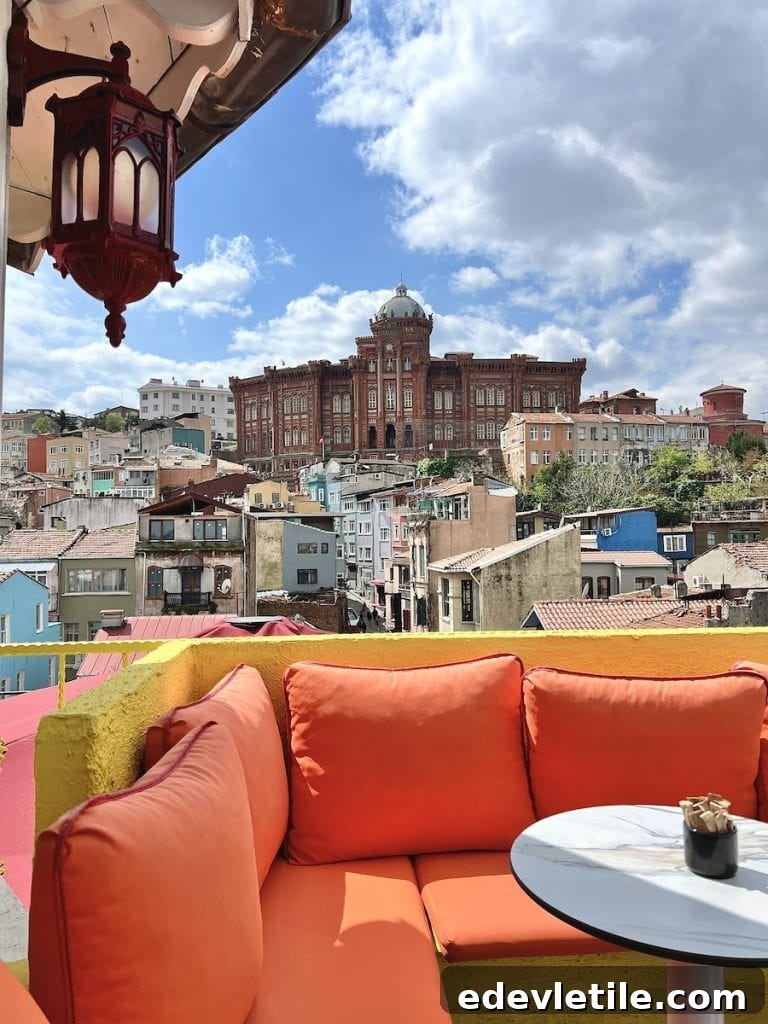
The striking red-brick Phanar Greek Orthodox College (often called the “Red Castle”) dominates the skyline and is a must-see from the outside. Built in 1881 with imported bricks and neo-Byzantine elements, the building is historically important and photogenic. It remains a functioning school and is generally not open to the public except on special occasions.
Check Out Balat’s Museums
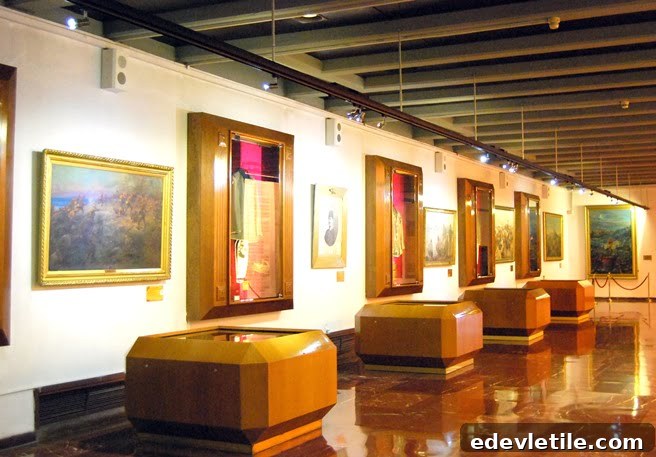
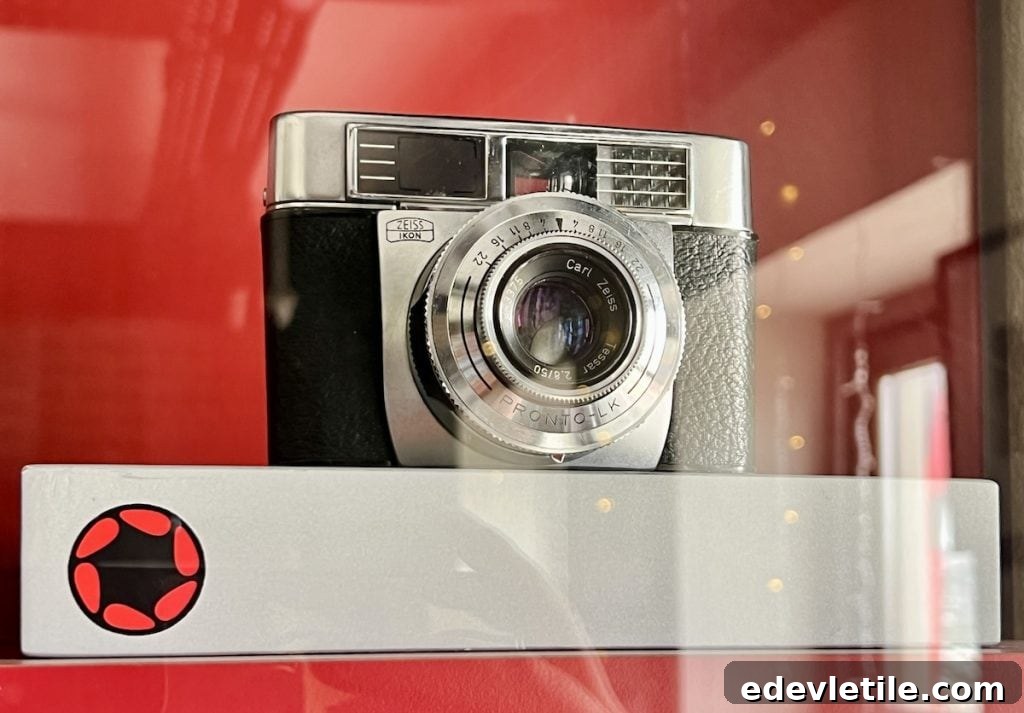
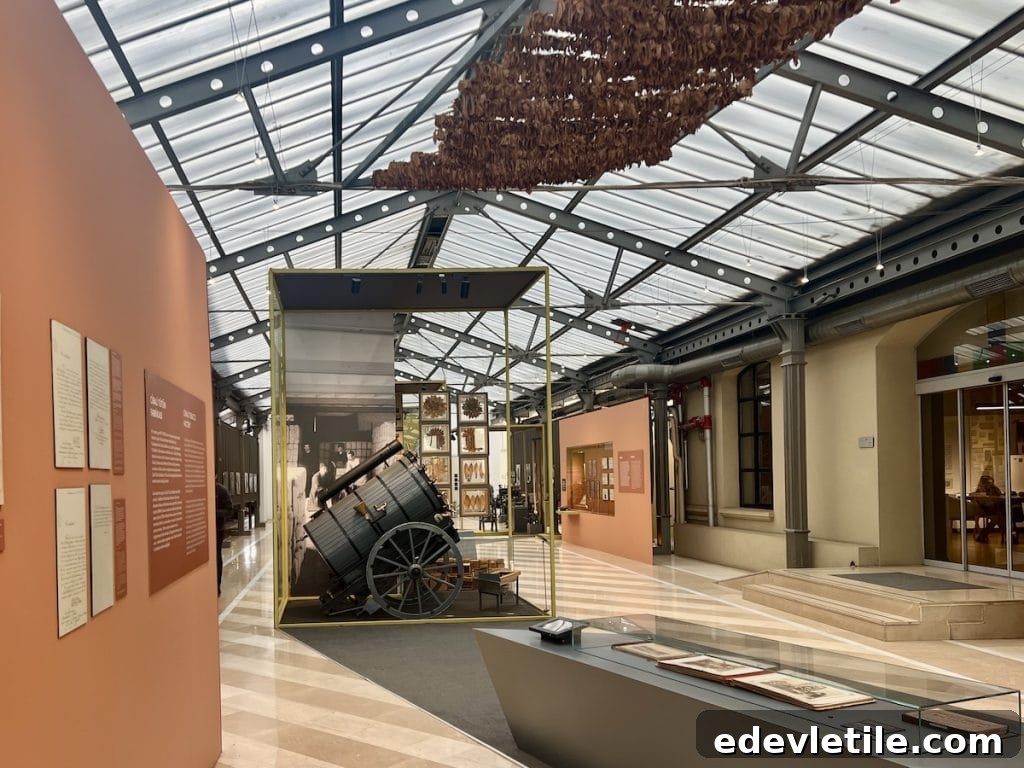
Balat offers several compact, rewarding museums: Haliç Sanat art houses, Rezan Has Museum (archaeology and local history), the Toy Museum, the Camera Museum, and the partially restored Palace of the Porphyrogenitus (Tekfur Palace). These are ideal stops to add variety to a walking day.
Visit Saint Stephen’s Orthodox Church
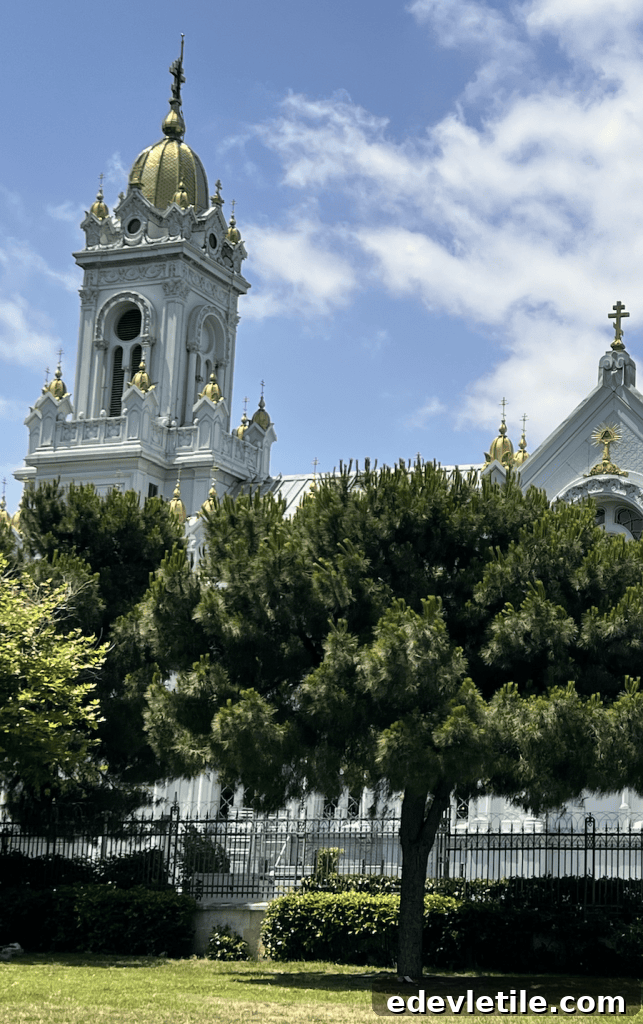
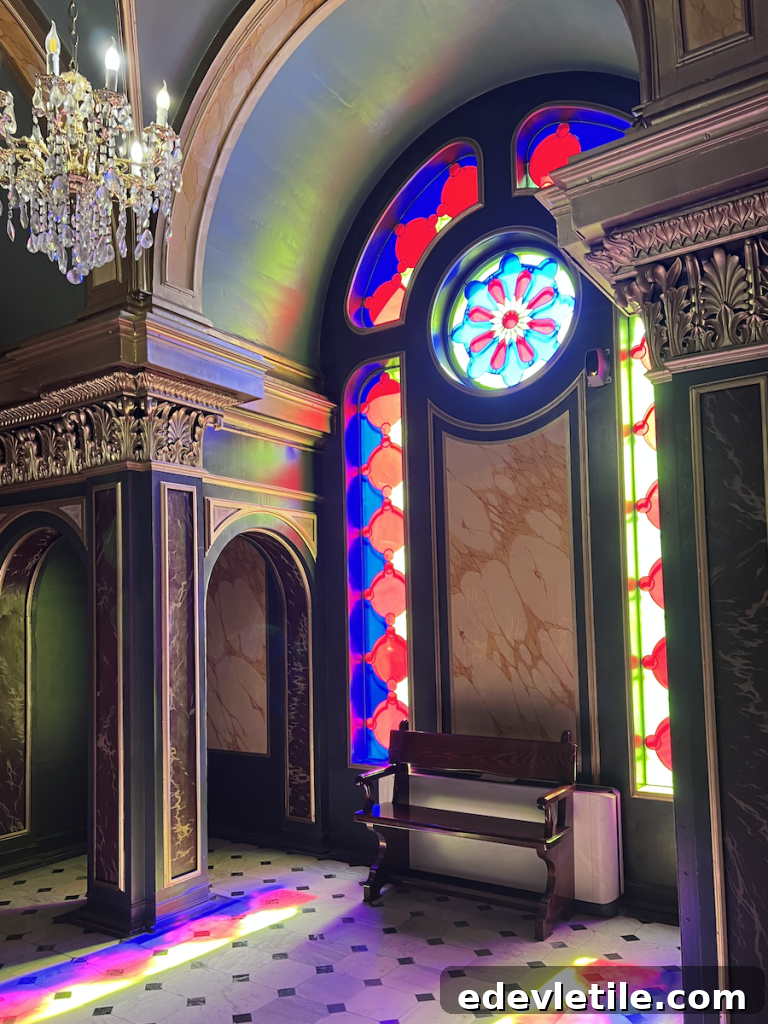
Saint Stephen’s, the Bulgarian Iron Church, is made from prefabricated cast-iron sections shipped from Vienna in the 1890s. Restored in recent years, its white exterior and stained glass interior are impressive; entrance is typically free and well worth a calm visit.
Discover the Spiritual Side of Balat
Balat contains important religious sites within a compact area: the Greek Orthodox Patriarchate (St. George), historic mosques such as Yavuz Selim, Armenian churches like Surp Hireşdagabet, and synagogues including the centuries-old Ahrida Synagogue. Some sites require advance arrangements or visits during service hours, but even exterior views tell the story of Balat’s multi-faith past.
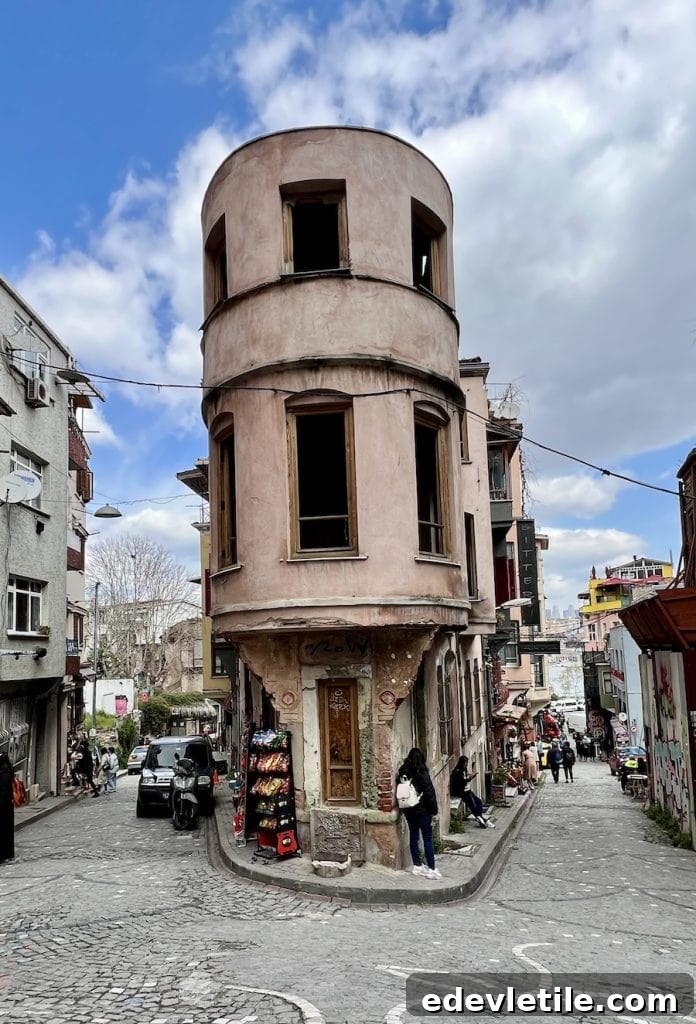
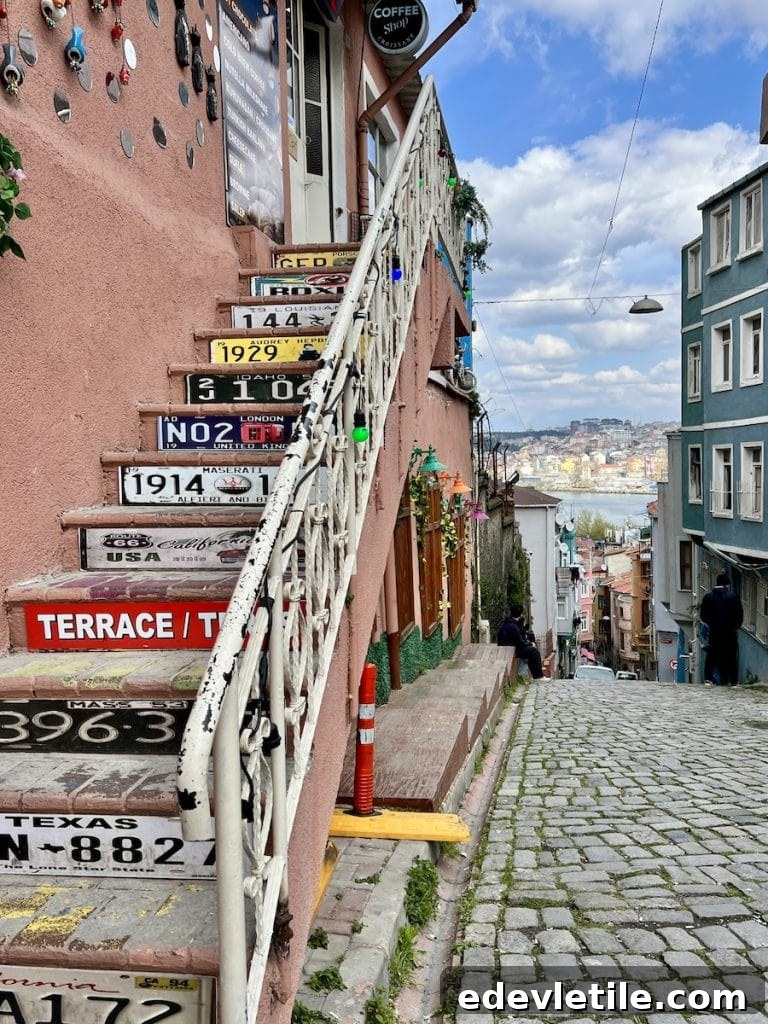
Take a Photo at Sancaktar Yokuşu
Sancaktar Yokuşu features a distinctive wedge-shaped building reminiscent of the Flatiron; it’s a popular architectural photo stop and sits conveniently en route to the colorful houses.
Merdivenli Yokuş Evleri (Houses with Stairway Slopes) are another cluster of pastel homes lining a steep cobbled street—charming, photo-friendly, and evocative of the neighborhood’s layered past.
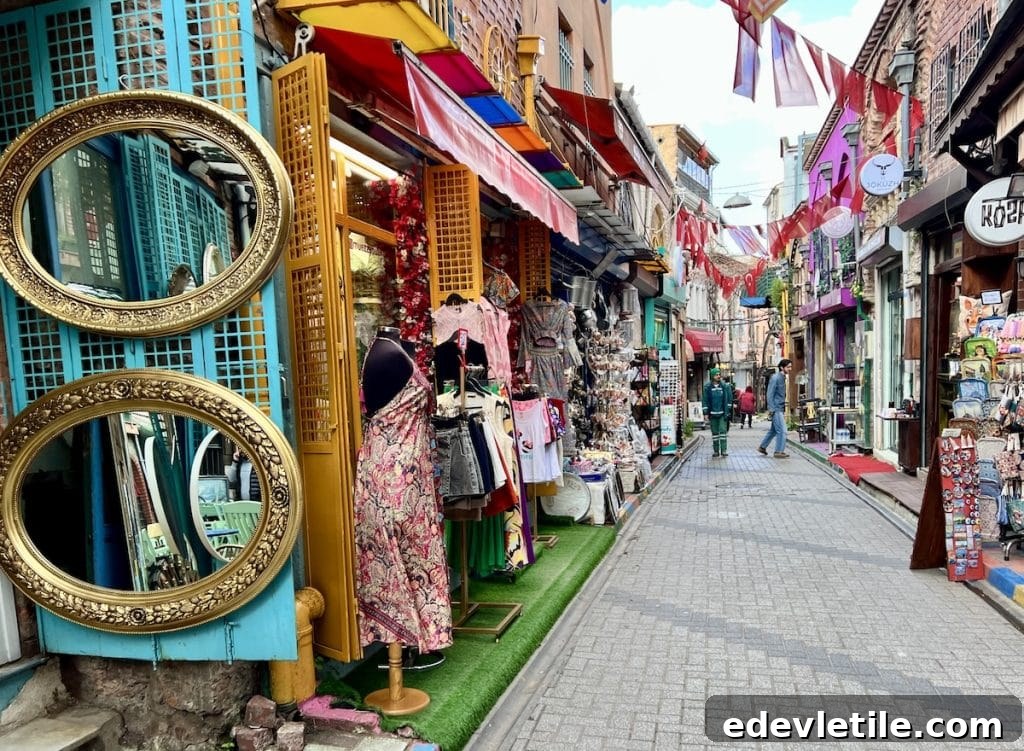
Browse the Storefronts at Çıfıt Bazaar
Çıfıt Bazaar and Leblebiciler Street have traded goods for centuries. Today you’ll find metalware, mirrors, antiques, tailored clothing, and pastries—some shops still preserve their historic interiors and methods.
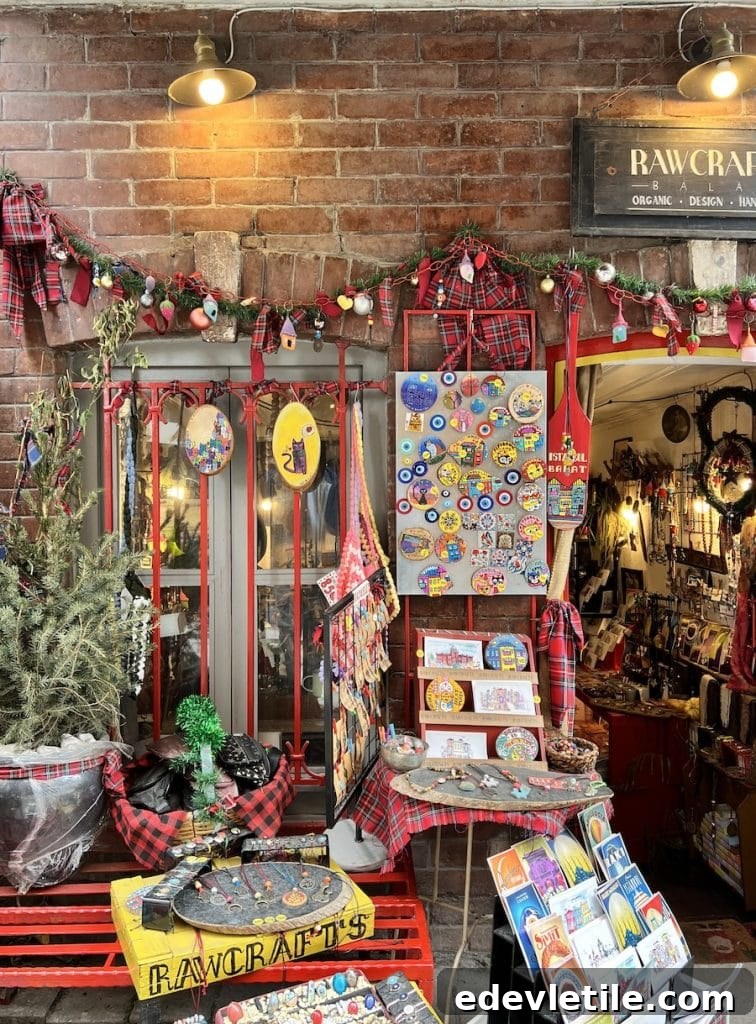
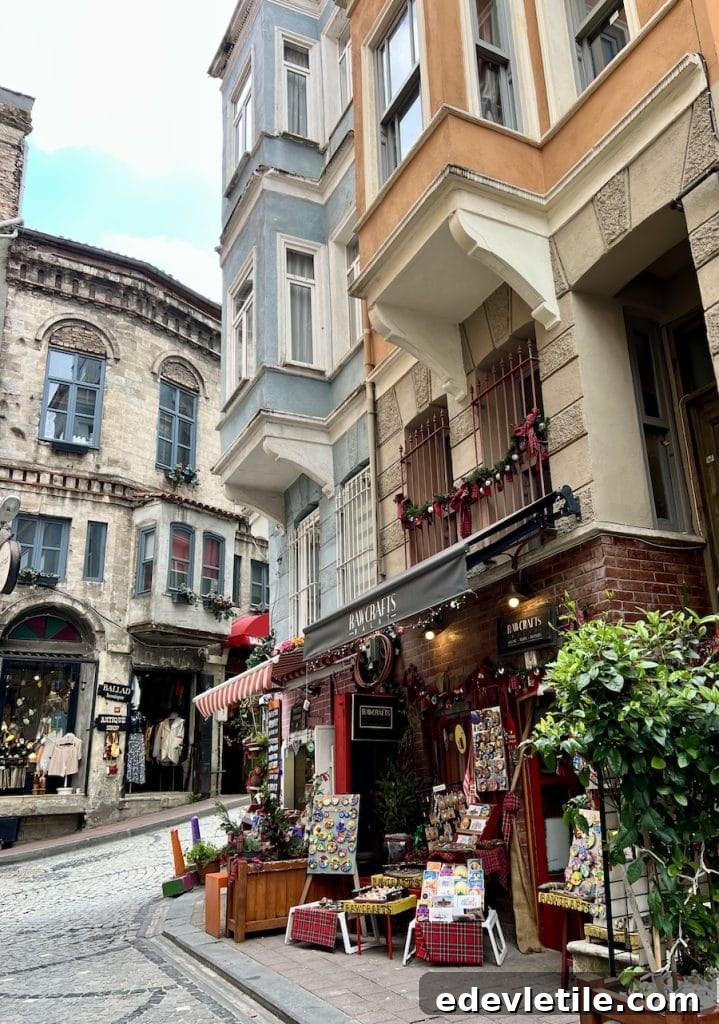
Shop at Cute Local Stores
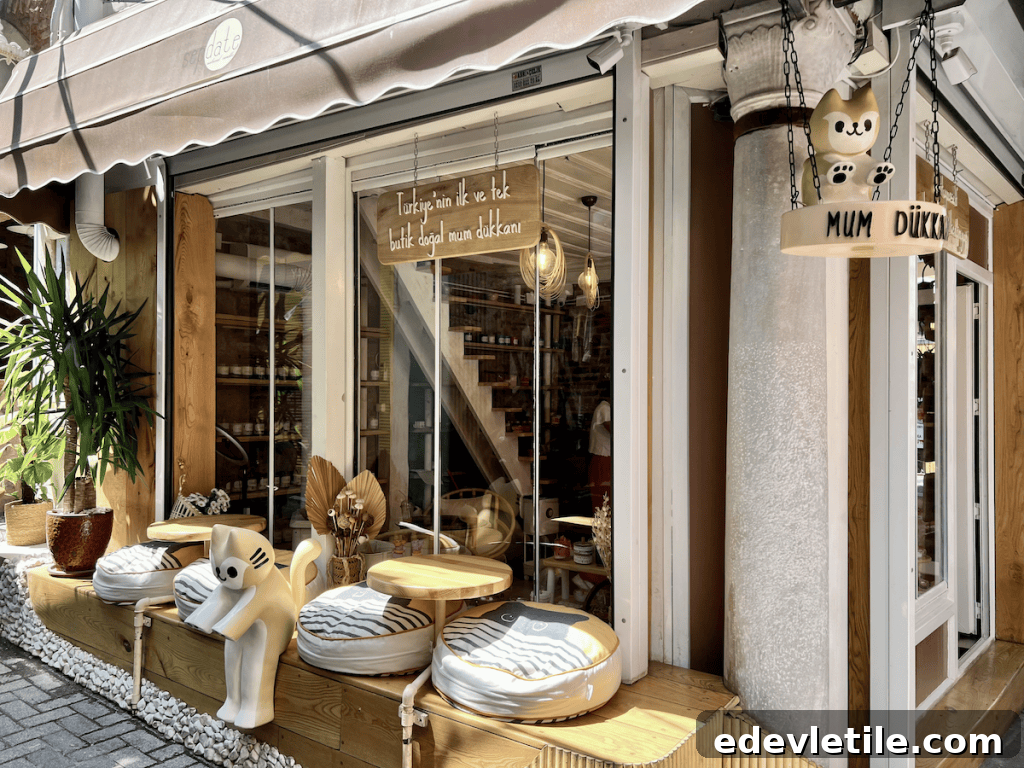
Pick up handcrafted souvenirs at Rawcraft, browse local artwork at Balat Sanat Evi, or buy handmade ceramics and workshops at ilitya ceramic studio. These shops support local makers and offer memorable keepsakes.
Walk Along Balat’s Coastline
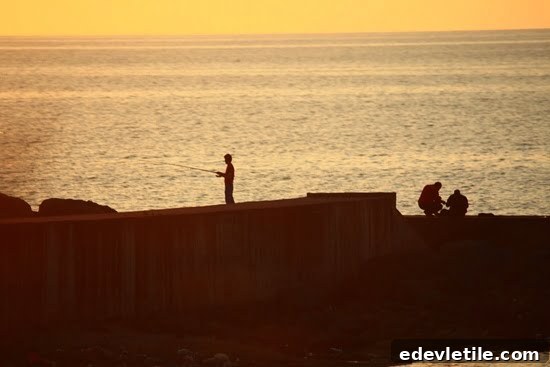
A calm stroll along the Golden Horn coastline reveals fishermen, small boats, and tranquil views. It’s a restful way to end a day of exploring and offers ferry connections and scenic perspectives of the neighborhood.
Where to Stay in Balat
Balat is a great base for travelers who want a more local, relaxed Istanbul experience. It’s close to Sultanahmet yet quieter than the main tourist districts. There are hotels, guesthouses, and character-filled apartments throughout the neighborhood—options vary from boutique stays to comfortable budget choices.
For curated recommendations, consider a separate list of top Balat accommodations to match your preferences and budget.
Where to Eat in Balat
Balat serves everything from traditional bakeries to modern coffee shops and waterfront meyhanes. Highlights to consider:
Happie Balat — Crepes and casual breakfast items in a cheerful setting.
Beatrice Chocolate Coffee — Homemade chocolates and a rooftop view that overlooks the Red School; the climb is rewarded with a lovely panorama.
Posa Coffee Roastery — A local favorite for serious coffee fans; expect quality pour-overs and single-origin options.
Coffee Department — Third-wave specialty coffee with a varied menu including cold brews and cortados.
Barba Vasilis Rum Meyhanesi — A nostalgic Greek-style tavern for meze and live music, ideal for an evening out.
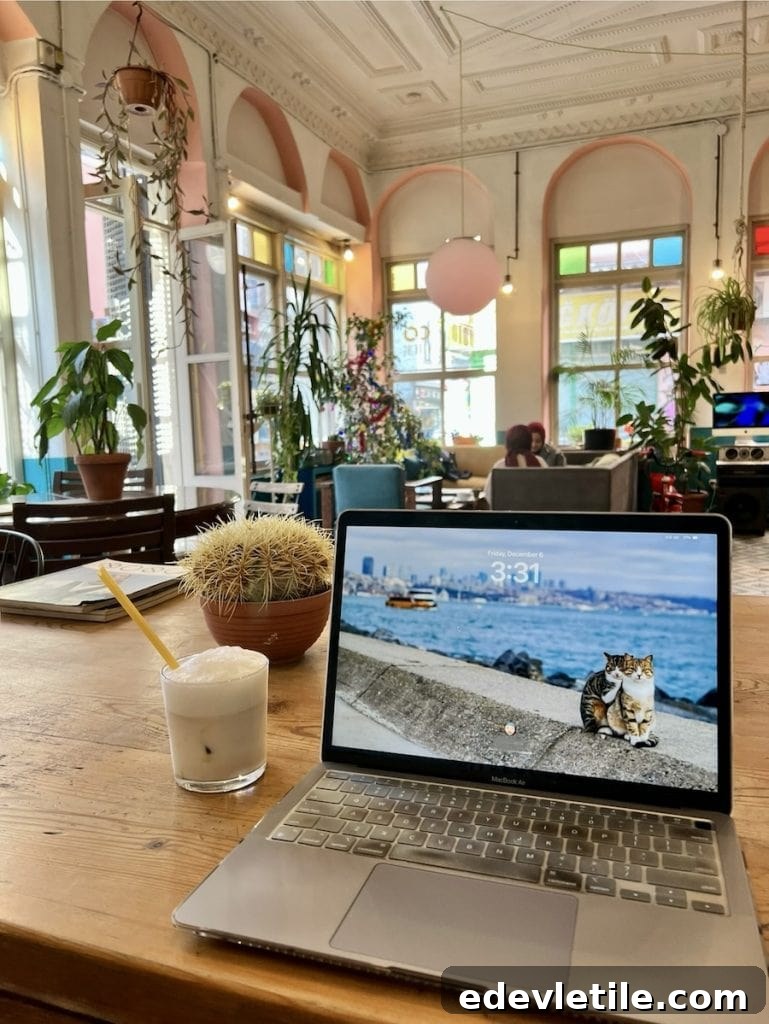
Pops Balat — Light-filled café with a solid all-day menu and relaxing atmosphere.
Evin Unlu Mamülleri — An historic bakery dating back to 1923, known for traditional crackers and baked goods.
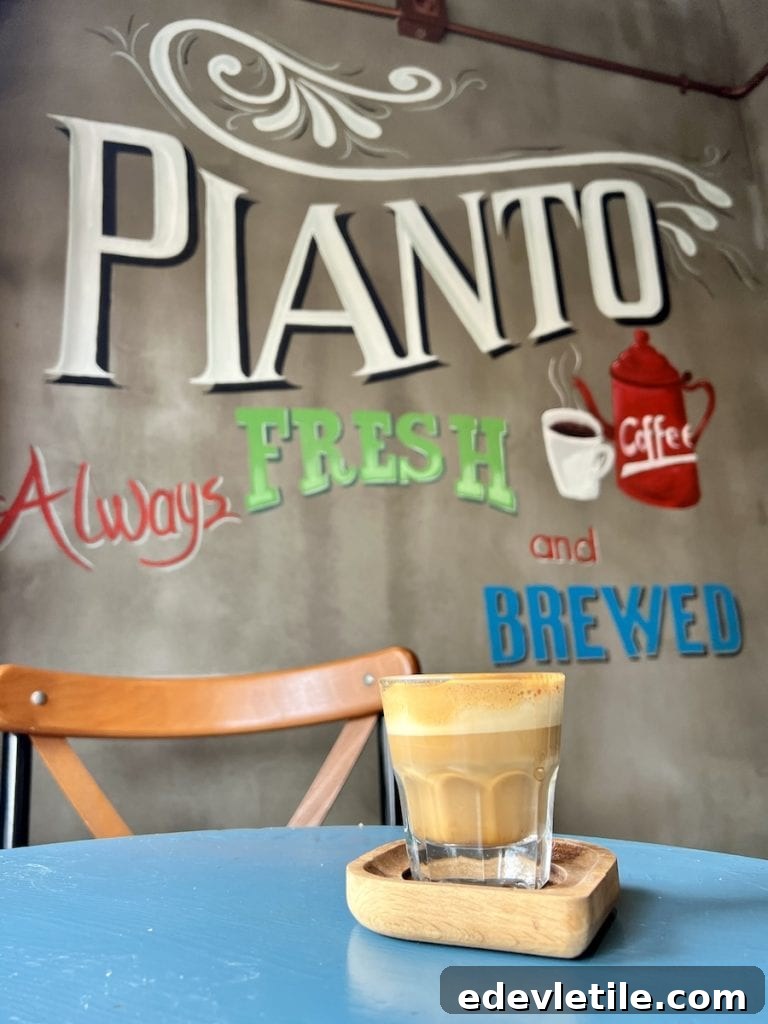
Pianto Coffee — Quiet spot with a terrace, great for strong cortados and a peaceful break.
Haliç Meze — Classic Turkish meze with a pleasant outdoor setting near the water.
Tips: Try a traditional Turkish breakfast to start the day, sample baklava or local pastries, and reserve dinner at a meyhane for a lively local experience if you enjoy live music and meze plates.
Balat Questions & Answers
Is Balat, Istanbul worth visiting?
Yes. Balat is a charming, colorful neighborhood with rich history, great cafés, antique shops, and photo-worthy corners—perfect for visitors who enjoy exploration at a relaxed pace.
How long should I spend in Balat?
At least half a day; ideally a full day to experience houses, markets, museums, and cafés without rushing.
How to spend a day in Balat?
Begin with a Turkish breakfast, wander to the colorful houses, stop for coffee on Yıldırım Caddesi, visit a museum or church, browse antique shops, and end the day at a waterfront meyhane.
What is Balat famous for?
Balat is known for its colorful Ottoman-era houses, multicultural history, antiques, street art, cafés, and historic religious buildings clustered along the Golden Horn.
Where to take pictures in Balat?
Top photo spots include the Colorful Houses on Kiremit Caddesi, the Rainbow Stairs, Sancaktar Yokuşu, Yıldırım Caddesi, and views from Yavuz Selim Mosque or nearby rooftops.
Where can I eat in Balat?
Yıldırım Caddesi hosts many cafés and restaurants. Favorites include local bakeries, specialty coffee shops, and traditional meyhanes—see the “Where to Eat in Balat” section above for recommendations.
Is Balat good for families or kids?
Yes. Balat is walkable, relaxed, and has family-friendly attractions like the Toy Museum and many open streets for strolling.
When is the best time of day to visit Balat?
Mornings on weekdays are best for quiet streets and photography; late afternoon offers golden-hour light but can be busier on weekends.