Istanbul Taxi Scams: 10 Common Tricks and How to Avoid Them

Taking a taxi in Istanbul is often the quickest and most convenient way to get around, but sadly not every driver acts in your best interest.
Taxi scams in Istanbul are common enough that travelers frequently share experiences on platforms like Tripadvisor and Reddit. This article outlines the most frequent scams, how to spot them, and practical steps to avoid becoming a target.
Read on for clear advice on recognizing scams, what to do if you’re targeted, how to report a driver, and additional tips for using taxis and public transport safely in Istanbul.
Common Taxi Scams in Istanbul
The Taxi Driver Gives You an Unofficial Tour (Taking the Long Way)
The scam: Drivers sometimes take unnecessarily long routes, pretend to get lost, or make detours to let the meter run up.
How to avoid it: Enter your destination in Google Maps and show it to the driver before you leave. Follow the route while you ride; most drivers will stick to the straightforward route if they see you’re tracking it. If a driver insists on a different route without reason, politely exit and take another taxi.

“The Bridge is Closed” and Other Excuses
The scam: Drivers claim a bridge or road is closed and force you to take a longer detour, increasing the fare.
How to avoid it: Most claims of sudden closures are false. If unsure, check an official traffic map or use Google Maps. If a driver insists without reasonable cause, ask to see evidence or find another taxi.
The Turkish Lira Switcheroo
The scam: A driver may try to switch your banknote for a lower-value bill to claim you underpaid. Some Turkish bills share similar colors, which makes this trick possible.
How to avoid it: Count out cash slowly and openly in front of the driver and hand it over deliberately. Familiarize yourself with Turkish banknotes before you travel so you can instantly recognize denominations.

Asking for the Fare in a Different Currency
The scam: A driver may demand payment in a foreign currency (euros or dollars) at a terrible exchange rate, rather than in Turkish lira.
How to avoid it: Always carry Turkish lira for taxi trips and insist on paying in lira. If a driver accepts other currencies, the rate will usually be unfavorable.
Not Having Exact Change
The scam: A driver claims he has no change after you hand over a large bill, effectively keeping your change.
How to avoid it: Try to pay with smaller bills when possible. If a driver says he has no change, ask to stop briefly so he can get change at a nearby shop; most times the driver already has change and will comply when asked.
Getting Into an Unofficial Taxi (Pirate Taxis)
The scam: Unlicensed or “pirate” taxis may offer an attractive upfront price but charge much more at the end. They are unregulated and both driver and passenger risk penalties.
How to avoid it: Use licensed taxis only. Official taxis display license plate numbers and taxi company logos. If a driver refuses to use a meter, decline the ride and choose another car.
Refusing to Use the Meter or “My Meter is Broken”
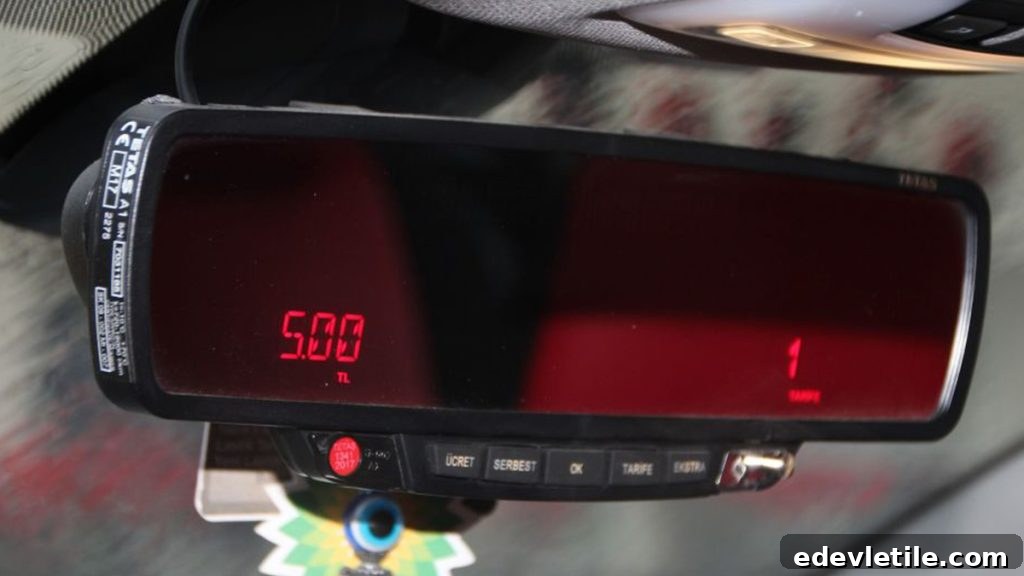
The scam: Some drivers say the meter is broken and ask for a negotiated cash fare, which often ends up higher.
How to avoid it: Politely exit the taxi and find another one. A functional meter protects you and there’s no benefit to accepting cash-only fares from a driver who declines the meter.
“Please Pay for the Way Back”
The scam: When crossing between the European and Asian sides drivers may ask you to cover their return tolls or insist on extra payment to return to their side.
How to avoid it: Consider using ferries or the Marmaray rail to cross the Bosphorus; these are cheap, scenic, and immune to taxi-related tactics. If taking a taxi, agree on terms before starting the trip.
Fake Meters
The scam: Some cars have tampered meters or a second meter set to charge higher rates for tourists.
How to avoid it: Check expected fares in advance using apps like BiTaksi or by researching typical prices. If a meter seems to start at an unusually high base or climbs suspiciously fast, stop the ride and find another taxi.
What To Do if You Were Scammed by a Taxi in Istanbul
If you realize you’ve been scammed, try to gather evidence while you’re still near the vehicle. Photograph the license plate, the driver’s ID card (usually displayed near the glove compartment), and the meter reading.
File a complaint with Istanbul Metropolitan Municipality. You can call 153 from a local SIM or submit a report and photos via the municipality’s complaint portal. You can also email the municipality with details and images. Reporting helps authorities track repeat offenders and protects other travelers.

How to Avoid Taxi Scams: Useful Travel Tips
Here are practical steps to reduce the chance of problems when using taxis in Istanbul:
🚕 Enter your destination into Google Maps before you get in and show it to the driver. Track the route during the ride.
🚕 Avoid hailing taxis directly in major tourist spots. Walk a short distance away from areas like Sultanahmet or Galata before calling a taxi, or use an app-based service. Drivers around key tourist zones are more likely to target unaware travelers.
🚕 Use public transportation when possible. Istanbul’s metro, trams, ferries, and buses are regulated and often faster or cheaper than taxis. They’re a reliable alternative and help you avoid taxi-related issues.
🚕 Tipping: Tipping isn’t required, but rounding up the fare or leaving a small tip for good service is common practice.
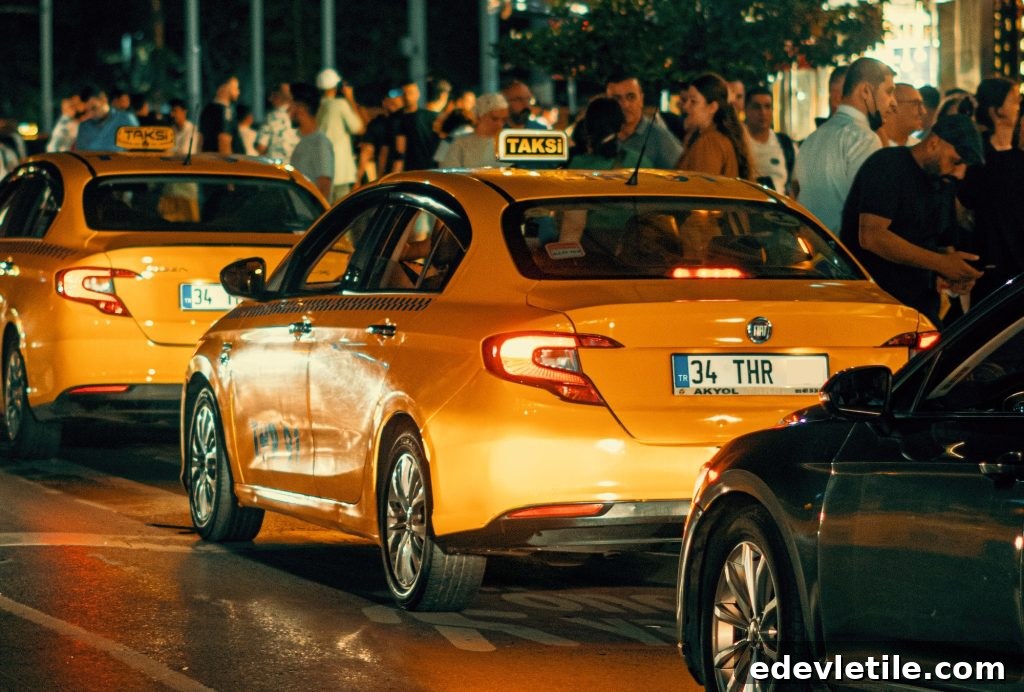
🚕 Types of taxis: Yellow taxis are the standard option. Blue/turquoise taxis offer a slightly more comfortable ride for a modest premium, while black taxis are luxury options and cost considerably more.
Photo credits: Featured image via Pooria Mirshekar | Bridge via Kübra D | Turkish Lira/USD/EUR via Ibrahim Boran