Chimaera’s Burning Flames: Myth, Meaning, and Origins
Travel guides often call the burning flames of Chimaera “fascinating” and list the eternal fire of Lycia as a must-see when visiting Antalya. Some writers describe a mystical atmosphere that captivated them; others emphasize the historical and natural intrigue of the site.
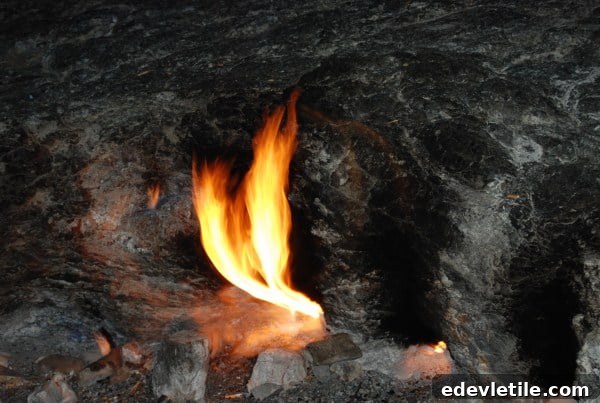
The flames emerge from fissures in the rocks of the Cirali mountains and have long been linked to the ancient Chimera myth—a fearsome hybrid creature said to breathe fire. For centuries sailors used the glowing vents as a coastal landmark while local stories about their origin varied widely. Scientifically, the phenomenon is explained by methane and other gases seeping from underground pockets and igniting at the surface, but the legend and spectacle still draw visitors.
I added Chimaera to my itinerary partly for the romance of the myth and partly because of the hype. After seeing it in person, however, my impression differs from many guidebook accounts.
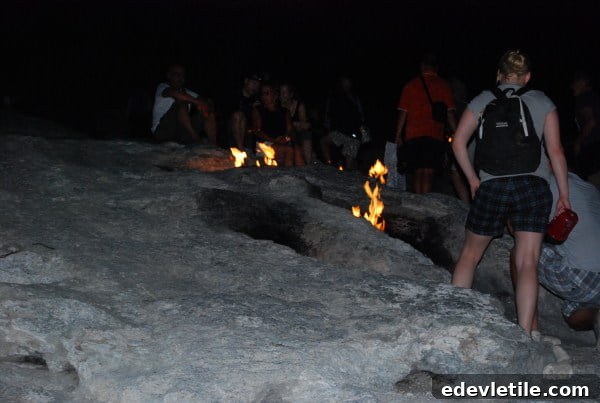
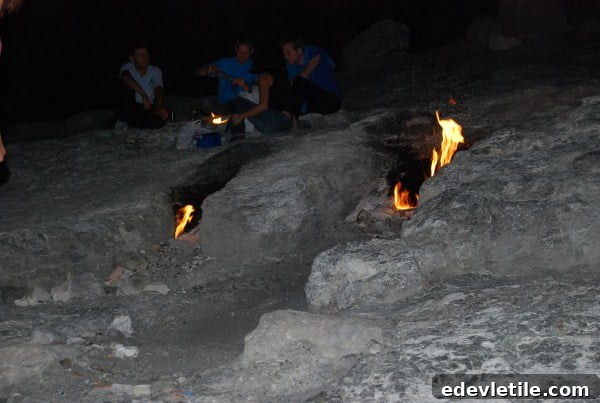
My visit convinced me the site is interesting but also overrated. Expectations shaped my experience: I’d imagined a dramatic, roaring inferno atop a mountain. What I found instead were scattered pockets of flame, some barely flickering, others more steady depending on conditions.
The burning flames of Chimaera are impressive in context, but for me they were the most disappointing stop on my solo tour.
Walking to the Flames of Chimaera
Visitors are commonly advised to bring a torch because the path to the flames is dimly lit at night. I would add that a bright, hands-free light makes the ascent much safer. The trail is roughly 800 meters of uneven stone with some exposed sections and no continuous barriers, so sturdy footwear and caution are essential.
The night I climbed, the air was hot and humid; sweat soaked my shirt and the effort of the climb, combined with the tarry smell from the vents, made the ascent physically demanding. By the time I reached the viewing area I felt exhausted and a little nauseous from the heat and fumes.
The flames themselves vary in height and intensity with atmospheric conditions such as barometric pressure, so visitors arriving on different nights will have different experiences. While I found the overall spectacle underwhelming given the effort required to reach it, others may be enchanted by the combination of history, myth and natural gas-fed fire.
If you want a more atmospheric experience, choose a night with calm weather and bring a bright light and water. Keep in mind the site is a natural phenomenon fed by gas emissions; it is not a theatrical display. Approach it with realistic expectations: the flames are intriguing and photogenic at times, but reaching them requires effort and a tolerance for strong smells and uneven terrain.
Readers’ question: Have you visited the burning flames of Chimaera? If so, how did your experience compare?