Deyrulzafaran Monastery, Mardin: Visiting Tips and What to Expect
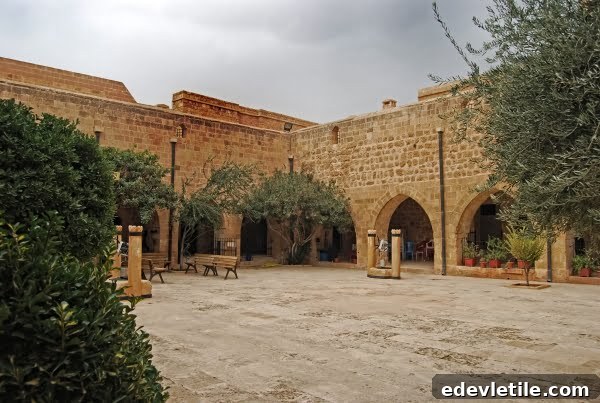
Deyrulzafaran Monastery is often overlooked in mainstream guides to Turkey, yet it is an essential visit when exploring the Mardin region. Founded in 493 AD for Syriac Orthodox (Assyrian) Christians, the monastery — also known as Mor Hananyo or the Saffron Monastery — served as the patriarchal seat of the Syriac Orthodox Church until 1932.
I was keen to visit, and after checking a map I learned the monastery sits on the edge of Mardin in the region called Tur Abdin. At the taxi stand, drivers insisted there was no public transport to Tur Abdin and urged us to take a taxi. I was ready to pay the fifty lira they quoted for a return trip — I prefer the easiest option and don’t mind spending a little for convenience.
My husband, however, wanted to save money and insisted we try cheaper transport. That choice led to one of the most challenging journeys I’ve experienced.
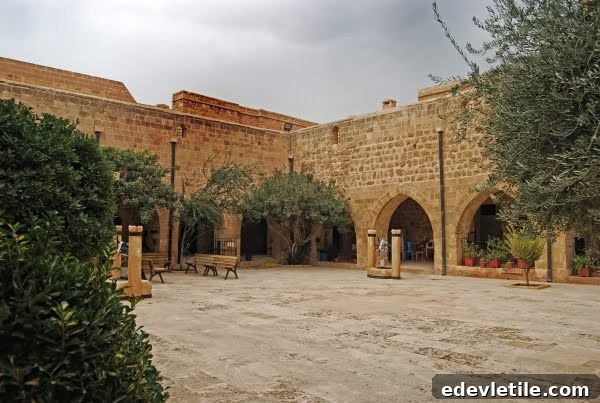
Getting to Tur Abdin
A lively young boy working in a tea shop opposite the taxi stand assured us that public transport did go to Tur Abdin. He told us to get off at Sehir Ici and said the monastery was only a 600-metre walk from there. Trusting his directions, we boarded the bus, though I still wondered why the taxi drivers had said otherwise.
About twenty minutes later we were dropped outside a prison. We turned left and started walking, and soon saw a sign — but not the 600 metres promised. The monastery was actually about 4 km away.
As a heavy smoker, I can usually manage 2–3 km before getting breathless. I also habitually carry bottled water for long walks; this time I hadn’t. I can understand how language confusion could lead to a mix-up between 600 metres and 4 km, but I couldn’t believe my Turkish-speaking husband had been misled, and I erupted in frustration.
After calming down with a few cigarettes, we decided to continue. The monastery was visible in the distance and we followed a long, winding road that rose and fell over hills. My throat was dry, my legs ached, and despite walking for a long time, the building seemed to stay the same distance away.
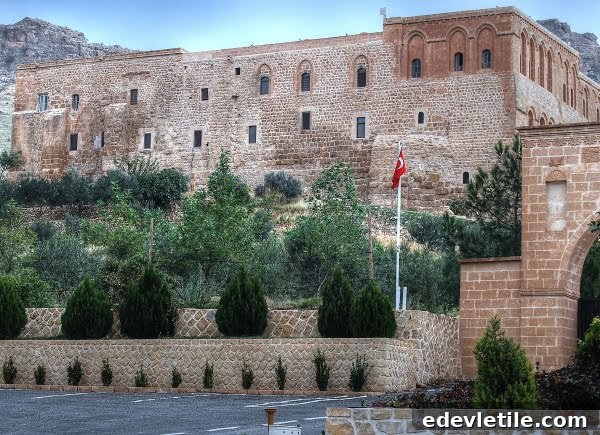
No buses came, and the few cars that passed did not stop. There were no shops, cafés, or restrooms along the way. The situation felt increasingly risky and irresponsible. My husband was also visibly strained, and our tension grew. Just as I was close to tears and considering desperate measures, a car pulled over and offered us a lift.
I felt immense relief and gratitude. At that moment it felt like fate had intervened — the timing could not have been better, and the ride saved us from breaking down.
Touring Deyrulzafaran Monastery
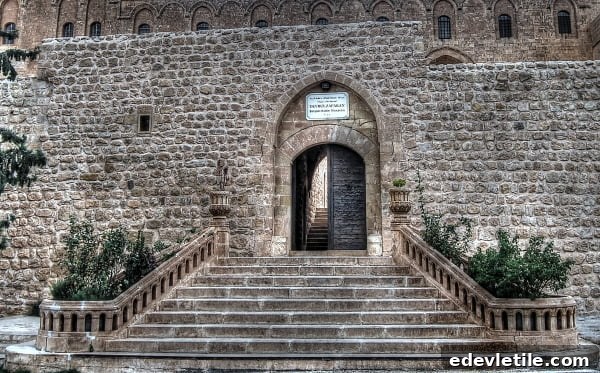
When we arrived, the monastery was closed for lunch. After a thirty-minute wait and a 5 lira entrance fee, we were allowed inside — but only as part of a guided group, since independent wandering isn’t permitted.
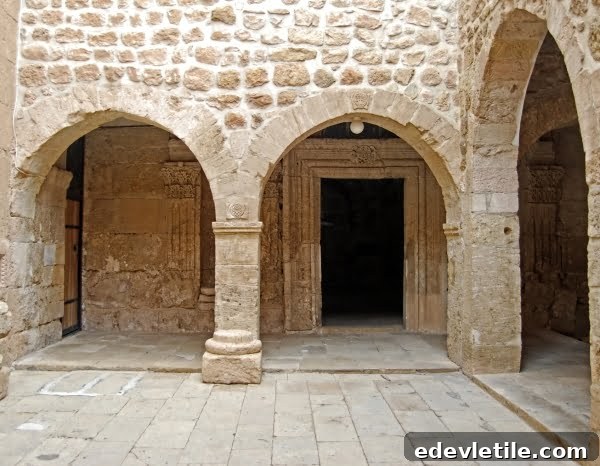
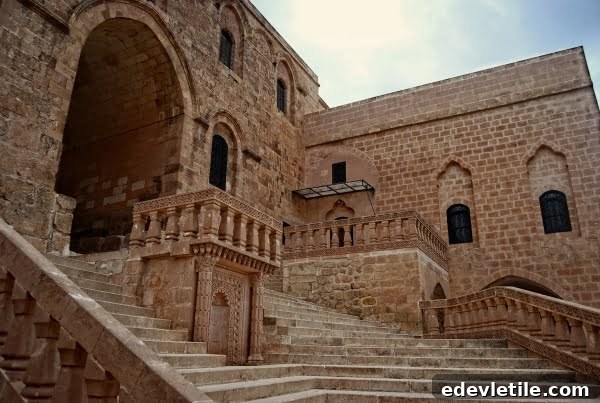
Although the complex underwent restoration in 2007 and looks imposing from the outside, only certain rooms are open to visitors, so a complete visit generally takes about an hour.
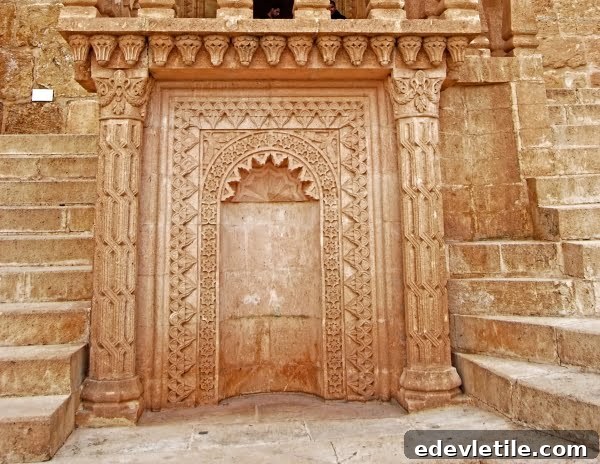
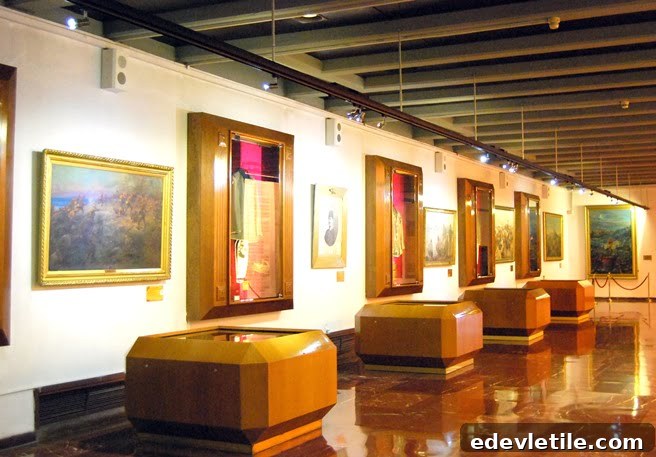
For a building that dates back to the fifth century, its condition is remarkable. On display are ancient Bibles and a cellar that was once used by worshippers when the site served as a sun temple.
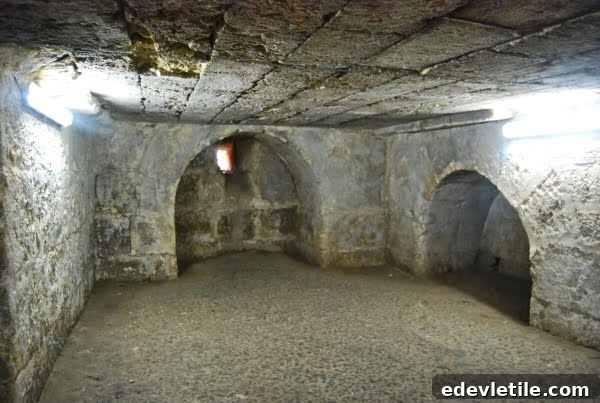
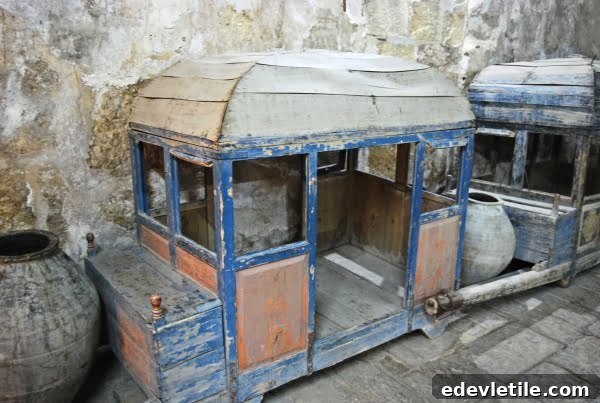
A sacred chamber houses sarcophagi of former patriarchs, and elsewhere in the tour visitors can see the carriages in which patriarchs were once carried. These features vividly illustrate the monastery’s religious and historical significance.
Being stranded far from services and transport is not an experience I plan to repeat. My practical advice for anyone planning to visit Deyrulzafaran is to avoid relying on buses unless you are prepared for a lengthy walk. Consider hiring a taxi or arranging transport in advance to ensure a smoother visit.
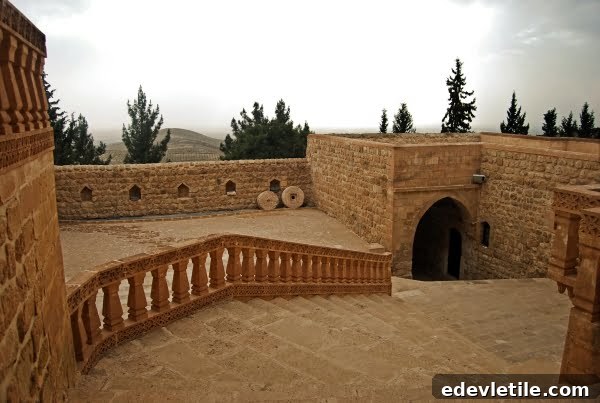
Deyrulzafaran Monastery is a unique cultural and historical site. Despite the difficult approach, the architecture, artifacts and atmosphere make it a rewarding stop for anyone exploring Mardin and Tur Abdin.
[wp_geo_map]