Keslik Monastery: Exploring Its History and Spiritual Legacy
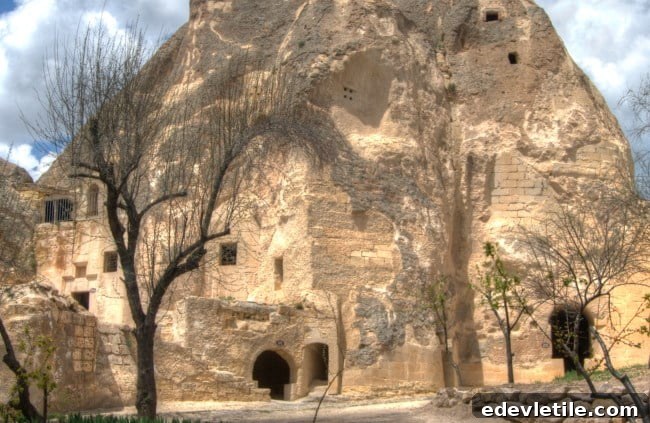
Despite my familiarity with Turkey, I had never heard of Keslik Monastery until I joined a Blue Tour of Cappadocia. The Blue Tour, which wasn’t available on my previous visit, is designed for repeat travelers who have already seen the main sights. Keslik Monastery is genuinely off the beaten path and barely mentioned in my guidebooks.
About Keslik Monastery
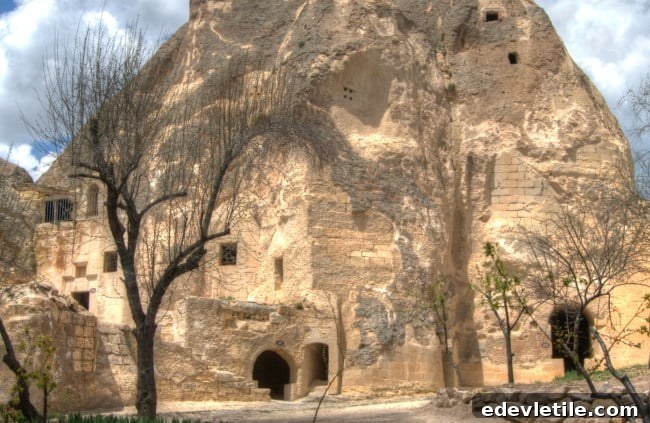
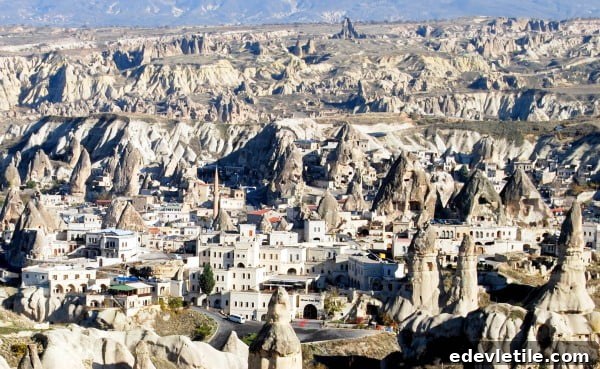
Situated near the tranquil village of Mustafapaşa, Keslik Monastery dates roughly from the 7th to the 13th century. Our guide explained its history well, but what struck me most was the calm atmosphere that surrounds the complex. The site includes around 14 rock‑carved churches, kitchens, sleeping quarters and hermit caves hewn by monks, and walking through these spaces felt unexpectedly peaceful.
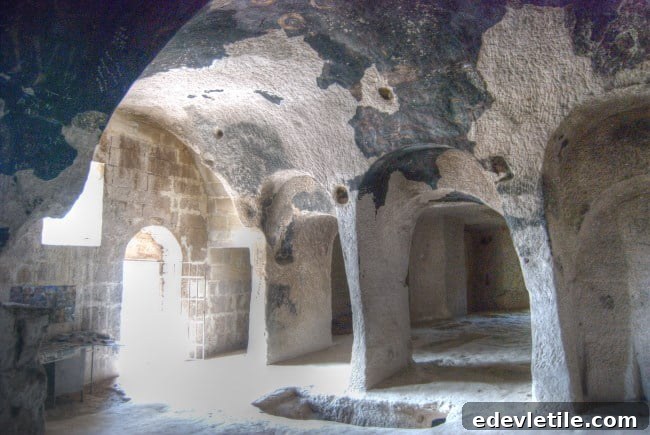
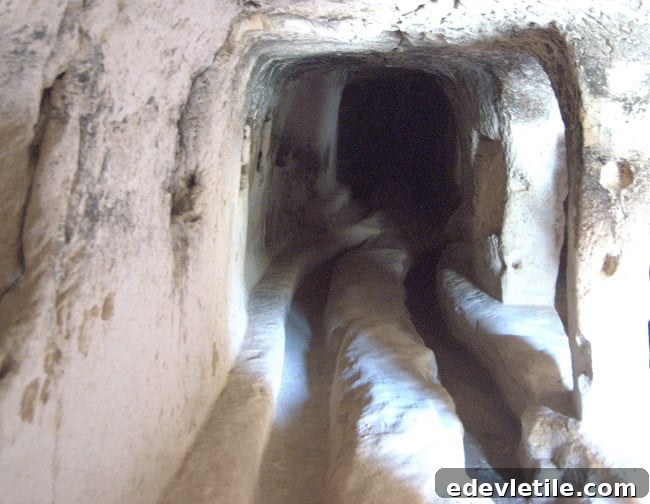
In places like the refectory, where monks would have shared meals at stone tables and benches, it’s easy to imagine daily life unfolding in a slow, contemplative rhythm. Many doorways are low and require bending to enter; whether that reflects the stature of the builders or simply practical choices, it adds to the sense of intimacy in the complex.
Call me sentimental if you wish, but there was a distinct sense of quiet and purification about the place. Whether that feeling comes from the memory of the people who once lived here or from the site itself, visitors attuned to spiritual or religious spaces will recognize it immediately.
The Intricate Frescoes
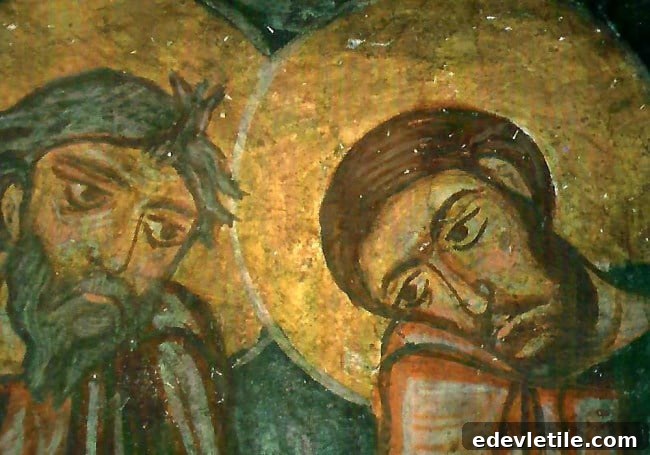
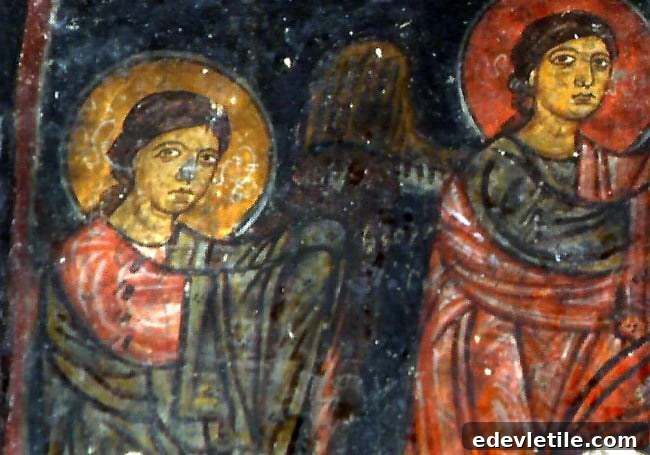
Frescoes were essential in monasteries because many people in earlier centuries were illiterate. Painters and religious leaders used wall and ceiling paintings to convey biblical stories and lessons visually. At Keslik, the frescoes have suffered wear over time but restorers and archaeologists have worked hard to preserve them, making many scenes still clearly visible.
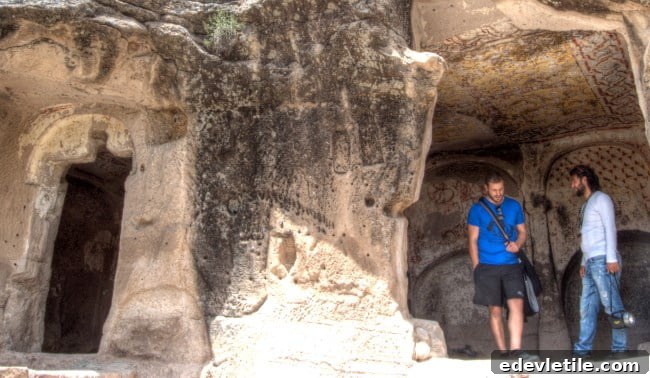
Inside Aziz Stephanos Church, the frescoes are particularly notable. Rather than strictly biblical narratives, some of these paintings illustrate everyday rural life—farming and agricultural scenes that reflect Cappadocia’s long history as an agrarian landscape.
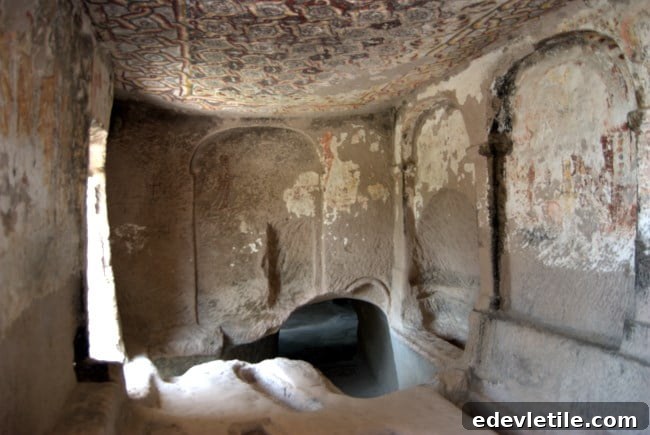
Our guide, Yücel, pointed out artistic details that reinforce stories. For example, some frescoes show every figure with a halo except for Judas, visually marking him as the traitor. Such choices helped illiterate worshippers understand religious narratives and moral lessons.
My indoor photography didn’t capture the frescoes as well as I hoped, so I bought postcards at the site. They may seem like a touristy purchase, but the scanned postcards reproduce the frescoes beautifully and preserve the detail I couldn’t get on-camera.
1: The Entombment of Isa (The burial of Jesus after his crucifixion)
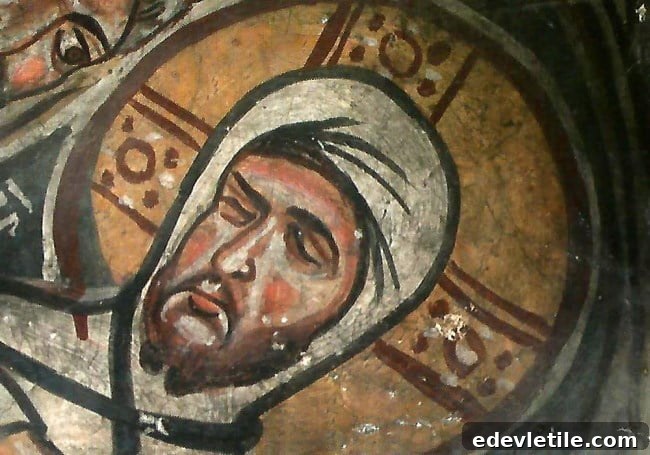
2: Two Apostles
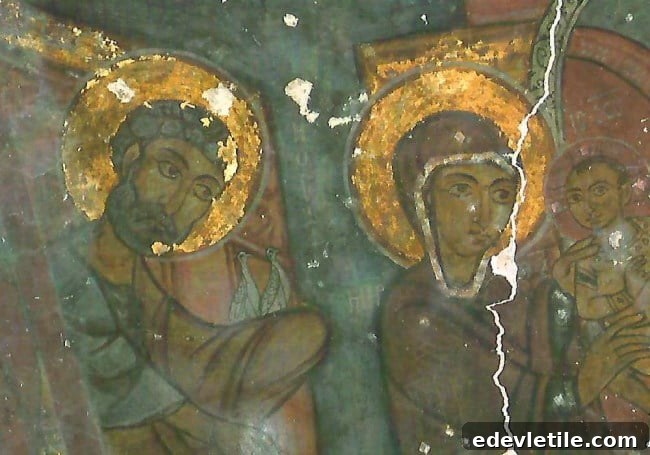
3: Presentation into the Temple
4: The Two Angels
PS : The monastery is a remarkable site, and my visit was greatly improved by our local guide, whose knowledge and clear English made the history and details come alive.
Image credits for four frescoes: Tolga Uyar. Names taken from the postcards.