Ramadan Traditions and Celebrations in Turkey: A Local Guide

Ramadan in Turkey can seem unfamiliar to travelers who have not visited during this holy month. Ramadan—also called Ramazan—is the Islamic month of fasting, when observant Muslims refrain from food and drink from dawn until sunset. How Ramadan affects your trip largely depends on where you are in Turkey: big coastal resorts and cities often stay lively, while rural and conservative areas change pace noticeably.
Day-to-Day During Ramadan in Turkey
I live on the Aegean coast in a resort town called Altinkum. This area sees a lot of foreign visitors and international influence, so daily life here rarely feels different when Ramadan starts. Many restaurants remain open and bars continue to serve alcohol. In tourist-oriented places you may need to ask locals if they are fasting — many of them are not. To observe more pronounced changes you would usually need to venture off the main tourist routes into smaller neighborhoods and traditional businesses.
Ramadan Falls at a Different Time Each Year
Because the Islamic calendar is lunar, Ramadan shifts about ten days earlier each year in the Gregorian calendar. When Ramadan fell in winter several years ago, the resort was quieter and fasting seemed more widespread, partly because fewer people were working. Reasons for not fasting vary by age, occupation, health, and personal belief.
In summer months, when temperatures can climb into the 40s Celsius, fasting is particularly challenging for those who work outdoors or in tourism: drivers, boat crews, guides and restaurant staff all face long, hot days. In many tourist resorts these workers still serve visitors, but you may notice them conserving energy during daylight hours.
If you are staying in a typical holiday resort during Ramadan in Turkey, chances are you will hardly notice the start of the month. One local tradition you might hear is a drummer who walks through the streets before dawn to wake people so they can eat the pre-dawn meal (sahur). I set my alarm some mornings to photograph the drummer, though often I admit I slip back under the covers.

Rural and Traditional Areas
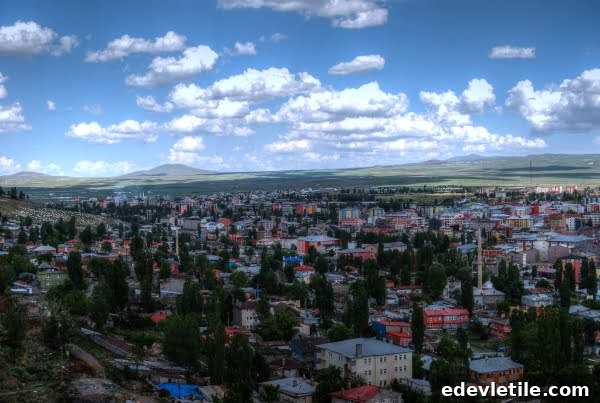
If you travel to rural or more conservative regions of Turkey, you will encounter many more people who observe the fast. Their daily rhythm changes: people may appear tired or quieter during daylight hours as they conserve energy, and activity often picks up an hour or so before sunset as families prepare for iftar, the evening meal that breaks the fast. Shops may close temporarily so owners can attend mosque or pray, and some individuals excuse themselves to pray in private. During Ramadan many people also spend more time reading the Quran and engaging in religious observance.
The end of Ramadan is marked by a holiday called Şeker Bayramı (Sugar Festival), which lasts several days. During this period many offices, workplaces and small shops close so people can celebrate with family; however, restaurants and bars in tourist areas typically remain open to accommodate visitors.
Overall, traveling in Turkey during Ramadan can be a smooth experience in coastal resorts and major cities, while trips to smaller towns and rural districts will give you a more traditional and reflective glimpse of the holy month. If you have traveled in Turkey during Ramadan, consider what you noticed and how it affected your plans—every region offers a different experience.