Turkish Aegean Travel Guide: Top Destinations, Local Eats & Tips
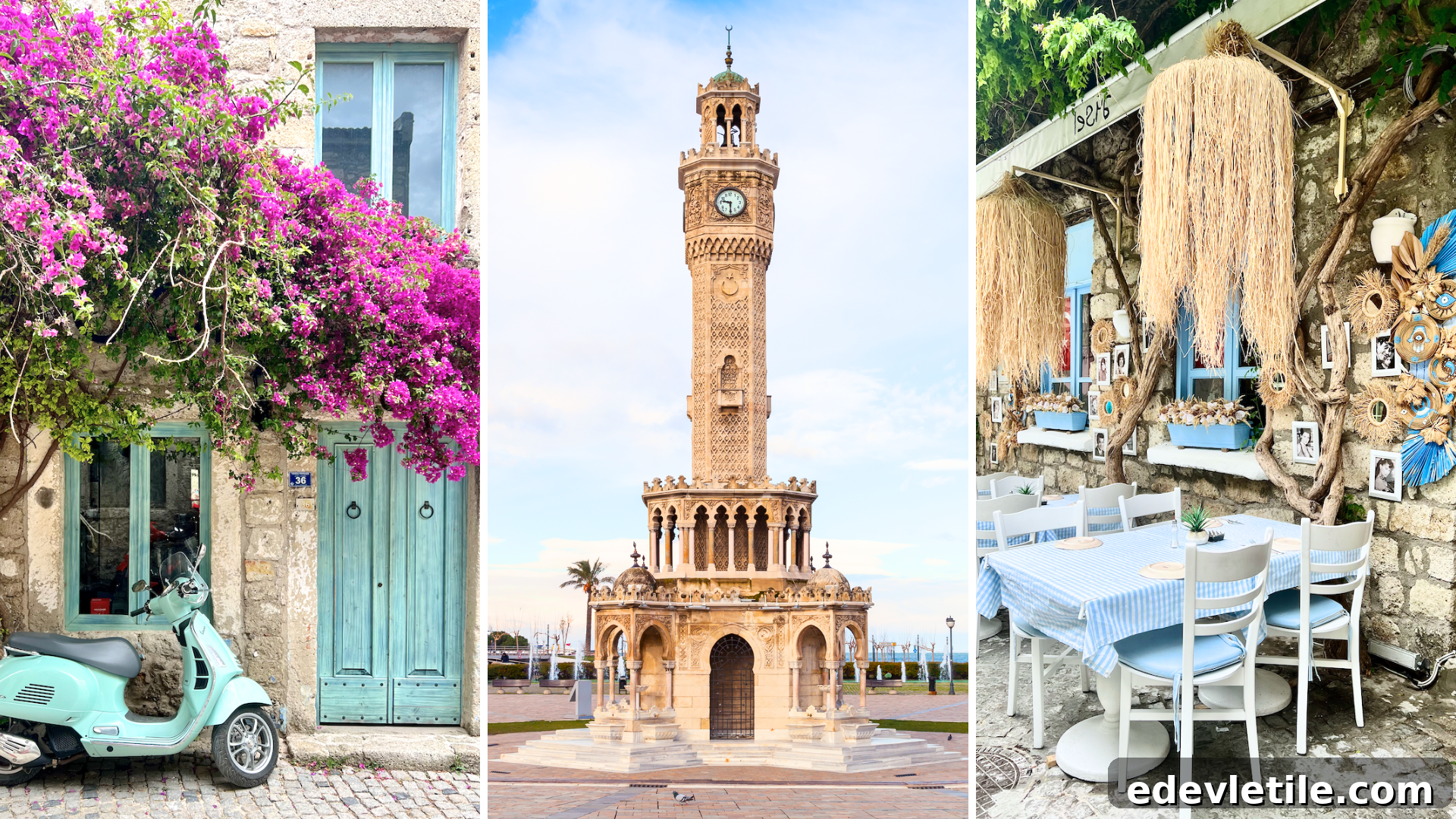
Planning a trip to Turkey’s Aegean coast? You’re in the right place. Whether you want to explore ancient ruins, savor fresh meze, or unwind by the sea, this Turkish Aegean travel guide will help you build a practical, enjoyable itinerary.
Stretching roughly 2,800 km along Türkiye’s western shoreline, the Aegean region is beloved for its relaxed villages, vineyard-covered slopes, archaeological treasures, and abundant beaches. From lively harbor towns to quiet inland villages, the region offers a variety of experiences for every traveler.
We’ve traveled extensively across the Aegean—from the hills of Şirince and the shores of Datça to repeated visits to Ephesus—and compiled practical advice on where to go, how to get around, what to eat, and the must-see spots. Use these tips to plan either a short break or a longer road trip along the Turkish Aegean.
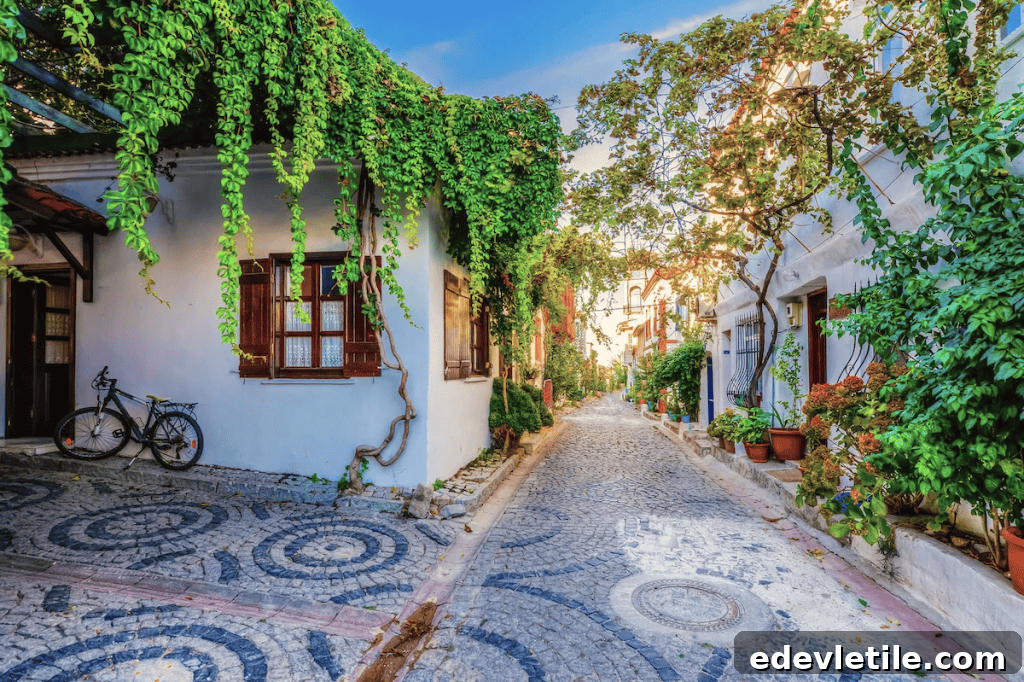
What to Know Before Traveling to the Aegean Region
Where is Türkiye’s Aegean Region?
The Aegean Region (Ege Bölgesi) runs along Türkiye’s western coast, bordering the Aegean Sea. It starts south of the Dardanelles near Çanakkale, passes İzmir, Aydın, and Muğla, and gradually blends into the Mediterranean near Marmaris. With about 2,800 km (1,740 miles) of coastline, it’s Türkiye’s longest coastal region.
The region includes key provinces such as İzmir, Muğla, Aydın, Manisa, Uşak, Kütahya, Afyonkarahisar, and Denizli, with parts of Balıkesir, Bilecik, Bursa, Çanakkale, and Eskişehir also falling inside the Aegean area. Expect Greek-influenced architecture, olive-covered hills, and plenty of relaxed coastal towns.
Best Time to Visit the Turkish Aegean
Seasonality matters for weather, crowds, and activities. Here’s a quick overview:
Spring (March–May): Mild, blooming countryside, and fewer crowds—ideal for visiting archaeological sites and strolling towns like Alaçatı and Ayvalık.
Summer (June–August): Peak season for beaches, sailing, and festivals. Expect hot weather and busy spots like Bodrum and Çeşme—book early if traveling now.
Autumn (September–November): A favorite season—sea temperatures remain pleasant, crowds thin, and harvest events like wine tastings and olive festivals begin.
Winter (December–February): Quieter, more affordable, and perfect for exploring cultural sites without crowds. Coastal towns are calmer though İzmir stays active year-round.
Why Visit the Aegean Region in Türkiye? What makes it unique?
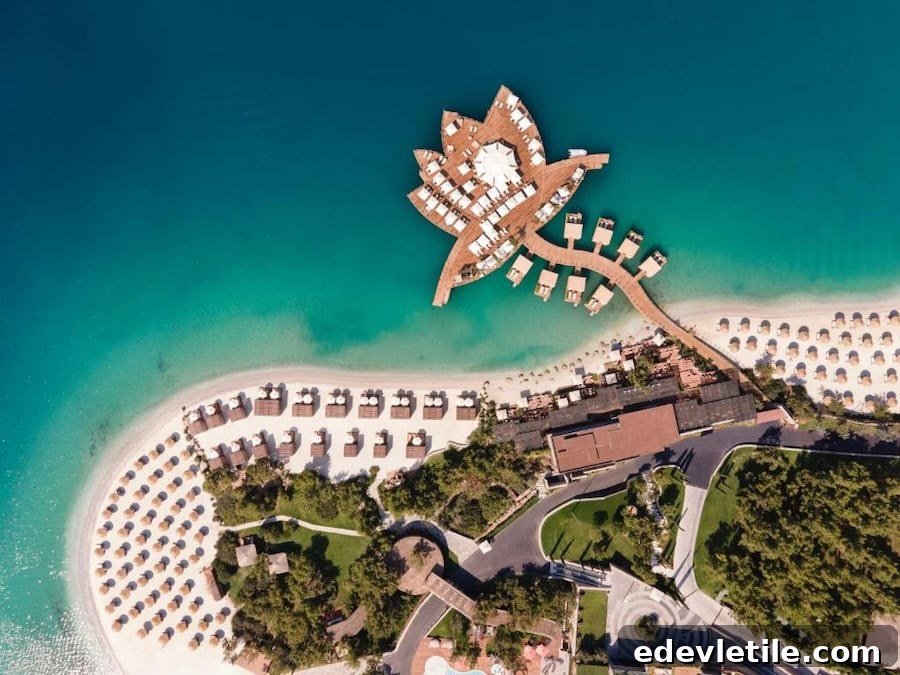
An outstanding coastline — Hidden coves, turquoise bays, and long sandy beaches make the Aegean ideal for swimming, sailing, and coastal hopping.
Healthy regional cuisine — The Aegean diet emphasizes olive oil, fresh herbs, seasonal greens, vegetables, and seafood, reflecting centuries of local agriculture.
UNESCO heritage and ancient sites — Several World Heritage Sites are here, including Ephesus, Pergamon, Hierapolis–Pamukkale, and Aphrodisias.
Island and cross-border options — Turkish islands such as Bozcaada and Gökçeada and short ferry connections to nearby Greek islands create easy island-hopping possibilities.
Wine and small-town charm — Boutique wineries in Urla, Bozcaada, and Şirince and picturesque towns like Alaçatı, Foça, and Ayvalık offer relaxed, local experiences. The region also includes several officially recognized Cittaslow towns for slow travel.
How to get to the Turkish Aegean Region
BY AIR
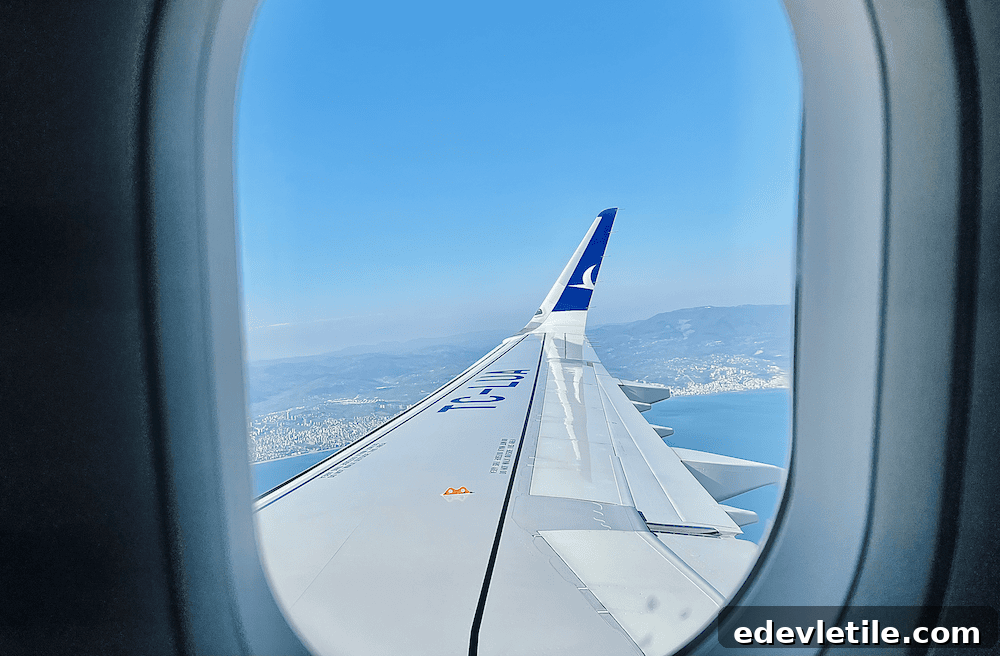
The fastest way to reach the region is by flying into one of its main airports: İzmir Adnan Menderes (ADB), Bodrum-Milas (BJV), or Dalaman (DLM). İzmir is the largest and most central hub for exploring the Aegean. Bodrum is convenient for the southern peninsula (seasonal international flights are common), and Dalaman is often used for accessing Marmaris and Datça.
BY FERRY
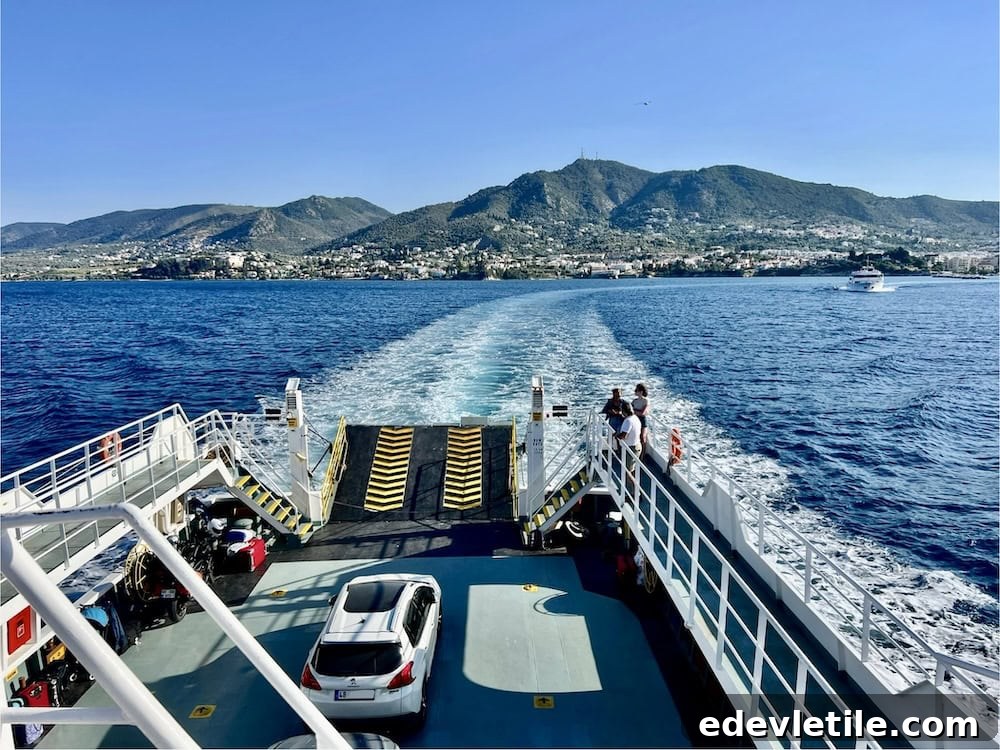
Ferries connect Türkiye with nearby Greek islands (Kos, Chios, Lesvos, Samos, Rhodes) and link Turkish ports internally (for example to Bozcaada and Gökçeada). Routes increase in frequency during summer, so check schedules in advance.
BY CAR
Renting a car gives flexibility to explore small villages, coastal roads, and inland sites. Distances by road: from Istanbul about 5–6 hours to Ayvalık or İzmir and 8–10 hours to Bodrum; from Ankara roughly 7–10 hours depending on destination. Roads are generally modern, with some tolls and winding coastal sections.
BY BUS
Long-distance buses are affordable and comfortable, with major operators serving İzmir, Bodrum, Kuşadası, and other Aegean cities. For faster travel between regions, flights are often only modestly more expensive and save significant time.
How to Get Around the Turkish Aegean
Once you arrive, you have several practical options to travel between towns and attractions:
By car — The most flexible option for reaching small villages, beaches, and inland sites. Parking is usually available outside city centers, but expect busy roads in summer.
By bus — Comfortable intercity buses cover longer distances between major towns and are budget-friendly.
Minibuses (dolmuş) — Shared minibuses provide frequent, inexpensive connections for short routes and local trips between nearby towns.
Ferries — Ideal for island hopping and coastal travel; some ferries transport vehicles while others are passenger-only.
5 Best Places to Visit in the Turkish Aegean
Here are five of the most popular destinations that showcase the region’s variety:
IZMIR
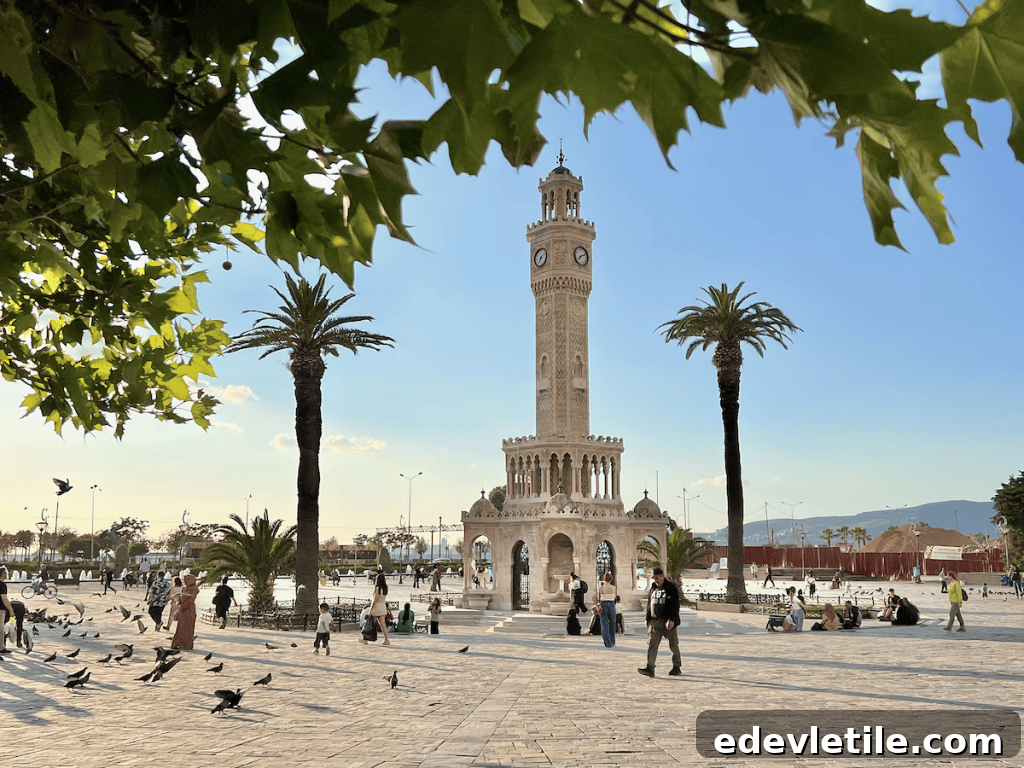
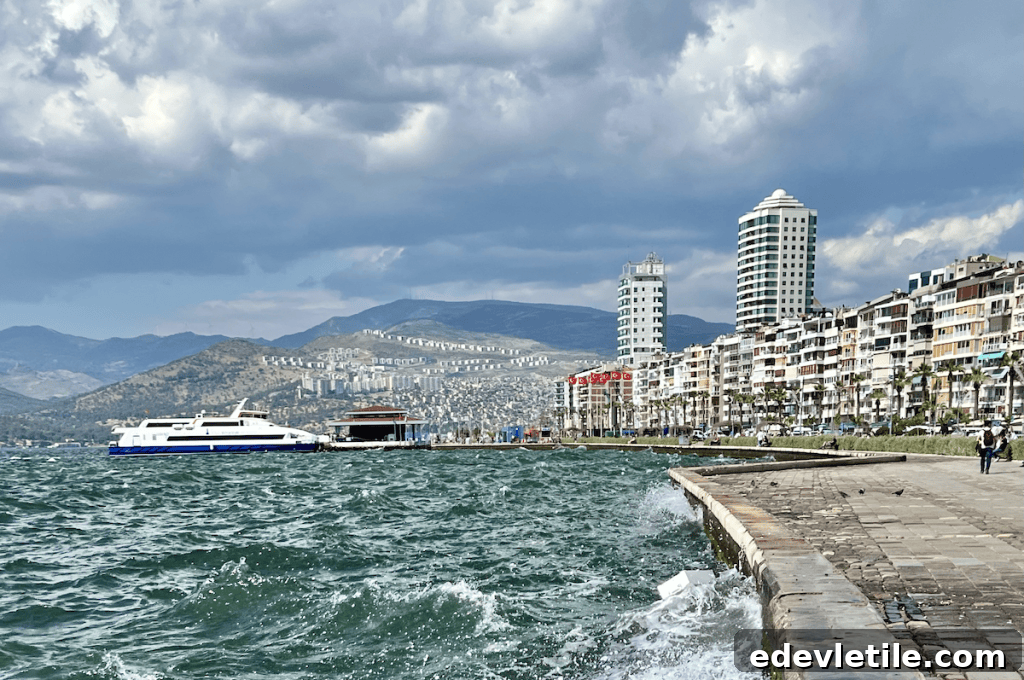
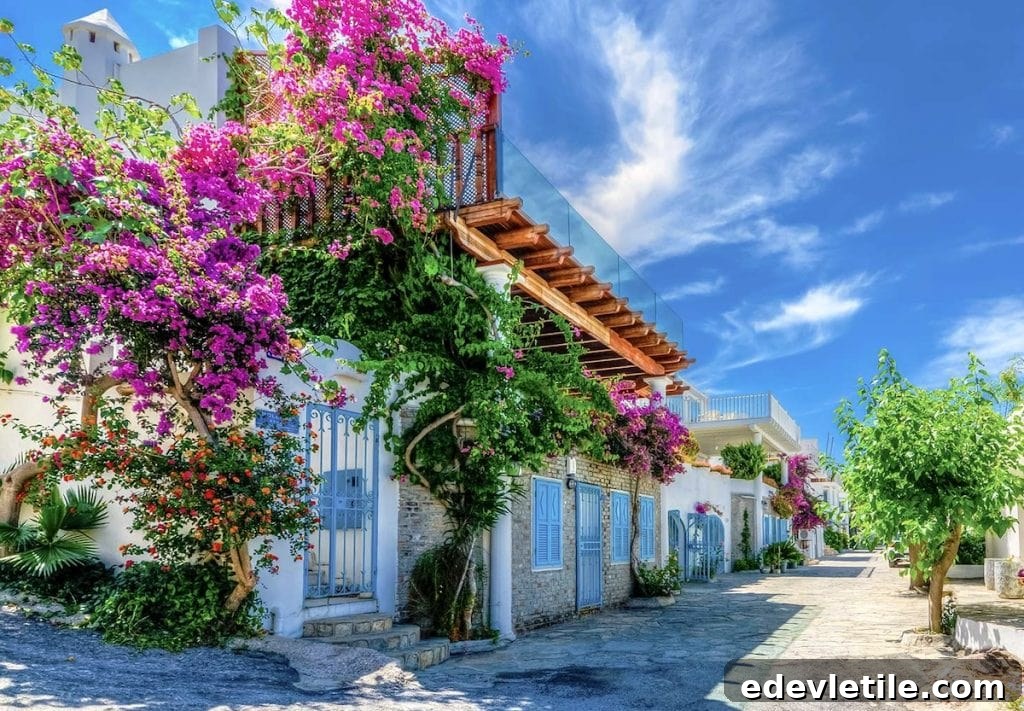
Izmir is a major coastal city and a convenient base for exploring the Aegean. It’s known for its relaxed atmosphere, seaside promenade, wide boulevards, and a vibrant food scene featuring specialties like kumru, boyoz, and lokma. From Izmir you can reach Alaçatı, Çeşme, Ephesus, and many other highlights within a short drive or train ride.
BODRUM
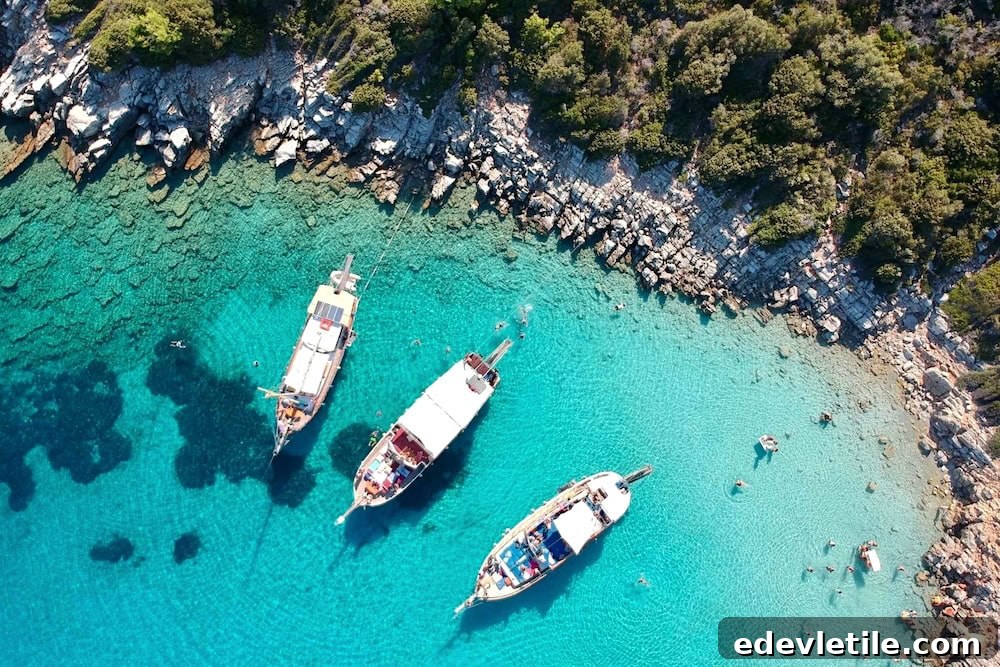
Bodrum is the Aegean’s summer hotspot, famous for yachts, chic beach clubs, and lively nightlife, but it also has historical sites such as Bodrum Castle and peaceful coves for swimming. The Bodrum Peninsula contains many smaller villages—each with its own character—and most are reachable by short drives or dolmuş rides.
EPHESUS
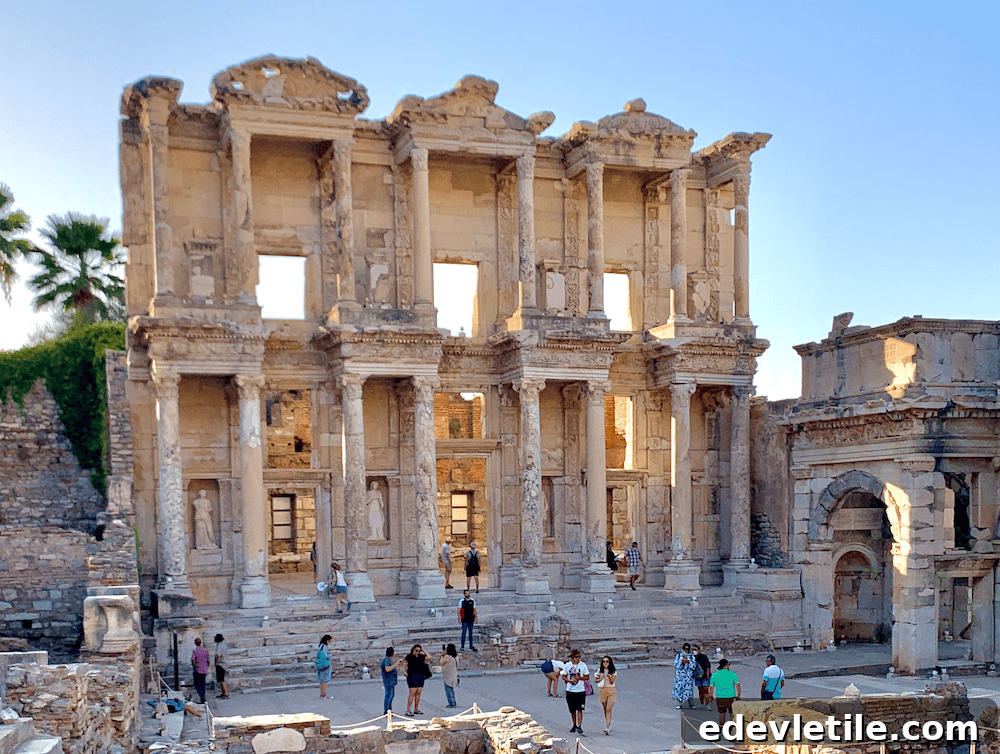
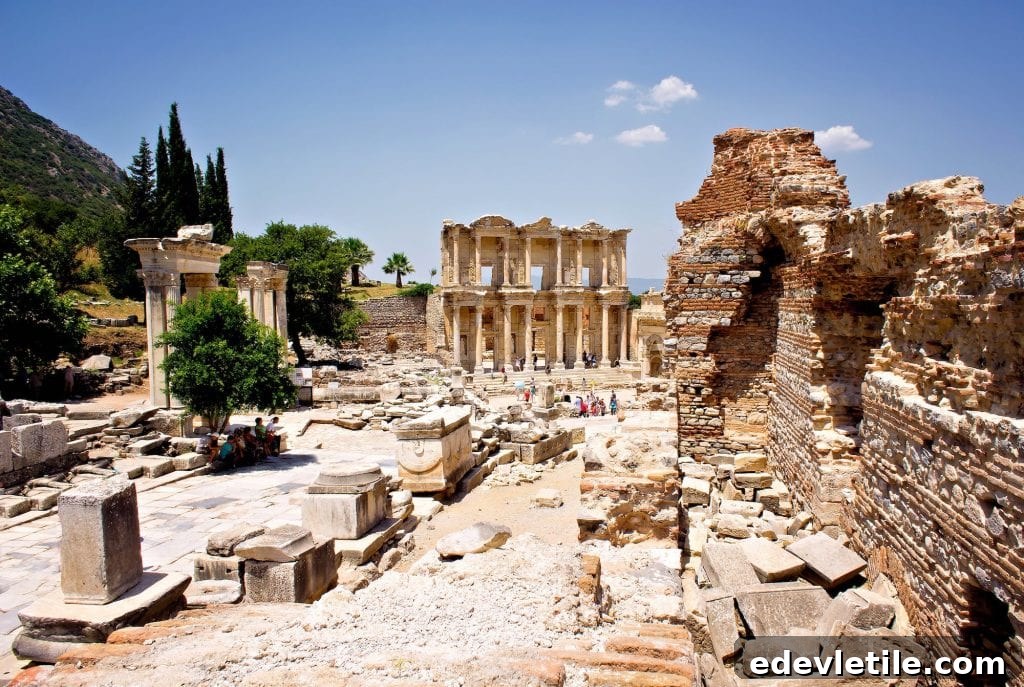
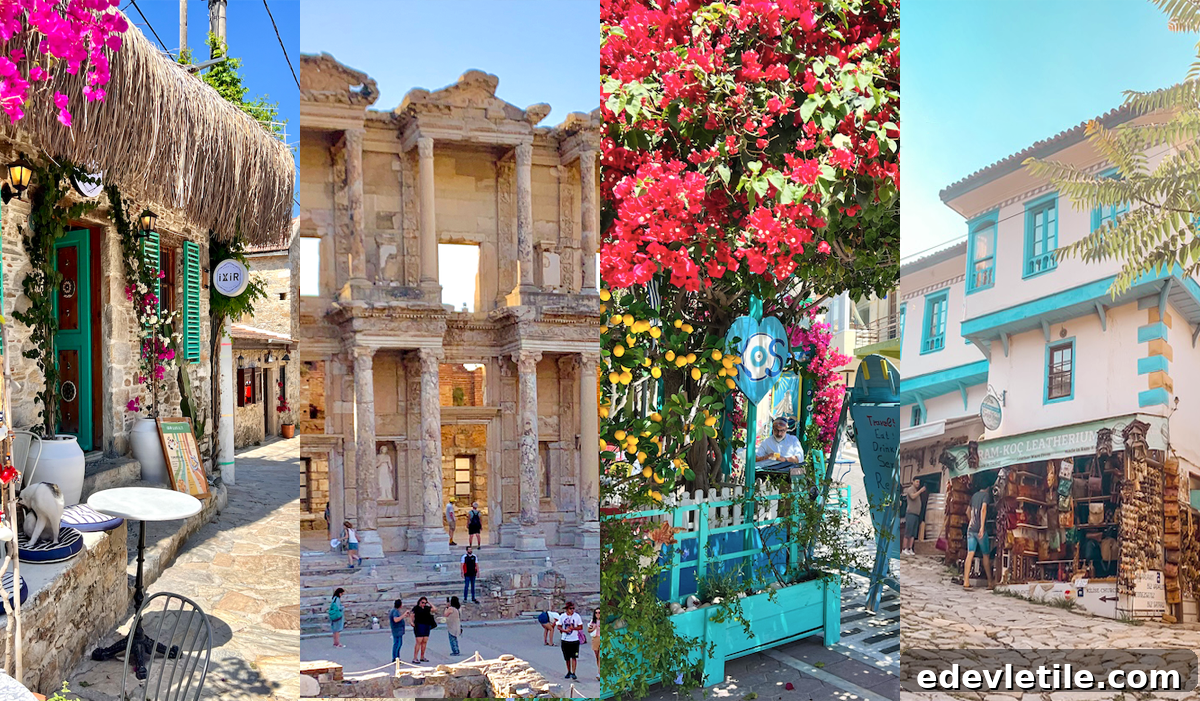
Ephesus is one of the best-preserved ancient cities in the region and a highlight for history lovers. Near Selçuk, it features the Library of Celsus, the Great Theatre, and ancient marble streets. Ephesus works well as a day trip from İzmir or as an overnight stay in Selçuk for a quieter visit.
ALAÇATI
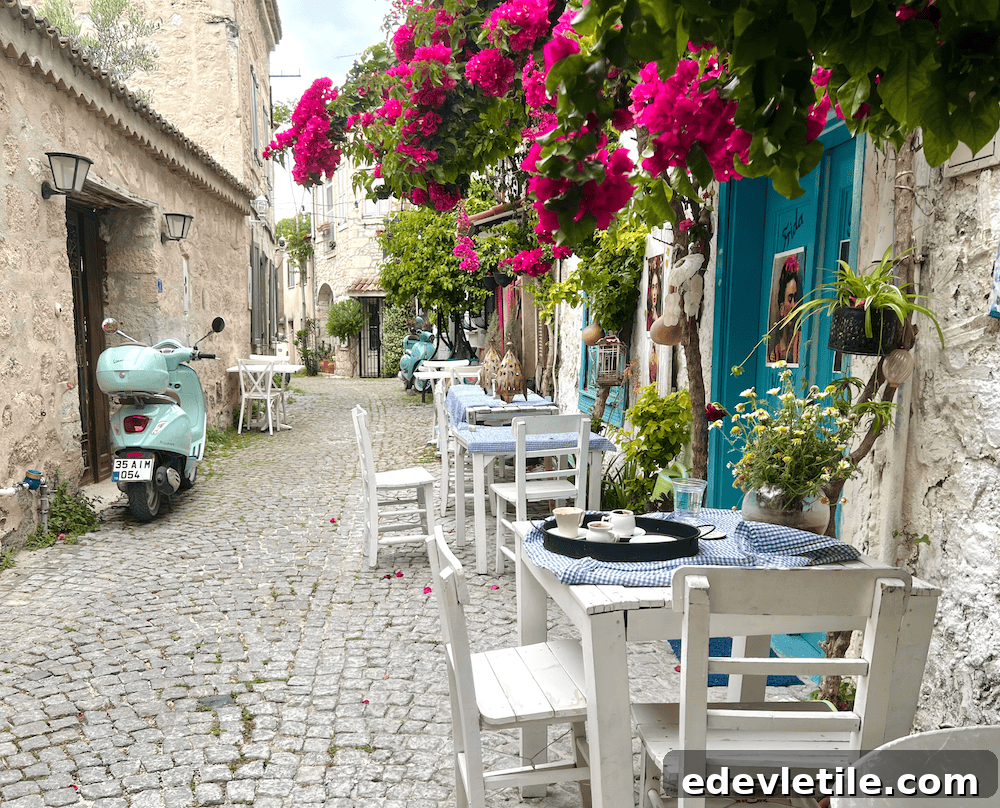
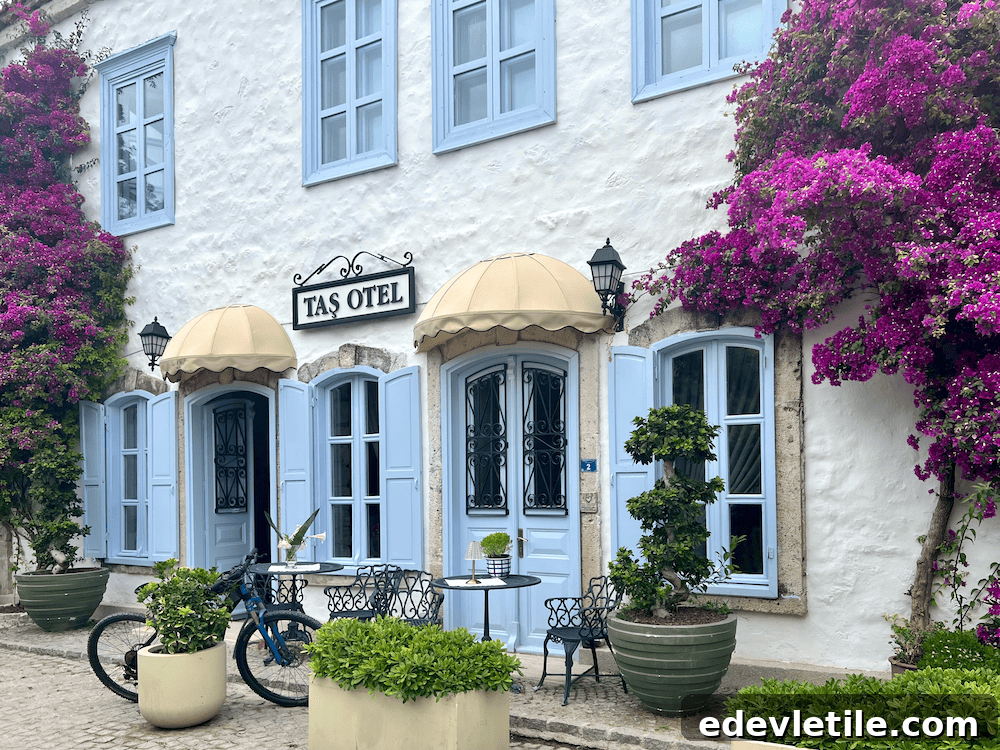
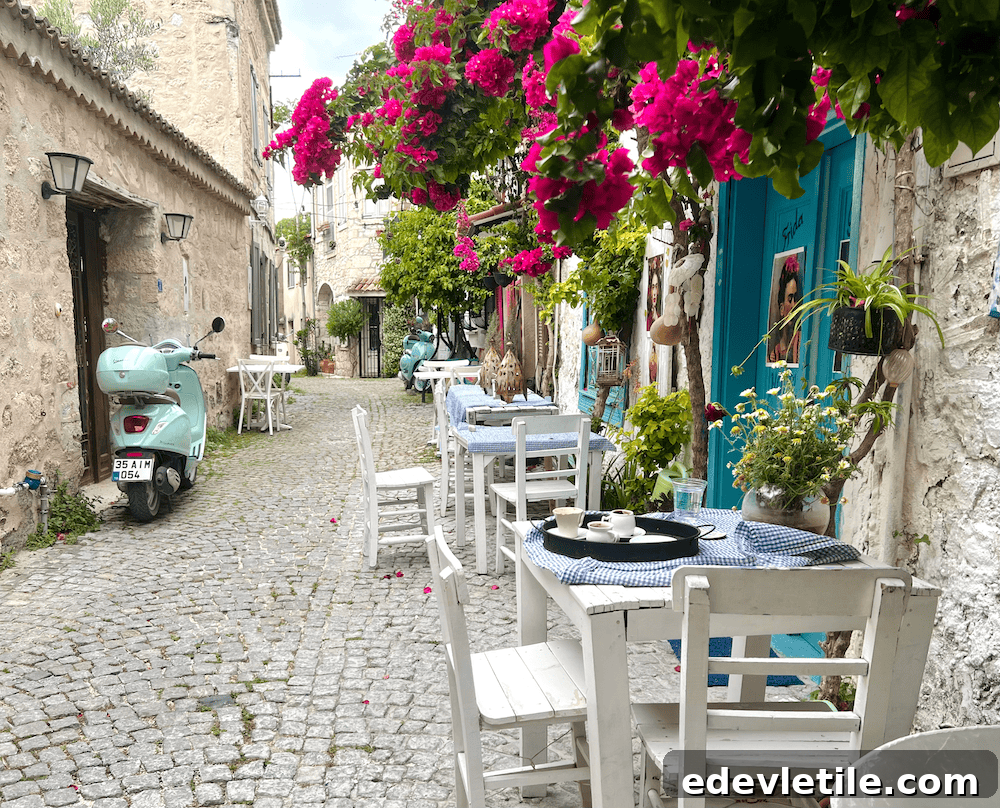
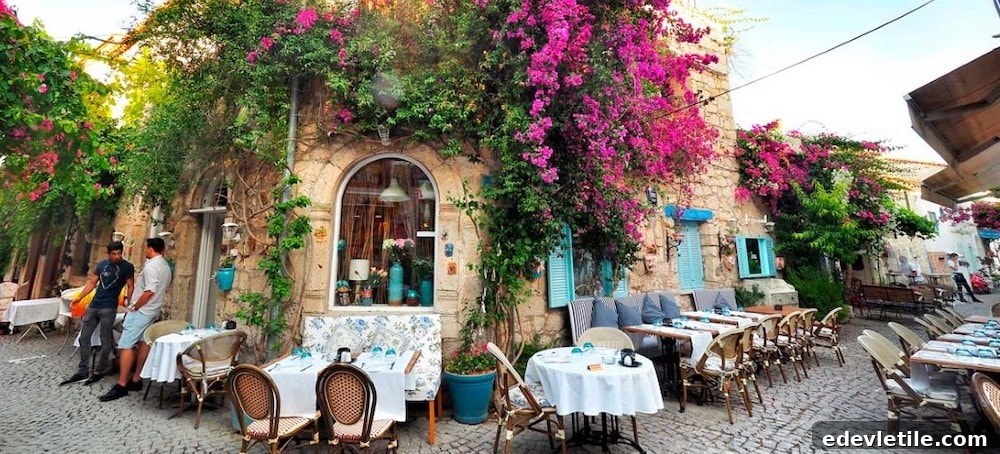
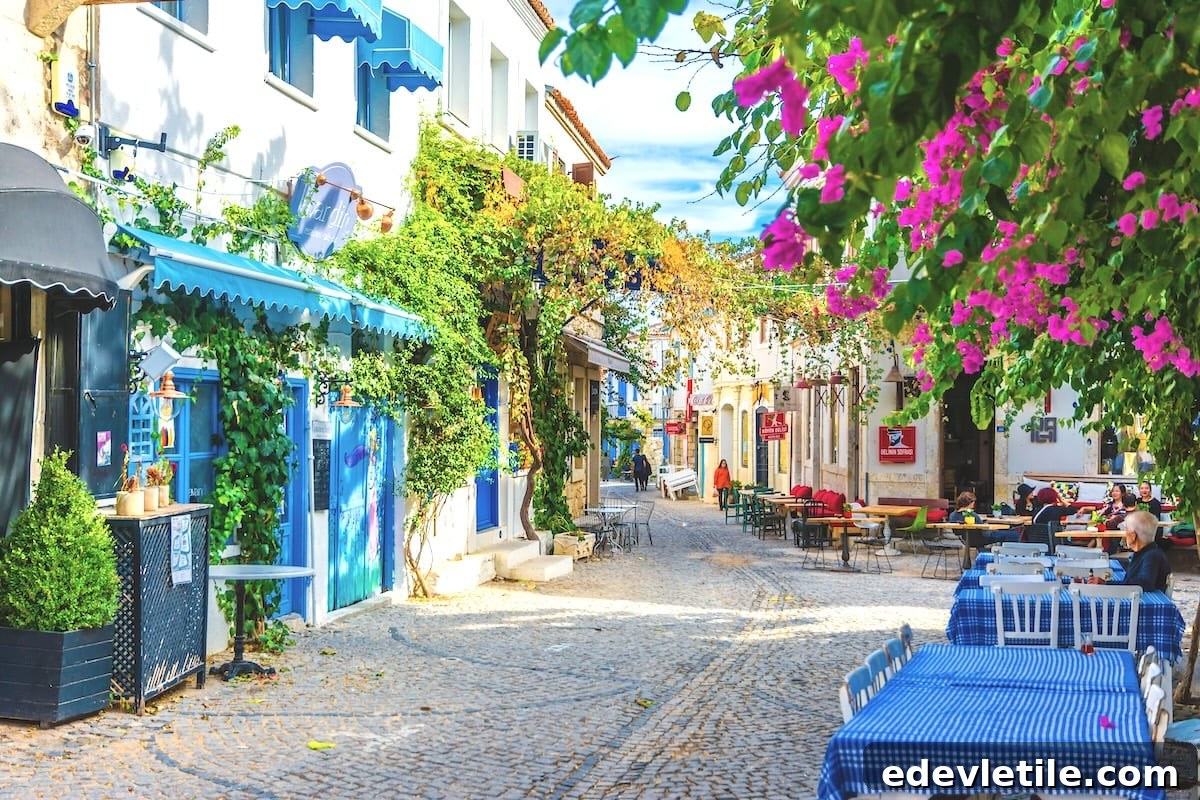
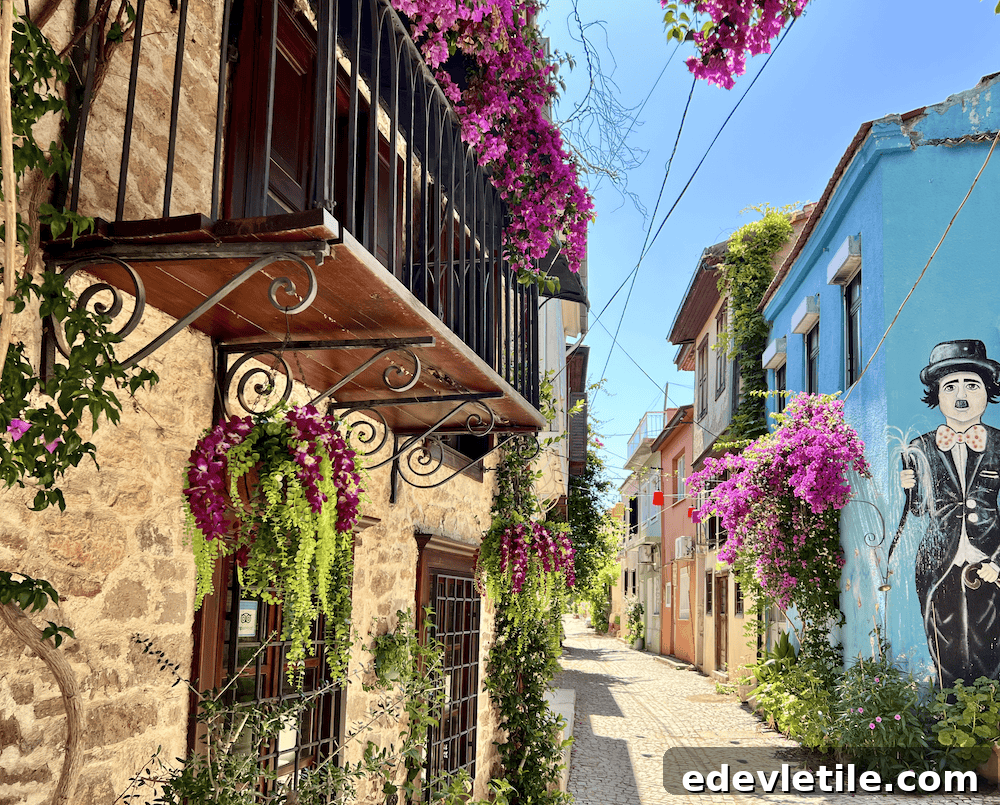
Alaçatı is a picture-perfect town known for stone alleys, pastel shutters, bougainvillea, boutique hotels, and wind-surfing culture. It’s a popular short-break destination with a boho-chic atmosphere and easy access to nearby Çeşme and local ferry crossings to Greek islands.
AYVALIK
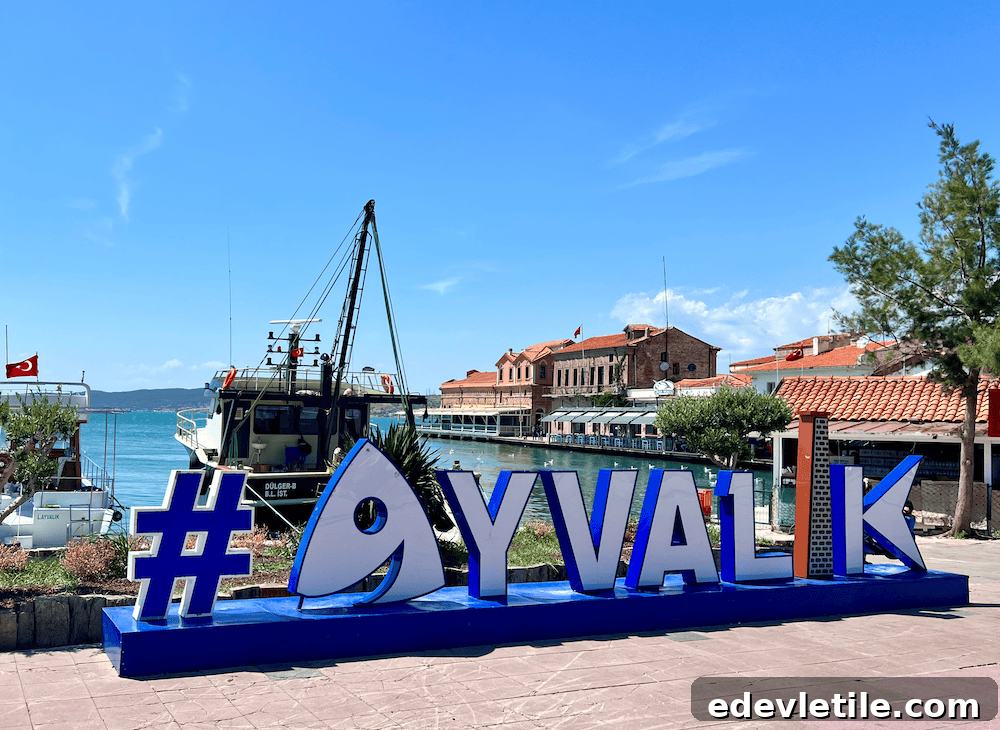
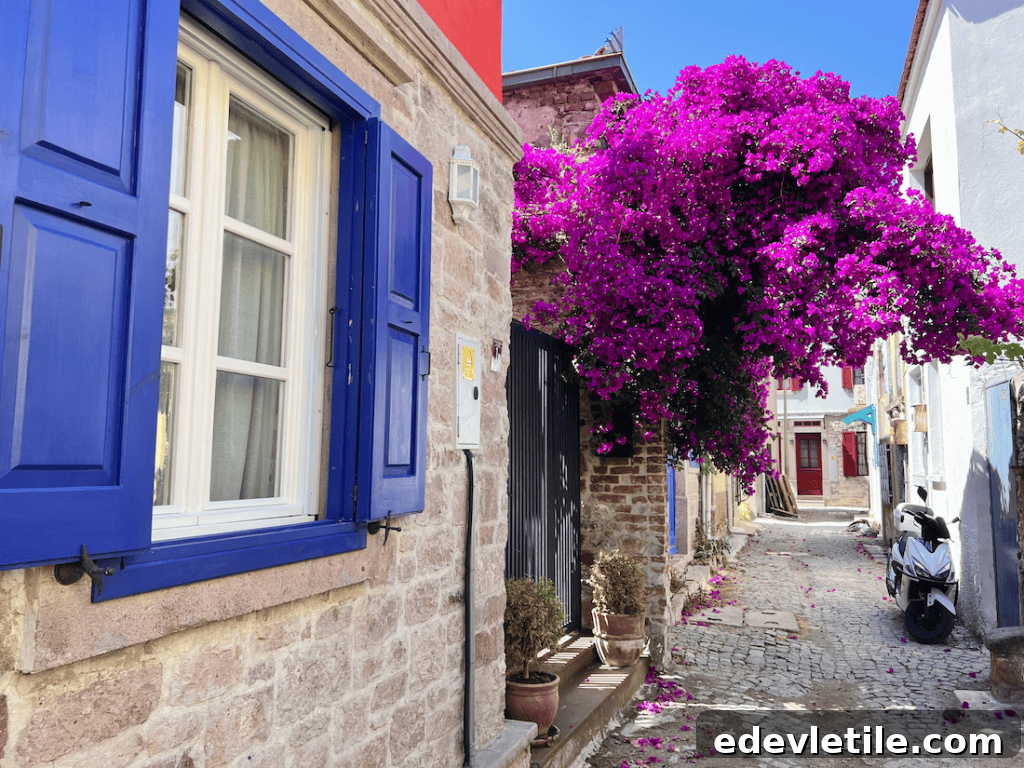
Ayvalık feels quietly timeless, with cobbled streets, old Greek houses, and nearby beaches and islands like Cunda. The town is renowned for its olive oil, relaxed pace, and seaside meyhane culture, and it provides good ferry connections to Lesvos for those interested in island hopping.
Top Turkish Aegean Foods: What to Eat
Food is central to the Aegean experience. The region’s cuisine highlights olive oil, fresh herbs, seasonal greens, vegetables, and seafood—perfect for long, relaxed meze meals at seaside taverns.
Olives and olive oil: The Aegean produces vast quantities of olives and high-quality olive oil used in dishes like zeytinyağlı sarma (stuffed grape leaves), imam bayıldı (braised eggplant), and zeytinyağlı enginar (artichokes in olive oil).
Seafood: With so much coastline, expect fresh levrek (sea bass), çipura (sea bream), fried calamari, octopus salad, and midye dolma (mussels stuffed with spiced rice).
Regional specialties: Try Bodrum’s çökertme kebabı (meat over crispy potatoes with garlic yogurt), stuffed zucchini flowers (kabak çiçeği dolması), Ayvalık toast (a loaded grilled sandwich), boyoz (a flaky İzmir pastry), and lokma (sweet fried dough balls).
Mastic-flavored desserts: Sakızlı muhallebi and mastic ice cream are common in Çeşme and Alaçatı, reflecting local tastes influenced by nearby islands.
Wines and rakı: The Aegean is Türkiye’s primary wine-producing region, with notable areas like Urla, Bozcaada, and Şirince. Rakı—an anise-flavored spirit—remains a classic accompaniment to long meze meals.
Best Turkish Aegean Festivals (By Season)
The Aegean hosts year-round festivals celebrating food, culture, and local traditions. Highlights by season include:


Spring (March–May)
Notable spring events include Nevruz (Nowruz) celebrations, the Mesir Paste Festival in Manisa, Hıdırellez spring rituals, the Urla Artichoke Festival, and the Alaçatı Herb Festival celebrating local herbs and seasonal produce.
Summer (June–August)
Summer highlights include the Bodrum International Ballet Festival, the İzmir International Fair, and various summer art and music festivals across coastal towns.
Autumn (September–November)
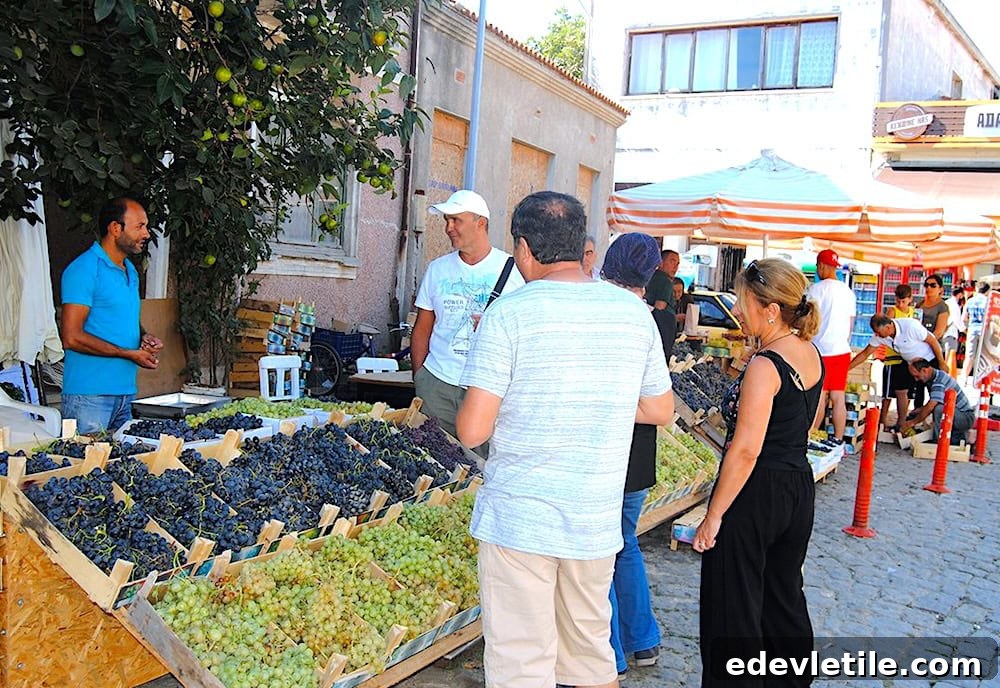
Autumn brings the Bozcaada Grape Harvest Festival and Ayvalık’s Olive Harvest Festival, both celebrating regional produce with tastings, parades, and local traditions.
Winter (December–February)
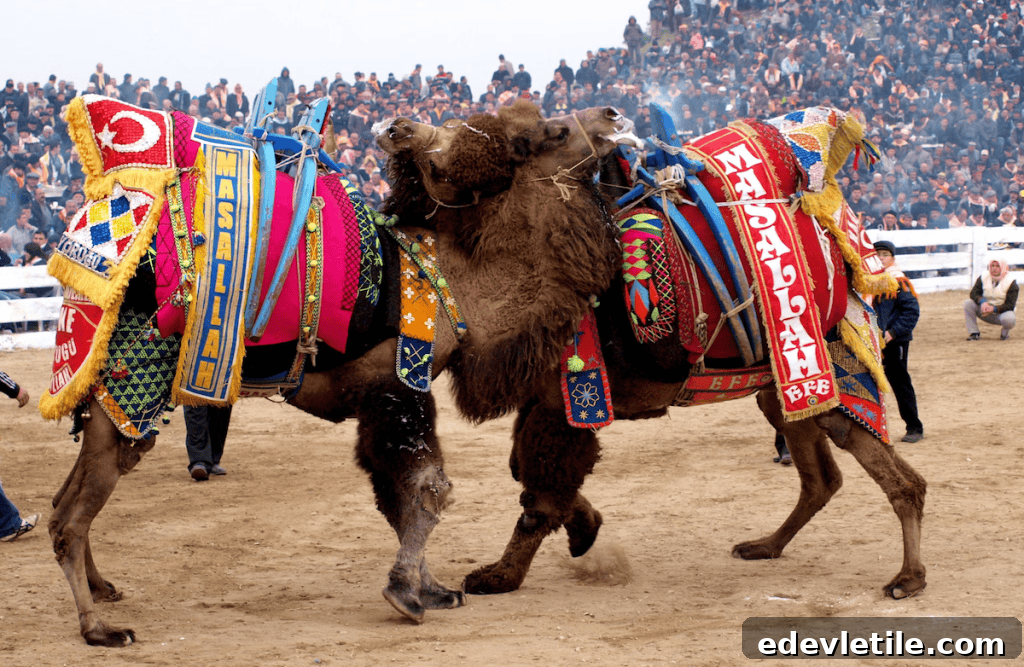
Winter events include traditional camel wrestling contests and the Datça Almond Blossom Festival, which celebrates early spring blooms with walking tours and cultural activities.
Read More
-

13 Bodrum Day Trips: History, Culture, Food, Beaches, and More
-
15 Best All Inclusive Hotels in Bodrum (Hand-picked by a Local!)
-
Alaçatı Travel Guide: Everything You Need to Know About Türkiye’s Most Charming Town
-
Ayvalık Travel Guide: You Need to Visit This Turkish Aegean Gem
With its blend of ancient history, food-forward culture, and scenic coastlines, Turkey’s Aegean region offers something for every traveler. Use this guide as a starting point, pick a season that suits your interests, and enjoy exploring the slow-paced towns, lively cities, and unforgettable beaches of the Turkish Aegean.