Dolmabahçe Palace Visitor Guide: Tips, Tickets & Highlights
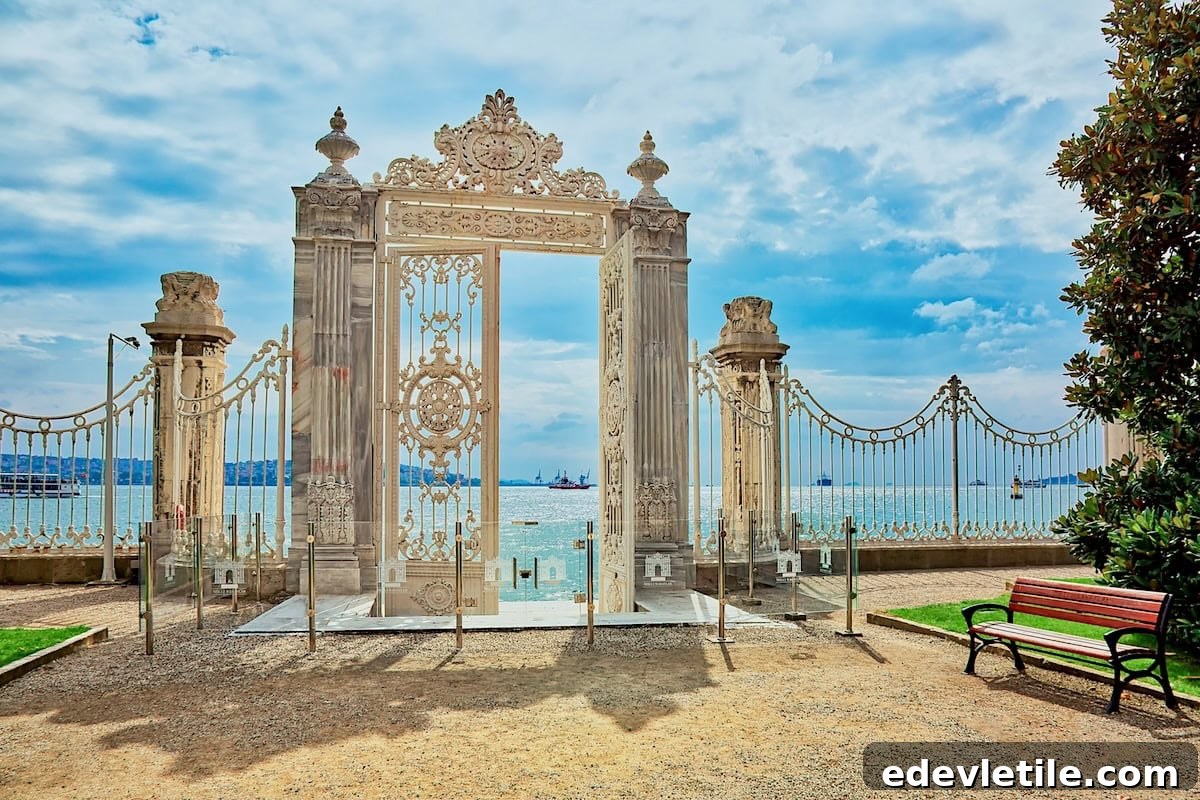
Planning a visit to Dolmabahçe Palace in Istanbul? This travel guide covers everything you need to know!
Dolmabahçe Palace is one of Turkey’s most famous landmarks, renowned for its lavish interiors, enormous crystal chandeliers, and stunning views over the Bosphorus.
If Topkapı Palace was the heart of the Ottoman era, Dolmabahçe was its dazzling final chapter — the palace that reflected a late-Ottoman taste for European grandeur as the empire modernized.
Whether you visit to admire spring magnolias, escape rainy winter days indoors, or simply soak up the architecture, Dolmabahçe is a top Istanbul attraction year-round.
We’ve visited multiple times and collected practical tips to help you plan: how to get there, what tickets cover, the best times to visit, photography rules, nearby spots worth visiting, and other useful details.
This guide was fact-checked and updated in January 2026.
🎟️ Planning to Visit Dolmabahçe Palace?
Lines can get long, especially in summer. Book tickets online to skip queues. Standard tickets include Selamlık, Harem, and the Painting Museum, and often come with an audio guide.
Book Dolmabahçe Palace Tickets
(Check cancellation and booking terms)
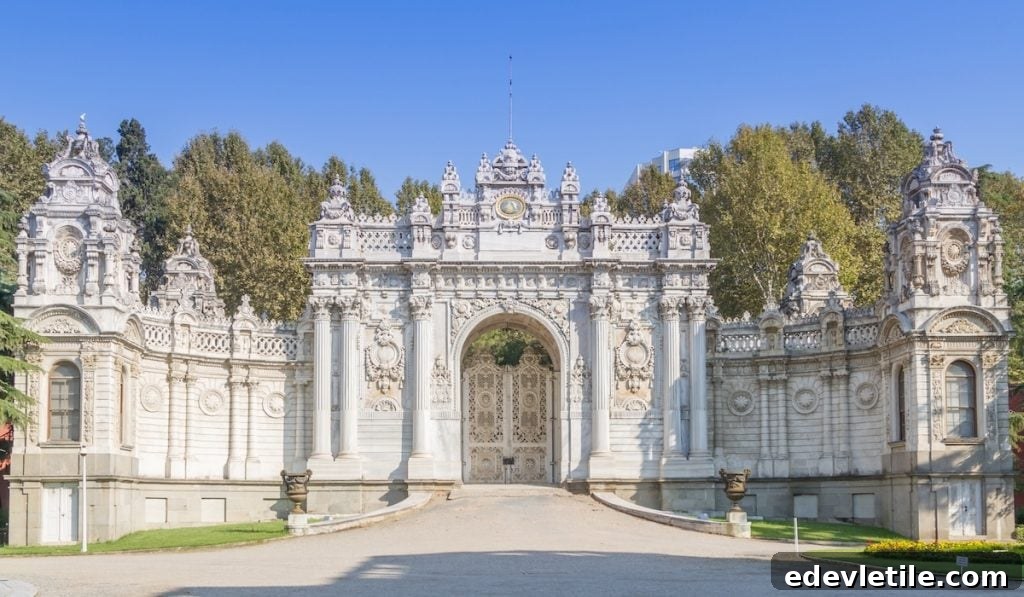
Basic Information
Opening hours: Dolmabahçe Palace is generally open Tuesday–Sunday, commonly from 9:00 AM to 6:00 PM. Hours may change seasonally or for holidays, so check before you go.
Closed days: The palace is usually closed on Mondays and on certain national holidays.
Holiday adjustments: The palace may close or change hours during major holidays such as New Year’s Day and the first days of Ramadan Bayram and Kurban Bayram. Expect larger crowds on national holidays like October 29 or April 23.
Free day: Dolmabahçe is free to visit on November 10 for the commemoration of Atatürk’s death. A ceremony is held at 9:05 AM and the palace can be crowded—arrive early if you plan to attend.
Dress code: There’s no strict dress requirement, but smart-casual attire is appropriate for a palace and museum setting.
Ticket Prices
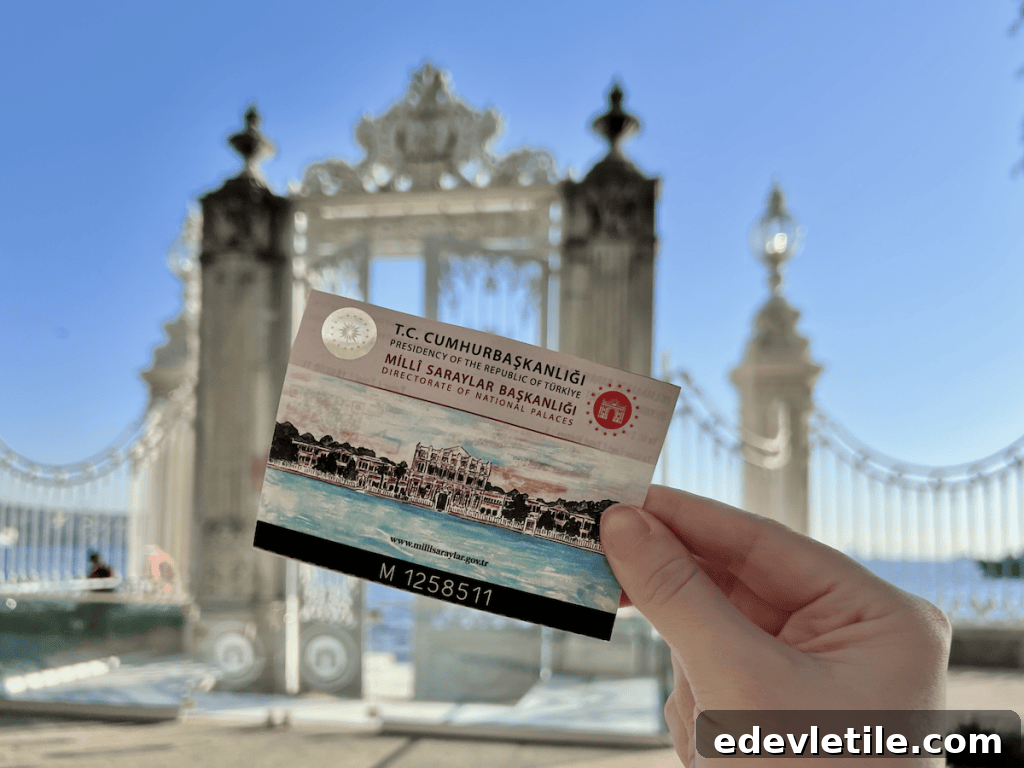
As of January 2026 the adult entrance fee was listed at 2,000 Turkish Lira per person. That ticket typically includes access to:
- The Selamlık (ceremonial halls)
- The Harem (private royal quarters)
- The National Palaces Painting Museum
Prices can change, so confirm current rates at the palace entrance or on official information sources before your visit.
Online Tickets & Fast-Track Entry
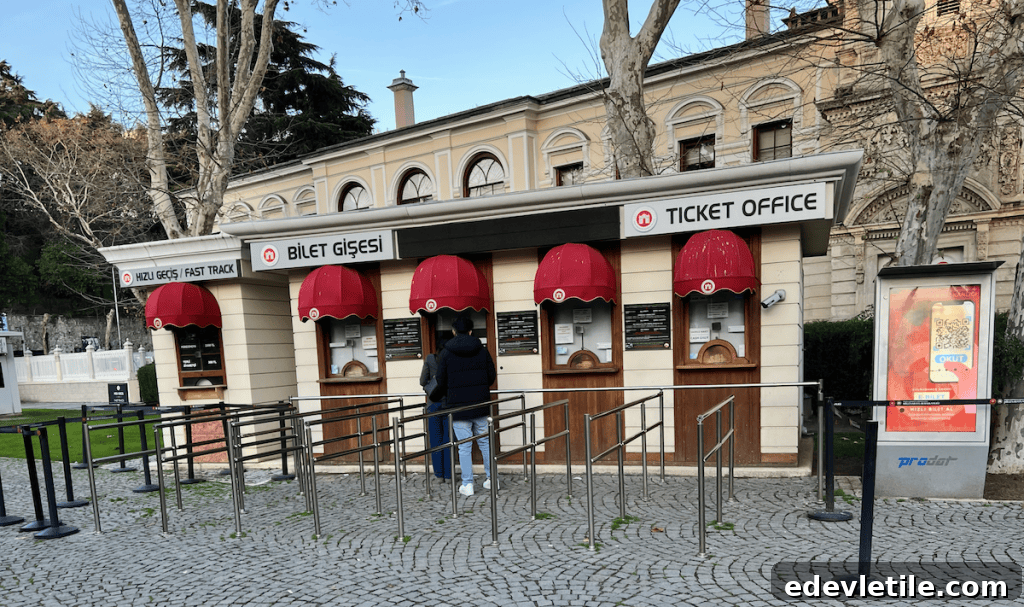
Buying tickets online is recommended to avoid long queues, especially during peak season. Online options often include fast-track entry and free cancellation up to a set time before the visit. Confirm what each ticket covers before purchase.
Discounts: Children aged 0–6 usually enter free. Student discounts may apply for international student card holders—check the rules for discounted and foreign student pricing on booking platforms or official notices.
Travel Tips
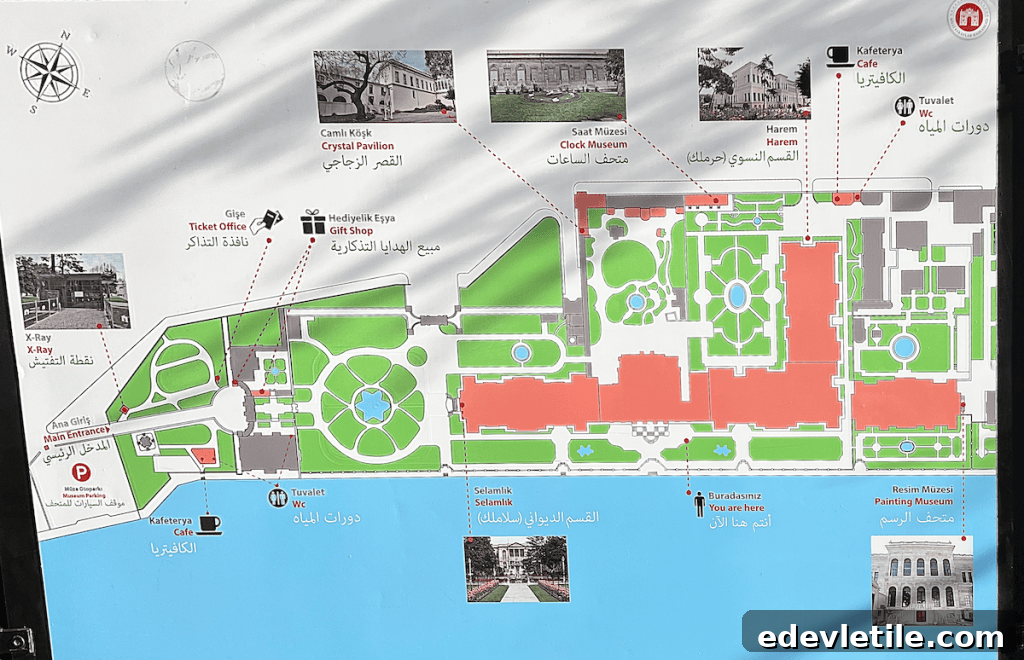
How much time to allow? Allocate at least three hours to see the Selamlık and Harem at a comfortable pace. Add 30–60 minutes if you plan to visit the Painting Museum.
Best time to visit: Weekdays and early mornings are quieter. If visiting on a weekend or during summer, arrive early or buy skip-the-line tickets.
Security checks are conducted on entry; expect bag screening and metal detectors. Photography is prohibited inside palace rooms, though permitted outdoors in the gardens and near the Bosphorus gates.
Short History
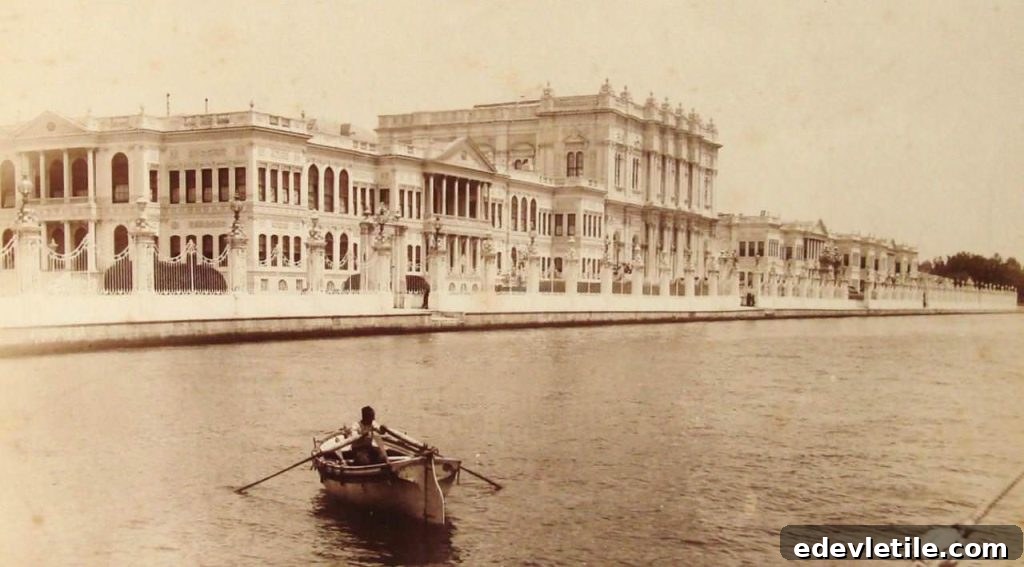
Dolmabahçe Palace was commissioned by Sultan Abdülmecid I in the mid-19th century as part of the Ottoman modernization movement. Designed by the Balyan family of architects and decorated with imported European materials, the palace blends Baroque, Rococo, and Neoclassical styles with Ottoman traditions.
Construction finished around 1856. The palace served as the residence of several sultans and later as a presidential residence for Mustafa Kemal Atatürk, who spent his final days here in 1938; the clock in his bedroom is stopped at 09:05 in his memory.
Name origin: “Dolmabahçe” means “Filled Garden,” referring to the area being a filled-in bay turned into a royal garden before the palace was built.
Visiting the Palace
Your ticket covers three main areas: the Selamlık (ceremonial halls), the Harem (private family quarters), and the National Palaces Painting Museum. An audio guide is usually included and helps explain rooms that have few labels.
Before You Start
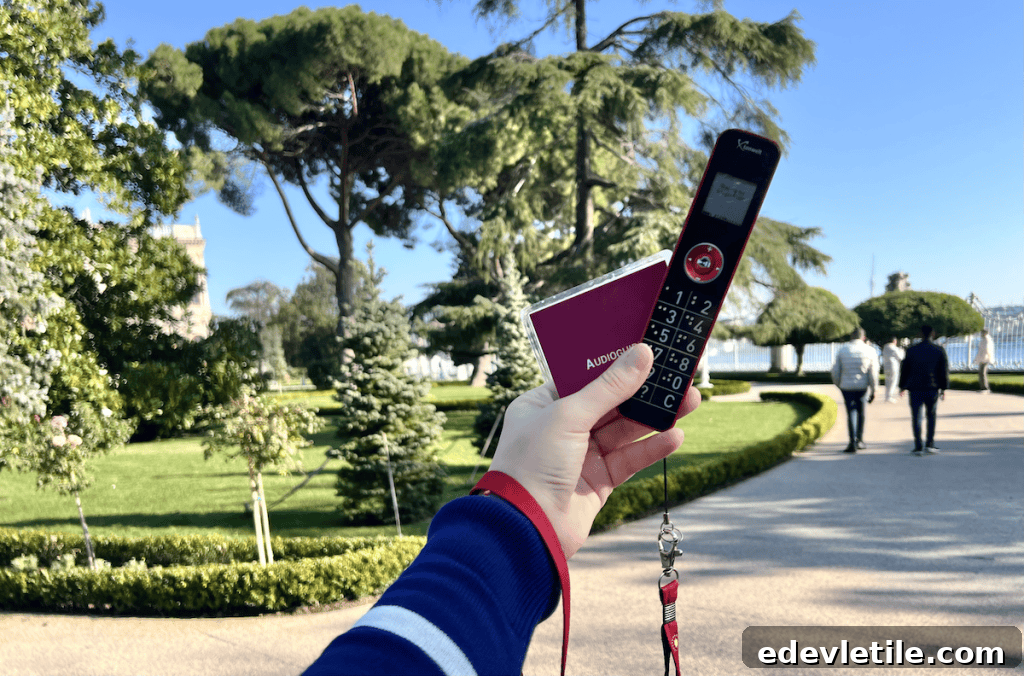
Pick up the audio guide if you want context for the rooms and artworks. You will often need to leave an ID as a deposit when renting the device.
Photography
Photography inside palace rooms is strictly forbidden and enforced by guards. Outdoor photography in the gardens and by the seaside gates is allowed.
Selamlık vs. Harem
The Selamlık is the public, ceremonial wing where official receptions and state events were held. The Harem is the private residential area for the sultan’s family, more intimate and domestic in atmosphere.
Below are highlights of each section.
The Selamlık (Ceremonial Halls)
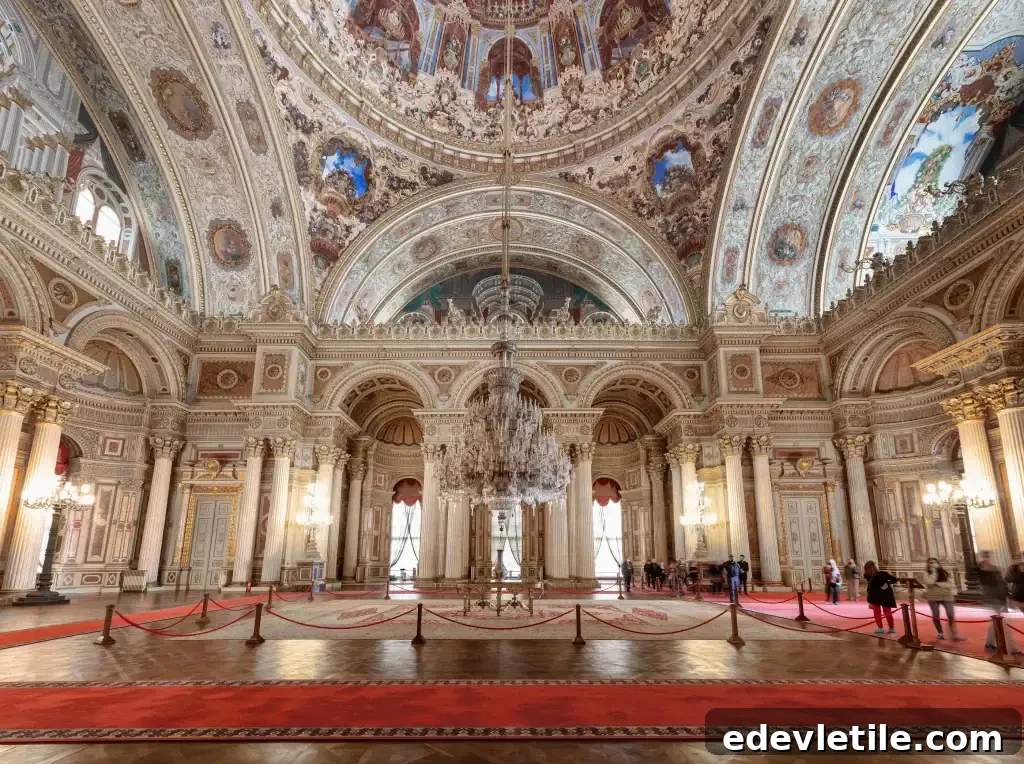
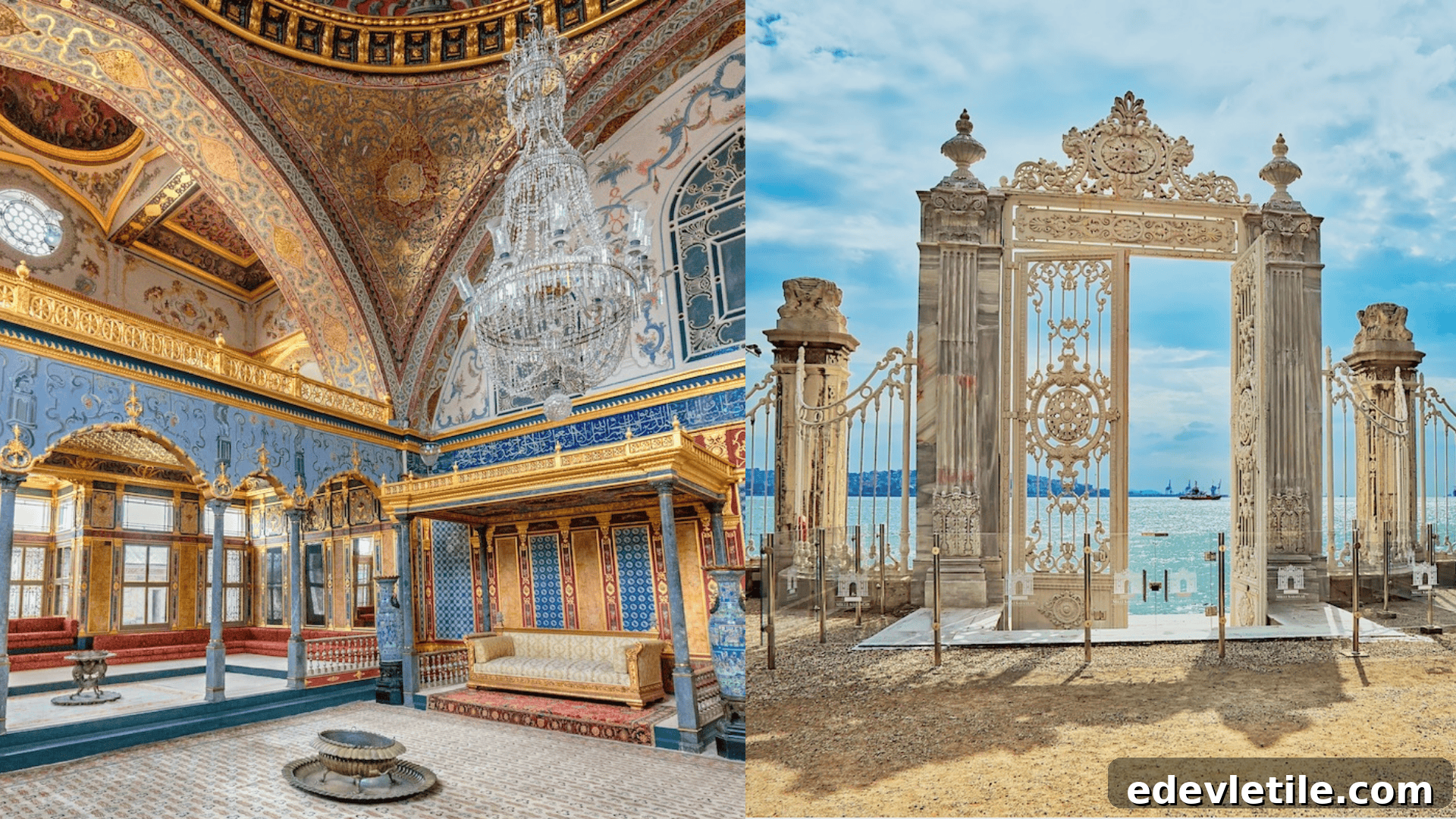
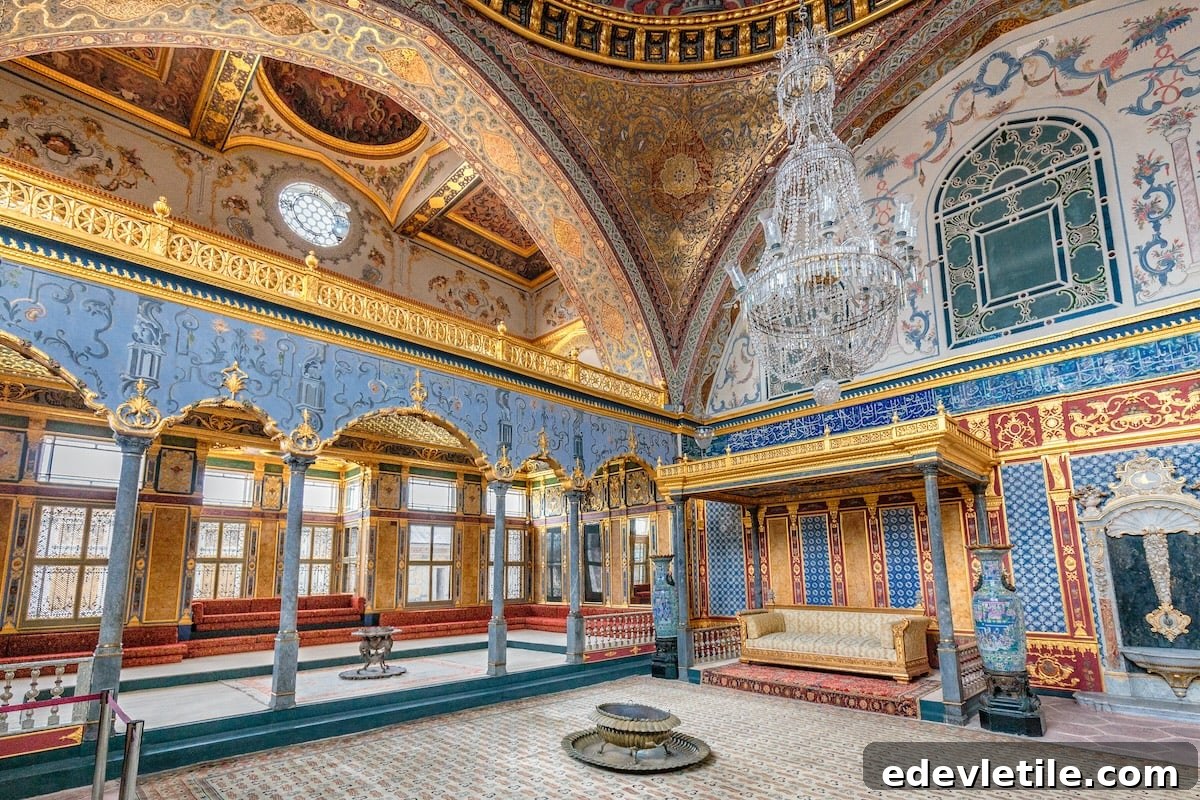
The Selamlık includes the Medhal Hall, grand staircases, the Ambassadors Hall, and the massive Ceremonial Hall (Muayede). Expect richly decorated rooms, painted ceilings, and notable works by court and foreign artists. The Ceremonial Hall is particularly striking, with tall ceilings, numerous columns, a large silk carpet, and a monumental Bohemian crystal chandelier.
Atatürk’s room is also in this wing; his bed remains draped with the Turkish flag and clocks are stopped at 9:05 in remembrance of his time of death.
The Harem
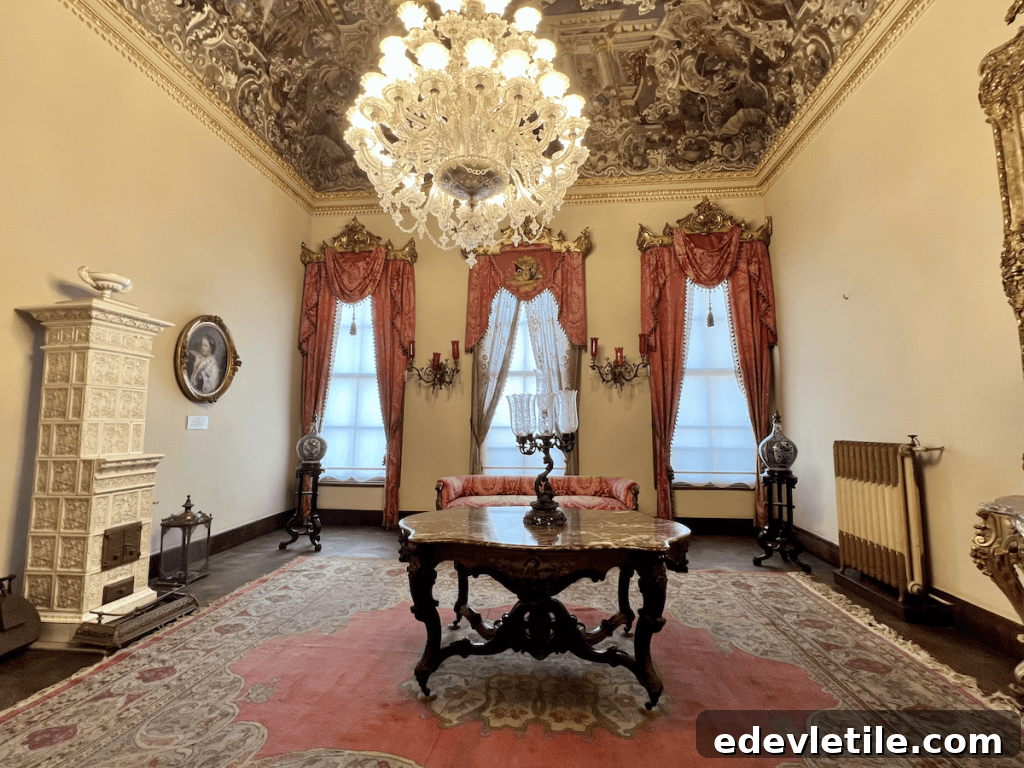
The Harem served as the private living quarters for the sultan’s family and attendants. It includes personal rooms, the Hall of the Royal Women, smaller hamams, and themed salons like the Japanese Salon. The Harem feels more domestic and offers insight into everyday palace life away from official ceremonies.
The tour finishes near the palace gift shop, which stocks locally made souvenirs, art prints, and books if you want a meaningful memento.
Gardens & Gates
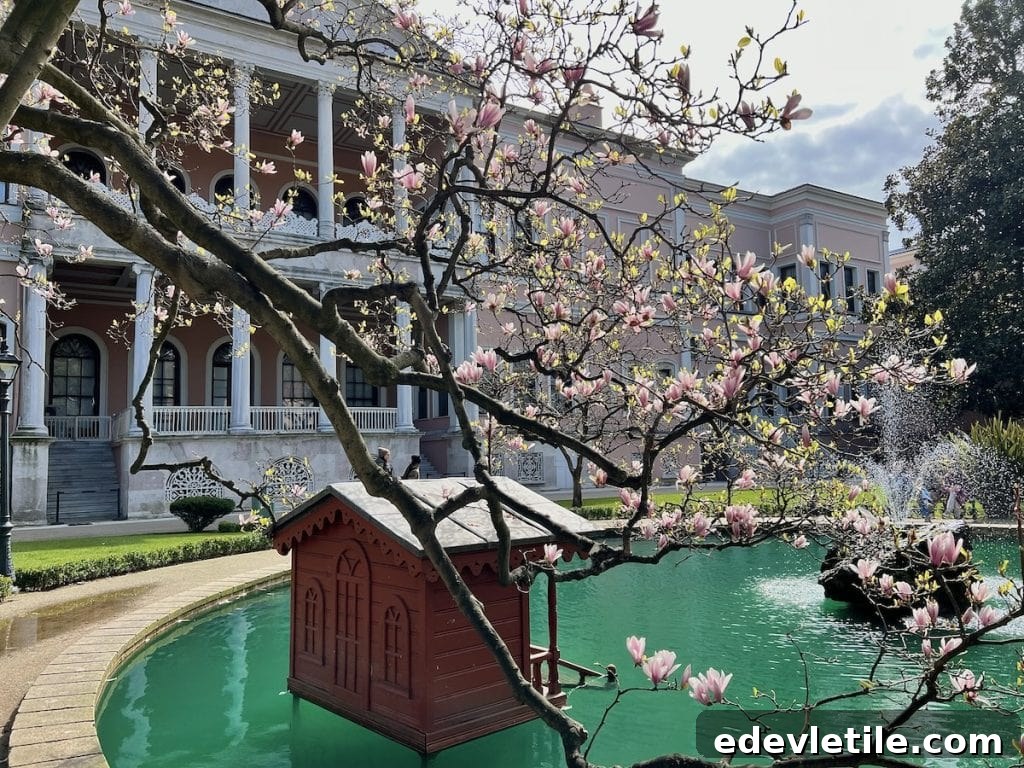
The palace gardens are well maintained with shaded paths and benches, offering lovely Bosphorus views. The sea-facing gates are a classic photo spot where royal barges once moored, framing the water and skyline.
National Palaces Painting Museum
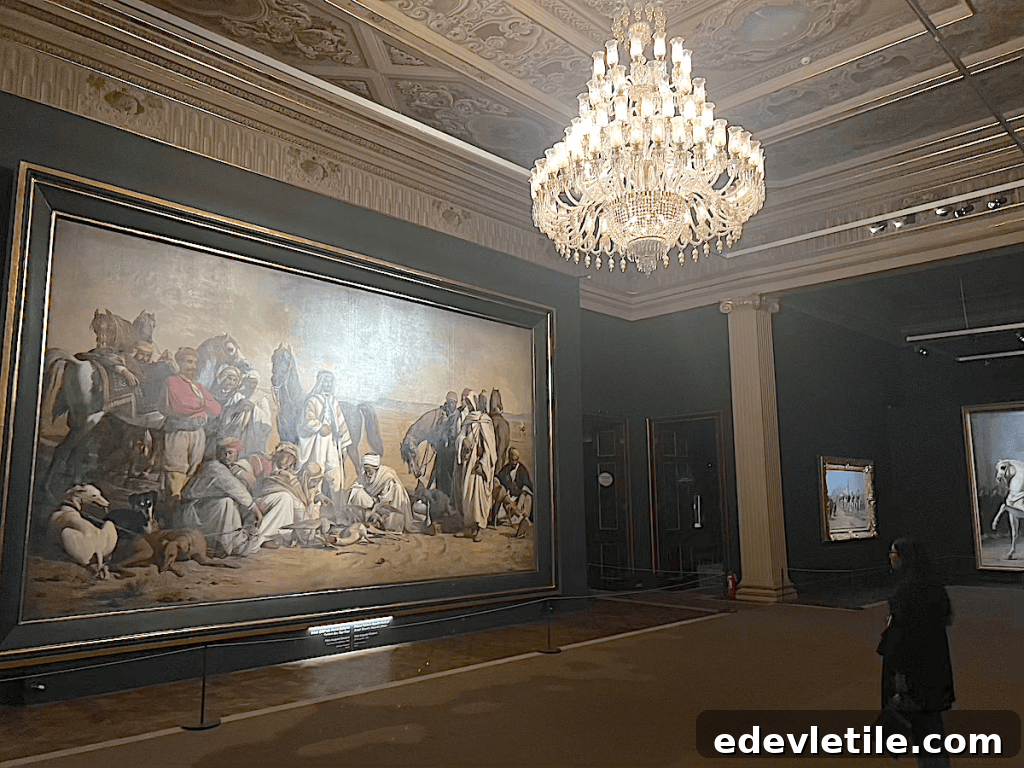
Housed in the former Crown Prince’s residence, the Painting Museum displays over 200 works by court and Western-trained Ottoman painters, including portraits and landscapes from the late Ottoman and early Republican periods. It is included with standard palace admission and complements the main tour.
Where to Go After Dolmabahçe
Nearby attractions make a relaxed afternoon easy: Dolmabahçe Mosque and Clock Tower are just outside the grounds, and the Kabataş–Beşiktaş waterfront is perfect for a walk or ferry ride. A short tram or bus ride reaches Karaköy, the Naval Museum, Çırağan Palace, and other neighborhoods worth exploring.
How to Get There
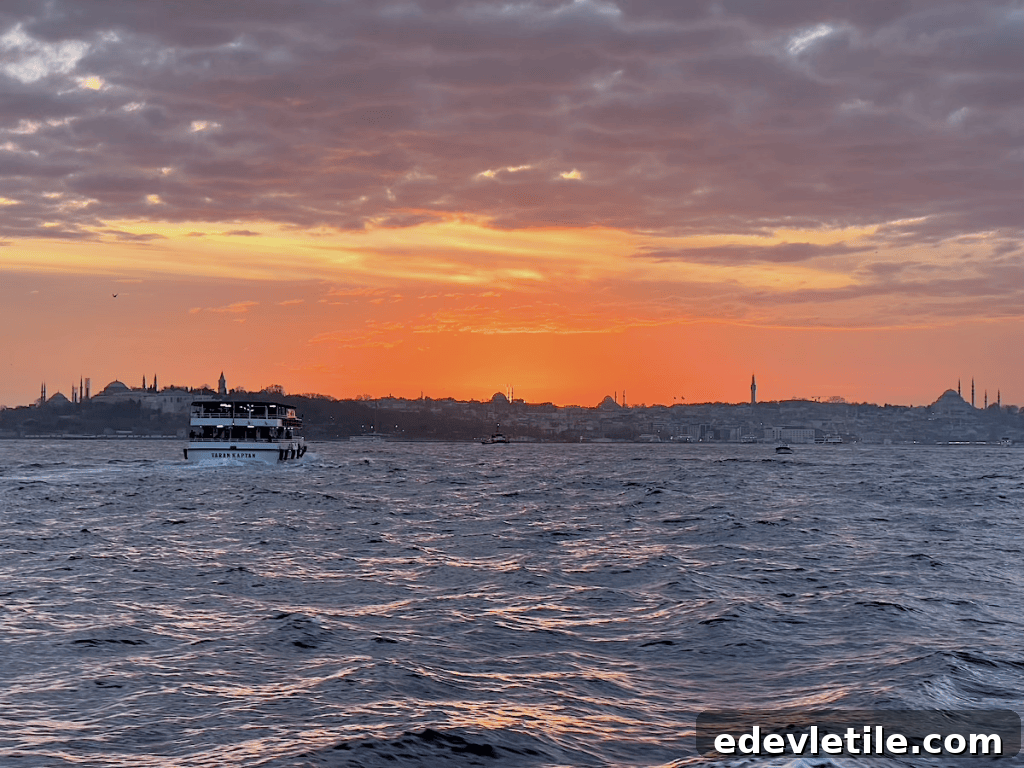
Dolmabahçe Palace sits in Beşiktaş on the Bosphorus and is well connected by tram, funicular, ferry, and bus.
From Sultanahmet: Take the T1 tram to Kabataş and walk a few minutes along the waterfront.
From Karaköy or Galata: The T1 tram to Kabataş is convenient, or a scenic 25–35 minute walk along the shore.
From the Asian side: Ferries to Beşiktaş or Kabataş drop you within a short walk of the palace.
The main entrance is near the Dolmabahçe Clock Tower and is clearly signposted from the Kabataş and Beşiktaş piers and tram stops.
Planning Your Istanbul Trip?
There are many other guides to help you plan the rest of your Istanbul itinerary, including neighborhood tips and alternative attractions if you want to avoid the busiest tourist spots.
-

17 Less-Touristy Alternatives to Istanbul’s Most Famous Attractions
If you’re looking to avoid the busiest sights, consider these lesser-known experiences around the city.
-
Topkapi Palace or Dolmabahçe Palace: Which One Should You Visit?
Compare the two palaces to decide which suits your interests and schedule best.
-
Topkapi Palace Travel Guide: Everything You Need to Know from a Local
Essential tips for visiting Topkapı Palace if you want to compare both historic residences.
FAQs
Is Dolmabahçe Palace worth visiting?
Yes. The palace stands out for its architecture, chandeliers, Bosphorus location, and historical significance. It’s a highlight for visitors interested in Ottoman history and 19th-century palatial design.
Can I visit without a tour?
Yes. You can explore independently with the included audio guide rather than joining a guided group.
Is it stroller- or wheelchair-accessible?
Some exterior areas and the gardens are accessible, but many interior rooms have stairs and uneven floors. Strollers may need to be left at the entrance and wheelchair access is limited in parts of the palace.
Are there bathrooms and cafés?
Yes. Facilities are available near the entrance and in the garden area; cafés exist on the grounds, but nearby Beşiktaş or Kabataş provide more dining options.
Can I buy tickets the same day?
Yes, but queues can be long in peak season. Booking ahead is the most reliable way to secure entry and save time.
Can I bring a bag?
Small bags are allowed. Large backpacks and bulky items may be subject to check-in at security, so travel light if possible.
Is photography allowed inside?
No. Interior photography is prohibited and strictly enforced; outdoor photography is permitted in the gardens and by the seaside gates.
How long should I plan to spend?
Plan for approximately 2–3 hours to tour the Selamlık and Harem comfortably, plus extra time for the Painting Museum or a garden break.
Reserve Your Visit to Dolmabahçe Palace!
During busy periods, booking in advance is the simplest way to avoid long waits and secure your preferred time slot.
Check availability and book ahead if possible.