Topkapi Palace vs Dolmabahçe Palace: Which Istanbul Palace to Visit?
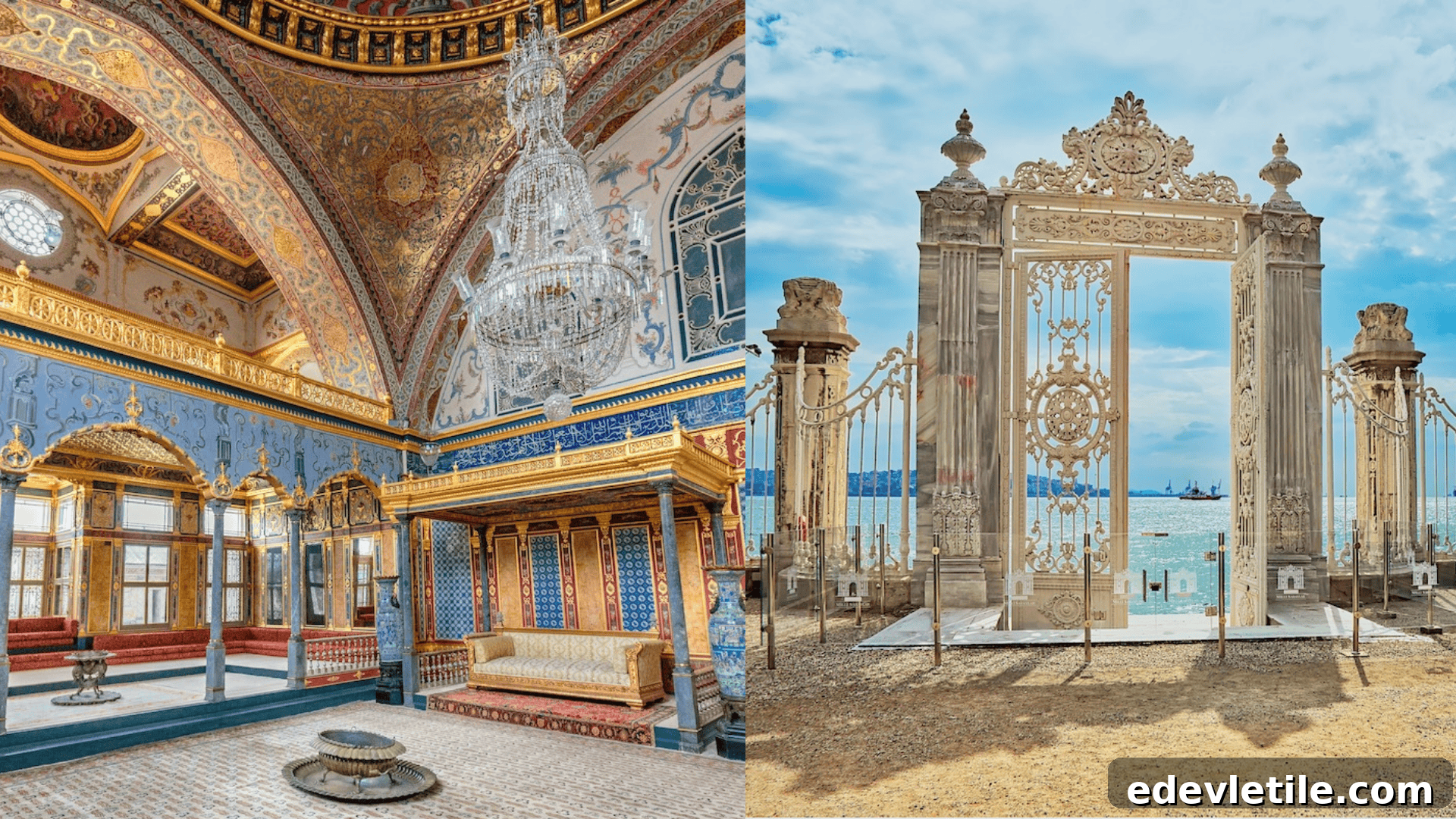
Which top Istanbul attraction is better: Topkapı or Dolmabahçe? Discover the history and secrets of the Ottoman Empire at these two iconic palaces.
If you’ve seen any Turkish historical drama (we’re looking at you, Magnificent Century), you’ve likely imagined walking the same halls once traversed by sultans, viziers, concubines, Hürrem Sultan, and eunuchs. Topkapı feels like that living history. Dolmabahçe, by contrast, seduces with a European-influenced grandeur: grand staircases, crystal chandeliers, silk carpets and ornate salons.
Choosing between Topkapı Palace and Dolmabahçe Palace is less about “better” and more about the experience you want: classic Ottoman courts and relics or 19th-century European glamour and spectacle. This guide compares both palaces so you can decide which fits your Istanbul itinerary.
We live in Istanbul and have visited both Topkapı and Dolmabahçe many times. Below you’ll find a concise, up-to-date comparison covering ticketing, history, what to expect inside, accessibility, visitor experience, and tips for families.
Information checked and updated in January 2026.

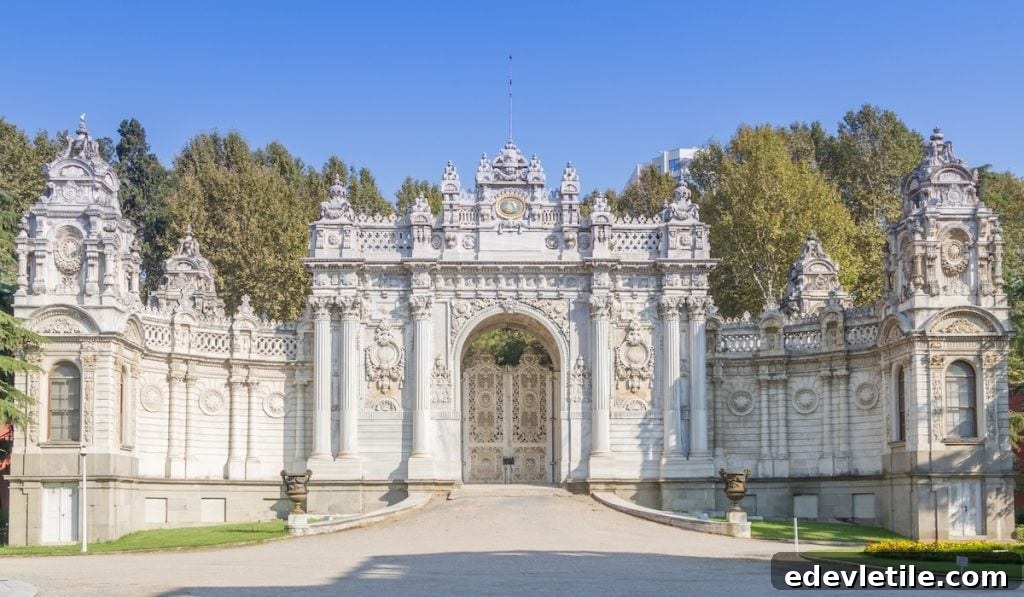
Topkapı Palace or Dolmabahçe Palace: Overview
Here’s a quick comparison of the two palaces to help you choose:
| Topkapı Palace | Dolmabahçe Palace | |
|---|---|---|
| Price (Jan. 2026) | Topkapı Combo Ticket — 2,750 TL | Dolmabahçe Combo Ticket — 2,000 TL |
| Visit length | 2.5 to 4 hours | 1.5 to 2 hours |
| Audio guide | Yes, free | Yes, free |
| Photography | Allowed almost everywhere except the Sacred Relics | Not allowed inside; exterior only |
| Opening hours | 9 AM–6 PM (closed Tuesdays) | 9 AM–6 PM (closed Mondays) |
| Location | Sultanahmet (Old City) | Beşiktaş (Bosphorus waterfront) |
Ticket Prices
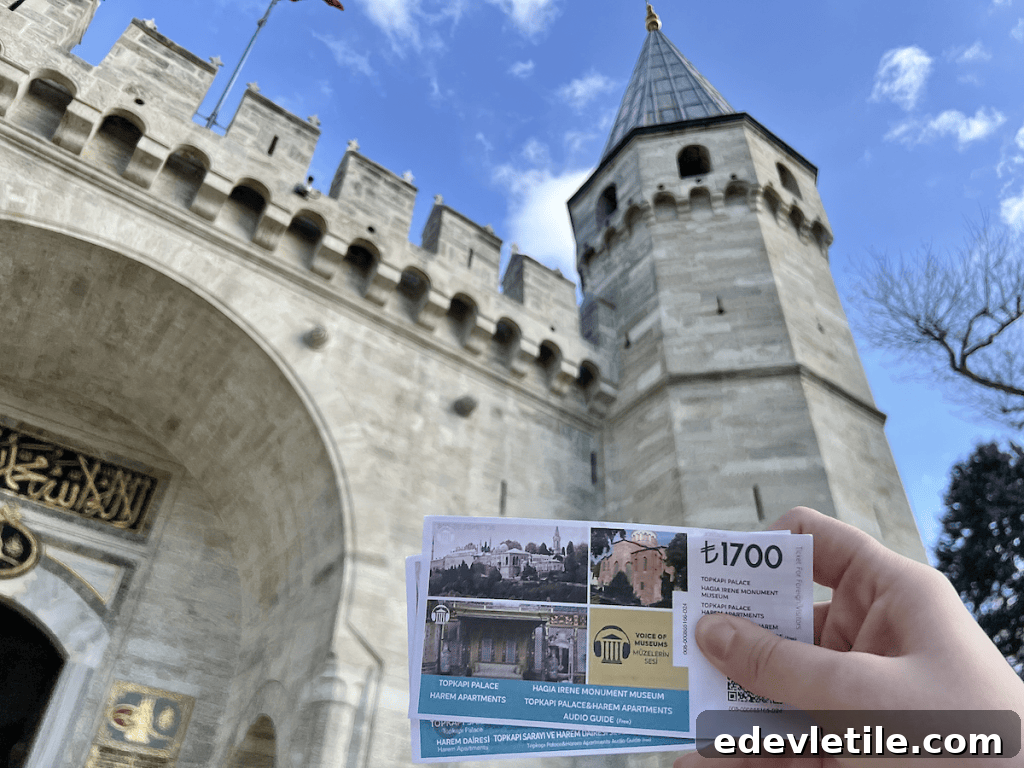
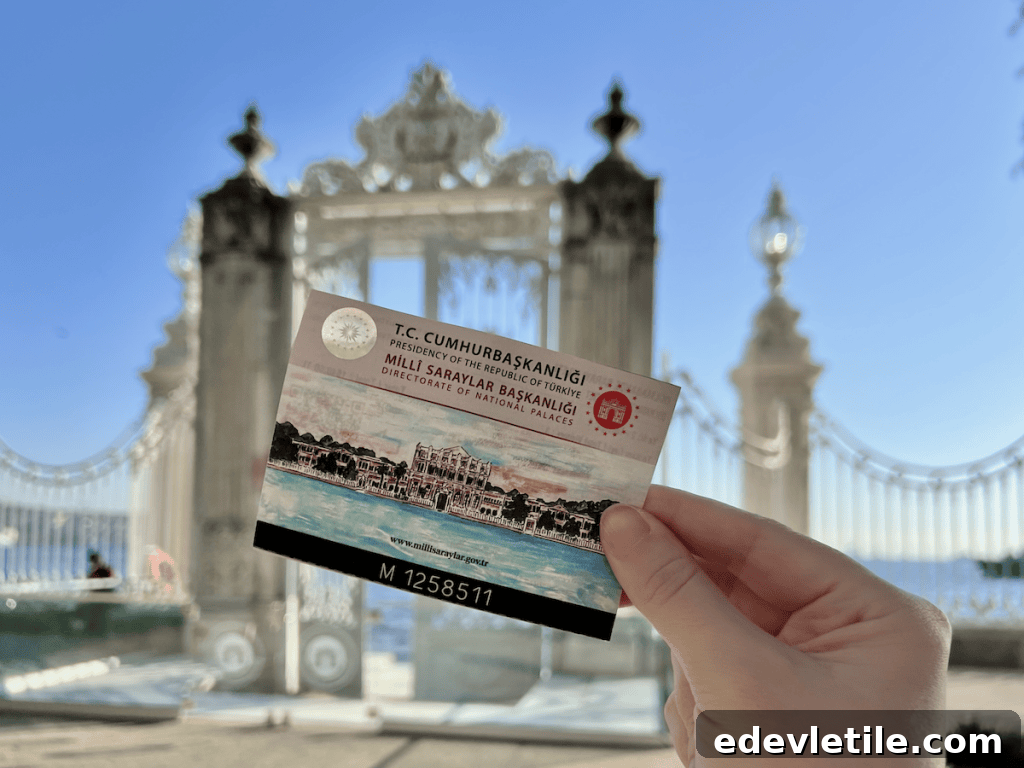
Ticket structures differ: Topkapı sells separate Harem and Hagia Irene tickets plus a combo that covers all courtyards and buildings, while Dolmabahçe offers a single ticket that covers the main ceremonial halls, the Harem, and the Painting Museum.
Topkapı Ticket Options
– Harem only — 1,050 TL
– Hagia Irene only — 1,050 TL
– Combo (Palace + Harem + Hagia Irene) — 2,750 TL
Dolmabahçe Ticket
– Selamlık + Harem + Painting Museum — 2,000 TL
Topkapı’s combo ticket costs more but includes more to explore. If you dislike waiting, consider skip-the-line or guided options that provide priority access and a short orientation before you explore independently. Note: the Museum Card has restrictions and may not cover Harem sections or specific palace areas.
Recommendation: If you’re short on time or budget, Dolmabahçe offers a compact, impressive visit. If you have several hours and want a deeper imperial experience, Topkapı’s combo ticket is worth it.

Historical Significance
Topkapı represents the classical Ottoman empire. Built after 1453 by Sultan Mehmed II, it was the administrative and residential center of the sultans for nearly four centuries. The complex tells the story of empire-building, court life, and Ottoman governance.
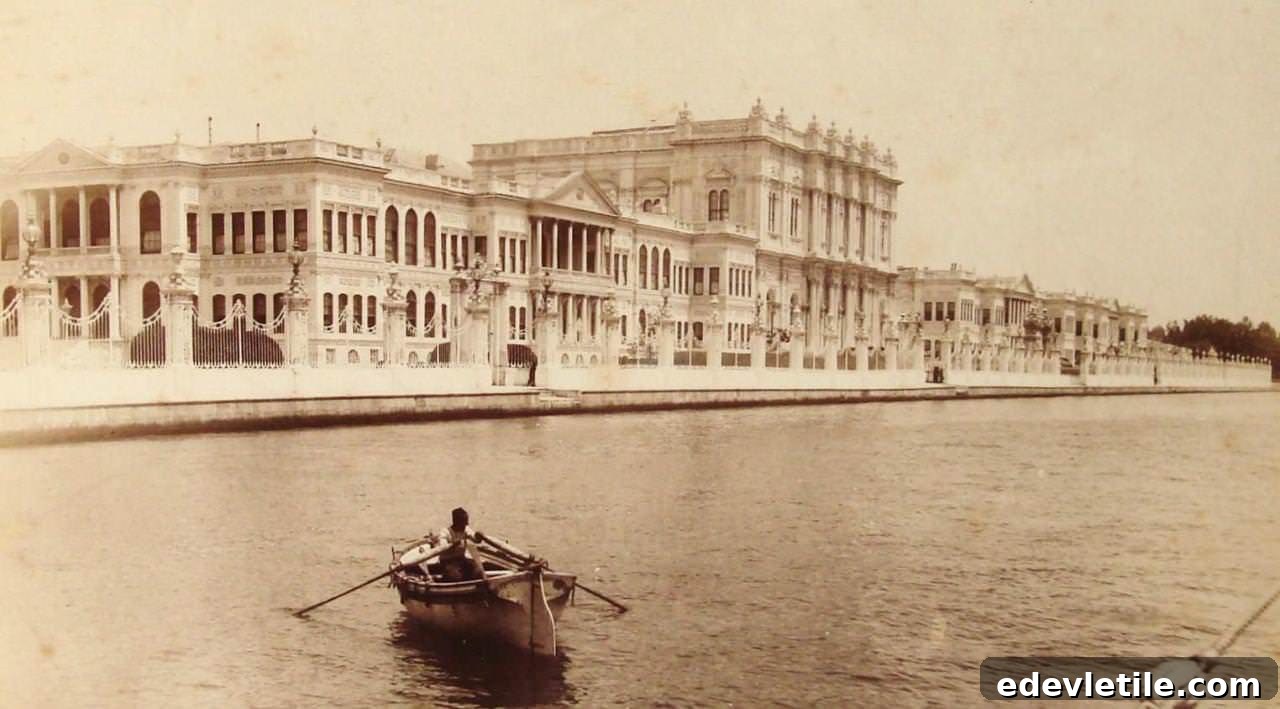
Dolmabahçe reflects the empire’s 19th-century turn toward Western styles and modernization. Constructed under Sultan Abdülmecid I, it blends Ottoman and European Baroque, Rococo, and Neoclassical styles and introduced innovations like gas lighting and elevators. It also has modern historical significance: Mustafa Kemal Atatürk died here in 1938.
Recommendation: Choose Topkapı for deep Ottoman history, sacred relics and layered exhibits. Choose Dolmabahçe for Belle Époque elegance, dramatic interiors and stage-like reception rooms.
Size & Time Needed
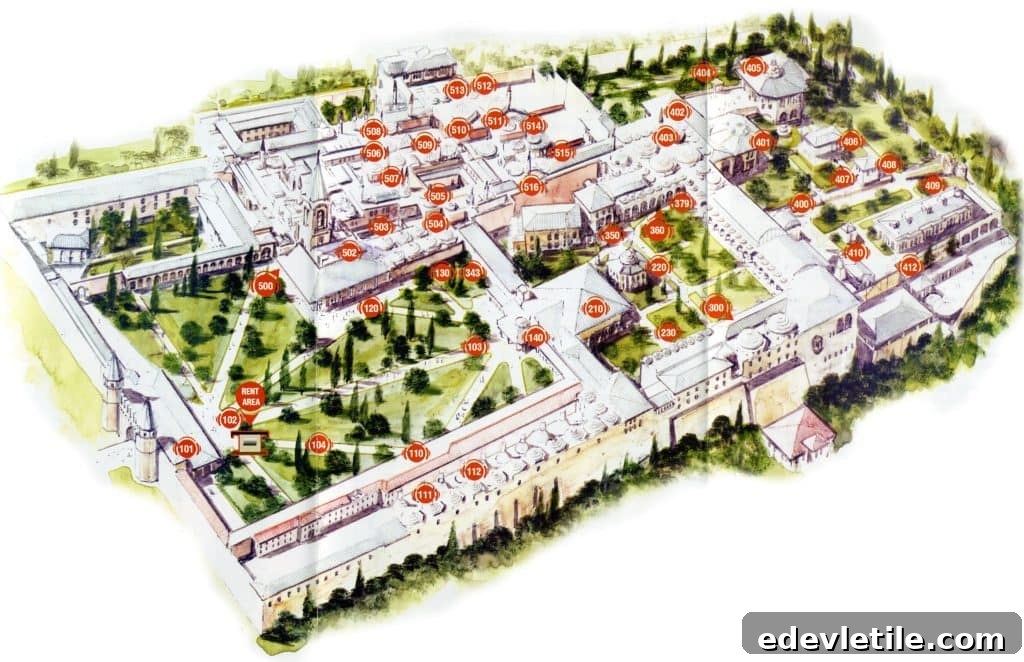
Topkapı is vast—about 70,000 sq. meters with hundreds of rooms, multiple courtyards, kitchens, pavilions, and museum exhibits—so plan for at least 2.5 to 4 hours to see the highlights. Many visitors dedicate a half or full day.
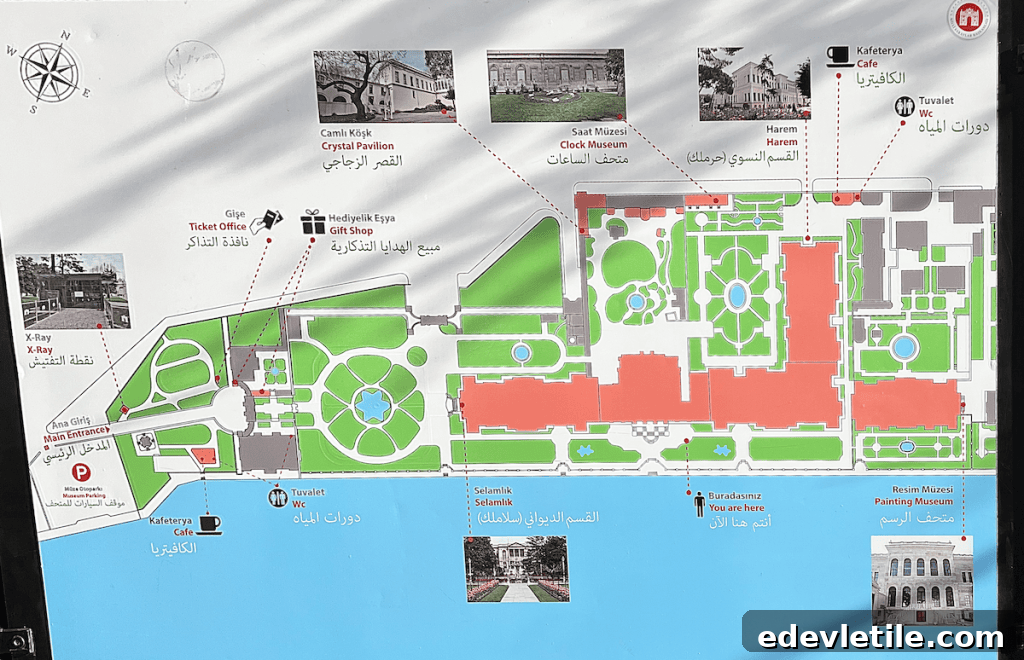
Dolmabahçe is more compact—around 45,000 sq. meters with a defined visitor route through the ceremonial halls and Harem—so most visitors finish in about 1.5 to 2 hours.
Recommendation: Short on time? Pick Dolmabahçe. Want depth and variety? Topkapı rewards a longer visit.
Note: Neither palace is the largest in Istanbul; Çırağan Palace is larger and now operates as a luxury hotel.
What You’ll See Inside (Architecture & Interiors)
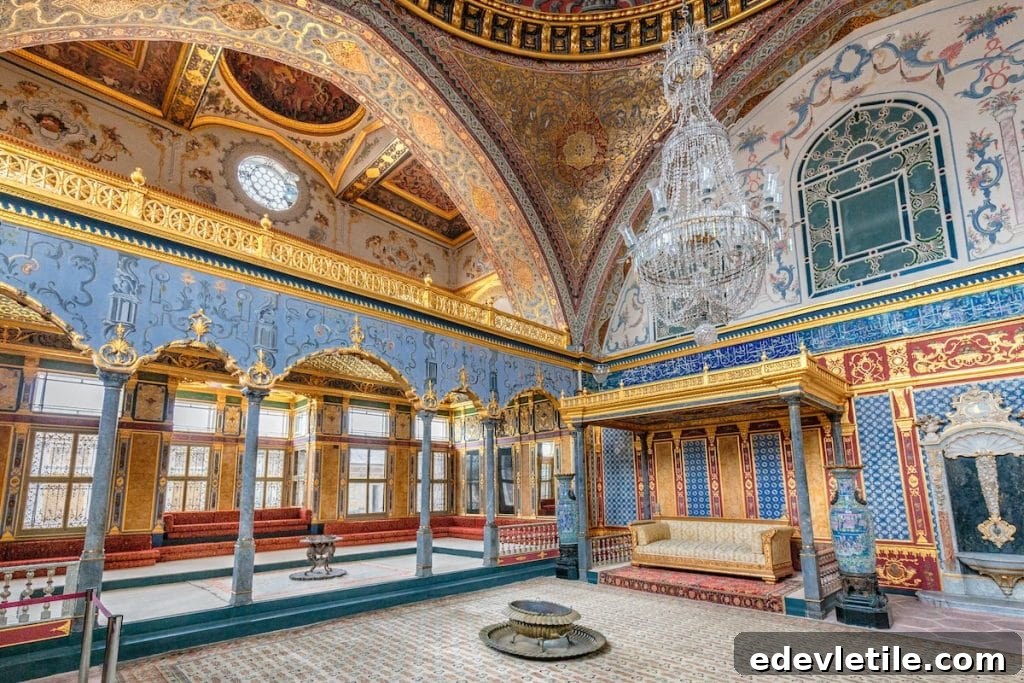
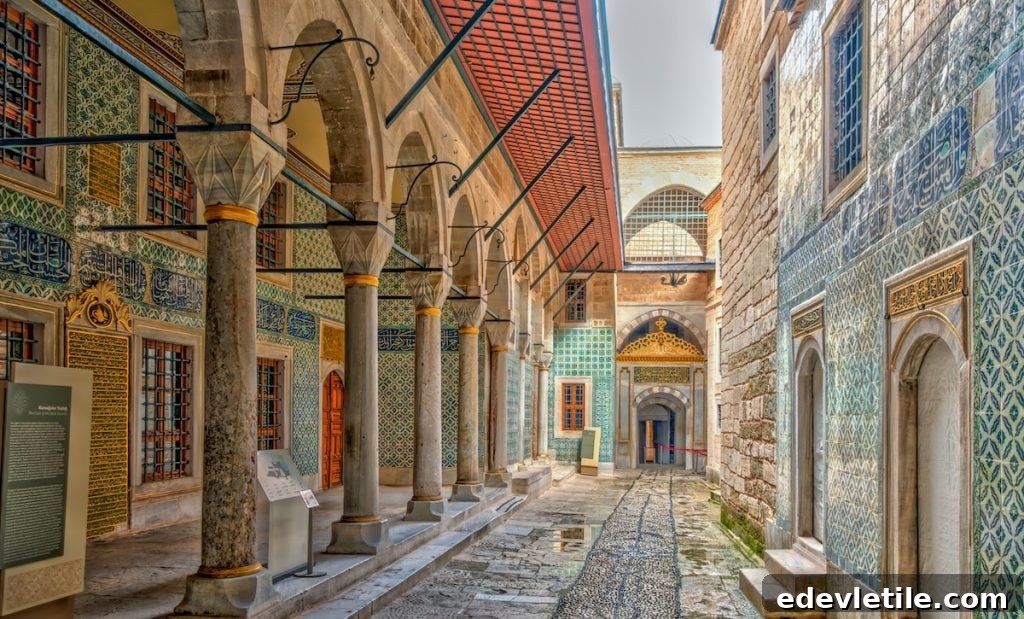
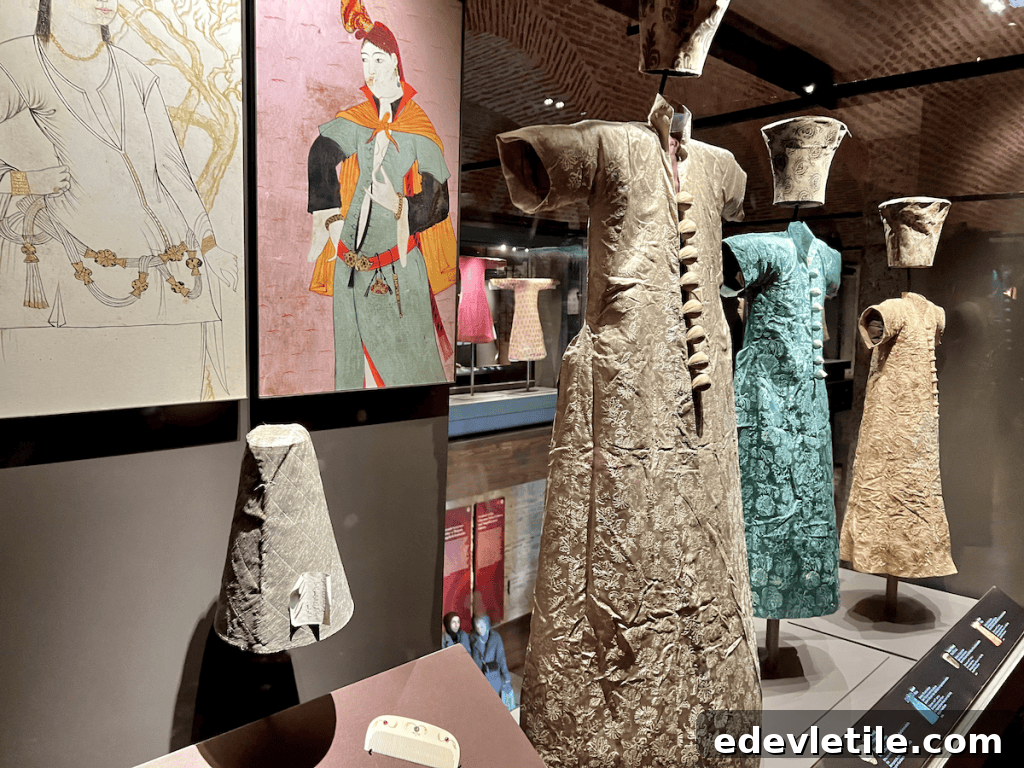
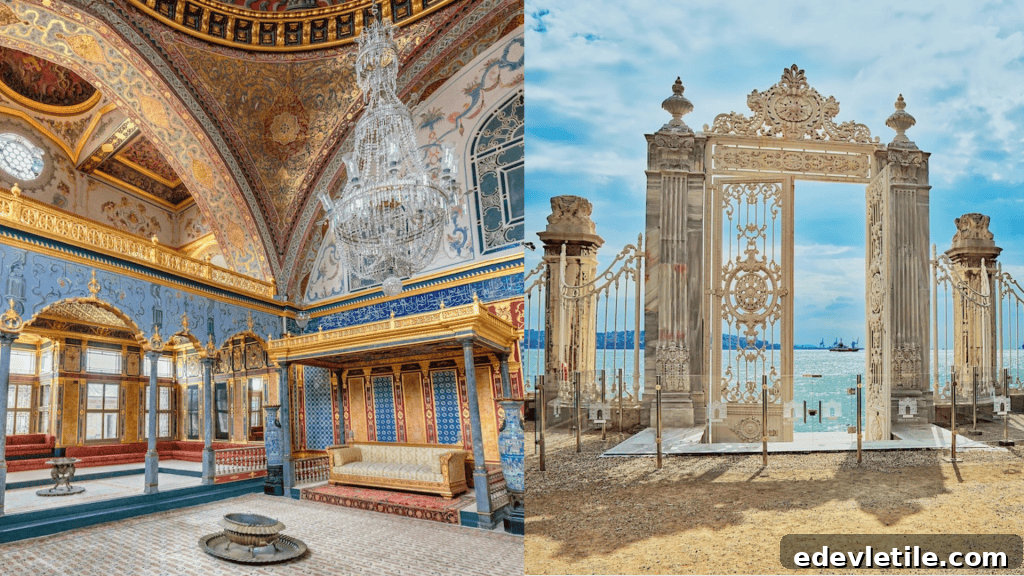
Topkapı feels like a campus of museums: separate buildings and courtyards containing the Imperial Harem, Chamber of Sacred Relics, Imperial Treasury, kitchens, and the armory. Expect rich Iznik tilework, intimate courtyards and dozens of small rooms filled with artifacts.
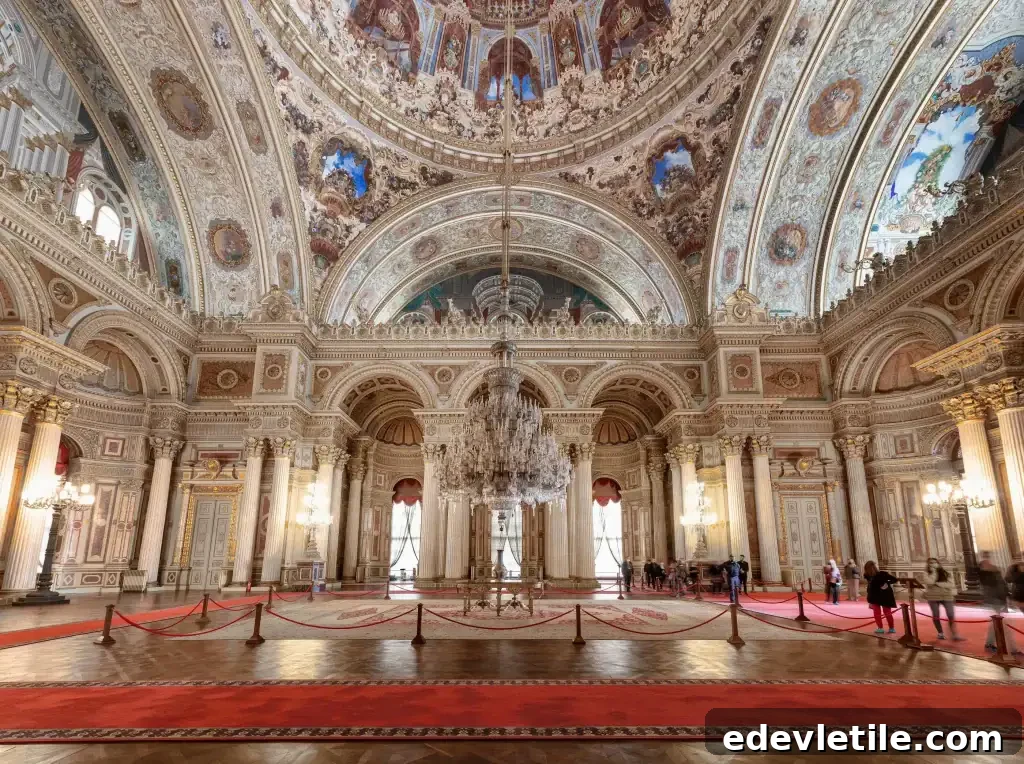
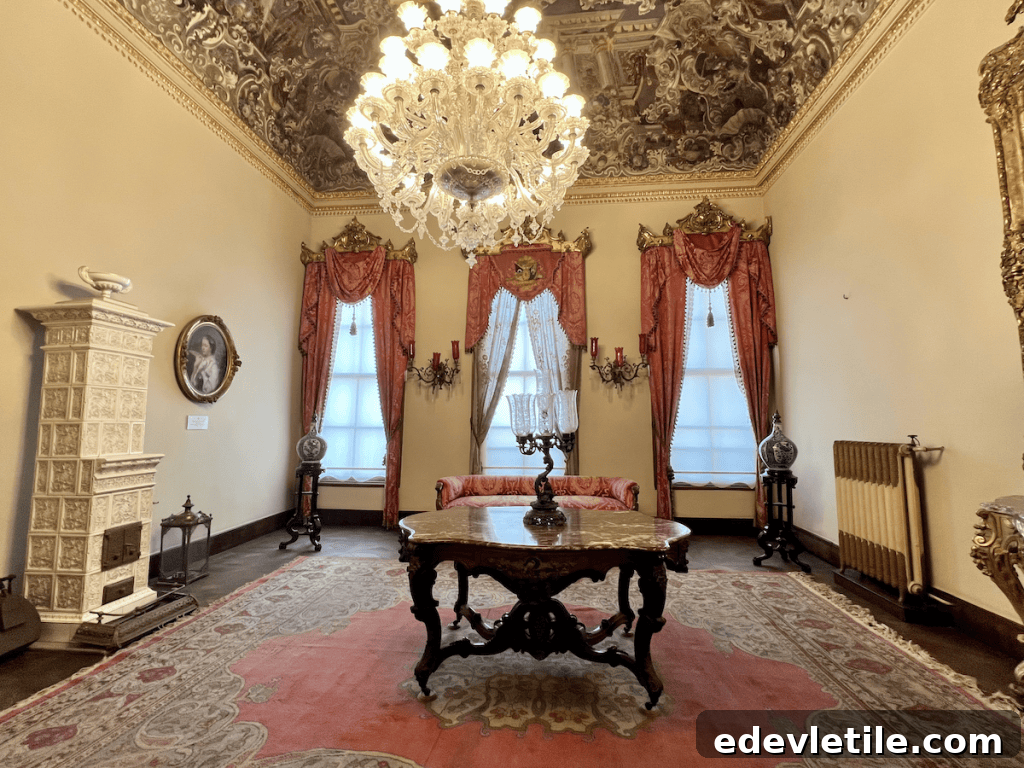
Dolmabahçe offers a single, cohesive experience across grand, ceremonial spaces: the Selamlık and Grand Hall with its enormous crystal chandelier and the famous Crystal Staircase; the Harem with richly furnished private suites; and the National Palaces Painting Museum with 19th-century works.
Recommendation: Pick Topkapı for varied exhibits, sacred relics and historic atmosphere. Pick Dolmabahçe for theatrical interiors, chandeliers and a more formal, grand presentation.
Location & Operating Hours
Topkapı sits in Sultanahmet, a short walk from Hagia Sophia and the Blue Mosque, surrounded by transit and other historic sites. Dolmabahçe is on the European Bosphorus shore in Beşiktaş, scenic but a bit farther from the Old City—easily reached by tram, taxi or ferry from central neighborhoods.
Typical opening hours for both palaces are 9 AM to 6 PM; Topkapı is closed Tuesdays, Dolmabahçe is closed Mondays. Both may close for major national holidays, so check local schedules when planning your visit.
Recommendation: Stay close to Sultanahmet and Topkapı is more convenient; stay near Taksim, Karaköy or Beşiktaş and Dolmabahçe may be easier to reach.
Visitor Experience
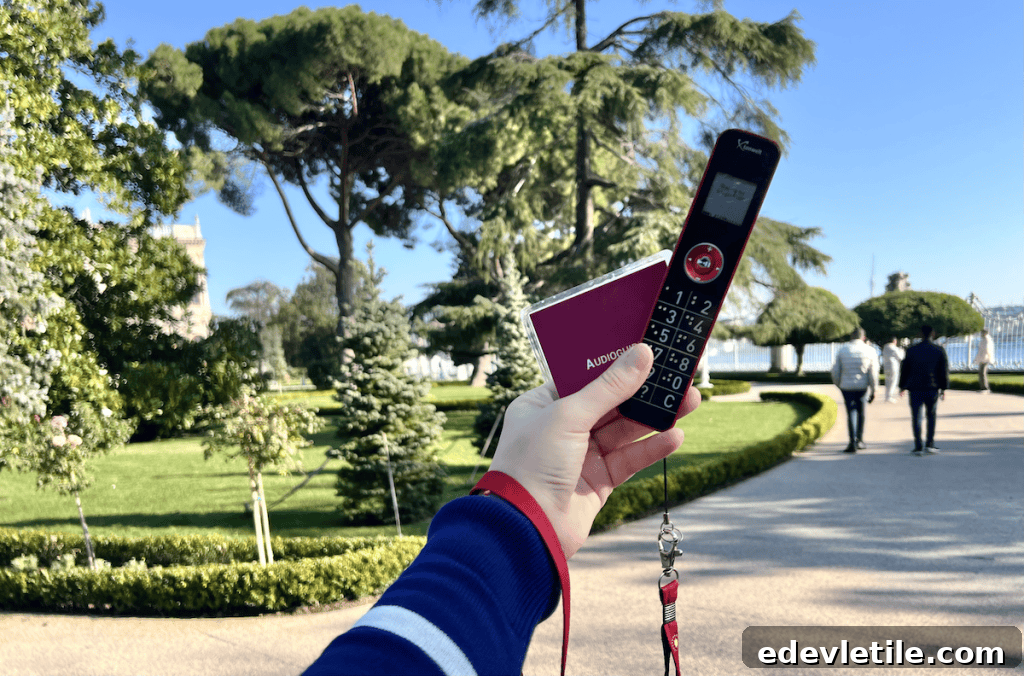
Topkapı is more flexible and semi-self-guided: audio guides are available and you can wander most areas at your own pace. Expect more walking and the chance to linger at displays.
Dolmabahçe follows a timed, structured route through the major rooms; visitors move along a set path that creates a smooth, curated experience but leaves less room for independent exploration. Photography rules differ: Topkapı allows photos in most areas except the Sacred Relics; Dolmabahçe prohibits interior photography and enforces it strictly.
Recommendation: Choose Topkapı if you want freedom and photography; choose Dolmabahçe for a polished, efficient tour of grand interiors.

Amenities
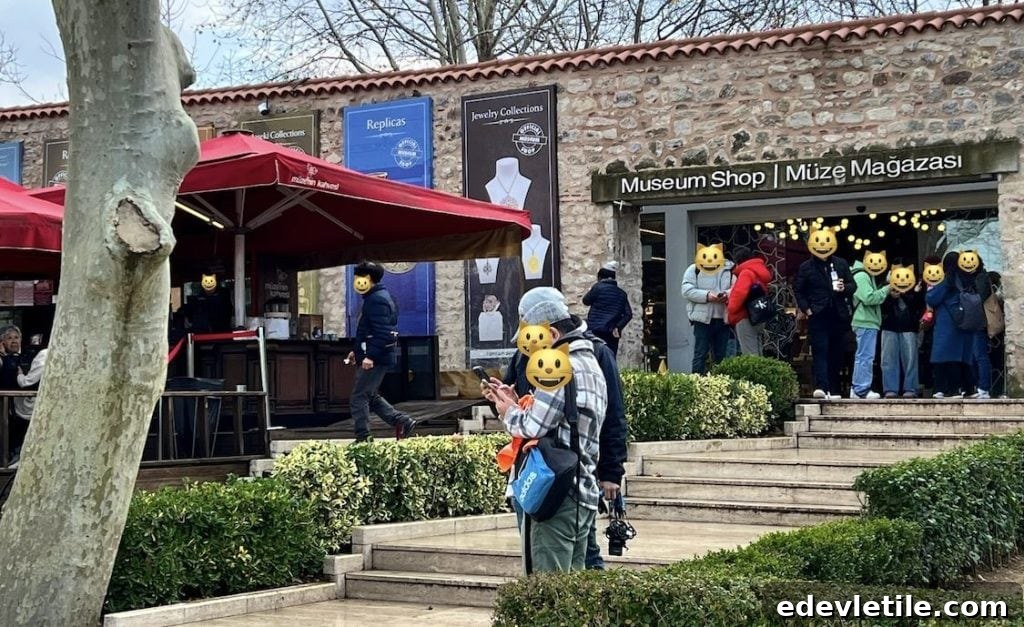
Both palaces provide restrooms, cafes and gift shops. Topkapı has several courtyard cafes and reasonable prices; Dolmabahçe offers cafes including a pleasant glasshouse-style café near the Painting Museum. Both sites sell themed souvenirs tied to their histories.
Conclusion: Amenities are comparable and visitor-friendly at both palaces.
Topkapı vs Dolmabahçe With Kids
Both palaces are family-friendly but different. Topkapı’s open courtyards and gardens let kids move more freely, though the walking and exhibits can be tiring. Dolmabahçe’s interiors are dazzling but more restrictive—better suited to older children who can follow rules and appreciate the grandeur.
Recommendation: Younger, active kids do better at Topkapı; older children who enjoy ornate interiors may prefer Dolmabahçe.
So… Which Palace Should You Visit?
If you want classical Ottoman history, sacred relics and a slow, museum-style visit, choose Topkapı. If you prefer fast-paced, theatrical elegance with dazzling interiors and a more compact route, choose Dolmabahçe. If possible, visit both: together they offer a rounded picture of Istanbul’s imperial past—Topkapı rooted in tradition and Dolmabahçe leaning toward modernity.
Whichever you choose, each palace offers a memorable glimpse into Ottoman and Turkish history. Enjoy the visit and wear comfortable shoes for Topkapı’s expanses or dress for a formal-feeling tour at Dolmabahçe.
Buy Your Ticket
Picture yourself wandering gilded halls or strolling Ottoman courtyards—book tickets or guided options in advance to save time, especially during peak season. Advance booking can reduce lines and ensure access to Harem sections, which sometimes have limited capacity.