Exploring Harran’s Ancient Beehive Houses: History & Visitor Guide
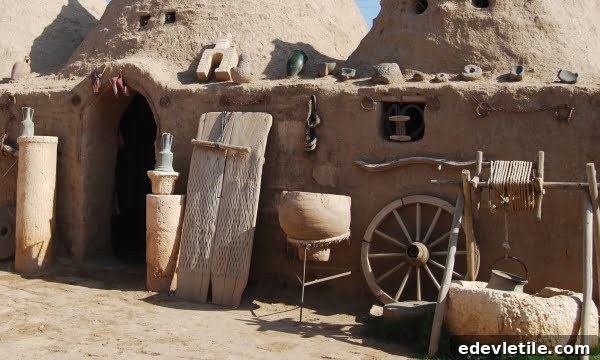
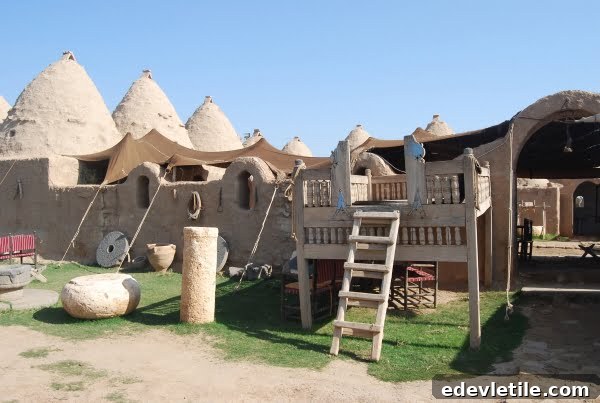
I had pictured the beehive houses of Harran as small and uncomfortable, but seeing them changed that impression. The domes link together through arched passageways to form a larger dwelling clustered around a central courtyard, creating a communal living arrangement rather than isolated tiny huts.
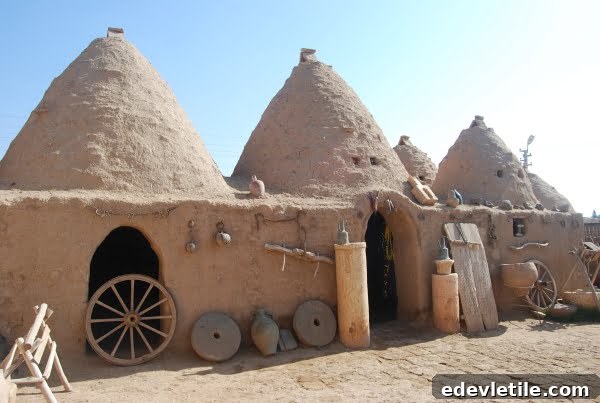
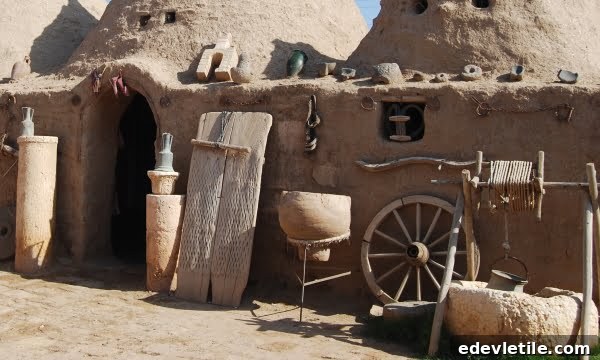
They are not luxurious, yet they are far from merely makeshift shelters. Built from local brick and mud, these structures are thoughtfully designed for the climate: cool and shaded in summer and warm during colder months, a practical and efficient vernacular architecture.
Harran is associated with the prophet Abraham, though it’s unclear whether people of that era lived in beehive domes or nomadic tents. This form of housing is not unique to the region; beehive-like dwellings have been identified in many parts of the world, with some examples dating back to around 2000 BC.
The surviving beehive houses in Harran are believed to be around two hundred years old. With tourism being an important source of income, locals opened cultural houses to welcome visitors. I chose to tour one of these cultural houses to get a closer look.
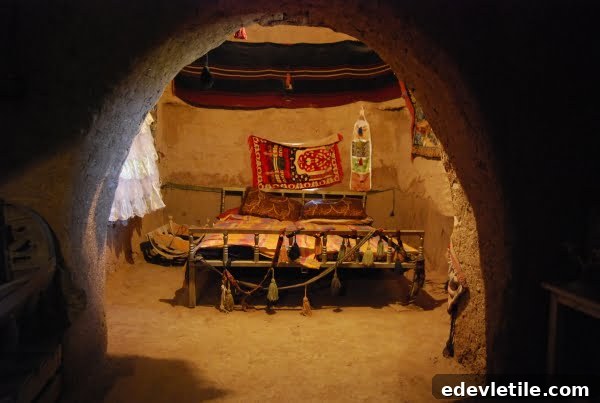
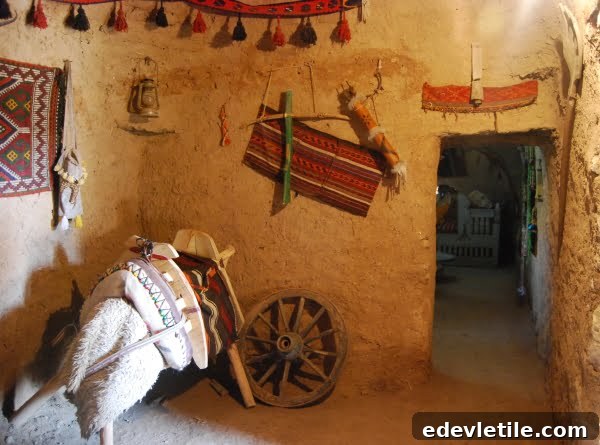
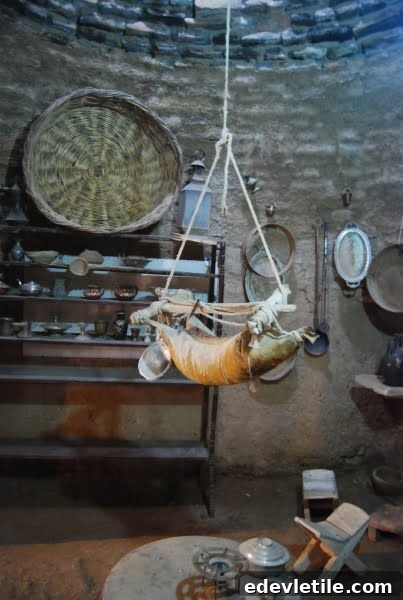
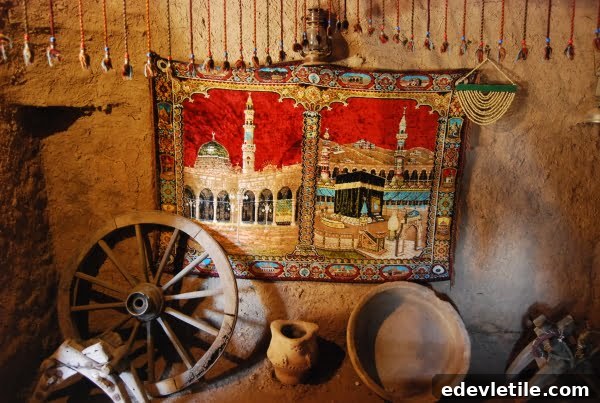
Each section of a beehive house serves a clear purpose: separate storage spaces for food, kitchens, sitting areas, and sleeping quarters. The cultural house I visited was furnished with traditional items and utensils, giving a good sense of daily life in earlier times.
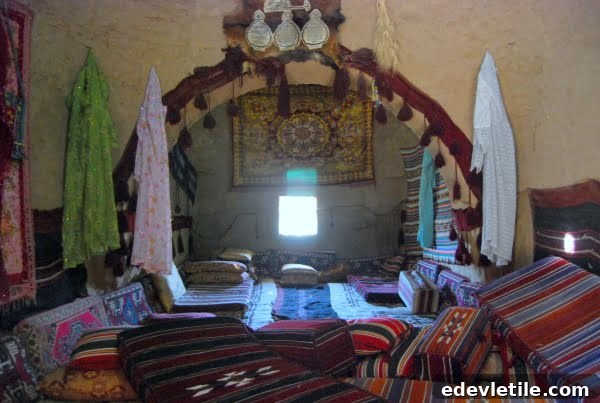
After the tour I tried on local clothing and relaxed on floor cushions. It was a pleasant, slightly staged tourist experience, but throughout my visit I was aware of tensions nearby that reminded me the region was not entirely peaceful.
Where are the beehive houses of Harran?
The beehive houses stand in southeastern Turkey, near the city of Şanlıurfa (Urfa) and not far from the Turkish–Syrian border. Many friends warned me against the trip because mortar fire from across the border had recently caused casualties in a nearby village, but Harran itself is roughly twenty minutes from the border and the hotel staff assured me it was safe to visit.
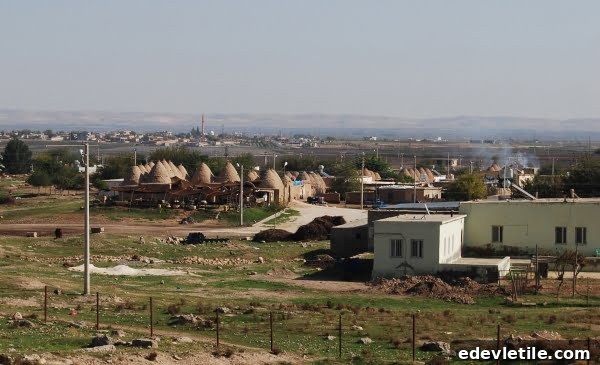
We drove about twenty-four miles southeast toward the border, then turned off toward Harran. The proximity to conflict made aspects of the visit feel surreal: children playing among ancient domes while, a short distance away, a civil war unfolded.
On a nearby hill soldiers were raising a very large Turkish flag, its scale seeming intended to make a visible statement across the landscape. At one point I heard a loud bang in the distance. It felt unsettling, but locals showed no sign of alarm—either they were accustomed to such sounds, or it was far enough away not to be dangerous.
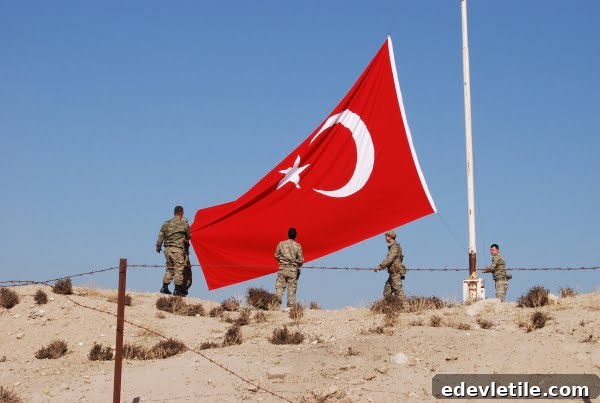
As I reflect on the visit, the border’s significance becomes clearer. For me it marked a no-go area; for many people living nearby—both Turkish and Syrian—it represents a profound shift that has affected lives, livelihoods, and mobility.
Locals in Harran told me tourism had largely dried up. Before the Syrian conflict they welcomed hundreds of visitors weekly; now they are fortunate to receive a few visitors each day. The uncertainty weighs heavily on the community and everyone I spoke with expressed a wish to return to normalcy, though no one could say when that might happen.
How to get to Harran Beehive Houses
Daily buses run from Şanlıurfa city center, but there is no direct route to Harran. The usual approach is to take the Akçakale bus and get off at the turn for Harran, which still leaves a long walk to the site. Because local connecting services are limited, hiring a car for the day is a practical option and allows time to visit nearby Göbekli Tepe in the afternoon.
Readers Question: Could you live in a beehive house?
[wp_geo_map]