Turkey Is Open for Travel: Don’t Cancel Your Holiday Plans
Update – July 2016 – If you are here seeking information after the July 15th coup attempt in Turkey, follow guidance from your government’s travel department. Insurance and other protections can be invalidated if you act contrary to official advice.
As of July 18, the U.S. State Department updated its guidance:
“In light of the July 15 coup attempt and its aftermath, we suggest U.S. citizens reconsider travel to Turkey at this time. This replaces the Travel Warning dated June 27, 2016.”
As of July 17, the UK Foreign Office updated its advice:
“The situation in Turkey appears to be calming following an attempted coup overnight on 15-16 July. The security environment, however, remains potentially volatile. Following earlier disruption, flights to and from airports in Turkey are returning to normal, although some disruption remains and you should check with your airline or tour operator before travelling.”
————————————————————————
Update January 2016 – After the bomb in Sultanahmet Square, readers have asked whether I have changed my view about travelling in Turkey. I have not: my assessment remains the same. For more context, see my previous thoughts on terrorism and travel safety in Turkey.
Update June 30, 2015 – If you arrived here concerned about the incident in Tunisia or threats related to ISIS and Syria, please refer to my separate article addressing those specific concerns.
Update June 15, 2015 – If you found this page because of a sensational article in the Daily Express on June 13, please ignore alarmist headlines. Even the British ambassador described the coverage as misleading and overstated.
The British Embassy in Ankara also published a statement emphasizing that overall travel advice for Turkey has not significantly changed. They remind travellers that, apart from advice to avoid areas near the Syrian border, the overall terrorist threat level in Turkey has remained unchanged and most visits are trouble free.
Update June 14, 2015: Traffic to this page has risen, likely because of concerns about ISIS. The original article below refers to the Taksim protests of 2013, but if you are wondering whether it is safe to visit Turkey in 2015, see my updated article on that topic.
Original Article about safety in Turkey for holidaymakers
Over the past few days I’ve received many emails, messages and comments asking the same questions:
Should I cancel my holiday to Turkey?
Will my family be safe?
Most mainstream images focus on Taksim, showing tear gas, water cannon and vandalism, which can create the impression the same scenes are occurring nationwide. That is not the case. While serious unrest has occurred in some cities, many demonstrations elsewhere have been peaceful.
Some reports have used the word “riots” broadly, but that overstates the situation in many locations. It is also worth noting that longstanding travel advisories have been misrepresented by some outlets. For example, warnings to avoid travel in certain provinces near conflict zones have been in place for years and have little relevance to mainstream tourist destinations.
The most recent, practical advice from foreign offices has been straightforward: avoid demonstrations. That is common-sense guidance and does not equate to a blanket instruction to cancel holidays across the country.
Should You Cancel Your Holiday?
I will not pretend everything is fine everywhere. Turkey is experiencing significant domestic tensions with complex causes. Explaining them in full would require lengthy political analysis beyond the scope of this blog. If you want to discuss details, contact me and I can connect you with people knowledgeable about the political context.
Regarding your holiday: despite the unrest, tourism continues to operate. Hotels, restaurants, shops and attractions in most tourist areas remain open. You can still relax on beaches, visit historic sites, shop for souvenirs or enjoy nightlife in areas unaffected by demonstrations.
To illustrate, I visited the coastal resort of Altinkum and took photographs showing normal daily life.
A Day in Altinkum
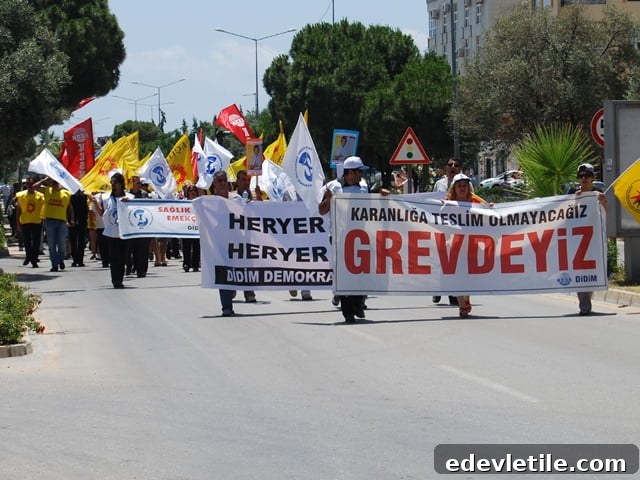
Around midday I encountered a demonstration of roughly 100 people marching along the high street. There was chanting and noise but no violence, tear gas or water cannon. Police were present directing traffic and life went on around it.
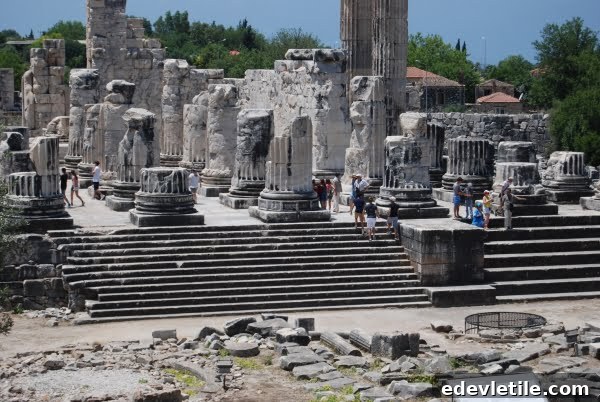
I then visited a local historical site where tourists were walking among ruins. The Apollo temple was open as usual.
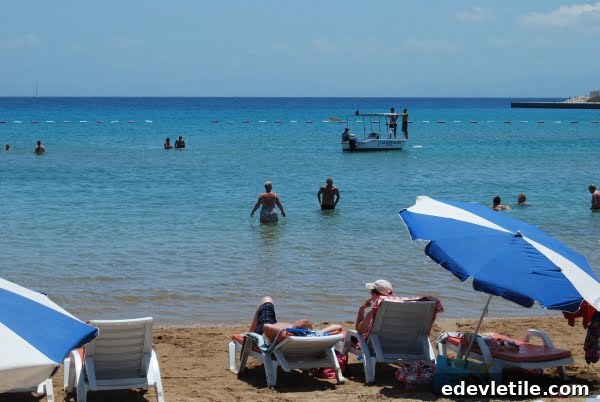
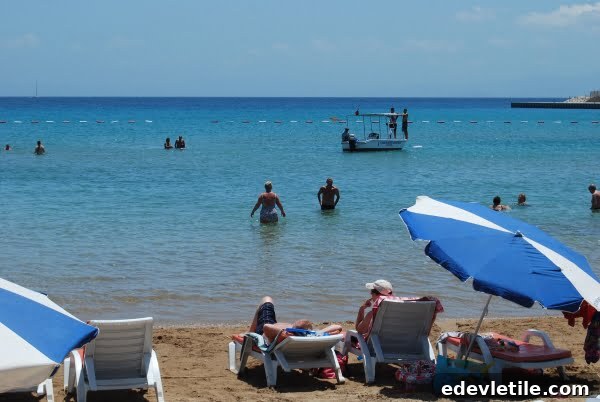
At the third beach, people were swimming, sunbathing and dining at nearby restaurants.
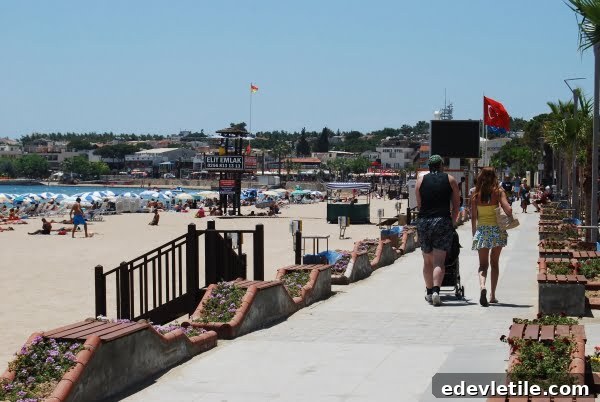
Altinkum’s main beach and promenade were busy with tourists and businesses operating as normal.
Later I visited a supermarket, had drinks in a bar where people watched sport, and returned to my complex where neighbours relaxed by the pool. That is everyday life in many resort towns.
Do you see the point?
What about other areas in Turkey?
Turkey is a large country and situations vary by region. Local bloggers, tour operators and community pages in other tourist areas report similar experiences: demonstrations tend to be centred in specific locations and most tourist resorts remain peaceful and welcoming.
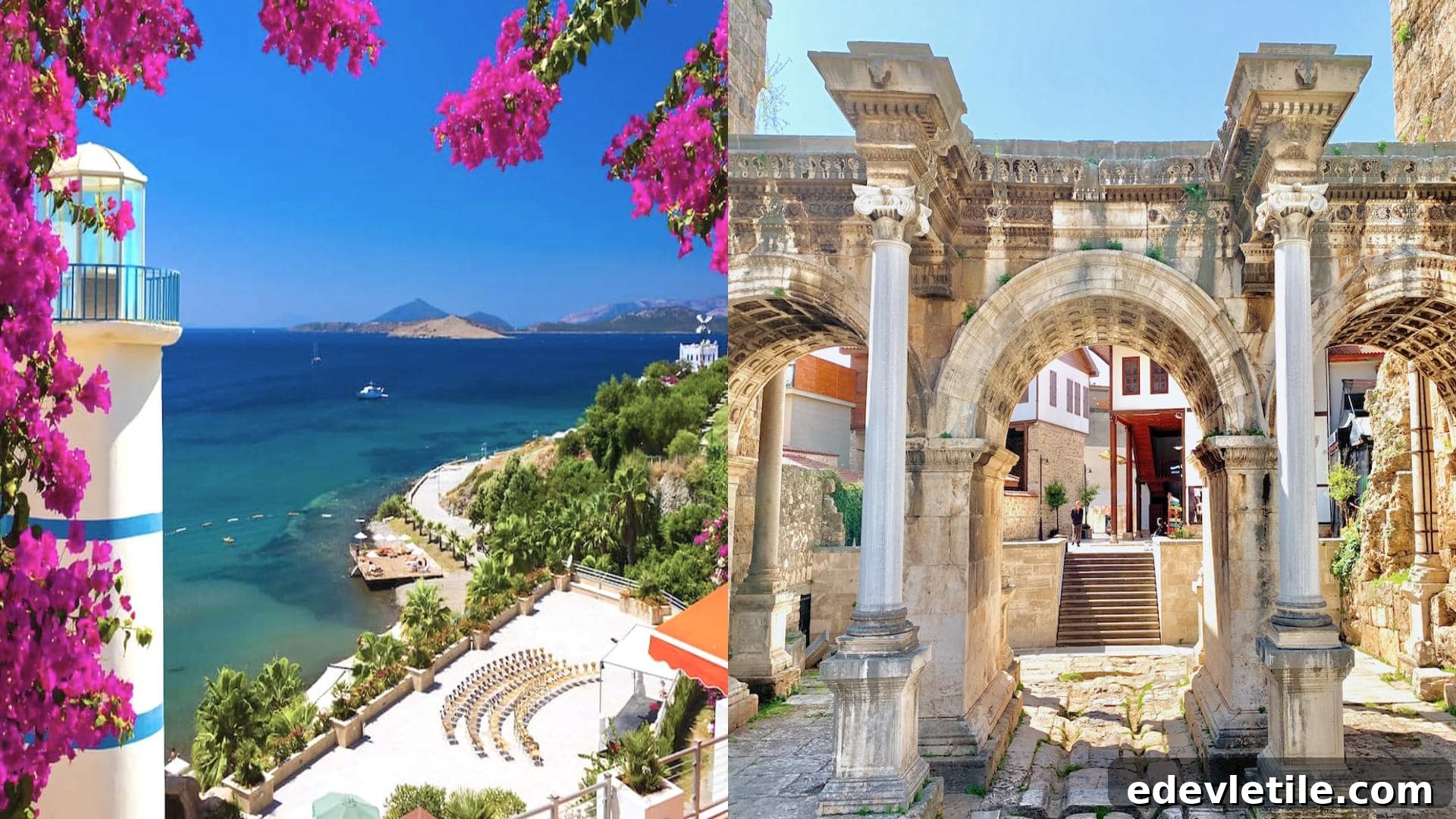
Local reports from Antalya, Kalkan, Fethiye and the Dalaman area confirmed that protests have generally not been aimed at tourists and that tourist districts are continuing business as usual. The consistent message from credible local sources is: avoid demonstrations and exercise common sense, but do not assume the whole country is unsafe.
Istanbul’s Taksim remains a hotspot to avoid while demonstrations are ongoing; follow local updates and travel advisories for the latest information.
If conditions for tourists changed significantly, local expat communities, travel companies and embassies would be among the first to alert travellers. For now, the hospitality sector continues to provide the same high level of service visitors expect.
There is no need to cancel your holiday to Turkey.
Tourism is operating as normal in most areas.
If you have questions, post them below or share recent first-hand information from any area of Turkey you’ve visited in the last week. You do not need a website to leave a comment.
Join the conversation on Facebook