Fener and Balat: Exploring Istanbul’s Historic Neighborhoods
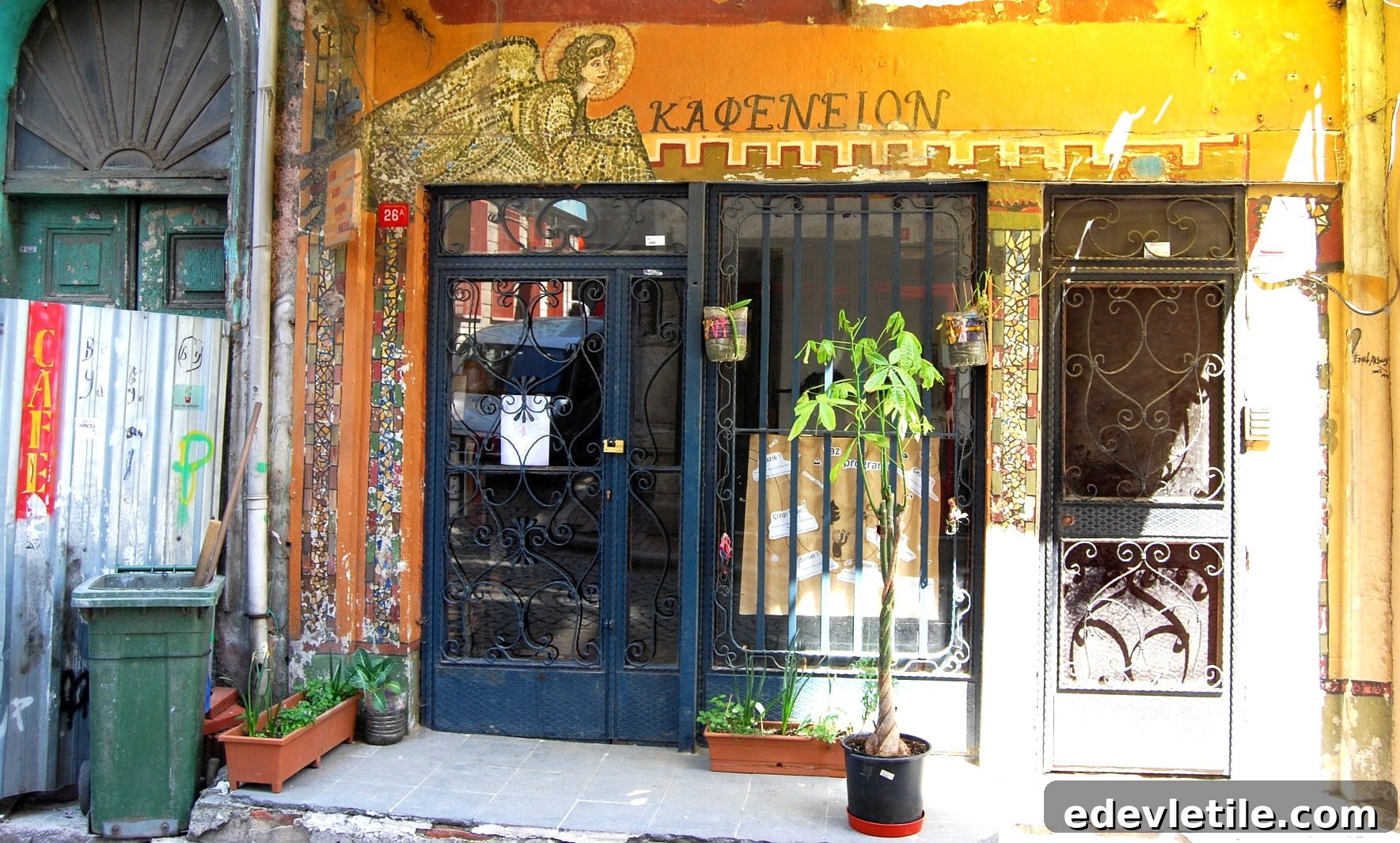
Over the past two decades the internet has reshaped how people travel. Today’s visitors increasingly seek authentic local experiences rather than only package holidays and crowded attractions. In Istanbul, guided walks through neighbourhoods like Fener and Balat illustrate this trend: travellers want to see everyday life, architecture and cultural layers that reveal the city’s real character.
Historically quieter quarters, Fener and Balat have evolved into lively districts appreciated for their mix of heritage and contemporary creativity. As one publication observed, the area has reclaimed an international, design-focused atmosphere while still retaining its deep historical roots. This blend of past and present is a major draw for explorers who want a deeper connection to Istanbul beyond the usual tourist route.
After the Ottoman conquest of Constantinople, the empire welcomed diverse communities to repopulate the city. Over centuries Fener and Balat became home to large Greek, Jewish and Armenian populations, creating a rich multicultural fabric that remains visible in buildings, religious sites and neighbourhood life.
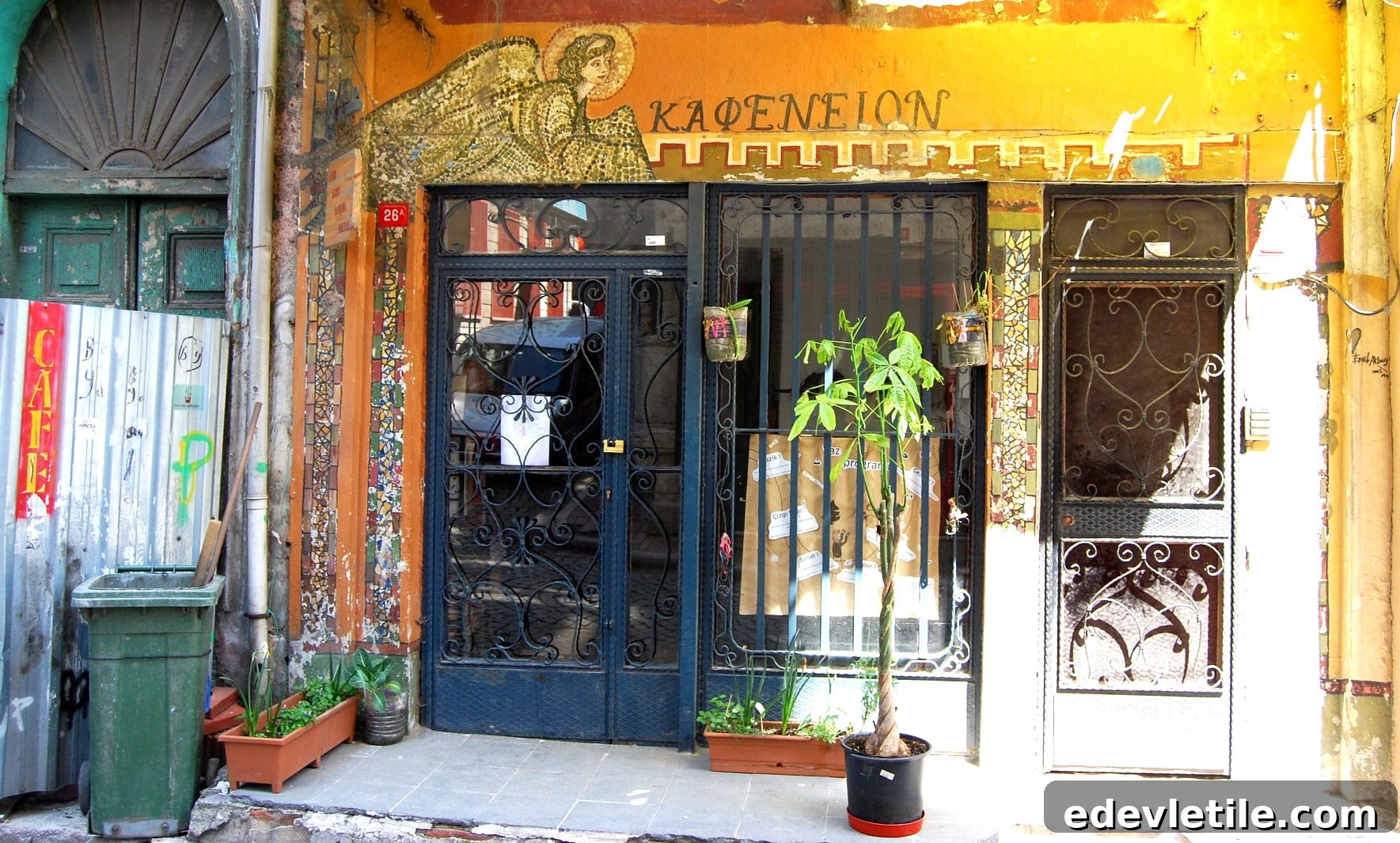
To get a local perspective for this article I spoke with Sinan Sokmen of Istanbul Tour Studio. He highlights that Fener and Balat offer distinct characters: both districts are historically meaningful, yet each presents a different window into contemporary Istanbul. Sinan lists his Fener and Balat walks among his most popular tours because they let visitors experience everyday routines, architecture, local shops and neighbourhood stories away from busy tourist sites.
Both neighbourhoods nearly vanished from frequent visitation in the late 20th century as neglect and decay prompted many residents to leave. A turning point came when restoration efforts supported by UNESCO and other initiatives helped repair and restore historic Ottoman houses. Since then Fener and Balat have slowly reinvented themselves as vibrant, cared-for districts that attract residents, designers and curious visitors alike.
About Fener
(By Sinan Sokmen)
Fener sits on the Golden Horn in Istanbul’s Fatih district. Its name derives from the Greek word fanari, meaning lantern, and in Turkish it is associated with a lighthouse. For roughly three centuries—from the 17th to the early 20th century—Fener was a prosperous Greek neighbourhood. Political turmoil and population exchanges around the time of the Turkish War of Independence and the Treaty of Lausanne led to the departure of many Greek residents, changing the area’s demographic makeup.
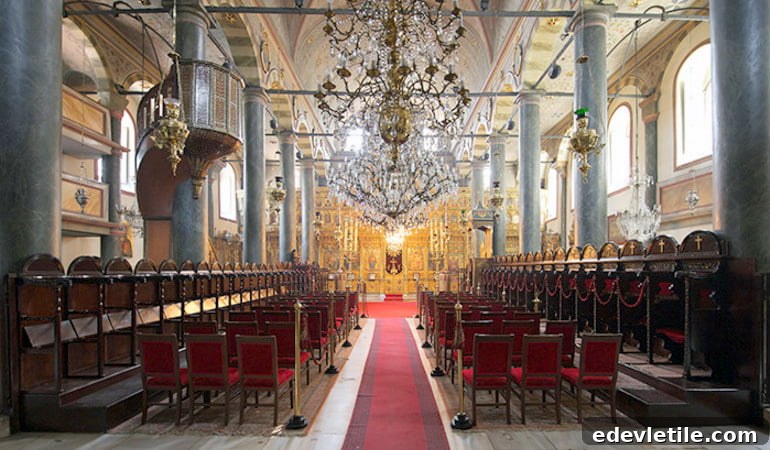
A defining landmark in Fener is the Ecumenical Patriarchate of Constantinople, the spiritual centre of the Greek Orthodox Church, locally known as Fener Rum Patrikhanesi. The Church of Saint George, dating back centuries, still holds services and preserves important relics such as an ancient patriarchal throne and sacred items connected to saints. For security and preservation reasons, visitors should expect controlled access to the site.
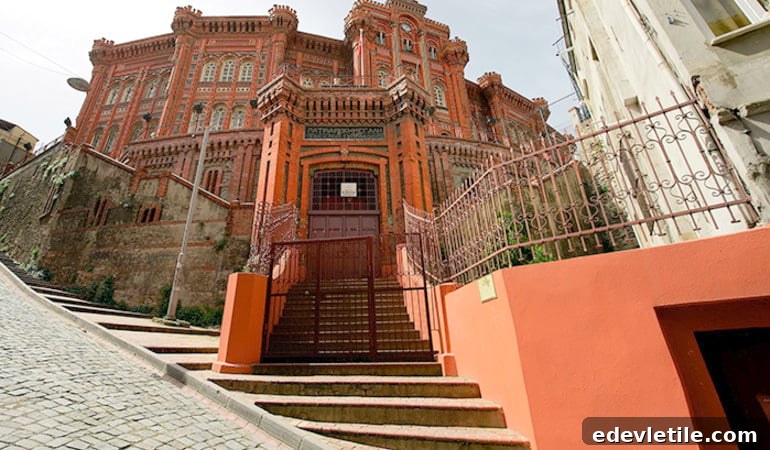
Nearby is the historic Phanar Greek Orthodox College, a striking red building locals affectionately call “the red building” or “the castle.” The school follows the Turkish curriculum while also teaching Greek language and culture, and its architecture makes it a notable part of the neighbourhood’s streetscape.
About Balat
(By Sinan Sokmen)
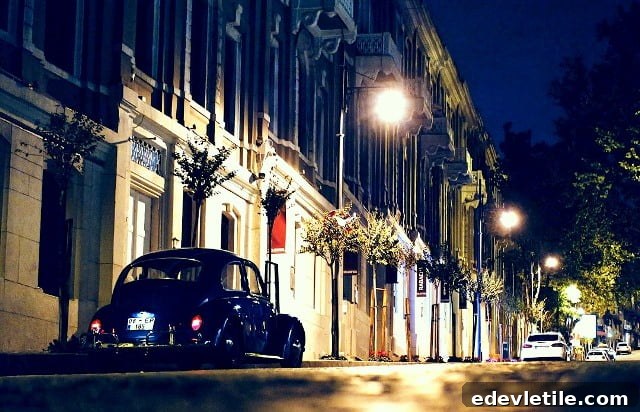
Adjacent to Fener, Balat was historically a Jewish quarter and today reflects a layered multicultural past shaped by Byzantine and Ottoman rule. Its narrow streets, simple daily rhythms and mix of religious buildings offer an intimate view of local life: neighbours chatting on doorsteps, men gathered in tea houses, children playing in the lanes, and laundry lines overhead.
Balat’s colourful houses and small, characterful shops have become popular subjects for photographers and visitors. On guided walks it’s common to drop into traditional barber shops for a close-up look at local customs, or to sample street food and home-style cafes that preserve regional flavours.
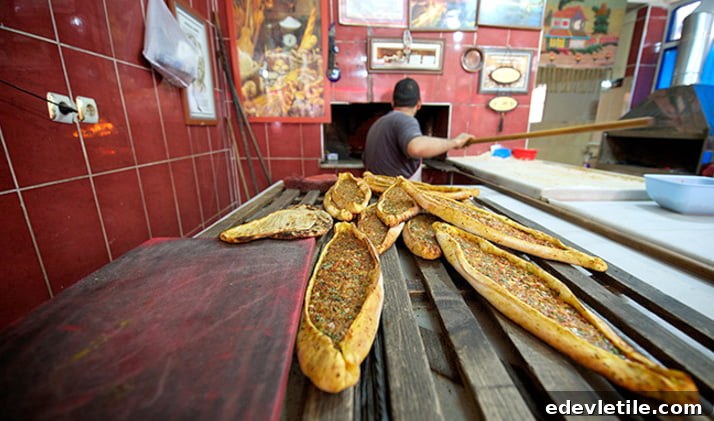
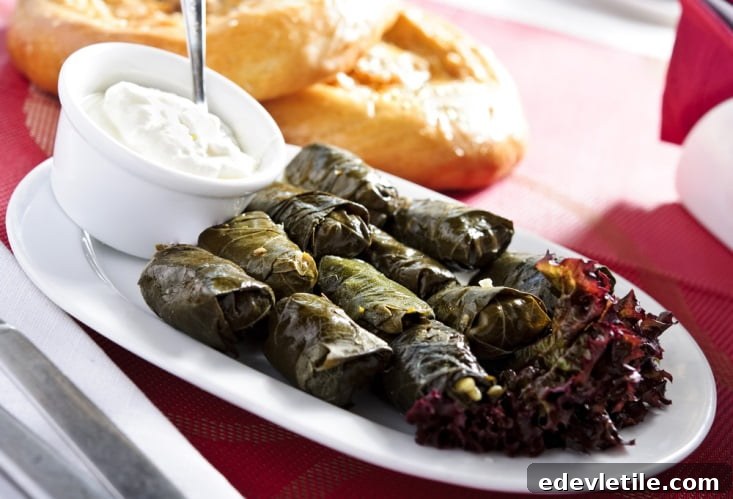
The neighbourhood also offers many inviting cafés and restaurants. Local favourites include Bohemian cafés serving classic Turkish dishes and Asitane, a restaurant known for recreating recipes from Ottoman palace kitchens. Other neighbourhood eateries and bakeries serve traditional pide, lahmacun and strong Turkish coffee, contributing to the area’s relaxed, approachable food culture.
Balat’s dense concentration of churches, mosques and synagogues illustrates its history of religious diversity. Nearby, the Chora Museum (originally the Byzantine Church of the Holy Saviour) showcases some of the finest surviving Byzantine mosaics and frescoes, rediscovered and restored in the 20th century and celebrated for their artistic and historical value.
A pleasant way to end a walk through Fener and Balat is to follow the old city walls toward the Ayvansaray area. These fortifications once protected Constantinople for centuries and remain a powerful reminder of the city’s long, complex history.
Further reading about Fener and Balat
This piece includes insights from Sinan Sokmen, an Istanbul local and the founder of Istanbul Tour Studio. For local tips and more on tours and neighbourhood details, consult resources and blogs by local guides and historians. Photographs used here capture church interiors, the college’s red façade and classic neighbourhood cuisine; image credits belong to the original photographers.