Turkey 2026 National Holidays Calendar: Dates, Closures & Travel Tips
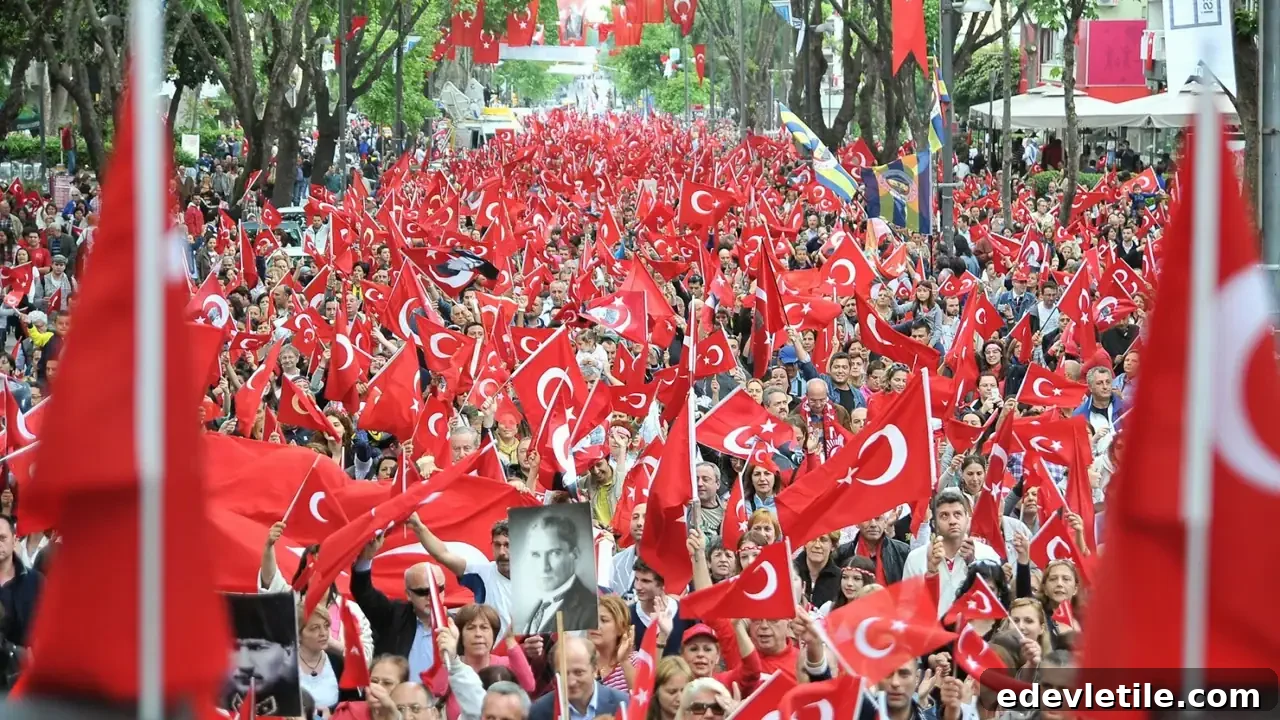
Before traveling to any country, including Türkiye, it’s wise to research important public holidays for the year — and that includes Turkey’s public holidays in 2026.
I still remember booking my first trip to Turkey only to realize a few days later that I’d arrive during Ramadan. It was a learning moment about planning around local holidays.
Turkey observes a variety of national and religious holidays, from New Year’s Day to Republic Day, as well as culturally significant dates like Atatürk Memorial Day. To help you plan a smooth trip, this article lists official national holidays, major religious dates, and other notable events that may affect travel and opening hours.
Under each holiday we include the official date for 2026 where applicable, how people typically celebrate, brief historical context, and practical notes on closures so you know what to expect.
Quick List: Turkey Public Holidays in 2026
Here’s a concise 2026 calendar of public holidays in Turkey, including national days, religious holidays, and other important dates that might affect your trip.
National Holidays in Turkey:
December 31 & January 1: New Year’s Eve / New Year’s Day
April 23: National Sovereignty and Children’s Day
May 1: Labor and Solidarity Day
May 19: Commemoration of Atatürk, Youth and Sports Day
July 15: Democracy and National Unity Day
August 30: Victory Day
October 29: Republic Day
Other Important Dates in Turkey:
May 18 – 24: Museum Week
May 29: Conquest of Istanbul
November 10: Atatürk Memorial Day
Religious Holidays in Turkey:
Ramadan: Varies
Kurban Bayram (Feast of Sacrifice): Varies
This article was fact-checked and updated in January 2026.
National Holidays & Important Days in Turkey
Below is a breakdown of Turkey’s public holidays in 2026, how locals typically observe them, and what travelers should know.
December 31 & January 1 — New Year’s
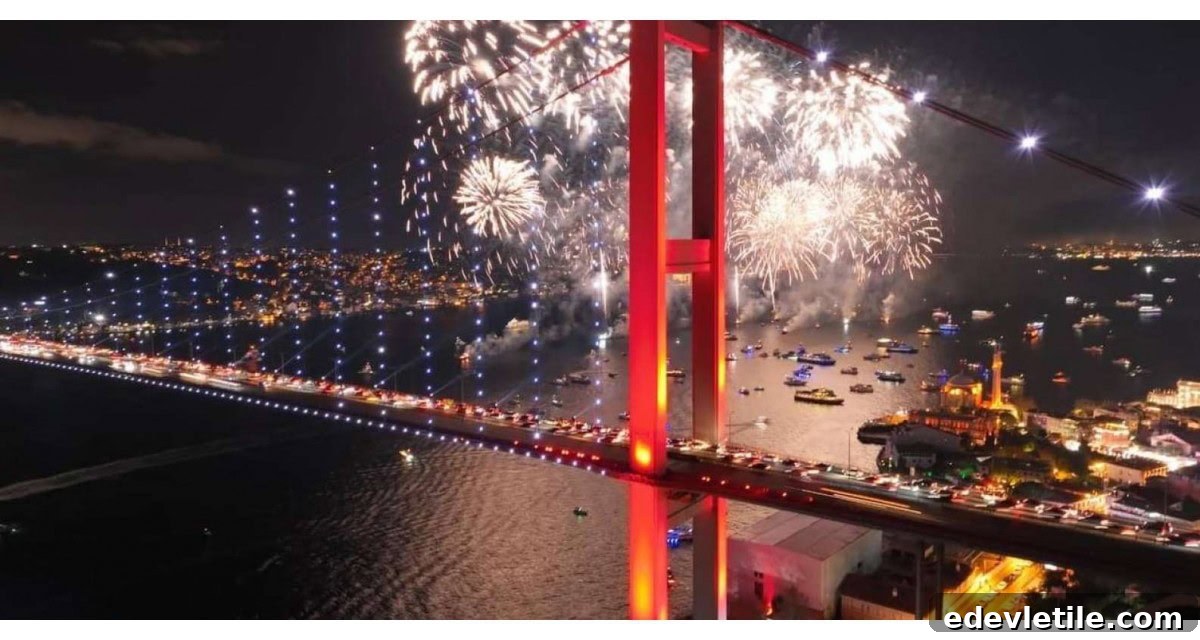
New Year’s is widely celebrated across Turkey as a time for fresh starts. People mark the occasion in many ways: family dinners, fireworks displays, nightclub parties, or quiet countdowns at home. The festive atmosphere is especially strong on December 31.
In Istanbul, the best views of fireworks are from the Bosphorus, and many travelers take New Year’s cruises to watch the show. Popular viewing and party areas include the Bosphorus bridges, Ortaköy, Kuzguncuk, Beylerbeyi, Nişantaşı, and Kadıköy — but expect large crowds and plan ahead.
While some shops and restaurants remain open on January 1, schools, banks, and post offices are usually closed.
How to wish someone a Happy New Year in Turkish:
Mutlu yıllar! (Happy New Year)
Yeni yılınız kutlu olsun! (Best wishes for your New Year)
April 23 — National Sovereignty and Children’s Day
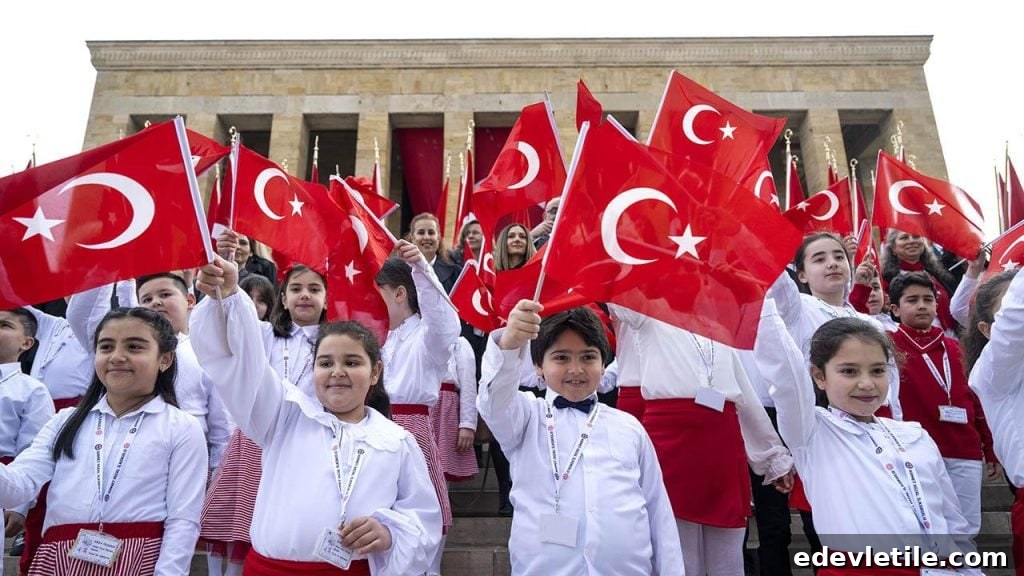
April 23 marks the foundation of the Grand National Assembly in 1920 and is also celebrated as Children’s Day. Turkey was the first country to dedicate a national holiday to children in 1921, when Atatürk entrusted the republic’s future to the next generation.
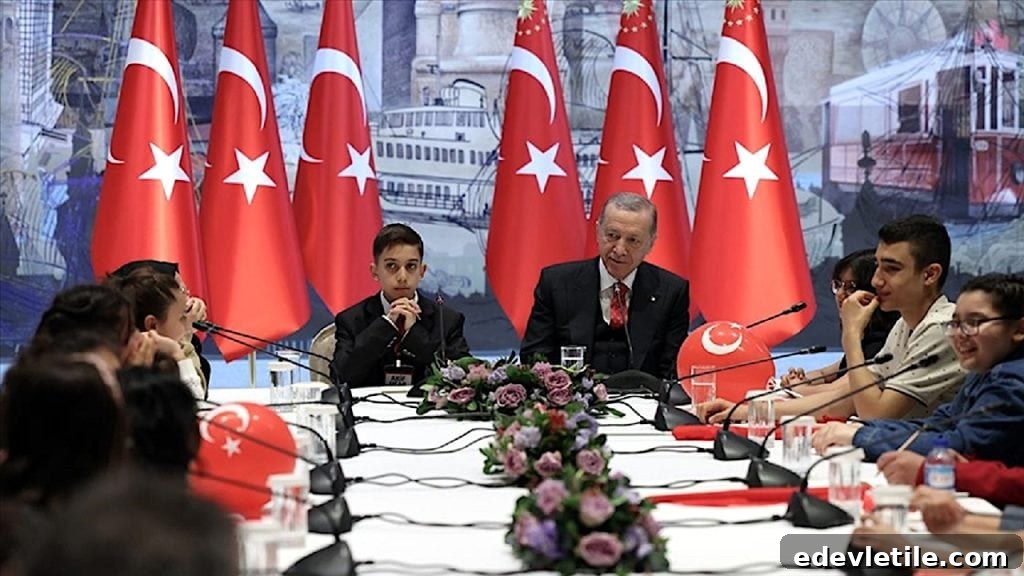
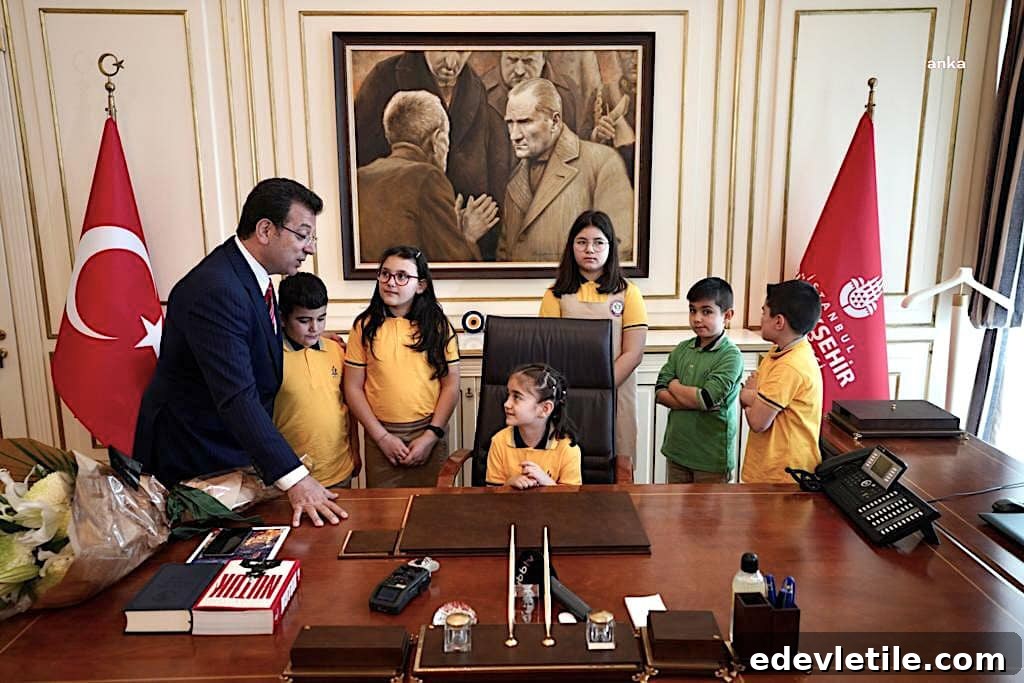
Schools hold week-long activities with recitals, art displays, and performances. On April 23, children often dress in red and white and participate in ceremonies. A cherished tradition is the symbolic “handover” of official duties to children for the day: children are invited to government offices and may offer ideas or symbolic decisions.
Shops, restaurants, and private businesses generally remain open, while banks, government offices, and post offices close. Schools and universities are closed so children can enjoy the celebrations.
May 1 — Labor and Solidarity Day
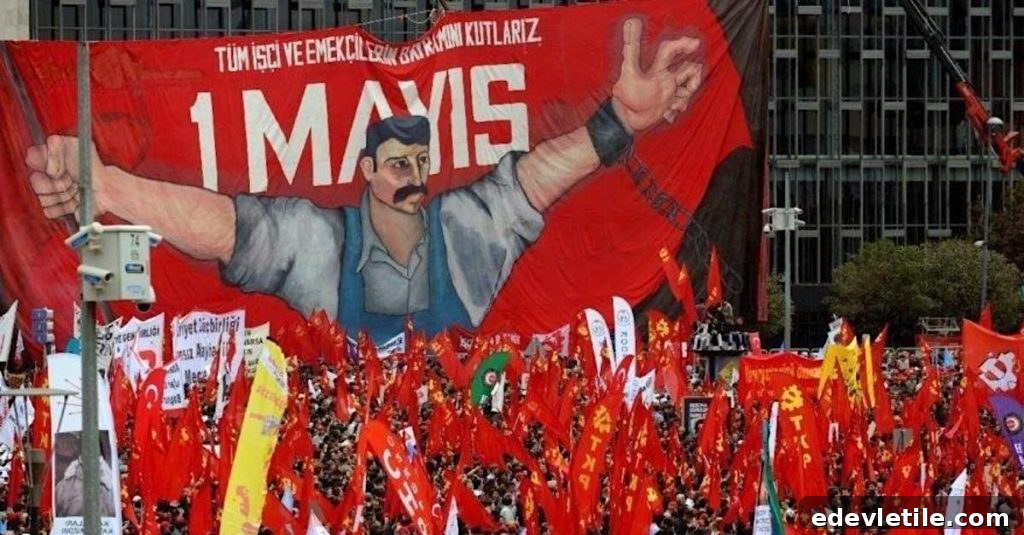
Labor Day in Turkey honors workers and labor rights, and is commonly observed with rallies, marches, and demonstrations. Major gatherings often occur in central squares such as Taksim in Istanbul, Gundogdu Meydanı in İzmir, Tandoğan Meydanı in Ankara, and Cumhuriyet Meydanı in Antalya. Travelers should avoid these areas on May 1 to steer clear of large crowds or disruptions.
May 18 – 24 — Museum Week
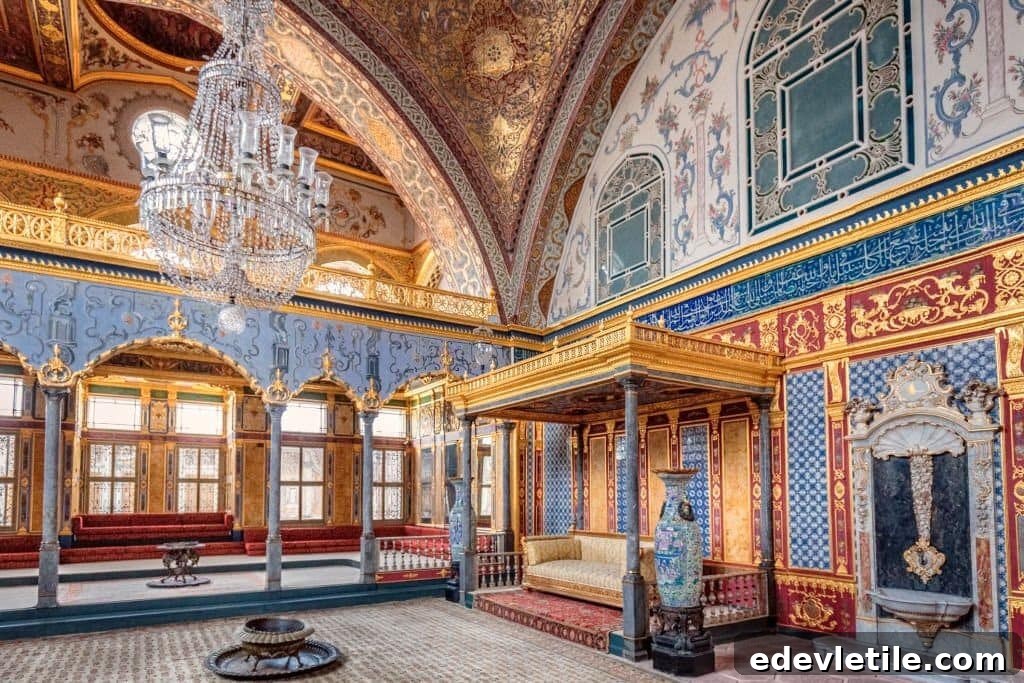
Museum Week, inspired by UNESCO’s initiative and celebrated in Turkey since 1982, highlights museums and cultural sites. International Museum Day on May 18 often brings extended hours, special exhibits, reduced admission, or free entry at many institutions. It’s an excellent time to visit museums and cultural sites across the country.
May 19 — Commemoration of Atatürk, Youth, and Sports Day
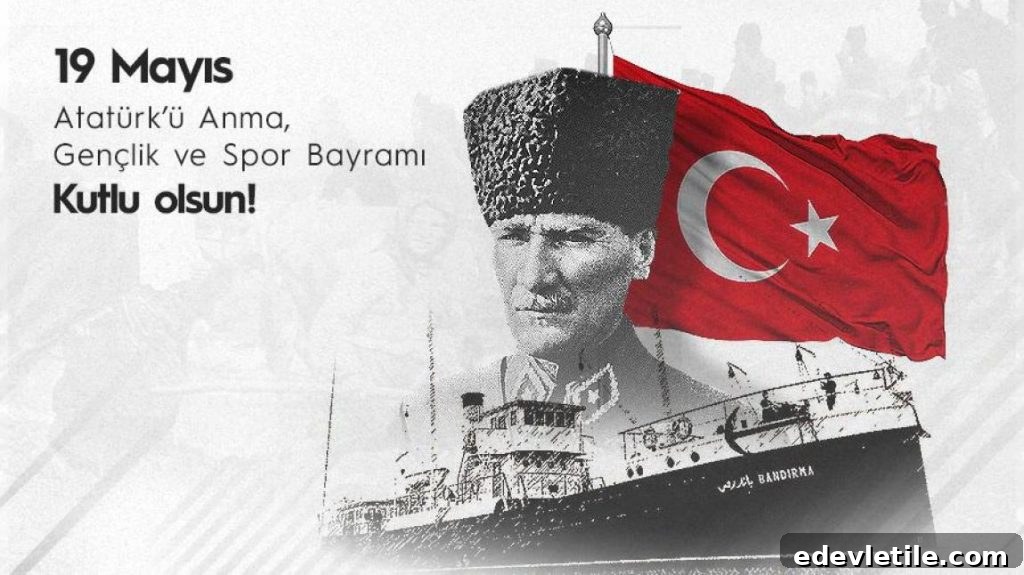
May 19 commemorates Atatürk’s landing at Samsun in 1919, a key moment that sparked the Turkish War of Independence. The day is also dedicated to youth and sports, reflecting the importance of young people for the nation’s future. Festivities include sports events, ceremonies, school performances, and visits to Anıtkabir in Ankara. Banks, government offices, and post offices are closed, while private businesses typically remain open.
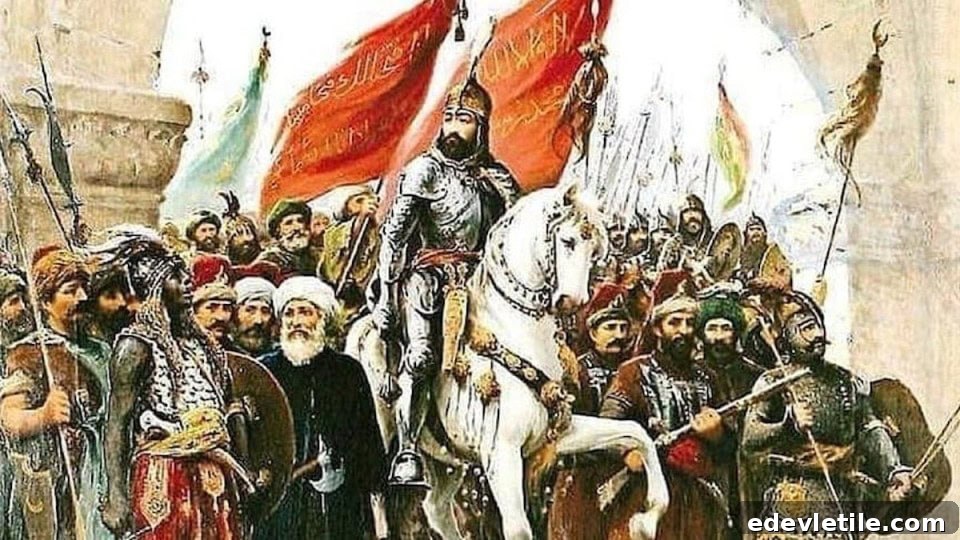
May 29 — Conquest of Istanbul
May 29 marks the 1453 conquest of Constantinople by Sultan Mehmed II, an event that ended the Byzantine Empire and ushered in the Ottoman era. In Istanbul, expect historical reenactments, light shows, fireworks, and cultural events. Public transport can be extremely crowded, and while businesses usually remain open, plan extra time for travel.
July 15 — Democracy and National Unity Day
July 15 commemorates unity and resistance following the failed coup attempt in 2016. Ceremonies and public events mark the day, and banks, government offices, and post offices are closed while private businesses remain open.
August 30 — Victory Day
Victory Day (Zafer Bayramı) marks the decisive victory at Dumlupınar in 1922, a turning point in the War of Independence. The day honors the Turkish Armed Forces with official ceremonies, parades, and often air force flyovers. Public buildings and streets are decorated with flags and portraits of Atatürk. Banks and government offices close, while private businesses typically remain open.
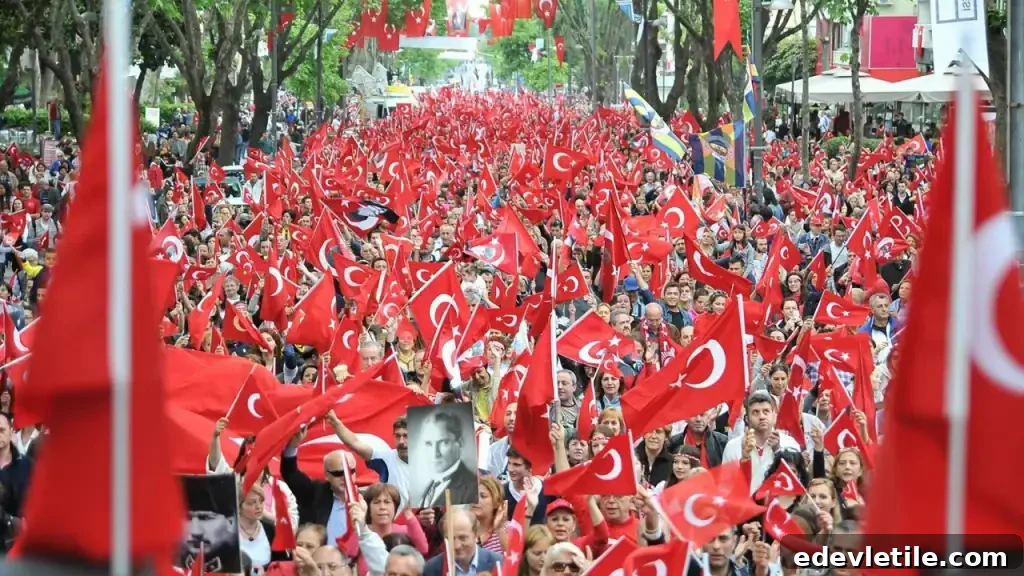
October 29 — Republic Day
Republic Day celebrates the proclamation of the Republic of Turkey on October 29, 1923. Celebrations include parades, concerts, patriotic displays, and fireworks. Cities like Istanbul, Ankara, and İzmir host large events and many people display the national colors and flags. It is one of the country’s most important national holidays.
Greeting for Republic Day:
Cumhuriyet Bayramı kutlu olsun! (Happy Republic Day)
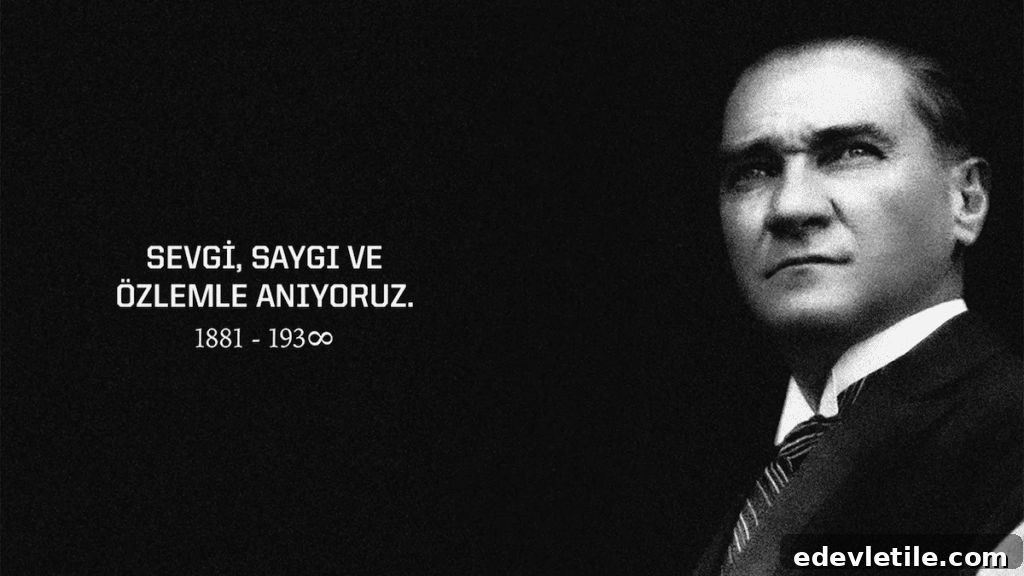
November 10 — Atatürk Memorial Day
November 10 marks the death of Mustafa Kemal Atatürk in 1938. Although not a public holiday, it is observed nationwide with a moment of silence at 9:05 a.m. Sirens wail, flags are lowered, and people pause to remember Atatürk’s legacy. Many visit Anıtkabir or Dolmabahçe Palace to pay respects, and tributes featuring a stylized “1881–193∞” often appear in public displays and social media.
Religious Holidays in Turkey
Turkey’s main religious public holidays are tied to the Islamic lunar calendar: Ramadan (and its conclusion, Eid al-Fitr) and Kurban Bayram (Eid al-Adha). Dates shift each year, so check the calendar for the specific year of travel.
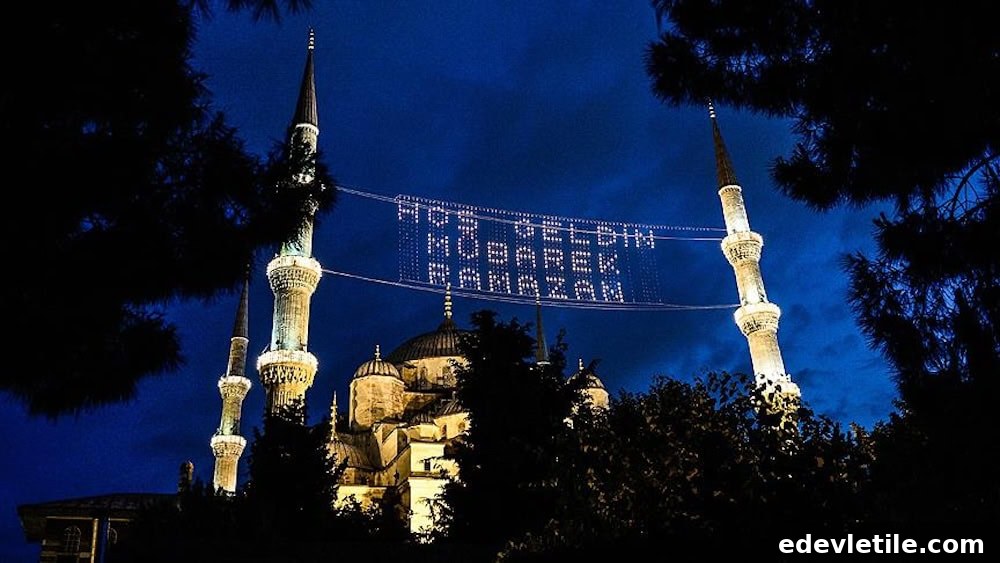
Ramadan (Ramazan)
Ramadan is a month of fasting, reflection, and prayer observed by Muslims. Fasting occurs from dawn until sunset, with the daily fast traditionally broken at iftar. Iftar is often communal and can be a warm cultural experience for visitors. The end of Ramadan is celebrated with Eid al-Fitr (Ramazan Bayramı or Şeker Bayramı), a multi-day festival of prayers, family visits, and sweets.
Ramadan dates:
2026 — Ramadan: February 18 to March 19; Eid al-Fitr: March 20 to March 22
2027 — Ramadan: February 8 to March 8; Eid al-Fitr: March 10 to March 12
2028 — Ramadan: January 28 to February 25; Eid al-Fitr: February 27 to February 29
Kurban Bayram
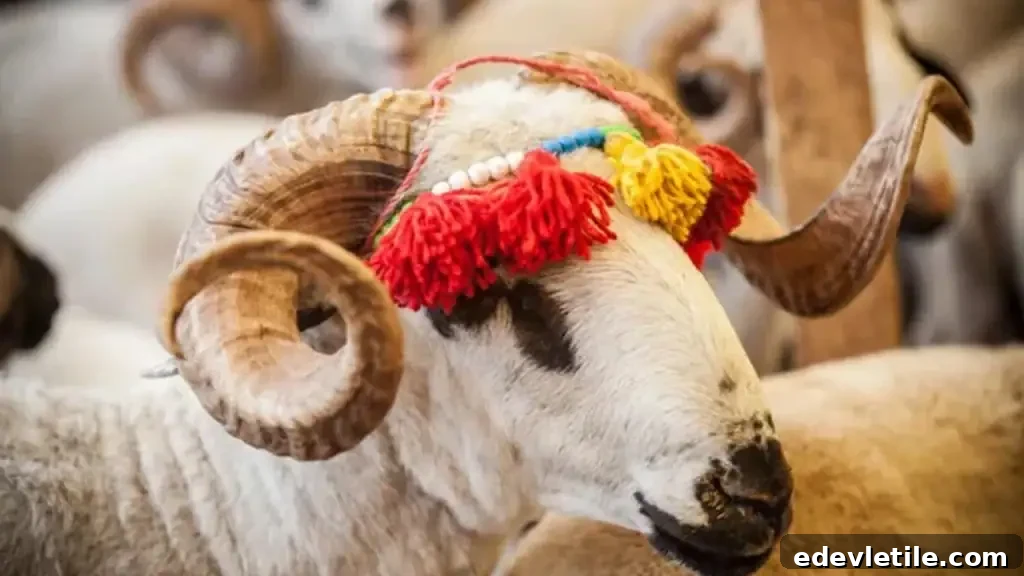
Kurban Bayram, the Feast of Sacrifice, lasts several days and commemorates Abraham’s willingness to sacrifice. The day begins with morning prayers and the ritual of animal sacrifice, with the meat typically divided among the family, friends, and those in need. In large cities, public slaughtering is uncommon in tourist areas; sacrificial practices are more visible in smaller towns and villages.
Kurban Bayram dates:
2026 — May 27 to May 30
2027 — May 16 to May 19
2028 — May 5 to May 8
Planning a Trip to Türkiye? Check out other local guides and travel resources to make the most of your visit.
-
17 Less-Touristy Alternatives to Istanbul’s Most Famous Attractions
If you’ve already seen the Blue Mosque, Hagia Sophia, and Topkapı, discover alternative spots and hidden gems that provide a different perspective on the city.
-
Topkapı Palace Travel Guide: Everything You Need to Know from a Local
A practical guide to visiting Topkapı Palace, with insights on tickets, highlights, and planning tips from someone familiar with the site.
-
Ultimate Guide to SIM & eSIM Cards in Turkey: Everything You Need to Know
Everything you need to know about staying connected in Turkey: SIM and eSIM options, prices, and where to buy them.