37 Signs You Behave Like a Turkish Person

 When I first moved to Turkey, everything felt new and occasionally odd in the most fascinating way. Small Turkish quirks shown by my friends and learning everyday routines — from catching the bus to using the local banking system and greeting people — made the experience feel like a fresh start.
Exploring culture and tradition became a rich lesson in multicultural living. Back in England, friends thought I was brave for making the move, but I treated it as an adventure. Fifteen years later, life here is comfortable and familiar; the original thrill has faded, and daily routines are now second nature.
Still, I catch myself doing things automatically that I would never have done in England. Has my identity split between two cultures? Some friends tease that I’m half-Turkish, half-British. “Turkified” — adopting local habits as someone of non-Turkish origin — seemed like a fitting word, so I made a list of Turkish habits I or my friends have adopted. How many ring true for you?
How to Tell if You’ve Been Turkified
1: You walk down the middle of the street even when pavements are available on both sides.
2: You have adopted a Turkish name and actually respond to it.
3: You can use a squat toilet quickly and efficiently, even in trousers. And you consider the bidet nozzle on western toilets essential — a clean, fresh feeling after the bathroom is non-negotiable.
4: You freely tell someone they’ve put on weight without worrying about offending them.
5: You’ve eaten soup for breakfast and even added garlic or chili sauce to it.
6: You’re suddenly an authority on Turkish politics and feel able to judge someone’s background, beliefs or education simply by the party they support. Opposing views often get dismissed as uninformed or provincial.
7: Your sentences mix languages. You try speaking Turkish but plug in English words when you forget one — you speak “Turklish.”
8: You can recognise regional dialects and have preferences. Istanbul speech seems textbook and easy, while accents or street slang feel harder to understand.
9: You say “Mashaallah” several times a day without thinking.
10: You keep multiple pairs of slippers at home just for guests.
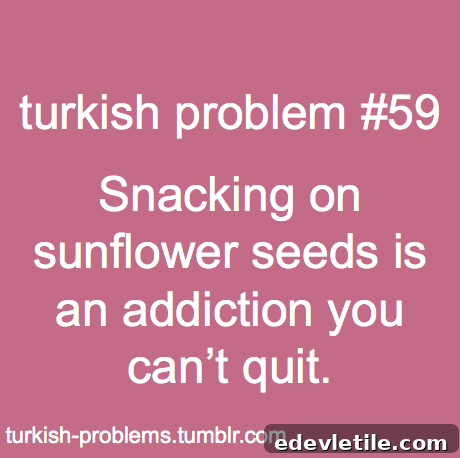
11: You crack and eat sunflower seeds (cekirdek) with your teeth and can polish off a whole bag while people-watching.
(Image Credit)
12: The property market no longer scares you. You follow market news, recognise investment opportunities and can calculate rental yields. Any dodgy emlak who tries to cheat you will regret it.
13: Street touts and restaurant touting no longer faze you — passing them is effortless compared to the early days when you had to be rude or run away.
14: You’ve ridden a moped without a helmet or squeezed more than one passenger onto the same bike.
15: You’ve seen or taken part in a Kurban Bayram ritual and, despite personal reservations, prefer to avoid moral debates about the tradition. The bag of meat you take home doesn’t hurt either.
16: You know of several men who consider having a mistress socially acceptable.
17: British friends call you rude when you reply with a tut or an eye-roll instead of saying “no.” They don’t understand local social cues, like asking why someone didn’t answer their phone.
18: Your local shop keeps a ledger with your name and debts. You pick up essentials and tell them to “put it on the tab” without hesitation.
19: You know condominium law and local property regulations, and neighbours want you to be Baskan (chair) at the next building meeting.
20: The arrival of the watermelon seller on a tractor still excites you every summer.
21: The heat barely bothers you now; you rarely use air conditioning because it makes you feel sick.
22: You’ve developed a taste for kokoreç and recommend it as a flavorful alternative to standard kebabs.
23: Queue-jumping no longer outrages you — you may even join in. Courtesy lessons from childhood fade fast.

24: Certain tourist-oriented restaurants are on your “do not visit” list because you refuse to pay inflated prices or watch cheesy Turkish night shows.
25: In peak summer, crowded dolmuses full of people who don’t wear deodorant make you leave earlier so you can walk instead.
26: Public parks with free exercise machines are for socialising as much as for fitness; you use them to meet people and gossip rather than to work out intensely.
27: You won’t pay for a beach sunbed; you lay your towel on the sand and wait — someone will leave and you’ll grab their bed for free.
28: After washing dishes, you rinse them under running water. You still enjoy baths but shower afterward to rinse off.
29: It’s normal to jump into the shower immediately after making love — lingering in bed feels unhygienic.
30: You don’t mind ordering cheap delivery food that costs little but is brought from across town by a delivery person.
31: In summer you move furniture like a sofa or cooker onto the balcony for comfort and practicality; critics calling it “ghetto” don’t bother you.
32: Taking to bed during your period is perfectly acceptable. For a few days, you embrace the luxury of rest without worrying about gender equality.
33: Barbecues happen year-round, rain or shine. Lighting a barbecue outdoors in summer is normal, even in grassy areas.
34: If hepsiburada.com ran a loyalty contest, you’d be a top contender for frequent customer status.
35: You measure sugar by cubes — loose sugar is for baking, not your tea.
36: Afternoon pints gave way to long sessions in tea shops. You can sip a small tulip-shaped glass of sweet tea for an hour and now drink Turkish coffee, proud of embracing a taste locals love.
37: Finally, the call to prayer from the local mosque rings out five times a day, but you’ve grown so used to it you might not notice it anymore — a sure sign you’ve adopted Turkish habits.