When Should You Visit Turkey? Month-by-Month Travel Guide

Turkey is a favourite holiday destination for British travellers and offers something for every taste: long sandy beaches, lively resort towns, ancient ruins, excellent cuisine and potent local spirits.
With diverse landscapes and distinct seasons, Turkey can be enjoyed year-round. The best time to visit depends on what you want to do and see — whether that’s beach time, cultural visits, trekking or city exploration.
Best Time to Visit Turkey

Spring: Ideal for Ancient Sites, Trekking and Hiking
(April and May)
Spring brings mild temperatures and clear skies without the summer heat, making it an excellent season for exploring archaeological sites and natural wonders. It’s an ideal time to visit the ancient city of Ephesus, the cave churches of Cappadocia and the travertine terraces of Pamukkale, where cooler weather makes walking between ruins comfortable and enjoyable.
Istanbul hosts cultural events in spring, and film lovers often visit for the Istanbul International Film Festival in April. Hikers also favour spring for walking sections of the Lycian Way, when the landscape is green and temperatures are pleasant.
Summer: Beaches and Coastal Holidays
 (Main tourist season for beaches runs roughly May to October)
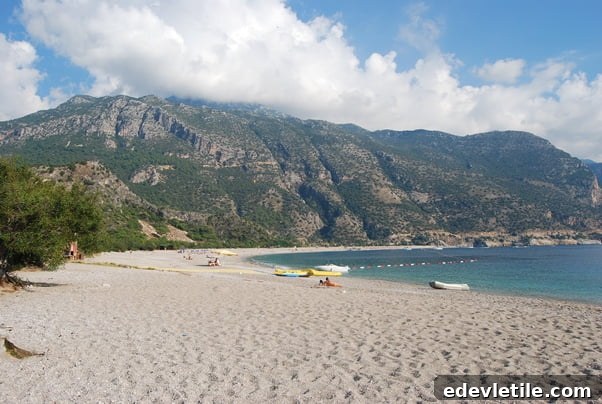
Summer is synonymous with beach holidays. Hot, sunny weather and warm sea temperatures make it the peak season for sunbathing, swimming and water sports along Turkey’s Aegean and Mediterranean coasts. Popular beach resorts and islands offer lively nightlife, water activities and resort amenities.
Late summer also features events such as the Izmir International Fair in early September, which showcases Turkey’s trade, arts and culture and can add variety to a beach holiday.
Further reading: Explore Turkey’s Mediterranean and Aegean coasts for many of the country’s best beach options.
Autumn: Comfortable Sightseeing and City Exploration
(September, October, November)
Autumn brings milder temperatures and fewer tourists, making it a pleasant season for city sightseeing and cultural exploration. While some coastal resorts remain pleasant into September, the cooler air is better suited to wandering Istanbul’s neighborhoods, visiting museums or touring Ankara and historic sites.
Art enthusiasts may plan travel around autumn cultural events, such as the Istanbul Biennial, which showcases contemporary international art. Nights can be chilly as autumn progresses, so pack a light jumper or jacket for evenings.

Winter: Quiet Travel and Local Experiences
(December, January, February)
Winter is the quietest season for tourism and a good choice for travellers who prefer fewer crowds. It’s an excellent time to experience local life in Istanbul, take a cooking course, stay in a village homestay or rent an apartment and explore neighbourhood markets. Winter also brings snow to Turkey’s mountain ranges and has helped ski resorts gain popularity from January to March.
Traditional winter events and local festivals can offer memorable cultural experiences. Visiting in winter gives you space to linger at museums, enjoy seasonal cuisine and see historic sites in a different atmosphere.
No matter when you visit, Turkey’s varied landscapes, warm hospitality and deep cultural heritage make it a rewarding destination. Each season offers different highlights, so choose the time that best matches the experiences you want — beaches and sunshine, cultural festivals, hiking or quieter urban immersion.
Have questions about specific places or the best time to visit a particular region of Turkey? Leave your question below and it will be answered as soon as possible.
Image credit.