Walking the Sacred Route of Miletus: Ancient Ruins & Pilgrimage Guide
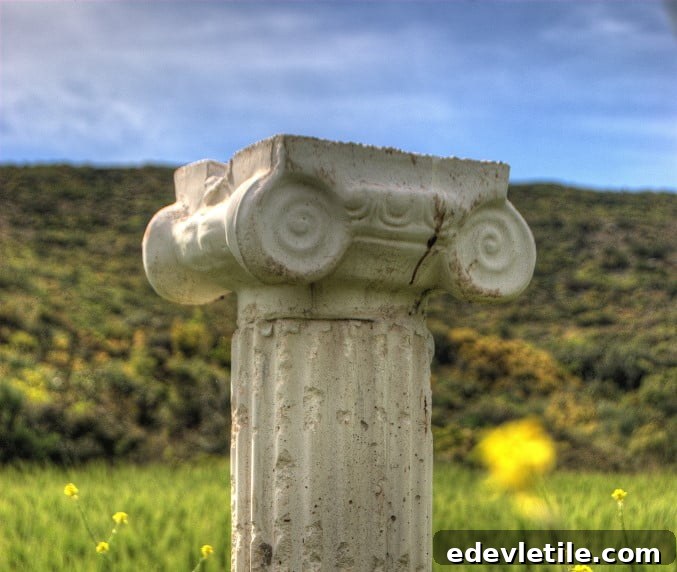
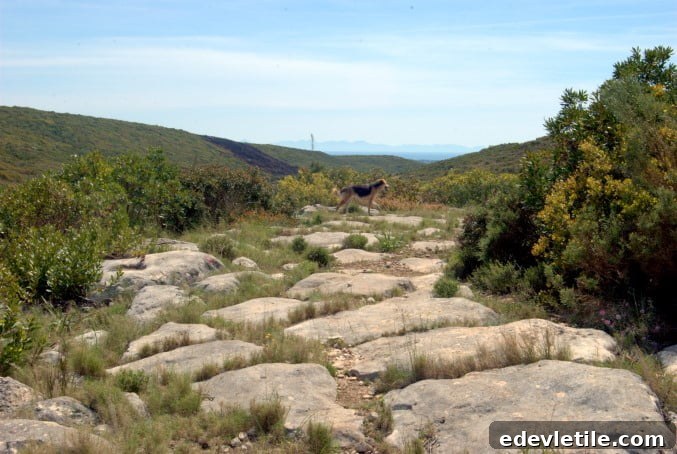
Walking the sacred path of Miletus was a surprisingly demanding experience. I completed the route despite a severe hangover from the previous night, and the trail itself is a challenging 14-kilometer stretch of uneven grass and stone that winds up and down through open countryside and low hills.
My walking companion, whom I met for the first time on this walk, was Pat Yale, a well-known travel author who has written extensively about Turkey and previously contributed to Lonely Planet. Pat is currently working on a book about Gertrude Bell, an influential early 20th-century traveler whose life and work included extensive journeys through what was then Ottoman territory and whose activities have prompted speculation about possible connections to British intelligence.
Gertrude Bell’s travels across Turkey make her a natural subject for retracing historical routes. By following the sacred path of Miletus, Pat hoped to gather context and details related to Bell’s time in the region, and that focus added historical depth to our day on the trail.
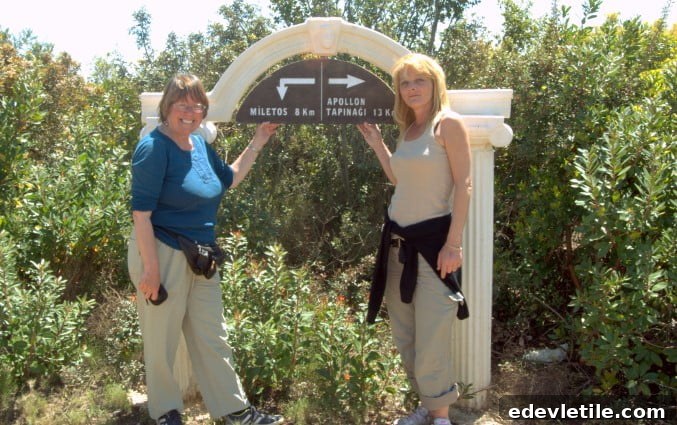
Despite Pat’s broad experience and my own interest in Turkish travel, the route was not straightforward: official signage does not exist and the trail is not well documented by authorities. Fortunately, we had the local knowledge of Erkin, a guide from the rustic village of Akköy where the sacred path begins. His familiarity with the landscape and local lore made the walk possible and much more rewarding.
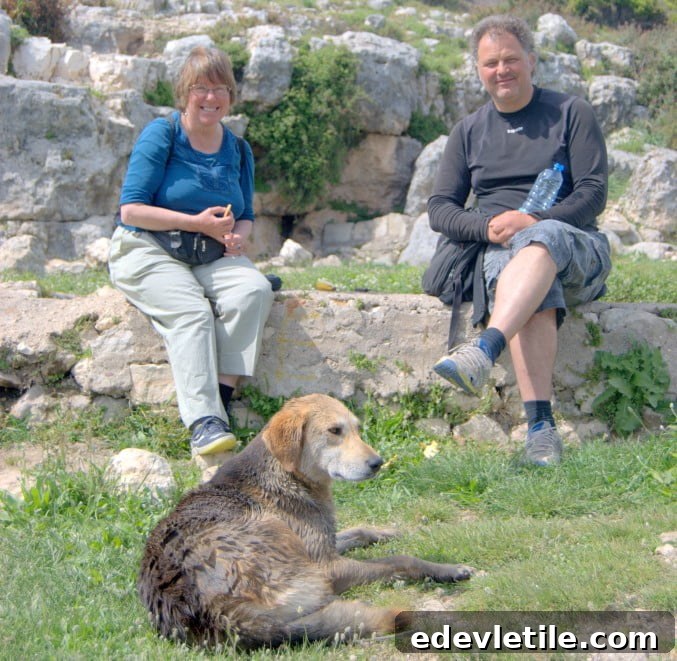
Erkin has long been involved in the Turkish travel scene, and spending the day with him and Pat—both people with deep connections to the region and its history—turned the walk into one of the most enjoyable days I had that year. Our conversations mixed practical route-finding with historical anecdotes and personal travel stories, which enriched the experience beyond the physical challenge.
About the Miletus Sacred Path
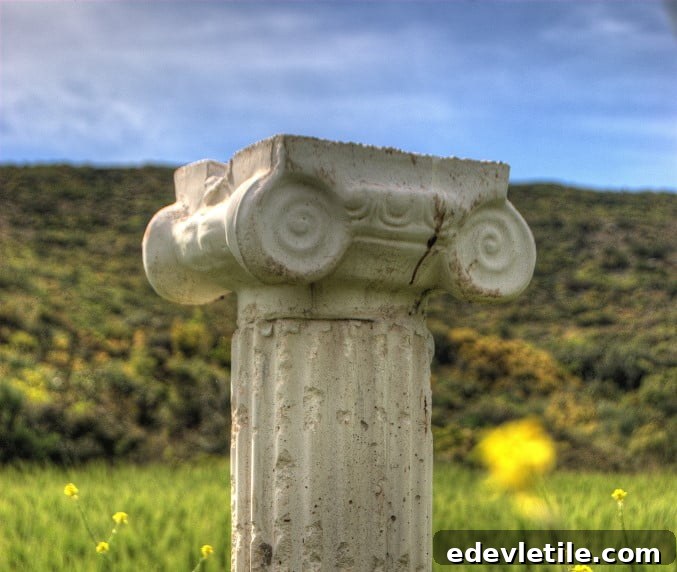
Miletus was once an important city of ancient Ionia, valued for its role as a maritime trading center. Over centuries, as the coastline shifted and trade routes changed, the city declined into ruins. In antiquity, the sacred path linked Miletus to nearby religious sites and was used each year by pilgrims traveling to the Temple of Apollo at Didim. During Hellenistic and Roman times the route was reportedly elaborate—lined with statues and wide enough to be grand—but nearly all visible traces have vanished today.
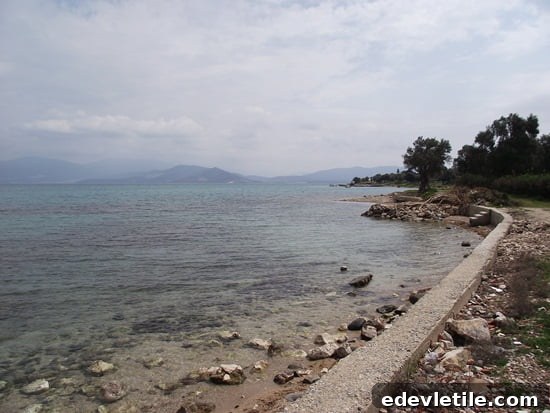
On the modern landscape, the former grandeur of the way is mostly lost. Very little archaeological evidence remains along much of the route, and where any features do survive they are sparse. For visitors hoping to see dramatic ruins along the entire stretch, the reality can be disappointing. However, the walk still reveals rolling scenery and offers numerous opportunities for landscape photography and quiet reflection.
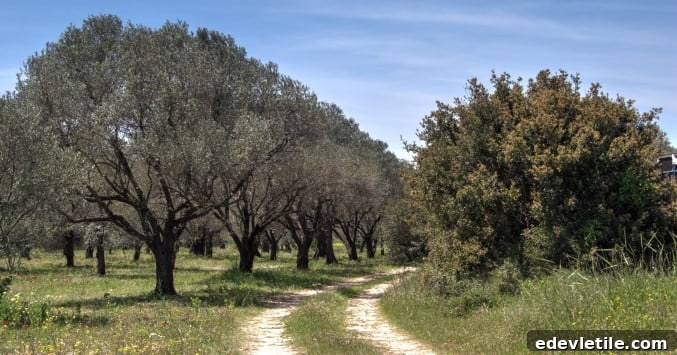
Without a local guide like Erkin, it’s easy to lose the route among the green hills. Signs are essentially nonexistent and the landscape often offers few clues to the path’s ancient importance. Erkin’s guidance not only kept us on track but also provided historical context and local stories that connected the terrain to its past.
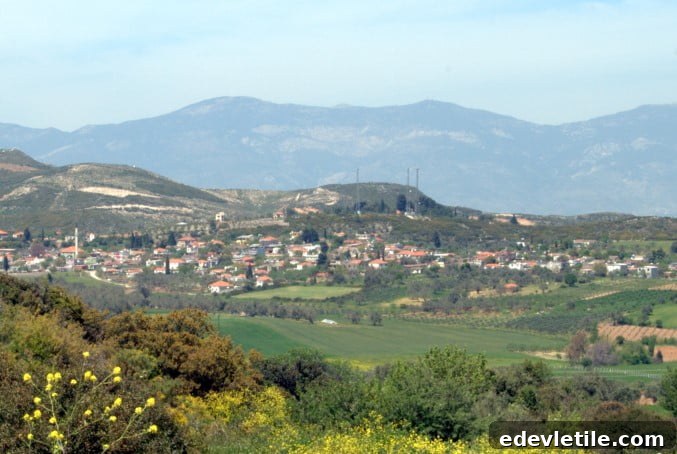
The experience is best appreciated with modest expectations: you won’t find a continuous line of preserved monuments, but you will encounter wide-open views, scattered archaeological hints, and an evocative landscape that still carries echoes of its ancient use. For anyone interested in history, photography or quiet exploration, the walk is worthwhile when approached with the right mindset. It’s also an opportunity to meet knowledgeable locals and fellow travelers who bring the route to life with their stories.
Note: If you are not familiar with the area, walking the sacred path alone is not recommended. Local guide Erkin is based in Akköy and can be found through the village’s Facebook page “I Love Akkoy” or by contacting the Cafe Olive in the village.