Turkish Coffee: History, Traditions, How to Drink and Where to Find It
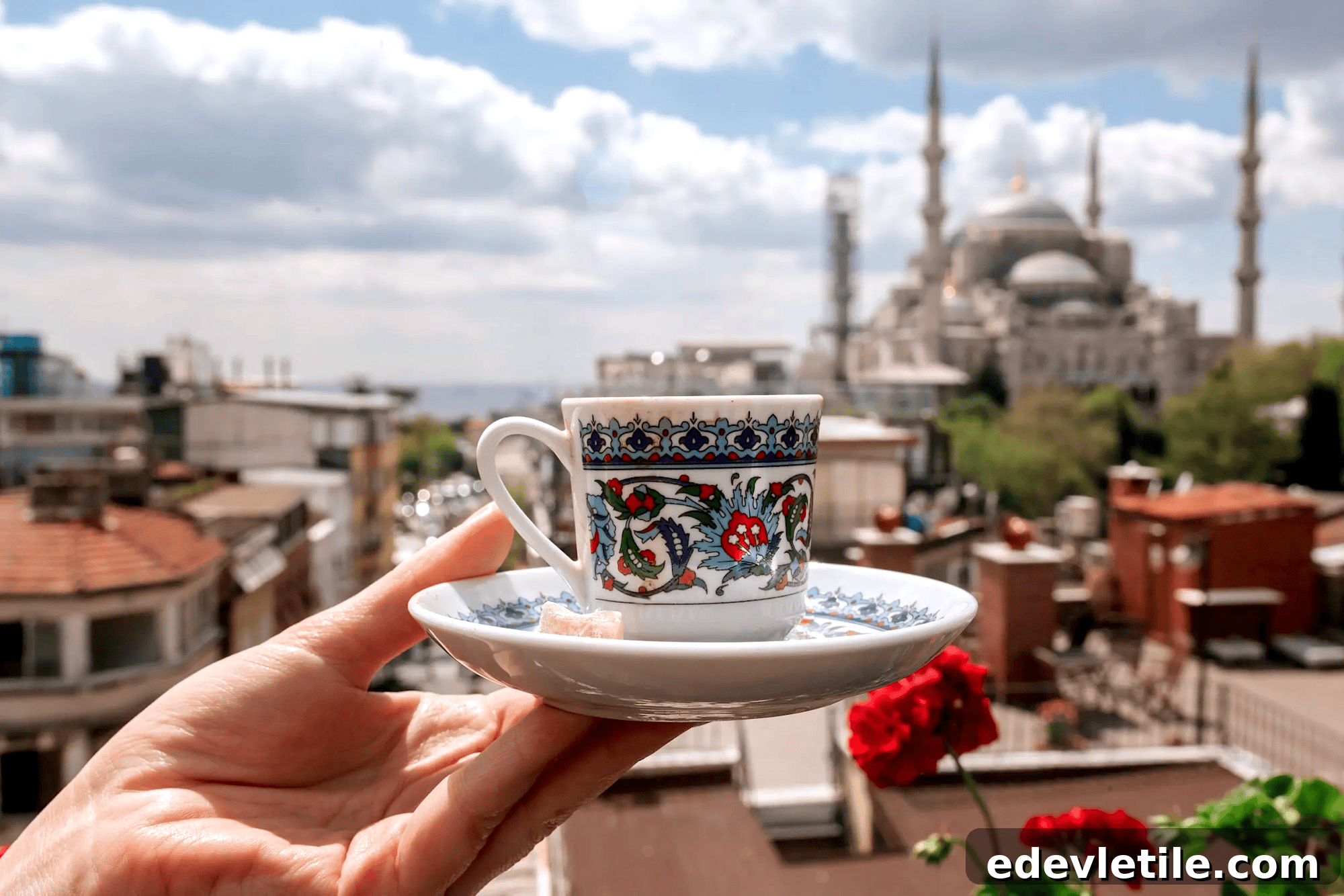
If someone asks, “What’s the most popular drink in Turkey?” the two top answers are usually Turkish coffee or tea. In this article we explore the fragrant world of Turkish coffee: its history, preparation, customs, and where to taste the best cups across Turkey.
Turkish coffee is more than a beverage — it is a cultural practice, a sign of hospitality, and an artisanal tradition passed down through generations. It’s not meant as a quick caffeine fix but as an experience to be savored, often accompanied by rituals like fortune-telling and the sharing of sweets.
Below you will find a concise history of Turkish coffee, step-by-step guidance on how it’s prepared, tips for ordering and drinking like a local, and recommendations for where to try authentic Turkish coffee in cities such as Istanbul, Ankara, Safranbolu, Gaziantep and Çanakkale.
A Short History of Turkish Coffee
Turkish coffee’s recorded history begins in the 1500s during the Ottoman era. A governor of Yemen, Özdemir Pasha, introduced a new coffee drink to the Ottoman court, and Sultan Suleiman the Magnificent became an early enthusiast. Palace cooks experimented with finely ground beans brewed in a small pot, and the drink quickly spread through the palace, the elite, and the general public.
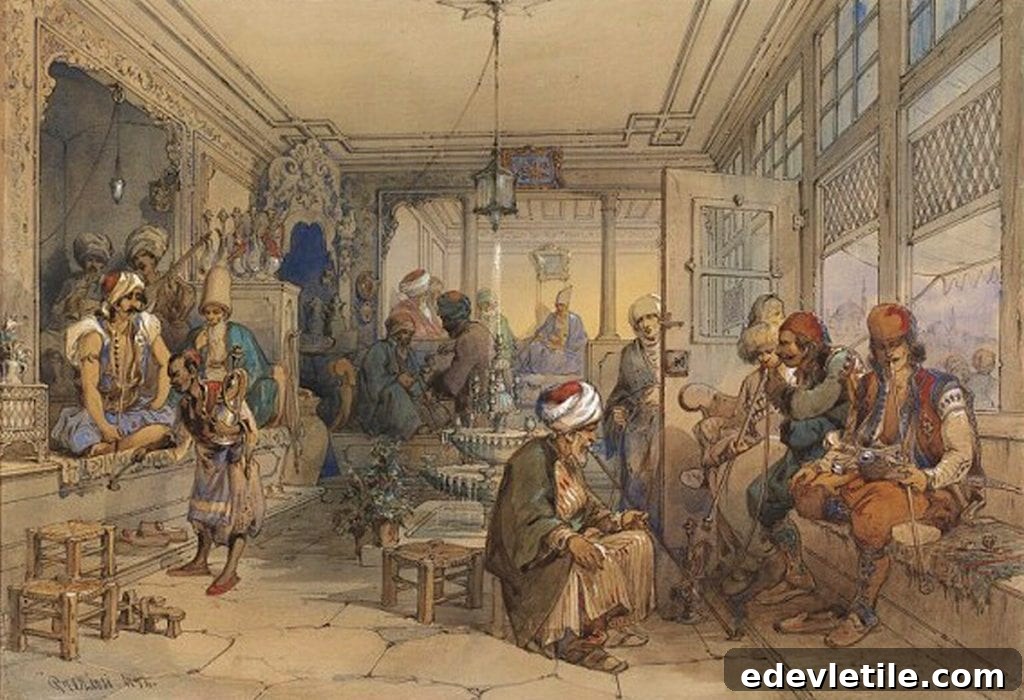
By the late 16th century the first coffeehouses, called kiraathane, opened and became centers of social, intellectual and cultural life. Poets, scholars and politicians gathered over cups of coffee to discuss ideas. The meticulous preparation, the distinctive thick foam, and the strong flavor became defining features of Turkish coffee. Coffeehouses were so central to social life that some observers described them as “Istanbul’s temples without gods.”
As the Ottoman Empire expanded, the drink spread across the Middle East, North Africa and the Balkans. Local regions adapted flavors — adding cardamom or serving coffee with regional sweets — but the core method of preparation remained consistent.
There were setbacks: for example, Sultan Murad IV briefly banned coffee in the early 17th century, believing coffeehouses fostered dissent. The ban was eventually lifted and coffee regained its place in daily life. In modern times Turkish coffee remains a symbol of hospitality and tradition; in 2013 UNESCO inscribed Turkish coffee culture on its Intangible Cultural Heritage list.
Today you can find Turkish coffee in traditional coffeehouses, neighborhood cafes, lokantalar, and upscale restaurants, a testament to its lasting cultural importance and global influence.
How Turkish Coffee Is Made
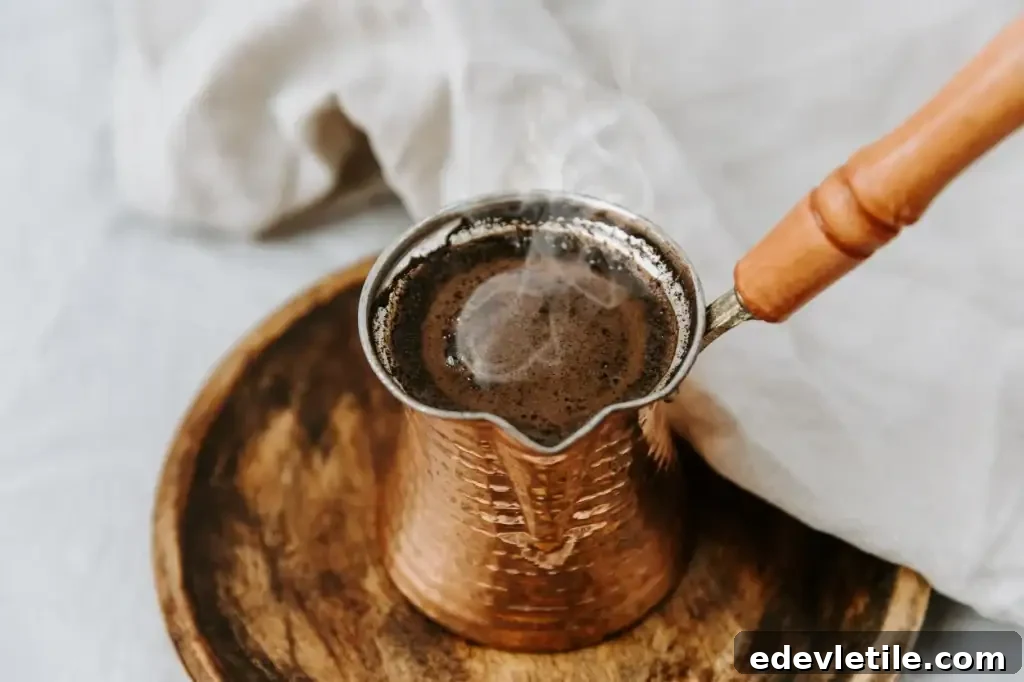
Making Turkish coffee is straightforward but requires attention to detail. The essential tools and ingredients are a cezve (a small pot with a long handle), very finely ground Turkish coffee, and cold water. Sugar is optional and is added during brewing rather than after.
Measure cold water into the cezve for each cup, add one heaping teaspoon of finely ground coffee per cup, and add sugar to taste. Stir the mixture before placing the cezve on low heat. Slow, gentle heating is key: it allows flavors to develop and produces the characteristic foam.
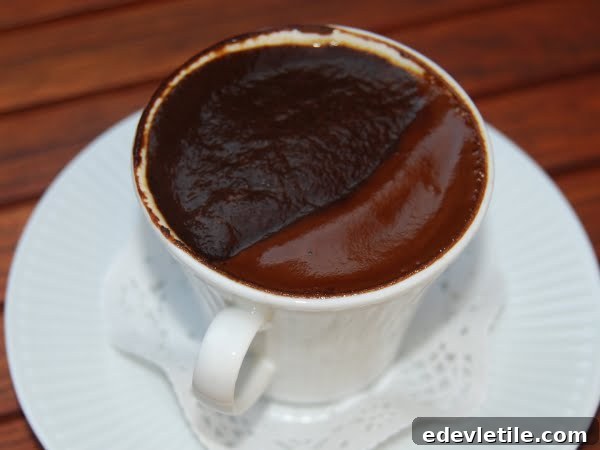
As the mixture warms a thick foam forms. Just before it boils and the foam rises, remove the cezve from the heat and either pour directly into cups or briefly return once to the heat and then serve, taking care to distribute the foam evenly. The foam is a sign of a well-made Turkish coffee.
How to Order & Drink Turkish Coffee Like a Local
If you’re traveling in Turkey, sampling Turkish coffee is a must. When ordering, you’ll be asked about sugar level because sugar is added during the brewing process. Use the local terms to make ordering easier:
Types of Turkish Coffee
There are regional and stylistic variations worth trying:
Menengiç Coffee: Made from roasted fruits of the Pistacia terebinthus tree, this caffeine-free alternative has a nutty, fruity profile and is less common in standard cafes.
Dibek Coffee: Beans are ground in a large mortar (dibek) with spices such as cardamom or mastic. This method produces a softer, less bitter cup.
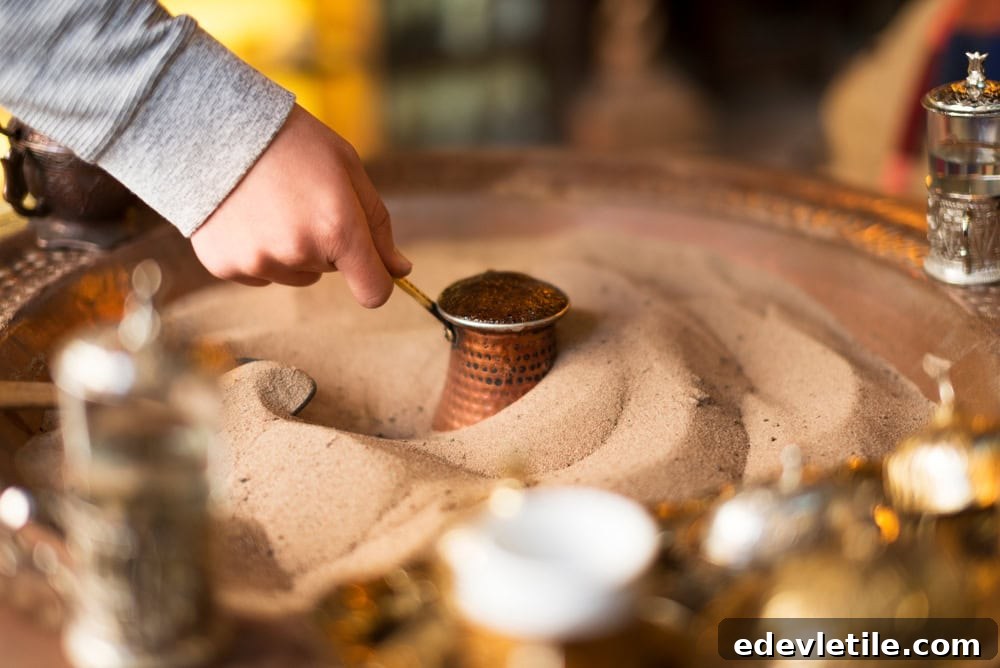
Sand Coffee: The cezve is brewed in hot sand, providing even, gentle heat for a slow brew and distinct foam.
Damla Sakızlı (Mastic Coffee): Mastic resin adds a resinous, slightly pine-like aroma and a unique texture.
Keçiboynuzu (Carob) Coffee: Made from roasted carob pods, this is a naturally sweet, caffeine-free alternative.
Sugar Level
When ordering, indicate sugar level. Common phrases:
Sade or Şekersiz — no sugar
Az şekerli — a little sugar
Orta şekerli — medium sugar
Çok şekerli — very sweet
Medium sugar is a popular choice to balance bitterness, but choose according to your taste.
Turkish Coffee Accompaniments (Side Dishes)
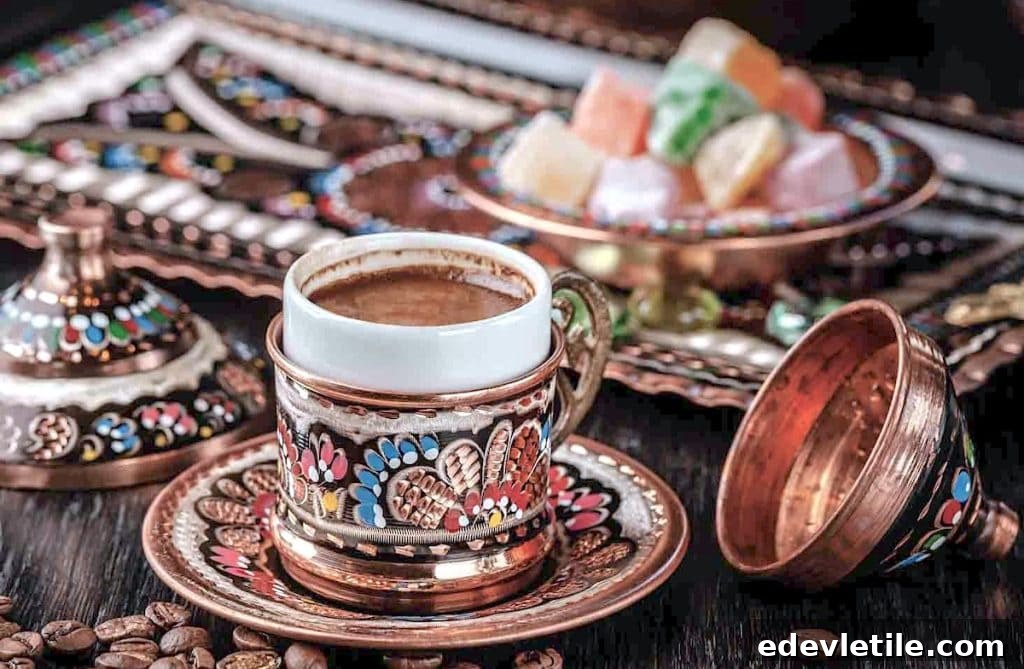
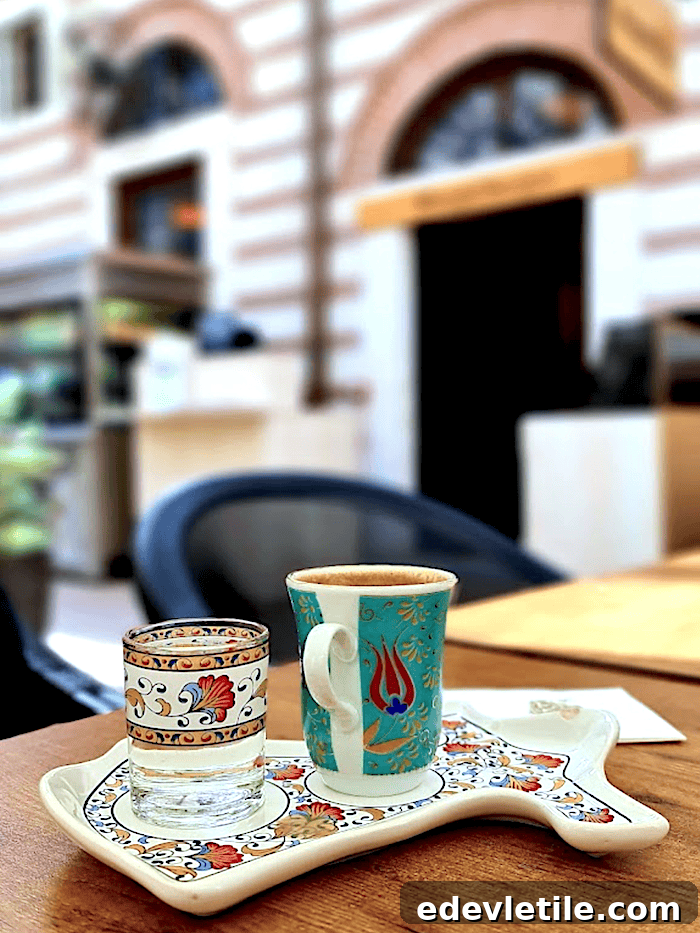
Coffee is commonly served with a small sweet such as Turkish delight (lokum), a cookie, baklava, or chocolate. Lokum’s sweet, chewy texture complements the strong, bold coffee flavor. A small glass of water often accompanies the coffee; drink it before the coffee to cleanse your palate or after to remove lingering bitterness. Sherbet (şerbet), a sweet flavored drink, is another traditional accompaniment that provides contrast and refreshment.
How to Drink Turkish Coffee
When your cup arrives, follow these simple tips:
Savor the aroma. Pause to enjoy the rich scent before sipping.
Take small sips. Turkish coffee is thick and intense, meant to be enjoyed slowly.
Let the grounds settle. Fine grounds remain in the cup; do not stir after serving and allow them to settle to the bottom.
Avoid the ‘mud.’ Stop drinking as you approach the bottom to avoid the gritty residue of grounds.
Interesting Turkish Coffee Rituals
Turkish coffee comes with many traditions. A common custom is serving lokum with coffee as a subtle way to gauge a guest’s satisfaction: eating the sweet after coffee signaled contentment. Another tradition involves offering water with coffee; drinking the water before coffee was sometimes interpreted as a sign the guest was hungry, while drinking coffee first suggested they were simply there for conversation.
Turkish Delight (Lokum)
Lokum balances the coffee’s strong flavor and adds a ceremonial sweetness to social interactions. The Turkish saying “Tatlı yiyelim, tatlı konuşalım” (“Let’s eat sweet, talk sweet”) captures the role sweets play in friendly conversation.
Serving Water with Turkish Coffee
Serving a glass of water alongside coffee is customary. It refreshes the palate and can carry cultural signals about the guest’s appetite or intentions. Stories from palace life also attribute practical uses to water in ensuring safety and taste.
Turkish Coffee Fortune Telling
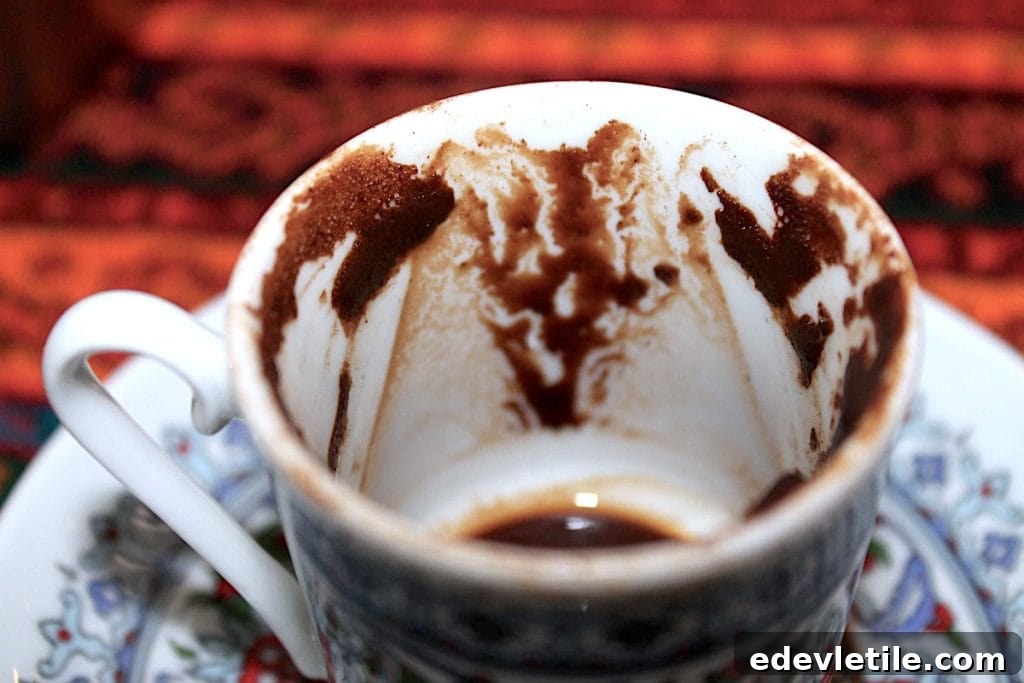
Kahve falı, or coffee fortune telling, is an informal divination practice where the patterns of the leftover grounds in an inverted cup are interpreted. After drinking, the cup is turned upside down on the saucer, allowed to cool, and then examined for shapes that are believed to hint at future events or personality traits.
Best Places to Try Turkish Coffee in Turkey
Here are recommended spots to taste authentic Turkish coffee across the country, starting with Istanbul and extending to other notable cities.
Best Turkish Coffee in Istanbul
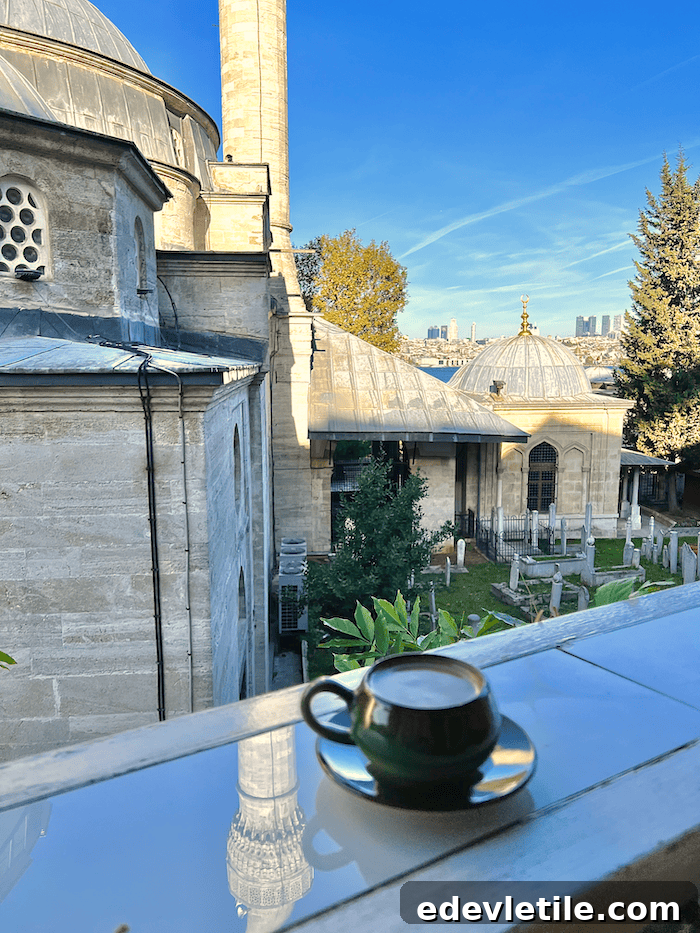
Payedar Kahve (Üsküdar) — A cozy traditional cafe known for a broad menu including damla sakızlı and menengiç varieties, with pleasant views toward the Bosphorus.
Mandabatmaz (Beyoğlu) — A long-standing favorite famous for its thick foam and rich flavor. Located near İstiklal Street, it’s a local institution.
Beta Yeni Han (Sultanahmet) — Offers specialty Turkish coffees and a variety of teas in a historic setting.
Fazıl Bey’in Türk Kahvesi (Kadıköy) — A neighborhood classic with a nostalgic interior and friendly service.
İstanbul Kahvehanesi (Sultanahmet) — A quiet courtyard cafe offering well-made traditional coffee away from the crowds.
Nev-i Cafe (Balat) — A pleasant stop when exploring Balat’s colorful streets, serving thoughtful coffee selections.
Best Turkish Coffee Tours in Istanbul
If you prefer a guided experience or a tasting tour to learn more about preparation and fortune telling, local tours and tastings led by experts are widely available.
Best Turkish Coffee in Other Cities
Coffee Museum (Safranbolu) — A dedicated museum housed in a historic caravansary, featuring artifacts, historical recipes and a cafe where visitors can sample traditional brews.
Tahmis (Gaziantep) — One of the oldest coffeehouses in Turkey, dating back centuries and celebrated for its long-standing tradition.
Madam’ın Dibek Kahvesi (Çanakkale) — Famous for dibek coffee, a family-run place with generations keeping the method alive.
Kahveci Müco (Ankara) — An authentic spot showcasing regional Anatolian coffee recipes collected from across the country.
Where to Buy Turkish Coffee
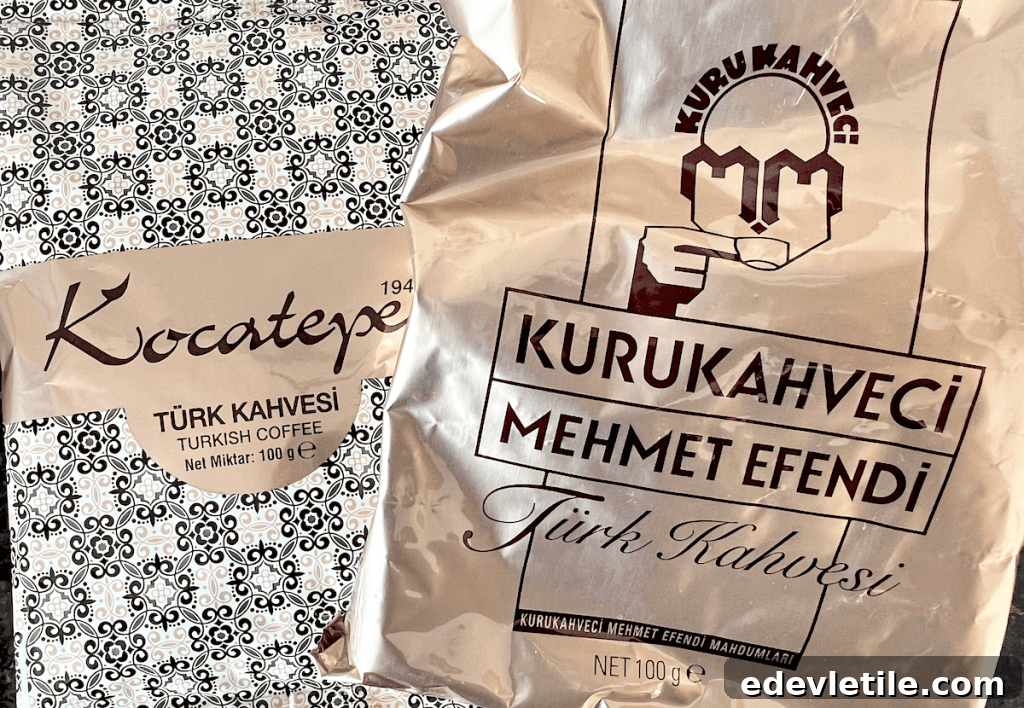
Kurukahveci Mehmet Efendi — The most recognizable Turkish coffee brand, founded in the 19th century. Their flagship store in Eminönü is a popular spot for fresh roasted and ground coffee.
İhsan Kurukahvecioğlu Halefleri — A historic roastery using traditional wood-fire roasting and antique grinding equipment, preserving classic techniques.
Selamlique — A premium brand that blends tradition with refined presentation and distinctive flavored blends such as cardamom or chocolate-infused coffees.
Other well-known names include Nuri Toplar and Fazıl Bey. If you’re not traveling soon, you can also assemble your own Turkish coffee kit with an authentic cezve and packaged Turkish coffee available from specialty retailers.