19 Stunning Photos That Capture Southeastern Turkey
By 2012 I began to question my choice to keep my travel writing focused on a single country. After a decade as an expat in Turkey, the thrill of discovering new details had started to fade. Daily life felt familiar and fresh experiences were increasingly rare. Based on the Aegean coast, I found much of the western landscape and culture repeated from place to place. The solution was obvious: head east and explore Southeastern Turkey.
On that trip I concentrated on three cities: Gaziantep, Urfa (Şanlıurfa) and Mardin. Each city surprised me in its own way. The region offers a rich blend of Turkish, Arabic and Kurdish influences — visible in food, architecture and everyday life. I photographed more than a thousand scenes of people, places and dishes; these are a selection that best capture what felt new and different during those days on the road.
Photos from Southeastern Turkey
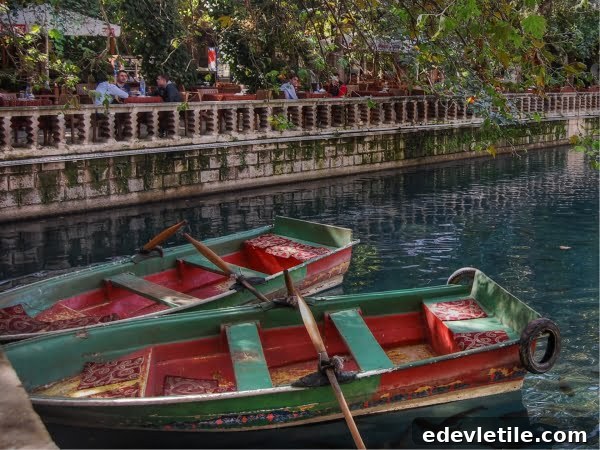
Ayn-ı Zeliha Lake in Urfa. Fringed by tea gardens, it is a calm, peaceful spot in an otherwise busy city.
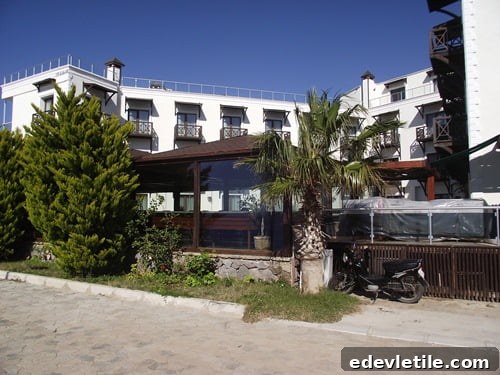
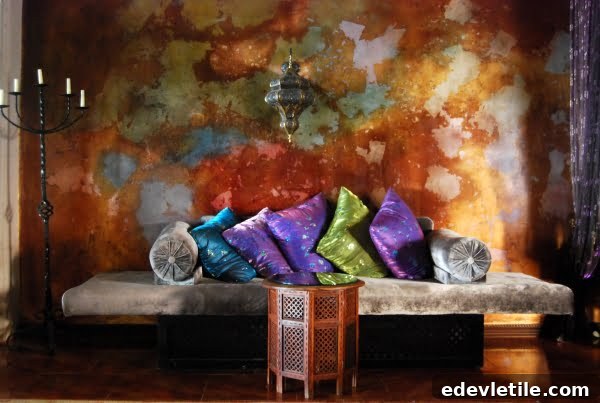
I loved the traditional-feeling decor in my Urfa hotel — warm, textured and rich with local character.
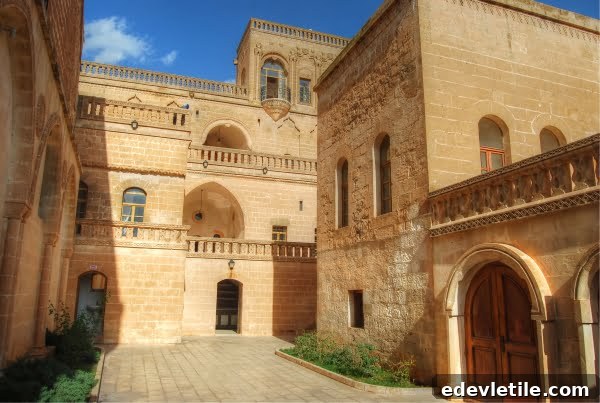
A photographed house in Midyat often appears in television productions; its layered stone façades and carved details make it a popular filming location.
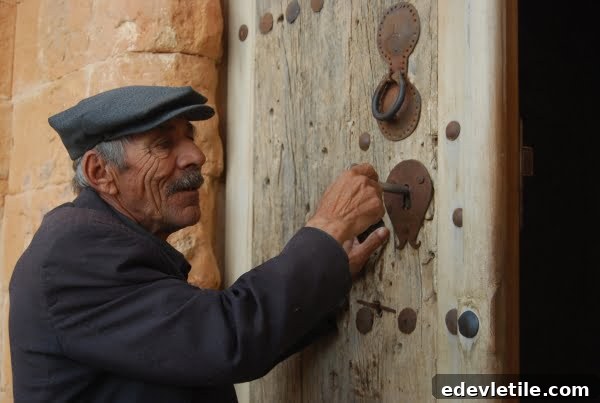
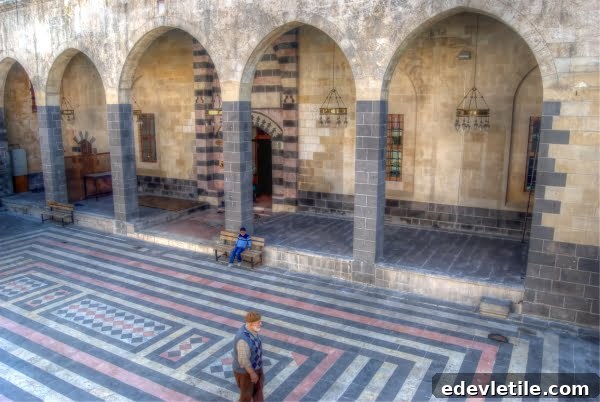
The gatekeeper of the Kasimiye Medresesi stands outside the centuries-old complex. The medrese dates back roughly 500 years and is being preserved and adapted as a museum space.
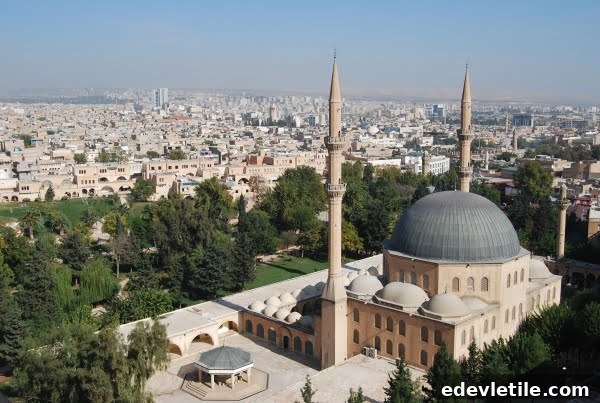
A mosque in Gaziantep. Religious architecture punctuates the city skyline and contributes to Gaziantep’s historic urban fabric.
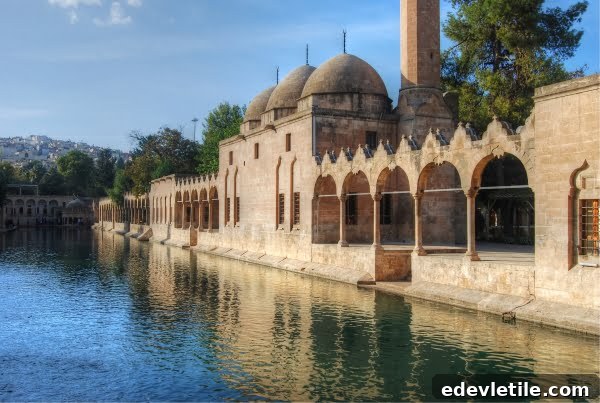
Balıklıgöl, the Pool of Abraham (Balıklı Göl). Carp swim in these waters and the site is entwined with the local tradition that connects the pools to the story of Abraham.
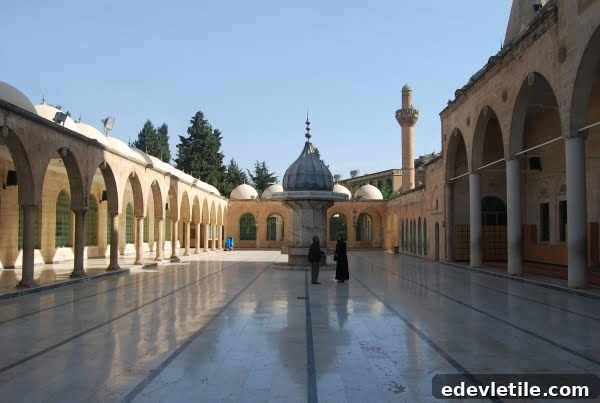
Mevlid-i Halil and the Cave of Abraham. A sacred cave complex traditionally associated with the prophet’s birthplace, set beside a historic mosque.
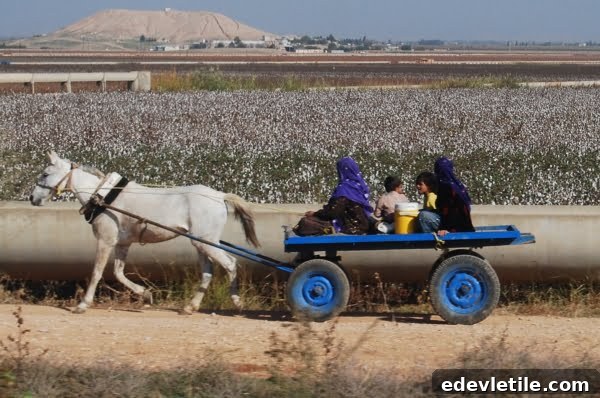
Cotton picking in the fields — an agricultural scene that still shapes the rhythm of life in parts of the Southeast.
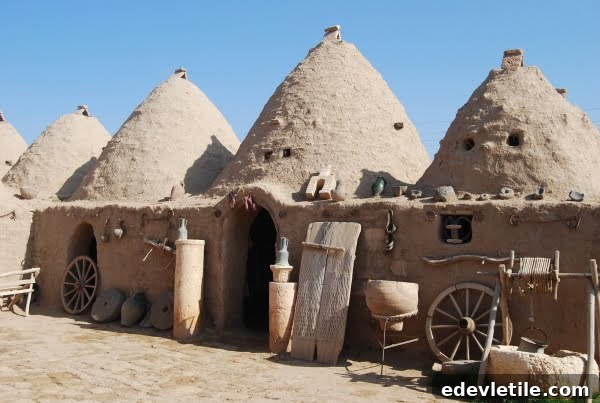
Harran’s beehive houses. These distinctive conical dwellings are an architectural feature unique to the region and speak to centuries of local building tradition.
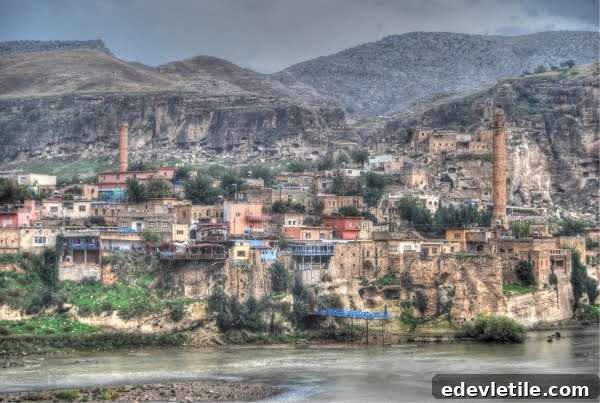
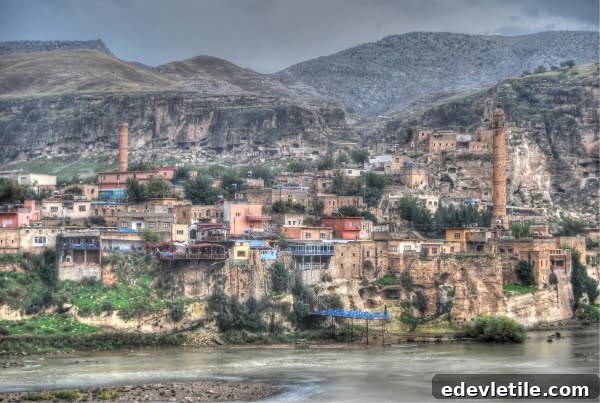
Hasankeyf — an ancient town with cliffside ruins and carved facades. It faces dramatic change as plans for a reservoir threaten to submerge parts of the site.
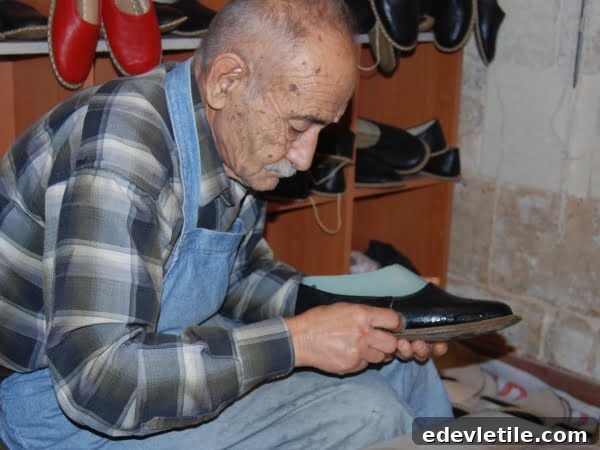
A local shoe repairer in Gaziantep, at work on the street — an example of the small, skilled trades that persist across the cities I visited.
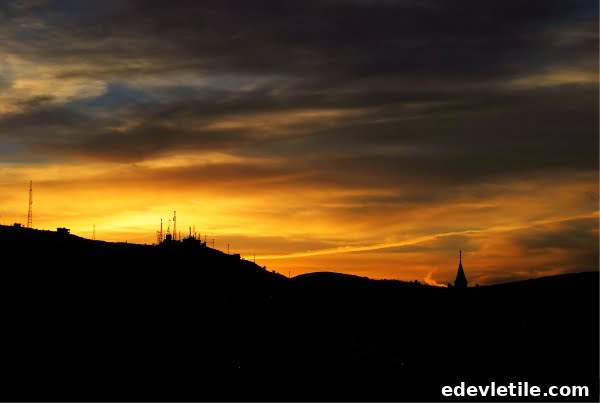
Sunset over Urfa bathes the city in soft light; the evening skyline feels timeless and contemplative.
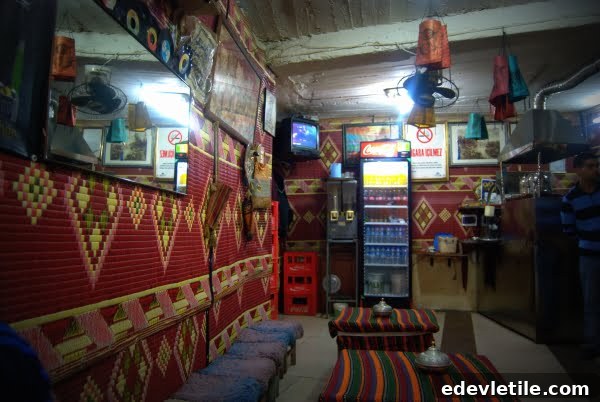
A teahouse in Gaziantep, where locals gather for conversation, strong tea and the slow rituals of daily life.
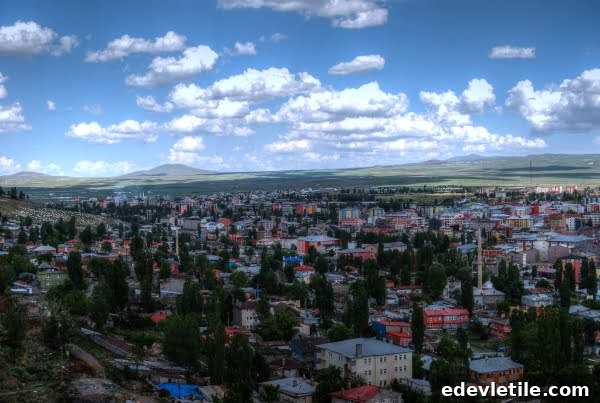
A wide view of Urfa reveals terraced buildings climbing the hills — a city shaped by history and the surrounding plains.
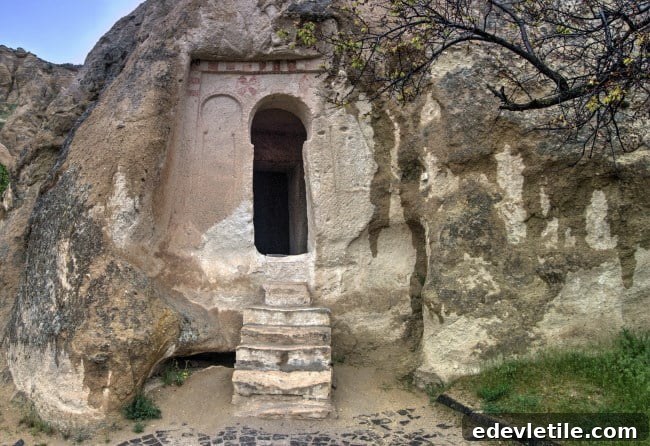
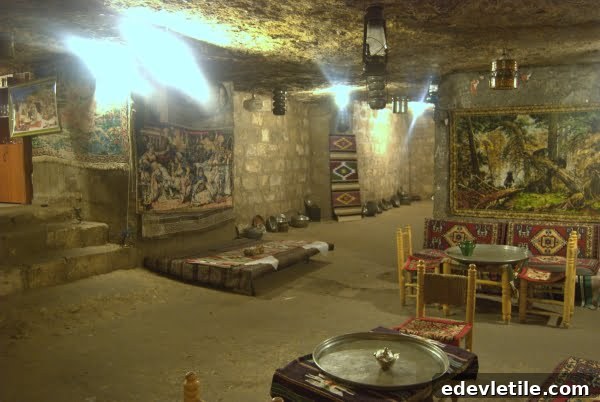
A cave café in Gaziantep, carved into the rock and offering a shaded retreat from the midday heat.
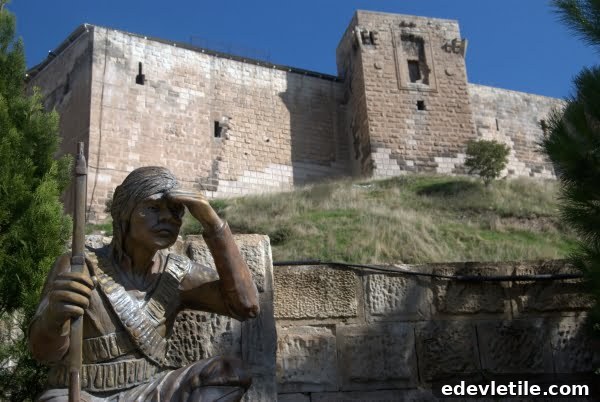
Gaziantep Castle stands as a reminder of the region’s strategic past and long-settled urban history.
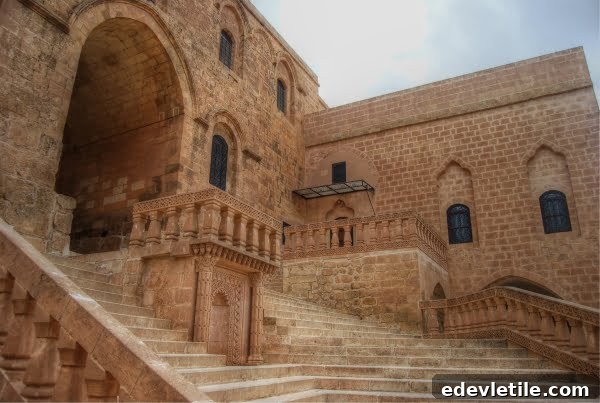
Deyrulzafaran Monastery near Mardin, an important site for the Syriac Orthodox community, with layered walls and serene courtyards.
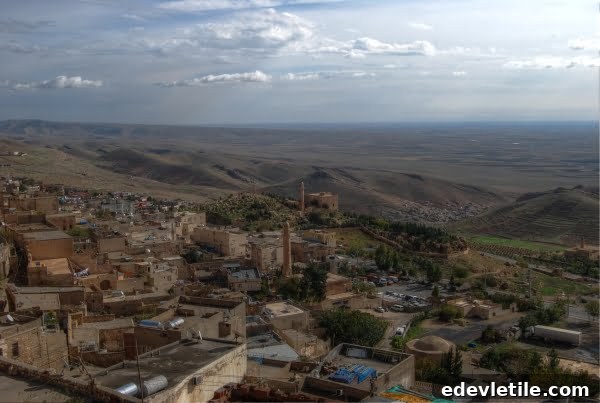
Mardin’s old town, with stone houses and a panoramic feel: the city’s terraces and alleys reveal how landscape and architecture are woven together.
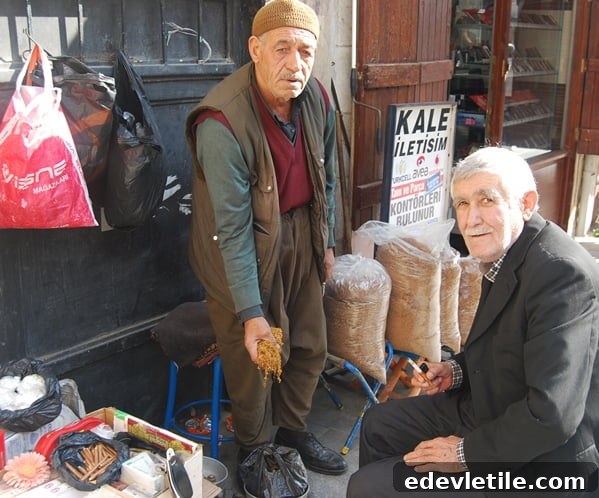
A tobacco seller in Gaziantep — another everyday portrait from market streets where trade and social life intersect.
Southeastern Turkey is an invitation to slow down and look: to taste regional cuisine, meet people whose lives reflect multiple cultural currents, and walk streets that carry centuries of history. For a traveler seeking contrasts to the familiar Aegean coast, this region offers memory-rich landscapes, resilient local traditions and scenes that linger long after you leave.