Avoid Data Roaming Charges in Turkey: Practical Tips to Save on Mobile Bills

Many travellers have been shocked by enormous mobile phone bills after using their phones abroad. The main cause is data roaming — charges that apply when your device uses a foreign mobile network. Even if you avoid making calls, receiving texts or voicemail, or using obvious apps, background data and internet use can still incur substantial roaming fees. The largest costs typically come from accessing the internet: browsing, streaming, social media and background app updates.
Stories about huge bills from using mobile internet in Turkey appear regularly in the UK press. Because Turkey is not part of the EU, the reduced EU roaming tariffs that took effect in July 2014 do not apply there. Although the EU has aimed to eliminate roaming charges across member states, Turkey is unlikely to be included in any such changes in the near term, so visitors should still expect possible roaming charges when travelling there.
Example:
“A woman returned from a family holiday to be handed a mobile phone bill of £21,819. Shannon Mills travelled to Turkey for a summer break and came home stunned by the massive bill.”
What is data roaming?
 Data roaming occurs when your phone sends or receives data over a mobile network that is not operated by your home provider. This covers activities such as downloading or streaming music and videos, loading web pages, and using social media apps like Facebook and Instagram. Many apps also refresh content automatically in the background, and messaging apps such as WhatsApp or Facebook Messenger continue to use data even when not actively open.
Because background updates and app activity are often invisible to users, it’s easy to accumulate roaming charges without realising it. To avoid surprises, it helps to understand common ways to reduce or eliminate those costs while in Turkey.

How to reduce data roaming charges in Turkey
1: The simplest and most effective step is to switch off data roaming when you are not actively using mobile internet. On most smartphones this setting is found in the wireless or network options. Turning roaming off prevents apps from using mobile data in the background.
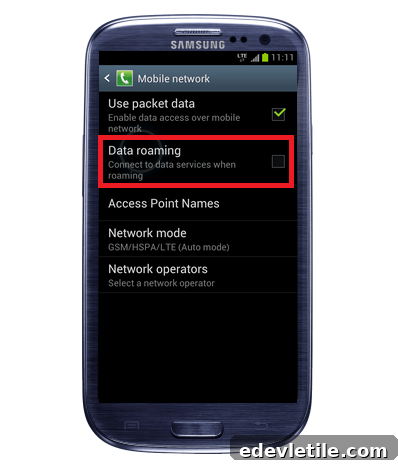
2: Use Wi‑Fi where available. Most hotels, cafés and restaurants in Turkey offer free Wi‑Fi; simply ask staff for the password. Keep in mind that public Wi‑Fi networks can be insecure. Avoid online banking, sending sensitive emails, or accessing accounts that contain personal information when connected to public networks unless you use a secure VPN.
3: Buy a local Turkish SIM card from a major provider such as Turkcell, Vodafone or Türk Telekom (formerly Avea). When purchasing, you will need to show your passport and the SIM will be linked to your device’s IMEI number. Be aware of Turkey’s mobile device registration requirements: international travellers may face restrictions if the phone is not registered after a set period, and returning with the same unregistered device could lead to it being blocked.
4: Purchase a data bundle or roaming package from your home carrier before you travel. These bundles can reduce costs, but check the allowance carefully; many travellers report that smaller bundles run out quickly, after which data access stops until you buy another package.
5: Consider renting a portable Wi‑Fi hotspot. Services that rent mobile hotspots provide a secure, local data connection for multiple devices and can be especially economical for families or groups. One device can typically connect several phones, tablets or laptops and supply unlimited or high‑capacity data at Turkish network rates.
For example, some Istanbul‑based providers deliver a pocket Wi‑Fi device to hotels or airports and arrange collection at the end of your stay. These devices are simple to use, avoid the need to change your SIM card, and allow multiple users to share one connection. With the rollout of 4G across Turkey, rented hotspots are increasingly offering faster and more reliable service.
In summary, the best protection against unexpected roaming charges is awareness and preparation: disable data roaming when not needed, rely on secure Wi‑Fi, consider a local SIM or a rented hotspot, and buy appropriate data bundles if required. Taking these simple steps will help you stay connected without risking a prohibitively expensive bill.