Hiking Through Hell’s Gorge: Trails, Views, and Safety Tips
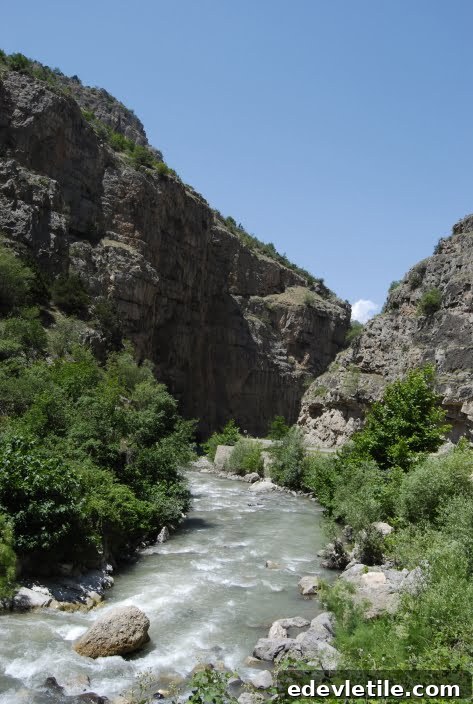
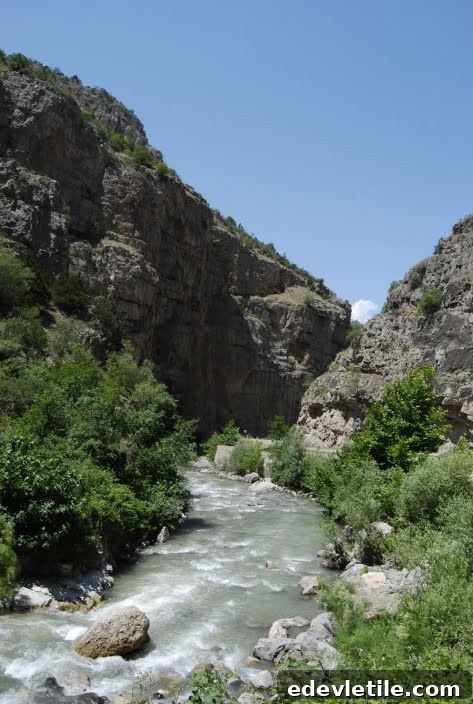
I know exactly why Hell’s Gorge has that name. It is not only about the deep canyon or the narrow, suffocating path cut between two towering mountains.
To me, Hell’s Gorge describes how I felt after climbing through it. I had been through hell and back.
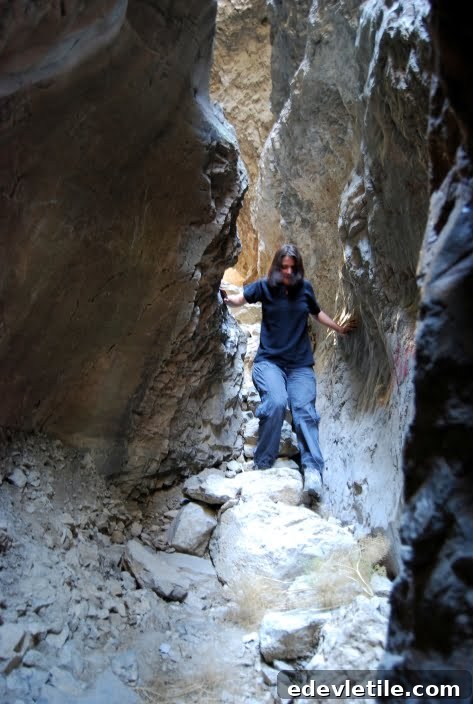
I picked my way over large boulders, sweat running down my forehead. My upper leg muscles burned with each tall stone step as I pushed myself higher.
The bright blue sky vanished from view, yet the effort required to keep climbing soon left me dripping with perspiration.
Unaccustomed to such intense exercise, every part of my body cried out for a rest. My lungs—hardened by years of smoking—strained and panted, desperate for more air.
Cehennem Deresi – Hells Gorge
In Turkish the name is Cehennem Deresi, a reference to the swift river that cuts through the canyon. Although the rushing water is a striking sight, our goal was the open green plain beyond the rocks.
I doubted I would reach it and nearly gave up. In the last hundred metres I had to be hauled up the steep trail until the narrow rock clefts widened and revealed the hidden landscape. I collapsed on my back, drinking in the fresh air and listening to our voices bounce off the canyon walls.
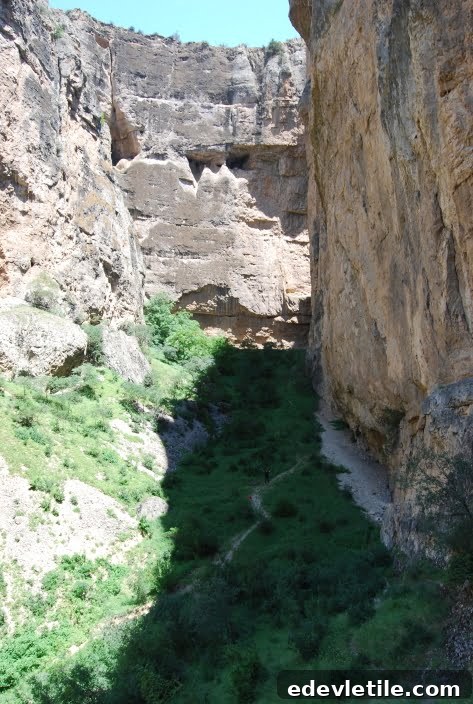
If you are not a nature lover, Hell’s Gorge will not impress you. Its charm lies in silence, minimal tourism, the greens of plants and wildflowers, and the sight of eagles wheeling above nests carved into the rock face.
Situated in the Ardanuç district in Turkey’s northeast, Hell’s Gorge challenges every muscle and tests your endurance. Had I known how demanding it would be, I might have turned back. The descent, by contrast, was gentle and restorative—the body no longer needed to fight each step.
Can I now say I returned from the depths of hell?