Magnesia on the Meander: Exploring Its Impressive Ancient Stadium
I had driven past the sign for the Magnesia ancient city ruins many times. Rarely mentioned in guidebooks and seldom talked about, I assumed there wouldn’t be much to see. Still, curiosity won out, and last month our hobby photography group piled into cars and drove there.
Located in the Aydın region of Aegean Turkey, Magnesia is only about an hour’s drive from my home. When we arrived, only one other group was on site. Quiet and surprisingly empty, Magnesia might be one of the least visited ancient sites in the country.
The entrance fee was 5 lira, and I was pleased to use my Müze Kart that I bought in Cappadocia. Valid for a year and inexpensive, the card grants access to museums and archaeological sites across Turkey, which is a great saving for anyone who enjoys history.
A guard suggested we visit the theatre first, so we followed a path past a ruined mosque and fenced Roman houses, then headed uphill. Magnesia differs from more compact sites like Ephesus: its ruins are spread along roughly 1.5 kilometres, so expect a fair amount of walking.
Excavation is still in early stages, and comfortable walking shoes are recommended.
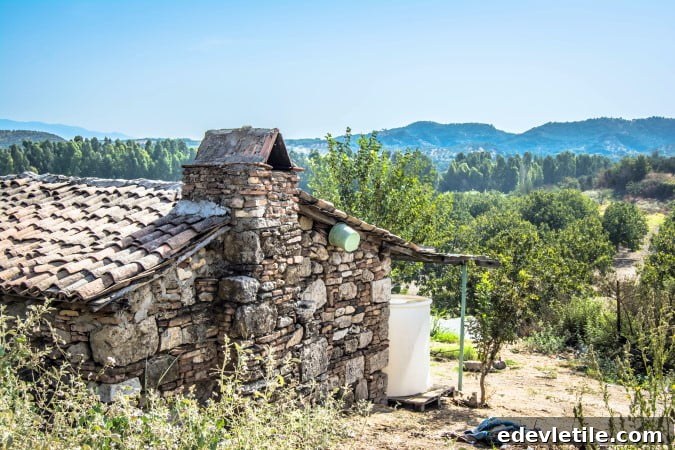
At one point I passed a stone house with washing hanging outside — a reminder that not all borders are fenced and that locals still live among the ruins. Take care to follow maps and signs; it’s easy to take a wrong turn and get lost. Olive-covered hills in the distance give a peaceful, almost surreal backdrop that helps explain why anyone might choose to live in a crumbling stone house out here.
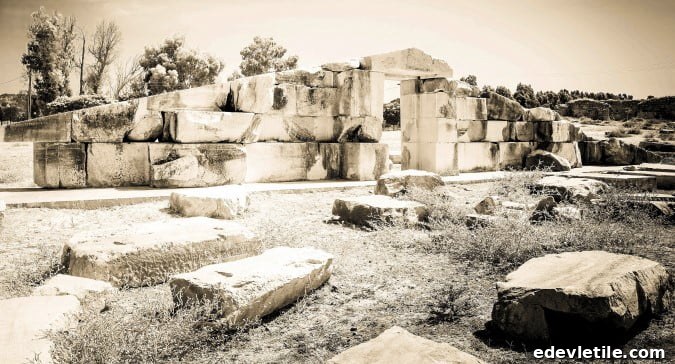
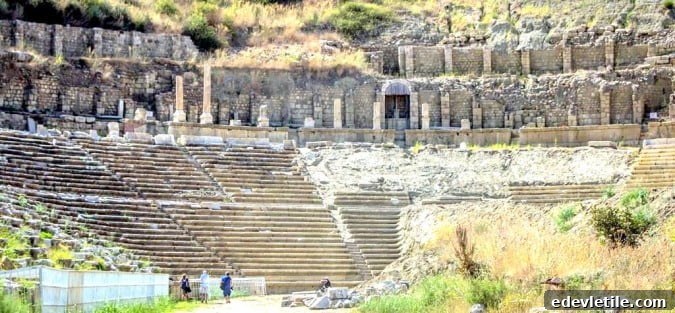
The theatre, which reportedly seated around 4,700 people, was modest compared to grander examples elsewhere in Turkey. After a quick look, we retraced our steps to a sign pointing to the gymnasium. What remained there were two crumbling stone walls set in the open — it was hard to picture the vigorous athletic life that once animated the space.
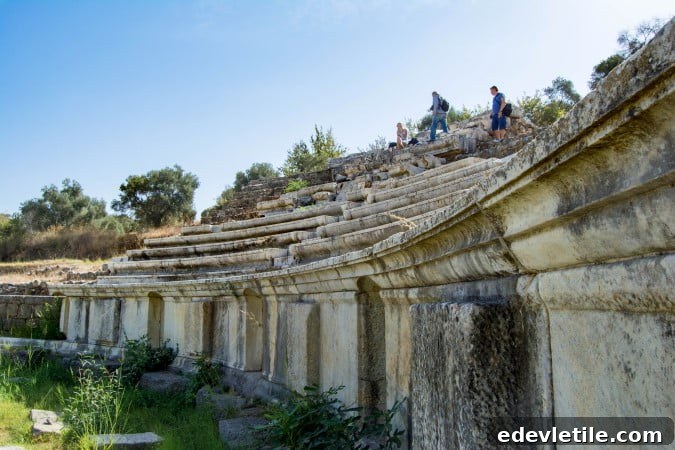
Arriving at the Stadium of Magnesia
After wandering for a while in the wrong direction, a friend called to say the stadium was the next highlight. It was midday, hot and tiring, and some of our group chose to rest in an abandoned house by the path while others continued uphill. I decided to press on — I didn’t expect to return soon, so I wanted to see as much as possible.
Then, after turning left around a large mound of earth, the hillside opened to reveal an enormous stadium. Even unfinished by excavation standards, the scale and form left me speechless. There was no need for imagination to visualize its past grandeur: the seating tiers and overall shape evoke the atmosphere of ancient chariot races and packed crowds.
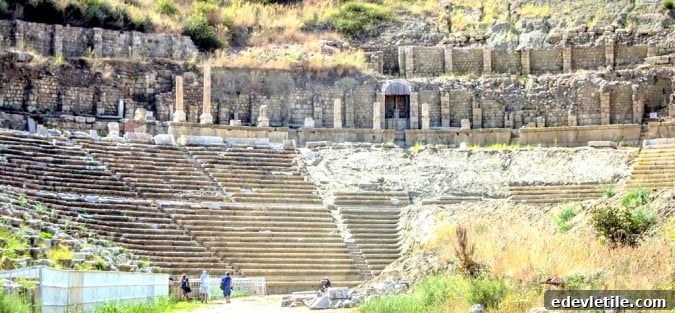
Standing there, I could picture chariots thundering around the track and crowds roaring from all four sides. It was astonishing that such a monumental structure sits so close to my home yet receives so little attention. Later research revealed that a marble stadium, reportedly able to hold around 40,000 spectators and larger than Ephesus’s theatre, was discovered only in 2012 after being buried for centuries.
Experts describe it as one of the best-preserved ancient structures in the world.
Ongoing funding and excavation promise to reveal more of the stadium and improve its presentation in the coming years.
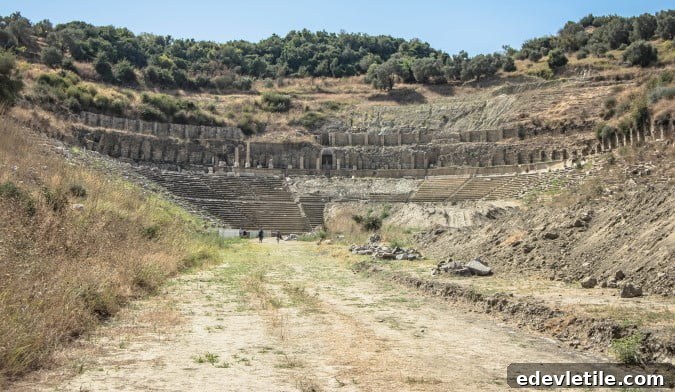
I explored further to see the Roman market, basilica and agora, but none of those sites eclipsed the powerful impression of the stadium. Initially I thought my visit would be a one-off, but now I’m eager to return. As excavations continue over the next decade, I’d love to see how the site develops and to experience the stadium again once more of it is revealed.