Start Meditating Today: Simple Steps to Begin a Daily Practice
Meditation may not be the first thing that comes to mind when you think of Turkish life, but it quietly appears in many traditions and practices. The tesbih (prayer beads) commonly seen with older men in tea houses serves as a simple counting tool to focus the mind and connect with a higher religious purpose.
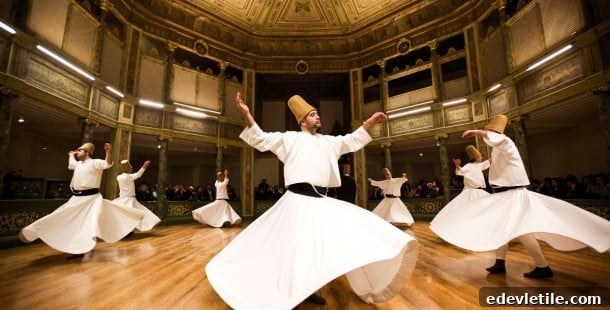
Similarly, the Whirling Dervishes—now a popular cultural attraction, particularly in Istanbul—use the active meditation of the circling Sama Sufi ritual to guide the mind into a calm state of simply “being.” Many contemporary Muslims also practice tafakur (reflection), a contemplative approach that supports the performance of Salat, the five daily prayers.
Meditation has been practiced in various forms worldwide, but in the 1980s it suffered from cultural caricature in the West—portrayed as the pastime of incense-scented, cross-legged hippies. That image was compounded by high-profile commercial schemes such as the Maharishi Yogi organization, which charged large sums for simplified mantra instruction.
An important shift occurred in 2008 when researchers at Harvard reported biological changes associated with meditation, suggesting it can influence gene expression and offering scientific support for its role in improving health, mental wellbeing, and social functioning.
With practice, meditation can become a skill you apply anywhere—even on a crowded bus or during a distracting conversation.
I often rely on mobile apps to guide me into a meditative state, especially when facing writer’s block. Sometimes a session quickly eases my mind; other times distraction persists. So when I saw a Facebook notice about a Meditation and Healing workshop in Altinkum, I decided to attend.
The Altinkum Meditation and Healing Workshop
The workshop took place aboard the Siesta Boat as we cruised the coastline and anchored in a sheltered bay. About 40 people attended; I recognized a few familiar expat faces, but the idea of meditating in a group of strangers felt a little daunting.
Despite initial hesitation, we followed Janice—an experienced Reiki healer—who guided us to lie down on sunbeds and practise techniques to quiet the mind. Her calming voice, soft music, and the gentle rocking of the boat combined into a surprisingly relaxing experience. Honestly, if I ever won the lottery, I might hire Janice as a personal guide in place of the many meditation apps I’ve tried.
The session progressed to exercises focused on seeing and sensing auras. In pairs, we were asked to look at one another and notice any color or glow around the person opposite. At first I saw nothing; on a second attempt a faint hue appeared for a couple of seconds before fading away. The accompanying exercise of sensing an aura produced a similar brief result.
I did feel a presence—whether that was my partner’s aura or my own imagination is hard to say.
After a finger buffet, a birthday celebration and a raffle, the boat returned to harbour and everyone went their separate ways. The aura exercises left me unconvinced and uninterested in pursuing that particular practice further.
However, I left the workshop appreciating the clear benefits of meditation: a sense of calm, better grounding, and a more realistic perspective on life. The instructors plan to run another Meditation and Healing workshop—possibly set in a scenic natural location or a historical venue.
Details are not yet finalised, but I intend to attend the next event and would recommend it to anyone nearby who wants to try guided meditation in a friendly group setting.
Leave the incense sticks, hippy robes and single-word mantras at home—just bring an open mind.
The Meditation and Healing Workshops in Altinkum are led by Janice Manson and Karen Thorne, who can be reached through the Glitz and Glamour group on Facebook.