Topkapi Palace Visitor Guide: Insider Tips from a Local
Planning a visit to Topkapi Palace in Istanbul? This travel guide covers everything you need to know!
Perhaps a historical documentary or a TV series sparked your curiosity about where Ottoman sultans lived, governed, and conducted palace life. Topkapi Palace in Istanbul offers grand courtyards, intricate tilework, private chambers and centuries of history — from political ceremonies to intimate family life.
Built as the main residence of Ottoman sultans for nearly 400 years, Topkapi was the empire’s political and cultural center. Its complex layout, multiple ticket options, and busy seasonal lines can feel overwhelming, so this guide aims to simplify planning and point out the unmissable highlights.
We’ve visited Topkapi many times and compiled practical tips, suggested priorities, and time-saving advice so you can enjoy the palace without feeling rushed or fatigued. You don’t need to be a history expert to appreciate the site — a basic curiosity and comfortable shoes are enough.
Buy your ticket, enter through the Imperial Gate, and step into a world of Ottoman splendor for a few hours of discovery. 🙂
“The most beautiful and best-known of all Istanbul’s sights, Topkapi is the palace overlooking the Bosphorus where the sultans made their homes… It’s here more than anywhere else in the city that you will feel the ghosts of the imperial past brushing against you.”
This blog post was fact-checked and updated in January 2026.
Topkapi Palace Basic Information
Topkapi Palace Opening Hours: The palace is generally open from 9:00 AM to 6:00 PM year-round. Note that the ticket office usually closes one hour earlier.
Check the official site before your visit since hours can change during holidays or special events.
Closed Days: Topkapi Palace is closed on Tuesdays. Keep this in mind when planning your itinerary.
Holidays & Other Closures: Visiting hours may be adjusted for national holidays. Confirm ahead of time if your visit coincides with a holiday period.
Free Days: There are no regular free-entry days at Topkapi Palace.
Dress Code: There is no strict dress code for most areas, but modest clothing is required for the Holy Relics Chamber—avoid shorts, short skirts, or exposed shoulders if you plan to enter that section.
Topkapi Palace Ticket Prices
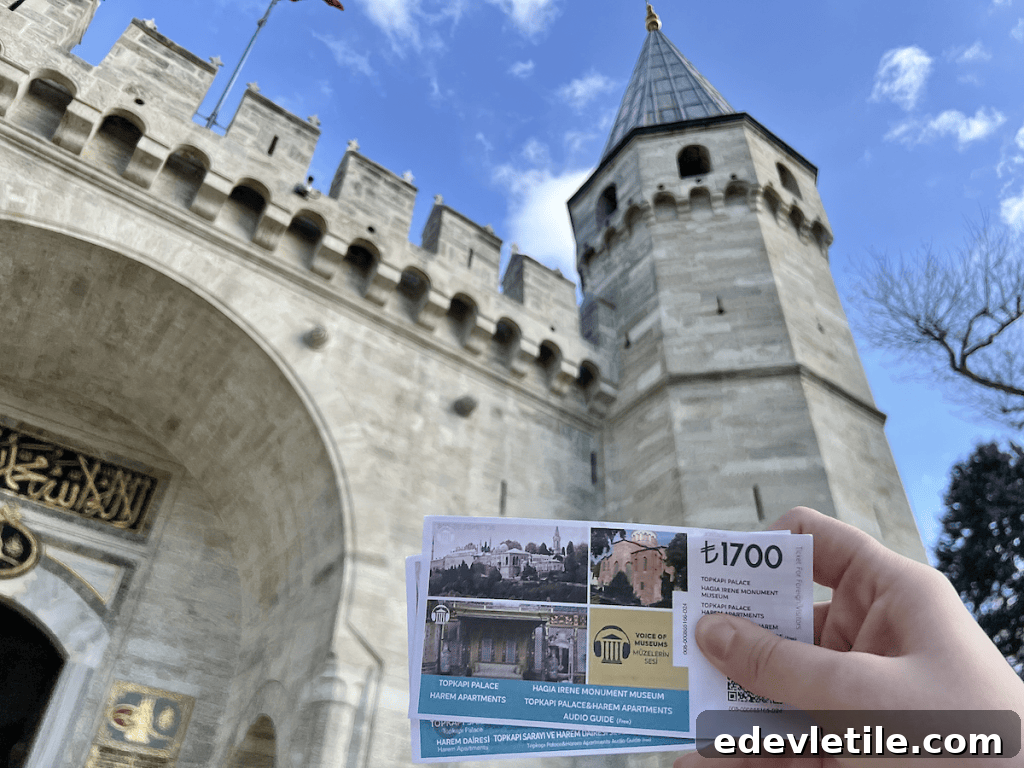
As of January 2026, the Topkapi Palace Combination Ticket is 2,750 Turkish Liras per person. This combination ticket includes entry to:
- The main Topkapi Palace courtyards, rooms, and halls
- The Harem, the private living quarters of the sultan’s family
- Hagia Irene, a Byzantine-era church on the palace grounds
Individual tickets are sometimes available for just the Harem or just Hagia Irene, but most visitors buy the combination ticket to see the main highlights.
Prices can change due to policy updates or inflation, so verify current rates at the entrance when you arrive.
Topkapi Palace Online Tickets
Topkapi receives millions of visitors annually, so buying tickets in advance is highly recommended, especially in summer or on holiday weekends. Online tickets often include a skip-the-line option that saves significant waiting time.
Guided tours can provide access to a separate entrance used by licensed guides, making it an efficient option even if you prefer to explore with minimal commentary.
Discounts: Unlike many other Turkish museums, Topkapi typically does not offer standard discounts or free entry days.
Topkapi Palace Travel Tips
How much time to budget: Allow at least 2–3 hours for a focused visit. If you enjoy reading display labels, taking photos, and exploring thoroughly, plan for 4 hours or more.
Best time to visit: Arrive at opening (around 9:00 AM) to avoid crowds and catch the best light for photos. Spring and autumn offer pleasant weather and fewer visitors; summer is hot and crowded; winter is quiet but colder.
Security & Photography: All visitors pass through security checks. Handheld photography is allowed in most areas; turn off flash in dim spaces. Photography is strictly prohibited inside the Sacred Relics Chamber.
A Short History of Topkapi Palace
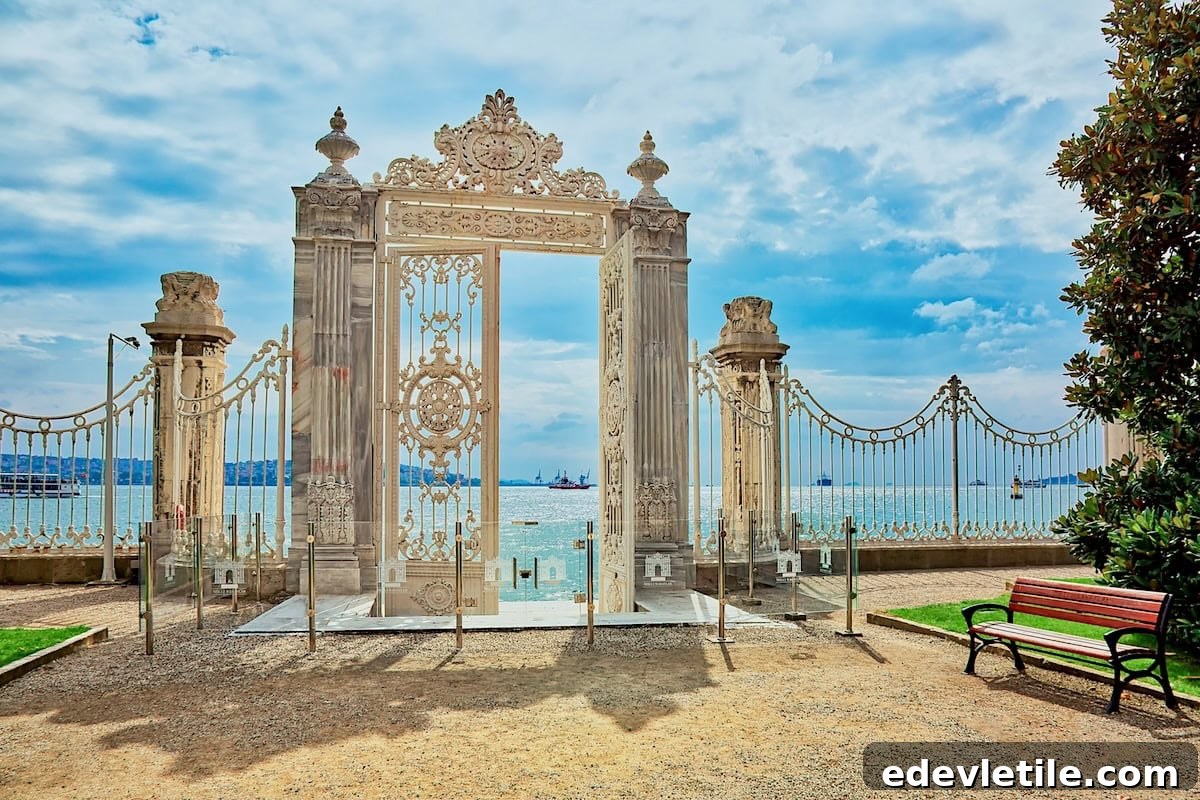
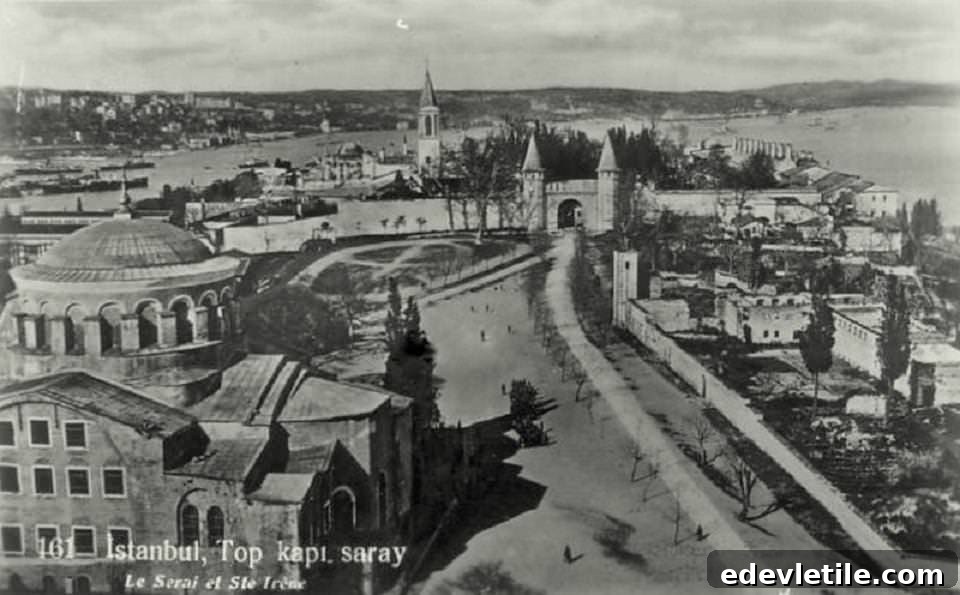
Topkapi Palace, officially Topkapı Sarayı, takes its modern name from a seaside gate. Initially known as the “New Palace,” it was commissioned by Sultan Mehmed II after his conquest of Constantinople. Construction began in the 1460s and the palace evolved over centuries as successive sultans added new pavilions, libraries, and kiosks.
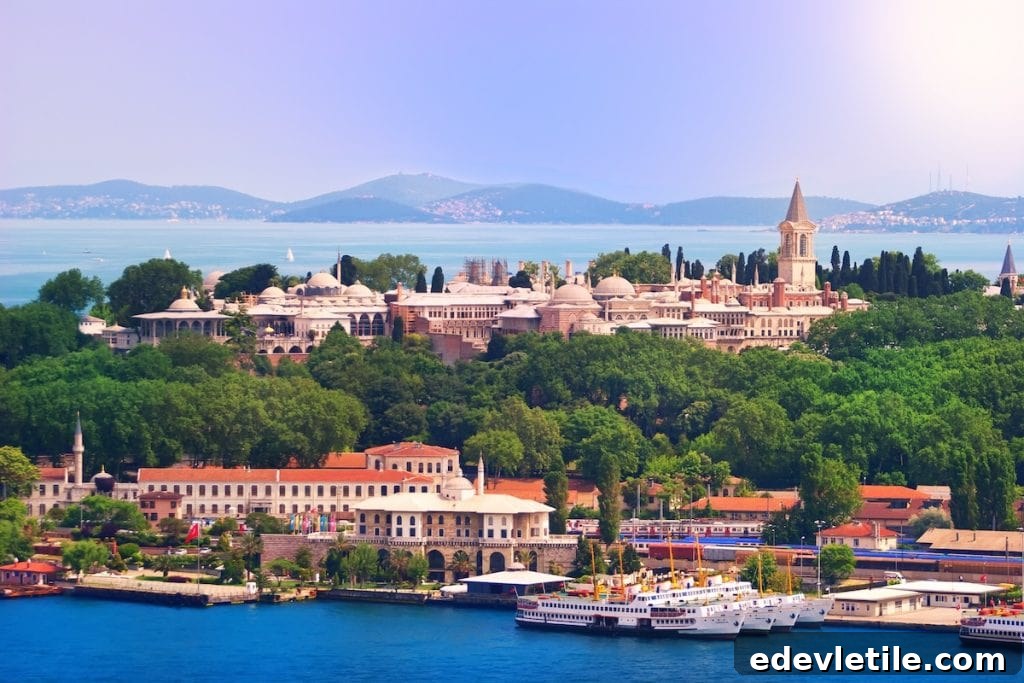
The palace’s location—where the Golden Horn, the Bosphorus and the Sea of Marmara meet—was deliberately chosen for strategic and symbolic reasons. Its layout of courtyards reflected a clear separation between public and private life, with administrative spaces opening onto the first courtyards and the sultan’s private quarters deeper inside.
Sultans such as Suleiman the Magnificent and Ahmed III added notable structures, and Abdülmecid I later created pavilions before relocating the court to Dolmabahçe Palace in the mid-19th century. After the empire’s end, Topkapi was converted into a museum by order of Mustafa Kemal Atatürk and opened to the public in 1924.

Visiting Topkapi Palace
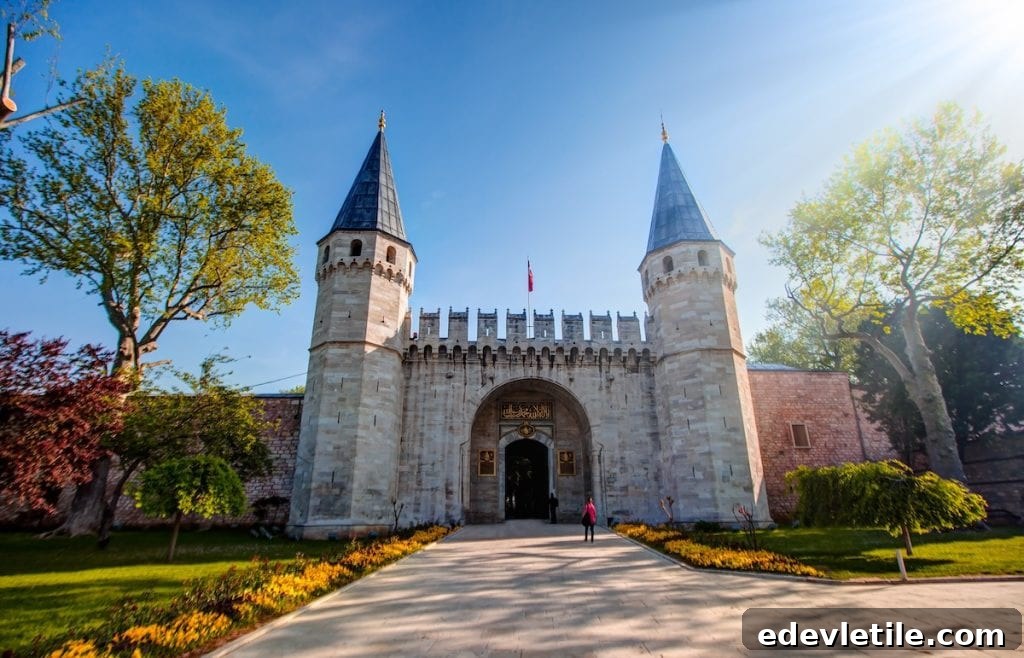
Approach the palace from the area near the Ahmet III fountain and pass through the Imperial Gate (Bab-ı Hümayun). The palace is usefully divided into four courtyards that progress from public to private spaces; organizing your visit around these courtyards makes the layout easy to follow.
Quick overview:
First Courtyard: Entry area with ticket offices, Hagia Irene and transitional gardens.
Second Courtyard: Administrative center with kitchens, the Imperial Council chamber, the Tower of Justice and the Harem entrance.
Third Courtyard: The sultan’s private and political heart, containing the Audience Hall, Imperial Treasury and Sacred Relics Chamber.
Fourth Courtyard: Secluded gardens, pavilions and terraces with Bosphorus views.
First Courtyard: Alay Meydanı (Courtyard of Processions)
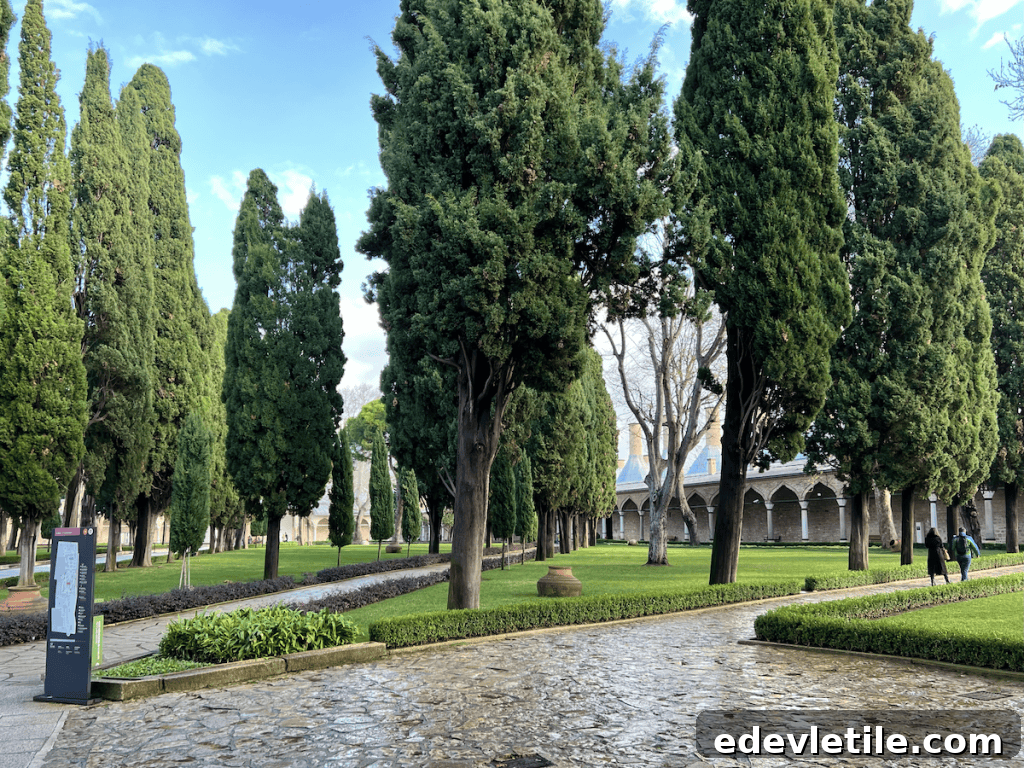
The first courtyard served as a public and ceremonial space where processions and petitions took place. It still functions as the palace entrance park and contains the former mint building and Hagia Irene. Entry to the main palace begins at the Gate of Salutation (Bab-üs Selam) beyond the ticket area.
Second Courtyard: Divan Meydanı (Imperial Council Courtyard)
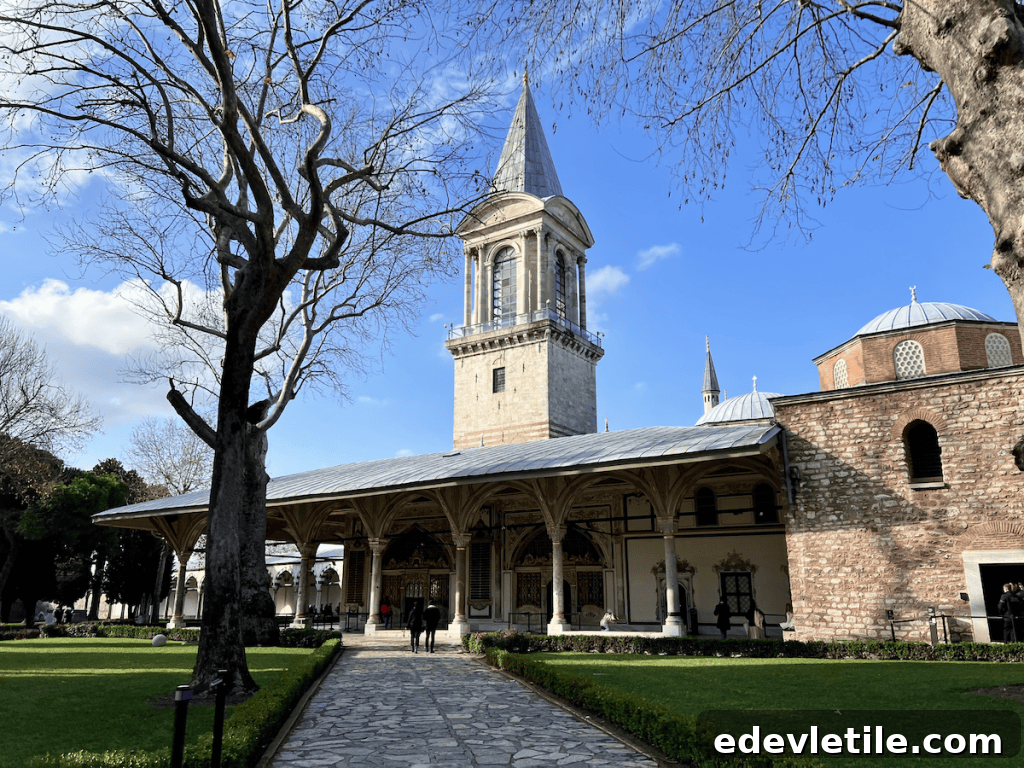
The second courtyard is the largest and served as the administrative heart. It connects the kitchens, stable complex, the council hall, the Tower of Justice and the Harem entrance.
Highlights:
📍 Stable Complex – where horses and carriages were kept.
📍 Council Hall – where ministers met; the sultan later listened secretly through a hidden window above the Grand Vizier’s seat.
📍 Tower of Justice – the tallest and most symbolic building, linked to the sultan’s oversight.
📍 The Harem entrance – leads into the palace’s private residential quarter.
Topkapi Kitchens: These large kitchens once employed hundreds of cooks and staff and now display porcelain, silverware and serving items used in the imperial household.
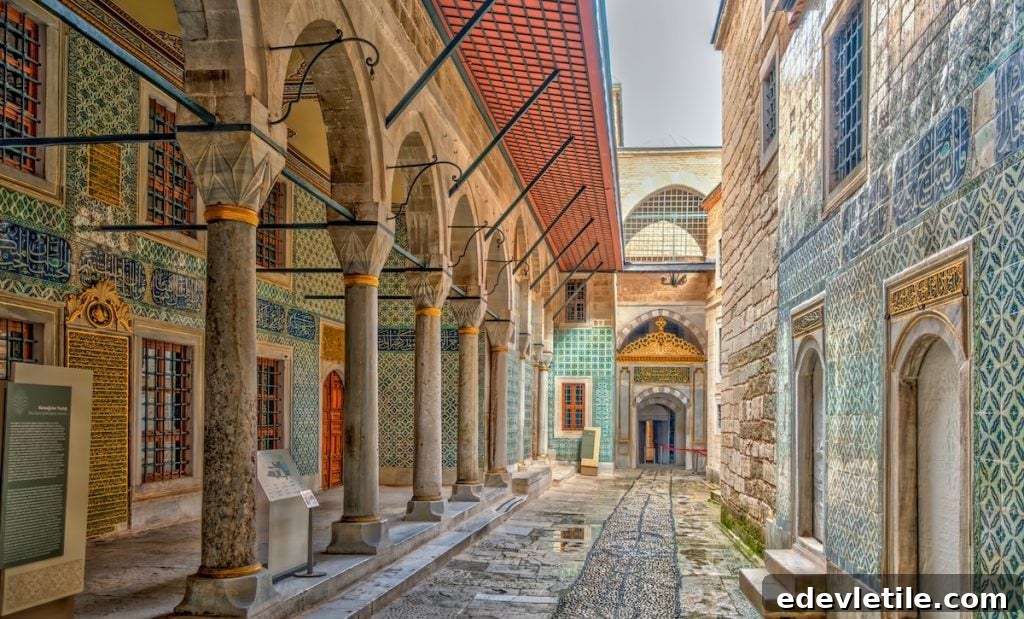
The Harem
Tucked off the Second Courtyard, the Harem was a secluded residential complex with hundreds of rooms, baths, mosques and service areas. It housed the Valide Sultan (queen mother), the sultan’s consorts and children, and the staff who managed daily life.
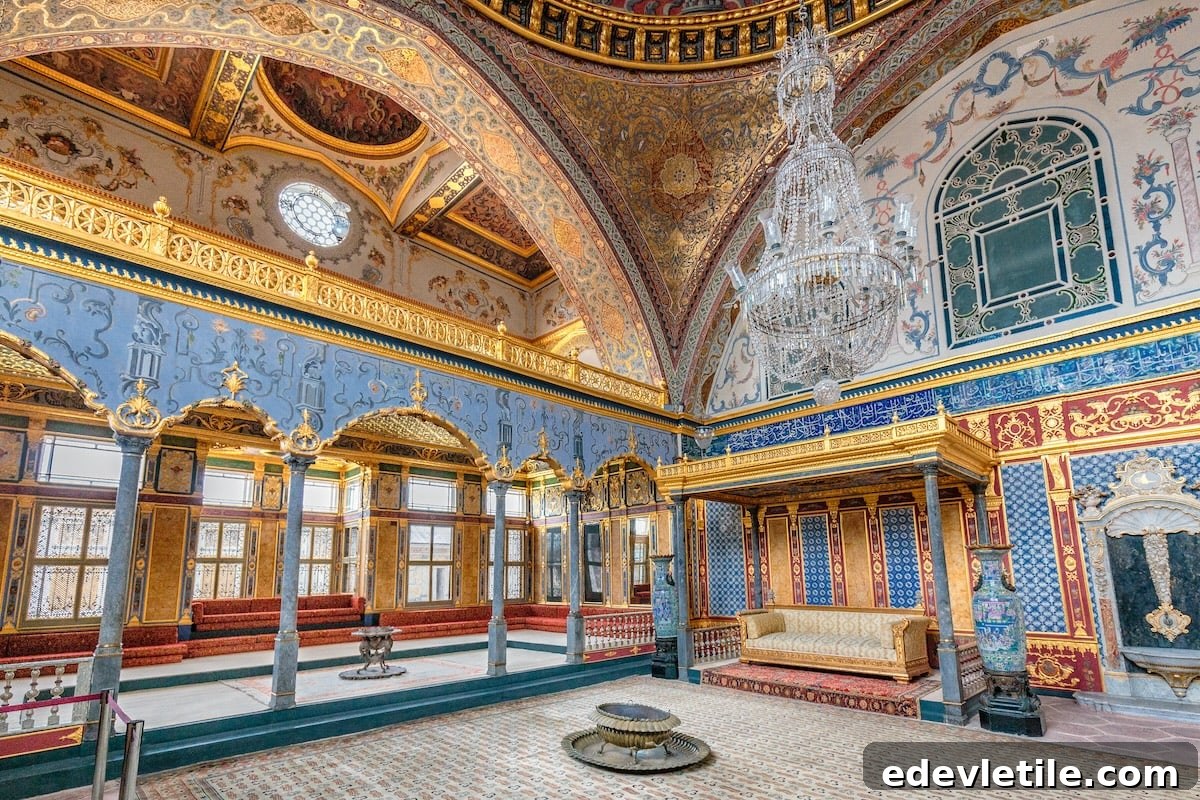
Key spaces include the Imperial Hall (Hünkâr Sofası), used for private ceremonies and performances, and the Valide Sultan’s apartments, richly decorated with tilework and gilding. The Crown Prince’s rooms are deeper within the Harem, reflecting the protected upbringing of heirs.
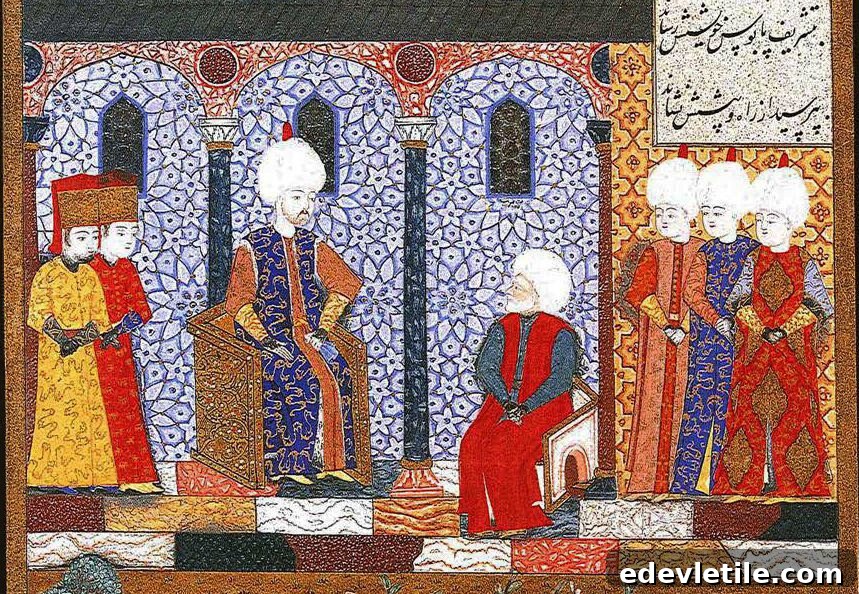
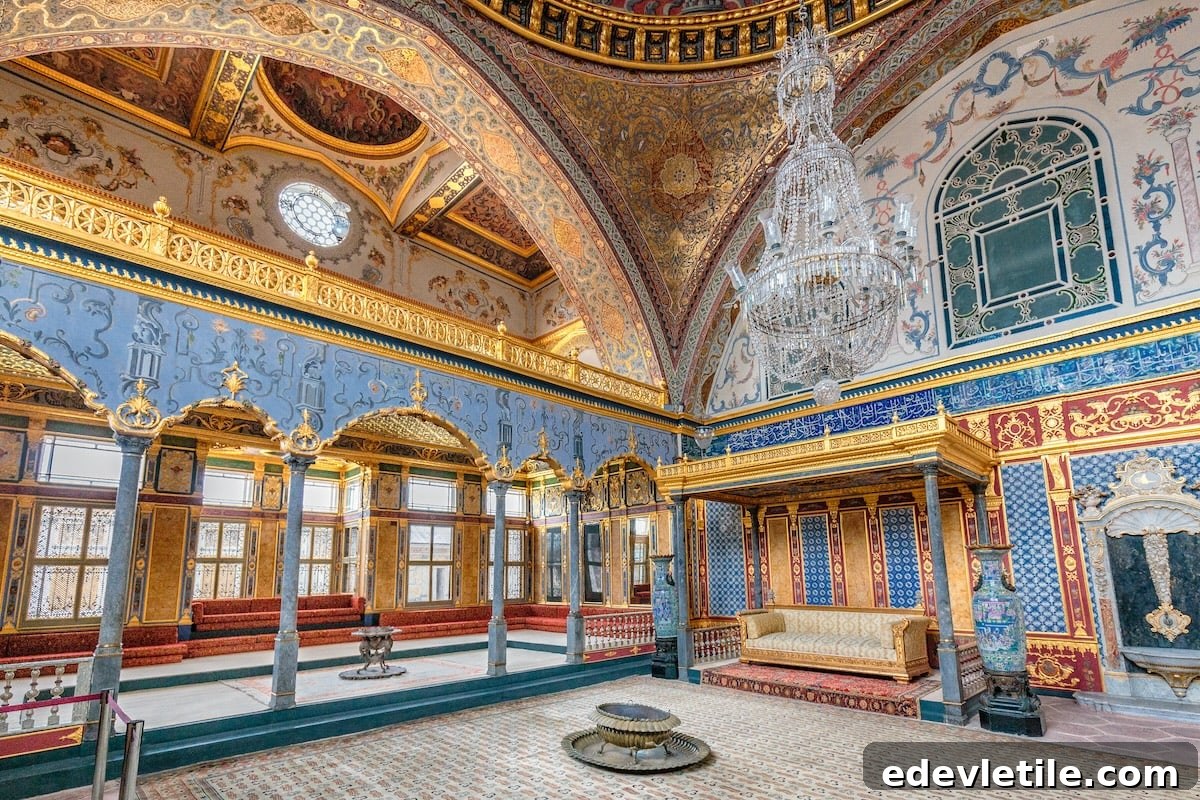
The Harem’s design and decoration provide insight into court life, patronage and the role of women within the palace structure.
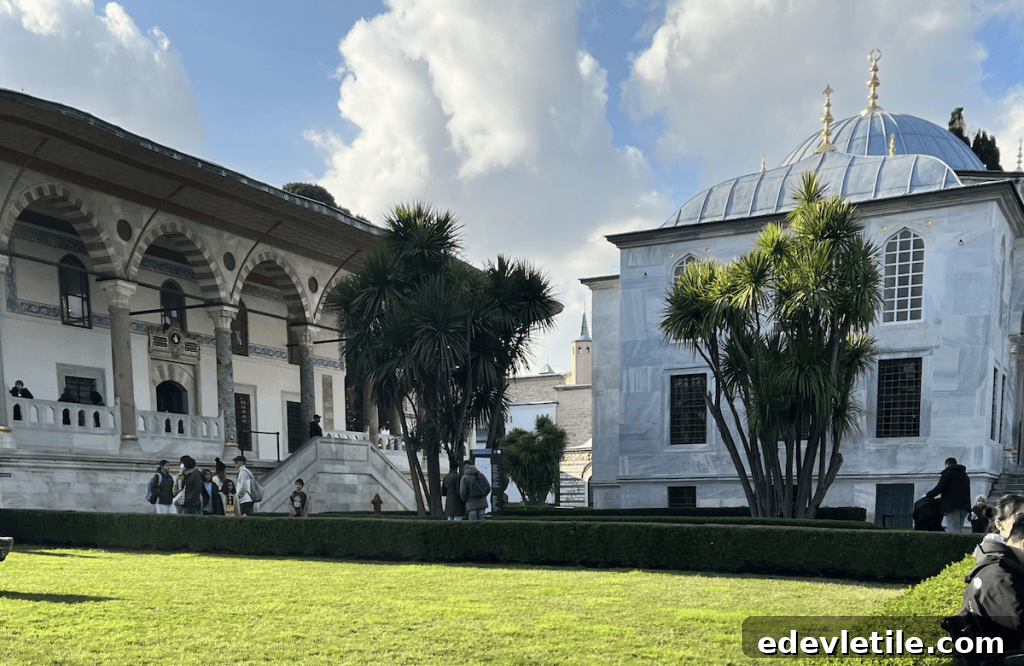
Third Courtyard: Enderun Meydanı (Enderun Square)
The Gate of Felicity opens into the Third Courtyard, which marked the transition into the sultan’s most private and ceremonial spaces. The Enderun School, Imperial Treasury and the Sacred Relics Chamber are all located here, and important ceremonies took place on this square.
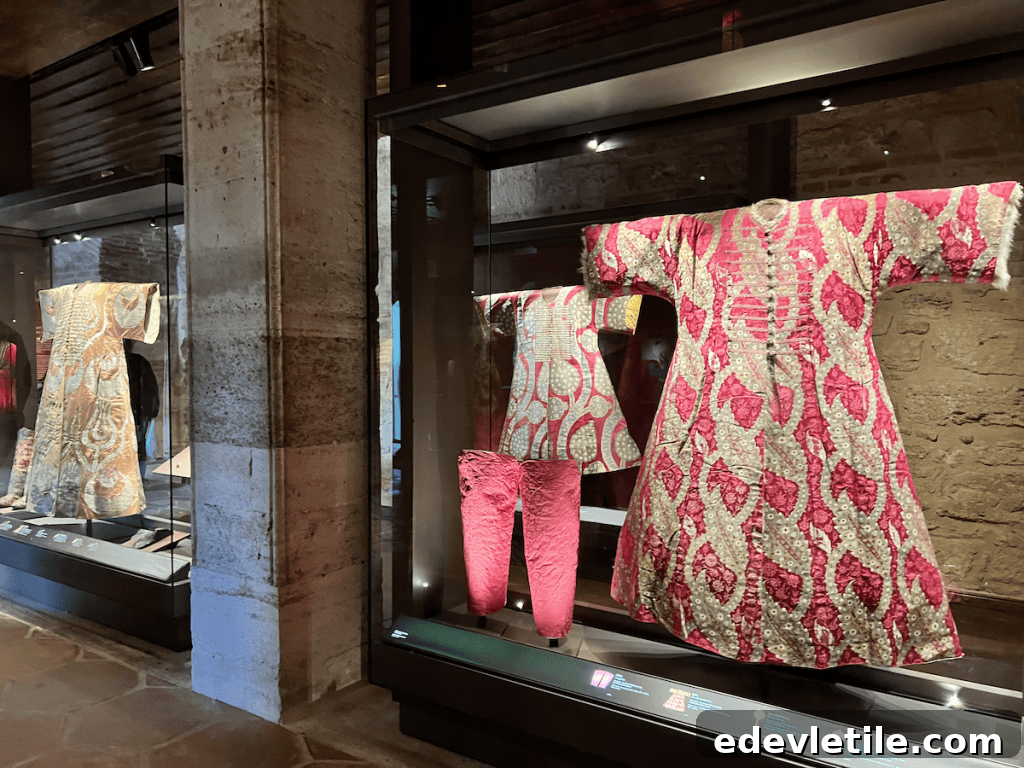
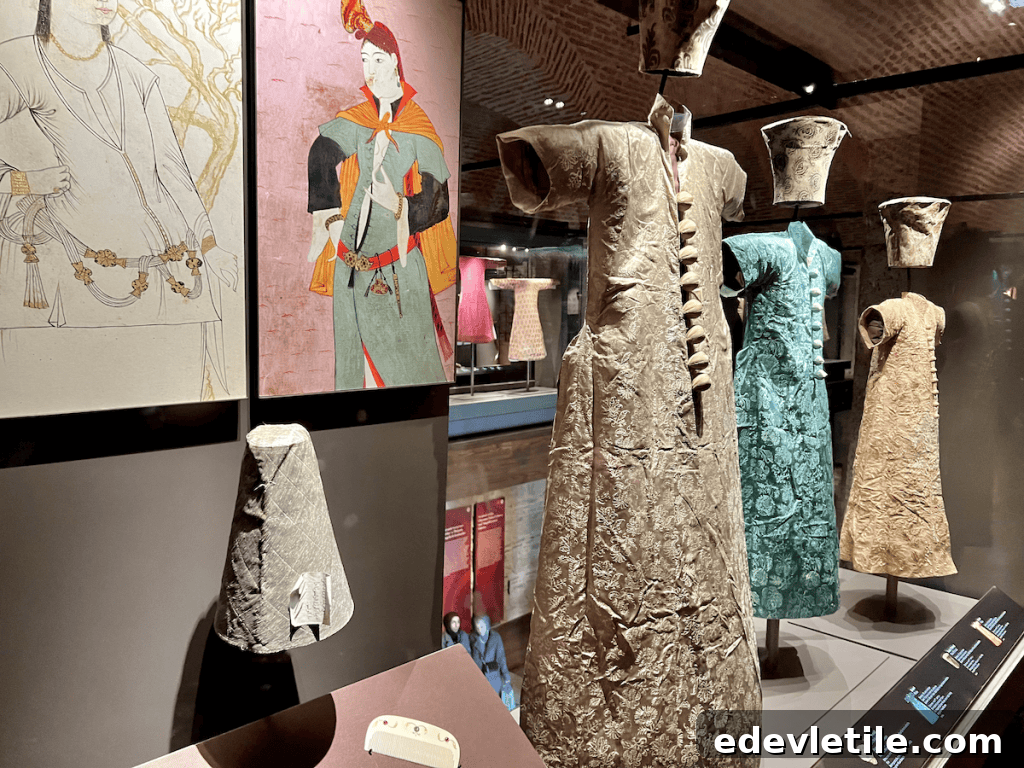
Imperial Treasury: A must-see collection of jewelry, thrones and ceremonial objects, including famous gems and imperial regalia.
Sacred Relics Chamber: Holds important religious artifacts; photography is not permitted and religious recitations are maintained as part of the exhibit’s atmosphere.
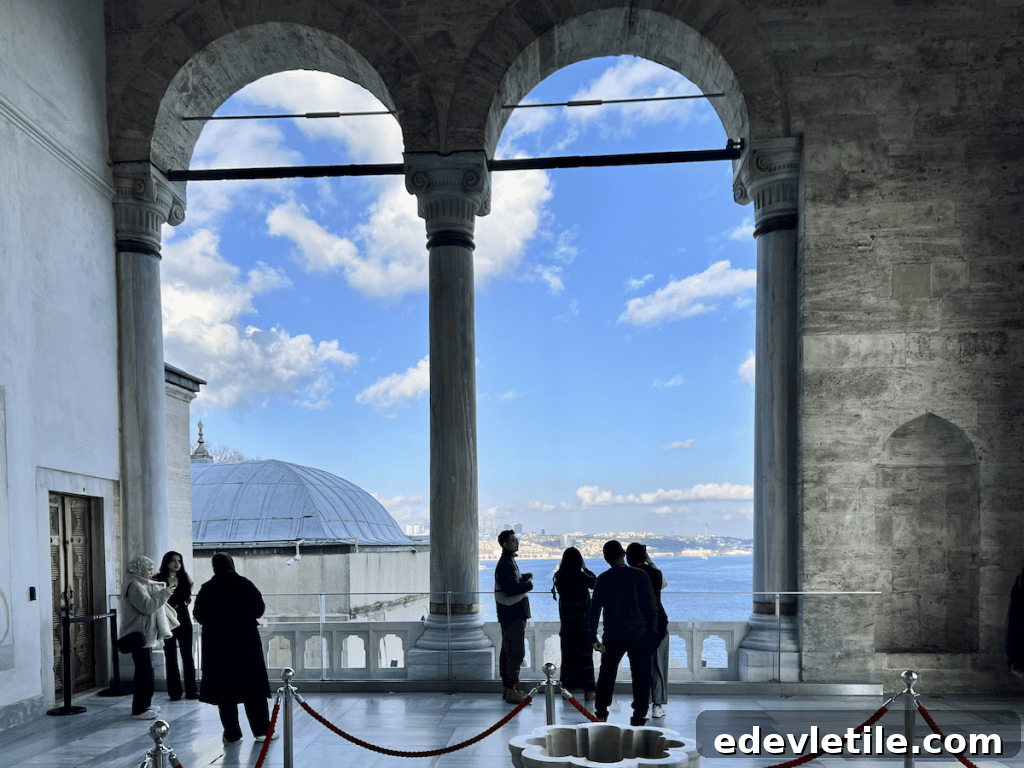
Fourth Courtyard
The Fourth Courtyard is a tranquil area of gardens, kiosks and pavilions where the sultan could relax and entertain in private. It offers some of the best views over the Marmara Sea and is ideal for taking a break from the busiest parts of the palace.
Walk between the Baghdad and Mecidiye kiosks for an especially pleasant panorama of the Marmara.
That completes the palace tour. If you’d like to experience Topkapi in person, consider booking ahead to reduce waiting time.
Amenities at Topkapi Palace
Topkapi provides several practical amenities for visitors:
Restrooms: Basic facilities are available near entrance points and between courtyards; queues can form on busy days.
Cafes & Snack Stands: Small cafes and snack carts operate within the complex, offering refreshments at moderate tourist prices.
Restaurant: A full-service palace restaurant has operated intermittently; check current status before your visit.
Benches & Shade: Shaded seating is present but limited on crowded days.
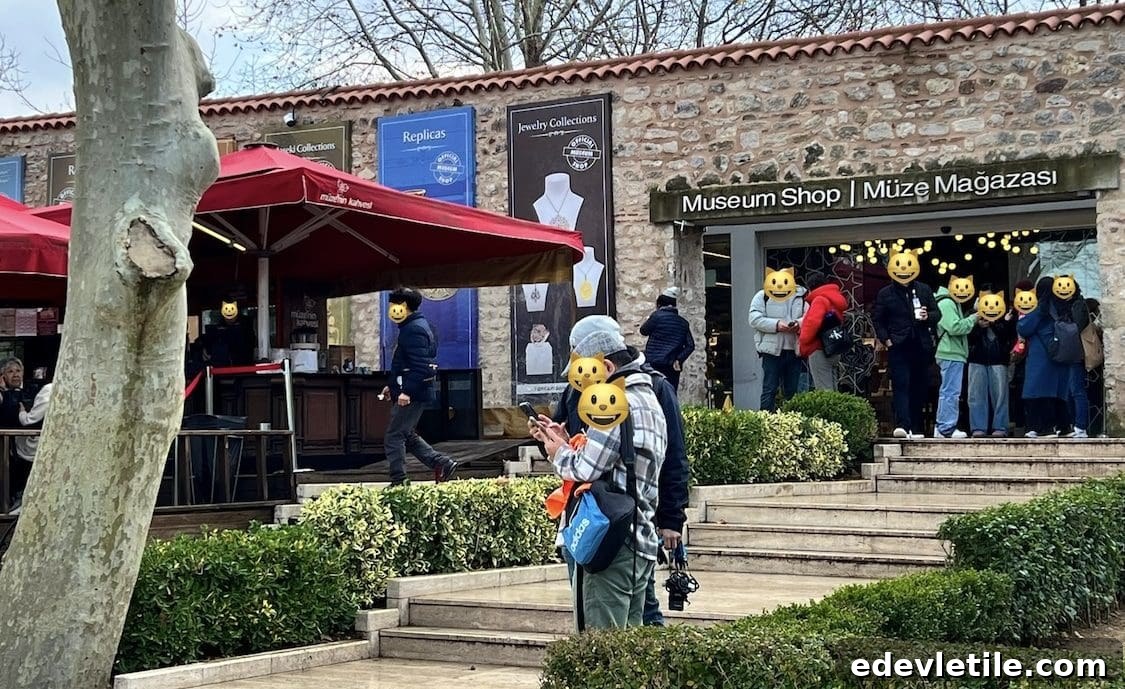
Gift Shop: The museum shop sells books, postcards and Ottoman-inspired souvenirs.
Baby Room: A basic baby care facility exists but comes with limited amenities; bring essentials if visiting with young children.
Where to go After Topkapi Palace
Topkapi sits in Sultanahmet, so many iconic sites are within walking distance:
Hagia Sophia and the Blue Mosque – Both are a short walk away and are natural next stops after Topkapi.
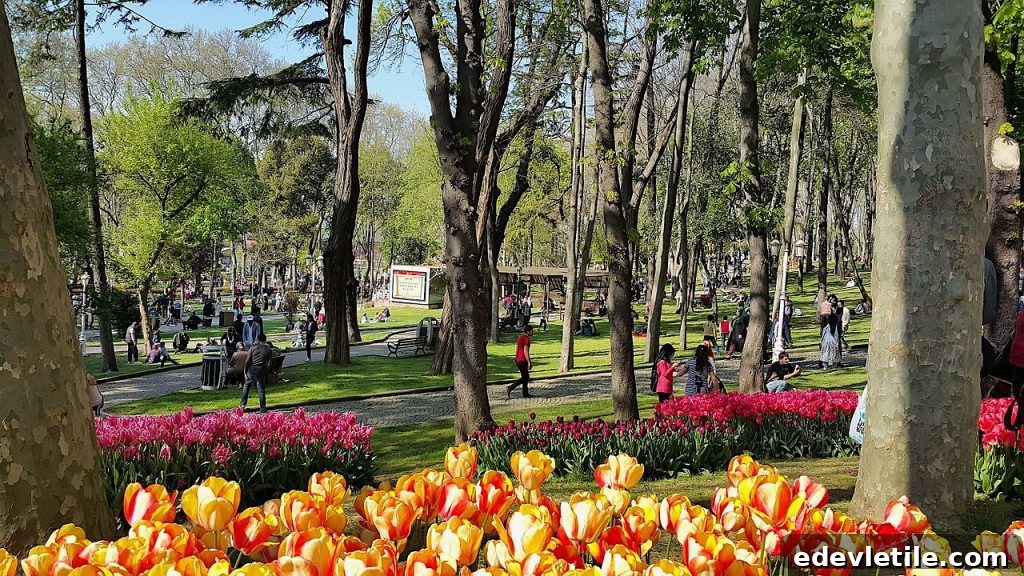
Gülhane Park – A peaceful green space adjacent to the palace, great for a tea or rest stop.
Istanbul Archaeological Museums – Located just behind Topkapi and ideal for a deeper dive into regional antiquities.
Hürrem Sultan Hamamı – A historic Turkish bath near Hagia Sophia if you want to relax after long walking.
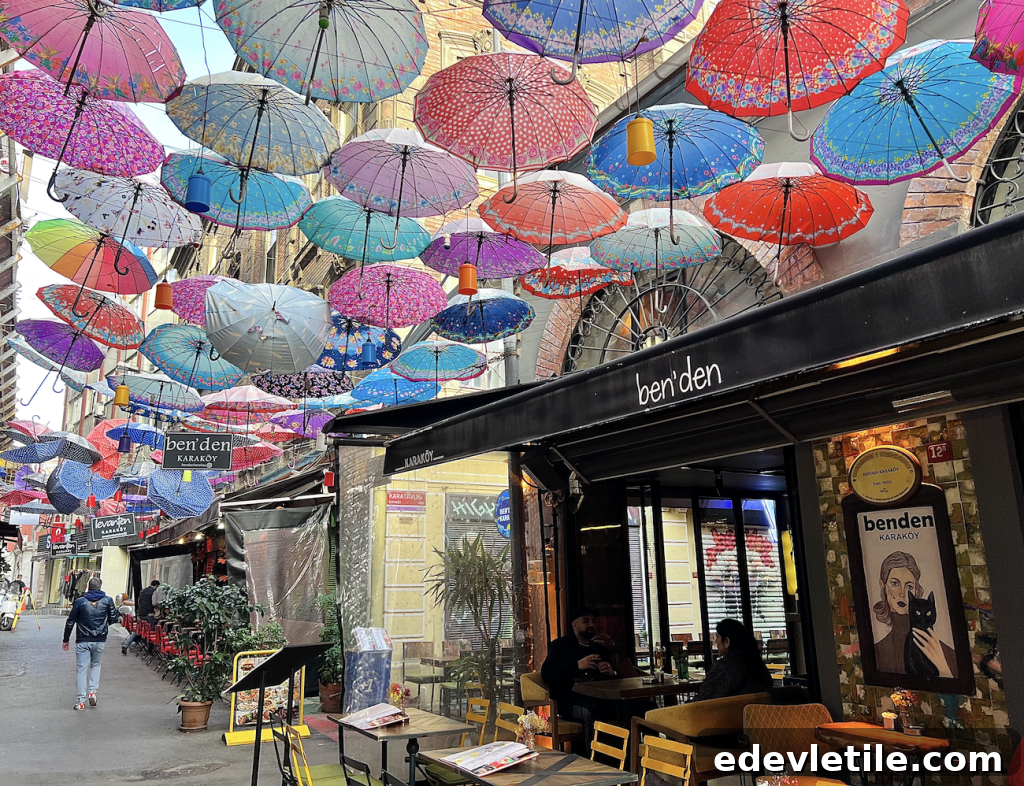
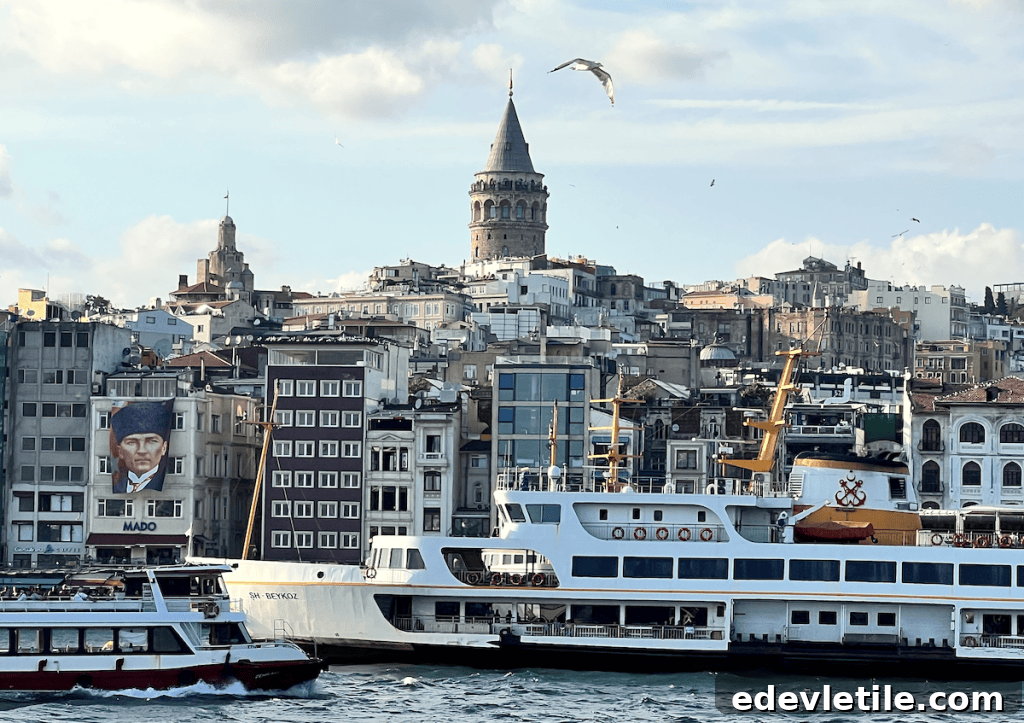
Galata Bridge & Karaköy – A scenic walk or short tram ride will take you to the Galata Bridge and the lively neighborhoods across the Golden Horn.
How to Get to Topkapi Palace
From Sultanahmet – Topkapi is within a short walk from most hotels in the Old Town.
From Galata or Karaköy – Take the T1 tram from Karaköy toward Bağcılar and alight at Gülhane or Sultanahmet, then walk about 8 minutes.
From the Asian Side – Ferries from Kadıköy or Üsküdar to Eminönü run frequently; it’s about a 15-minute walk from the pier to the palace.
The main entrance is across from Hagia Sophia at the Imperial Gate; follow local signage for the most direct route.
Topkapi Palace FAQs
Is Topkapi Palace open every day?
No — Topkapi Palace is closed on Tuesdays. Check opening hours before you go.
Do I need to buy tickets in advance?
Yes. Advance tickets reduce waiting time, especially in peak season. Guided options may include expedited entry.
What time should I go?
Arrive near opening time (around 9:00 AM) for smaller crowds, better light for photos and cooler temperatures in summer.
Can I bring a bag or backpack?
Small bags are allowed but all visitors pass security checks. Large luggage is not permitted and there is no official cloakroom, so pack light.
Can I take photos inside?
Photography is allowed in most areas without flash or tripods. Photos are prohibited inside the Sacred Relics Chamber.
Is the Harem worth it?
Yes. The Harem is highly atmospheric and richly decorated; consider a combination ticket to include it in your visit.
Book Your Tickets to Topkapı Palace!
Topkapi is particularly rewarding in person. Booking ahead is the simplest way to avoid long queues and make the most of your time inside the courtyards, the Harem and the treasury.
Check availability for your travel dates and reserve tickets in advance to secure entry and save time.