When to Visit Turkey: Weather, Top Destinations & Local Tips
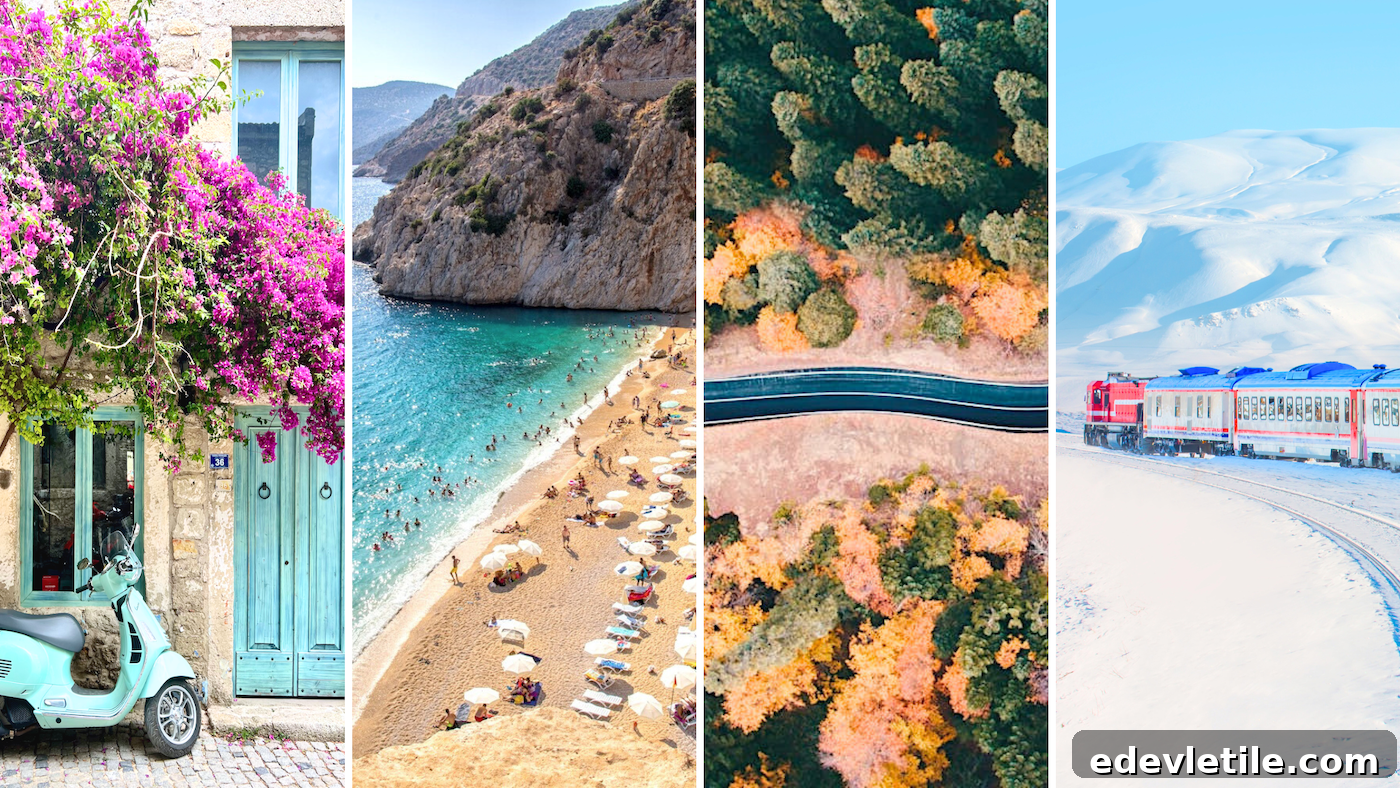
Hot air balloons over Cappadocia, tulips blooming across Istanbul in April, snow-capped peaks in Erzurum, and golden sunsets on the Aegean coast — Turkey truly offers attractions year-round.
With so much to see and do, a common question is: When is the best time to visit Turkey?
Most visitors and locals agree that spring is the best season to visit, with autumn a close second. These shoulder seasons offer mild weather, lower prices, and fewer crowds than the summer high season.
Summer brings heat and lively coastal resort life — ideal if you want beaches and nightlife along the Aegean and Mediterranean. Winter is underrated: it’s perfect for skiing, thermal springs, and experiencing cities like Istanbul with far fewer tourists.
Below is a practical season-by-season guide to help you decide when to travel to Turkey, what to expect, and where to go.

When to Visit Turkey: Overview
Turkey spans many climate zones and borders the Black Sea, Aegean Sea, and Mediterranean, so weather varies widely by region. Each season has distinct advantages — here’s a concise overview to guide planning.
Quick Facts
High season: June to August
Shoulder seasons: April–May and September–October (best weather and fewer crowds)
Low season: November–March (cold in many places, great for winter activities)
Best for beaches: June to early September
Best for sightseeing: April, May, September, October
Best for skiing: Late December to February
Best for couples & honeymoons: May–June, September
Seasons in Turkey: Comparison
| Season | Pros | Cons | Best For | Where to go |
| Spring (Mar–May) |
Mild weather, blooming landscapes, fewer crowds, festivals | Early rain or chill; some resorts open later | Sightseeing, road trips, culture, couples | Istanbul, Cappadocia, Antalya, Ephesus, Alaçatı, Isparta |
| Summer (Jun–Aug) |
Beach weather, long days, festivals, full services | Very hot inland, crowds, peak prices | Beach lovers, families, nightlife | Bodrum, Antalya, Fethiye, Çeşme, Alaçatı, Aegean coast |
| Autumn (Sep–Nov) |
Warm early, fewer tourists, harvest season, great light for photos | Shorter days; some beach resorts close by November | History, food, photography, budget travelers | Cappadocia, Istanbul, Bozcaada, Black Sea highlands, Safranbolu |
| Winter (Dec–Feb) |
Lowest prices, snowy landscapes, skiing, fewer crowds | Cold, limited outdoor activities, shorter daylight hours | Skiers, spa-goers, budget travelers, city breaks | Istanbul, Uludağ, Erzurum, Kars, Pamukkale |
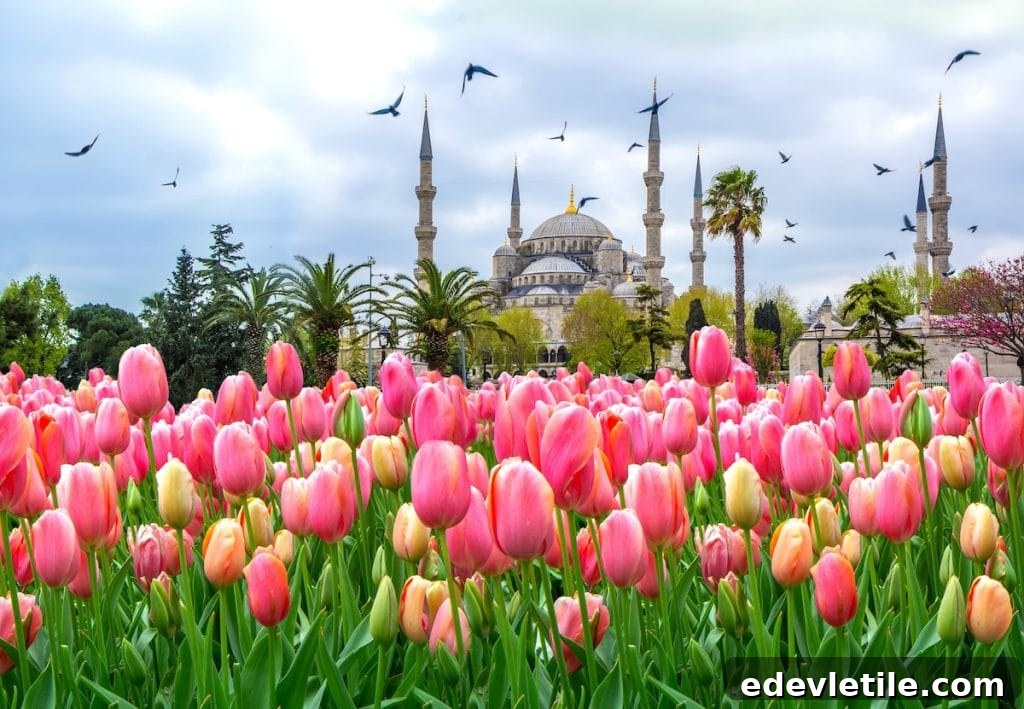
Turkey in Spring (March to May)
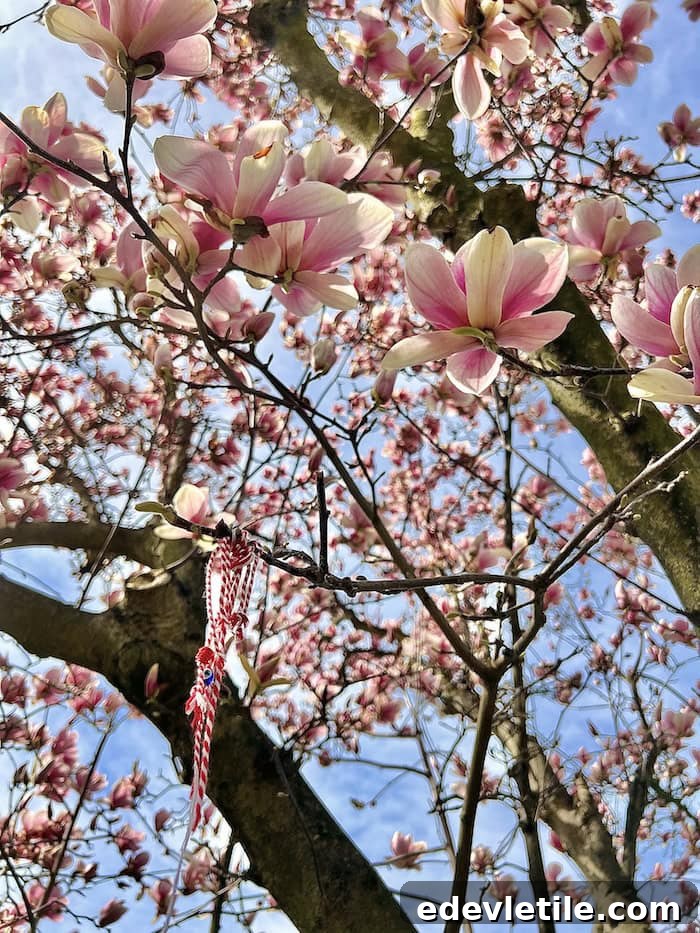
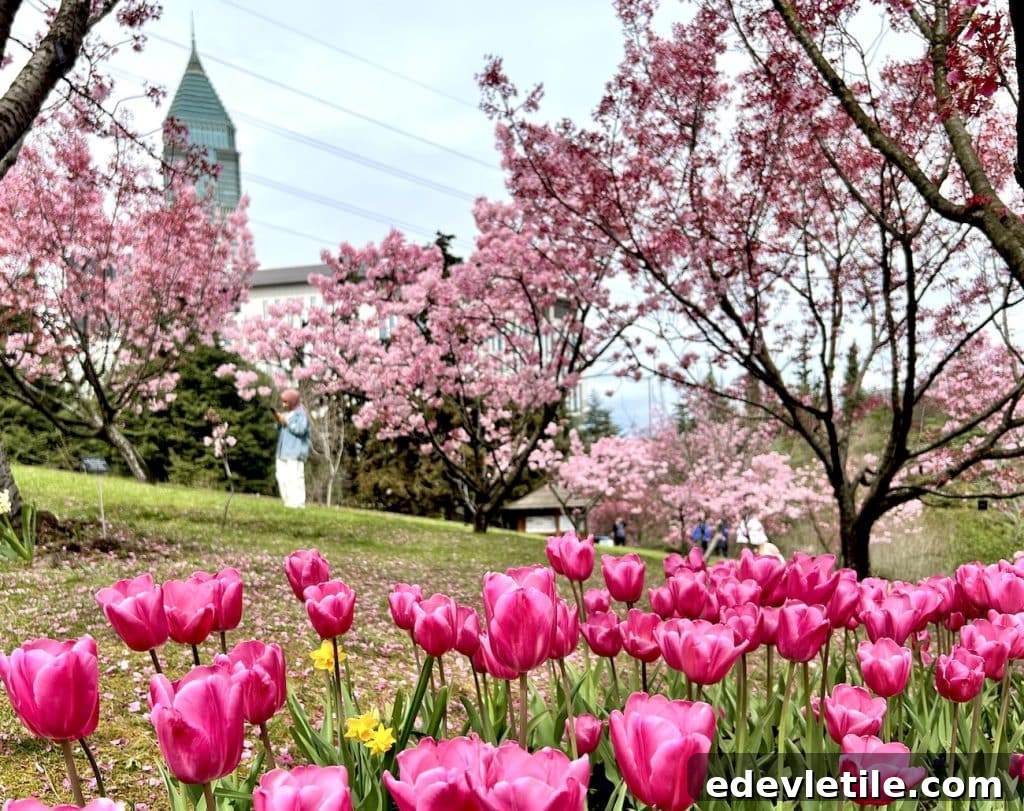
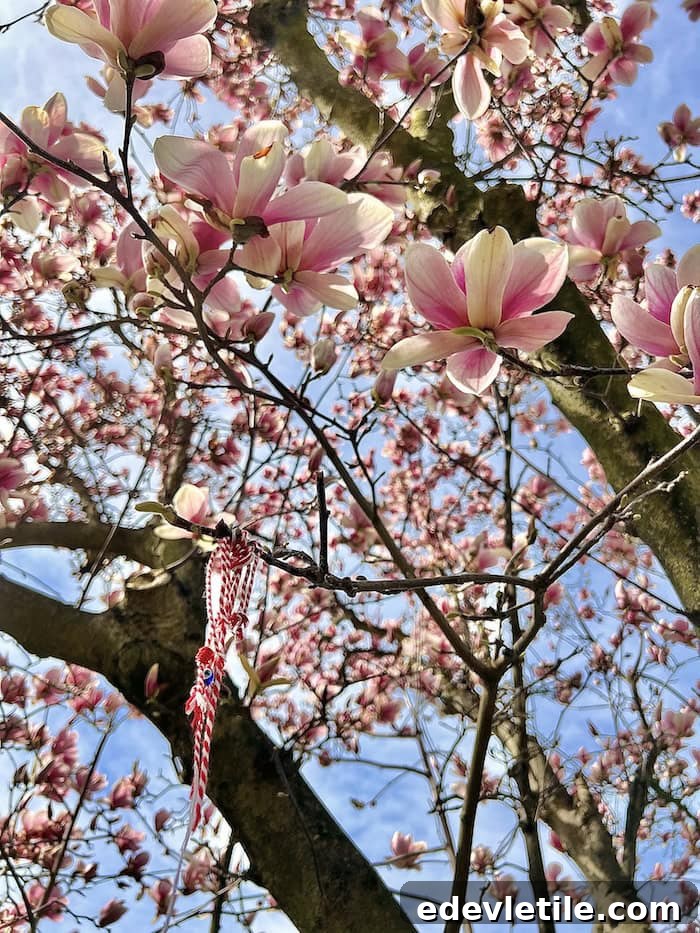
Spring is widely favored by travelers. From March through May, cities and countryside come alive: tulips fill Istanbul’s parks, Cappadocia’s valleys green up, and almond and rose fields bloom in the east and southwest.
This season suits long walks, scenic road trips, outdoor festivals, and cultural events. April brings the Istanbul Tulip Festival, and early May includes Hıdırellez celebrations in several regions.
Weather in Spring
March can still be chilly in eastern and central Turkey (around 2.5–12.5 °C). April sees consistent warming, with averages near 11–16 °C in many cities. May is often the most pleasant month, with daytime temperatures commonly between 16–27 °C — ideal for coastal drives, hiking, and sightseeing without summer crowds.
Best Places to Visit in Spring
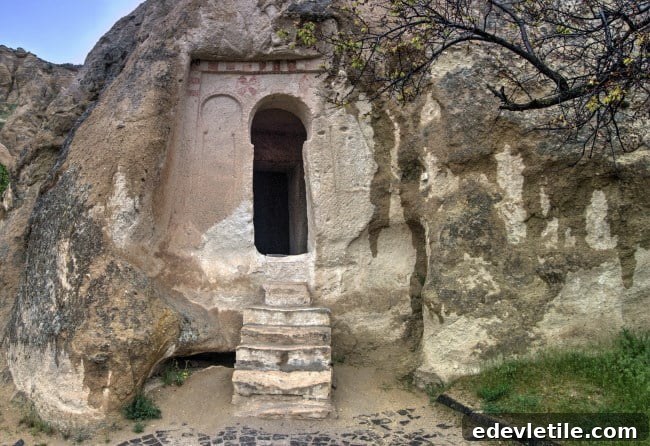
Istanbul is spectacular with spring blooms; Cappadocia warms up for ballooning; Aegean towns like Alaçatı and Ephesus are pleasant and less crowded. Southeastern cities such as Şanlıurfa and Gaziantep are more comfortable than in summer, making spring a great time for cultural visits.
Turkey in Summer (June to August)
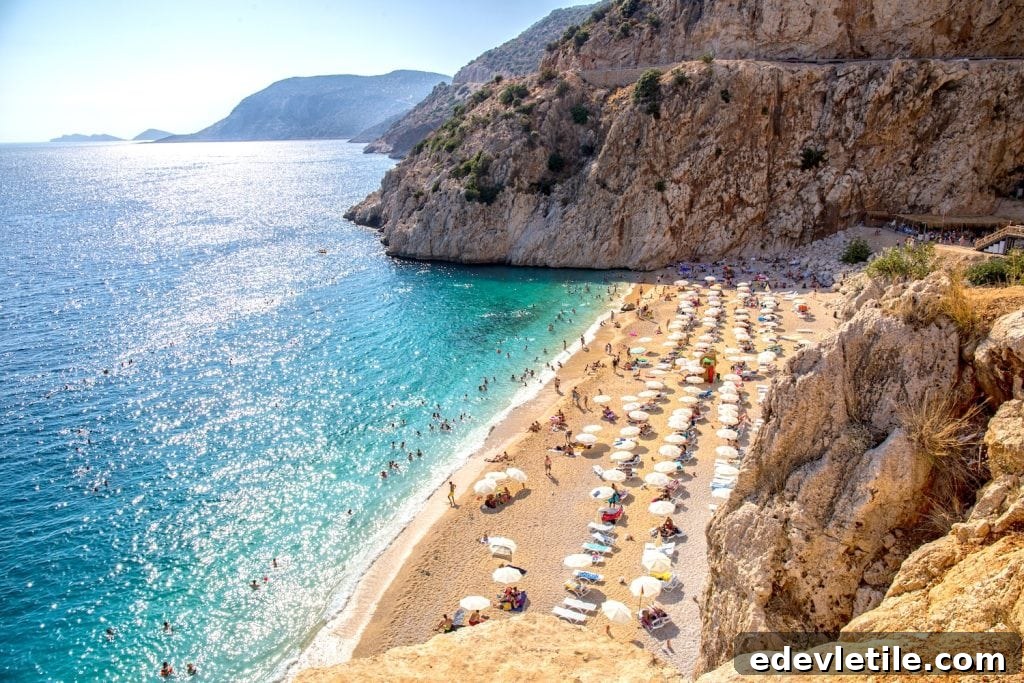
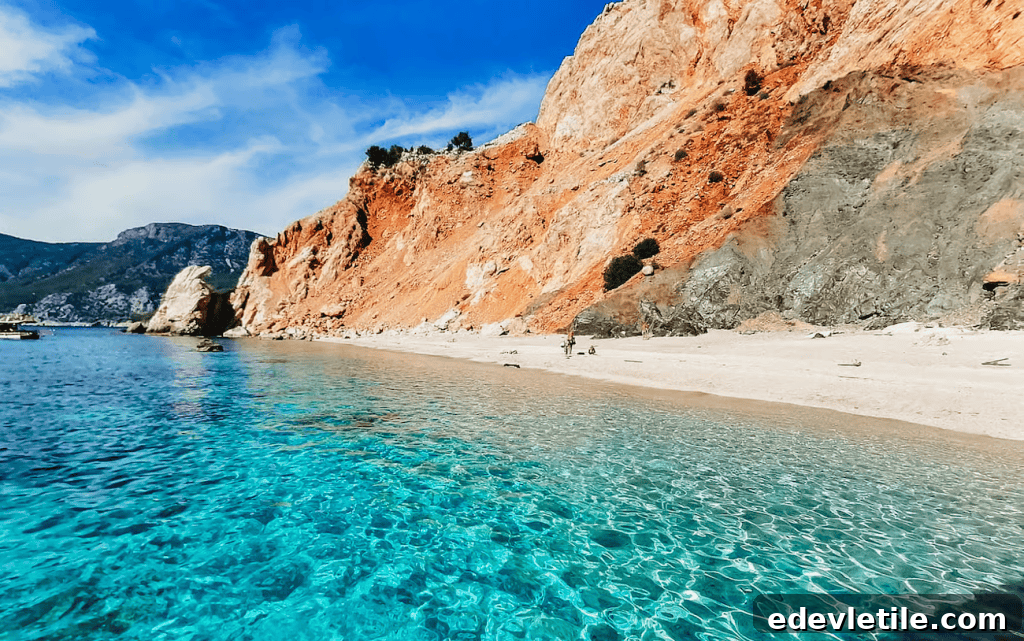
Summer is peak travel season, especially along the coast. Expect long sunny days, warm seas, bustling beach towns, and active nightlife. It’s ideal for swimming, boat cruises, and island hopping.
Weather in Summer
July and August are the hottest months. Coastal Aegean and Mediterranean areas enjoy dry, sunny heat with daytime highs commonly in the high 20s to mid-30s °C. Inland and southeastern regions can be much hotter, sometimes exceeding 40 °C. Humidity can add to the discomfort in places like Antalya and Istanbul, so plan outdoor activities for mornings and evenings.
Best Places to Visit in Summer
For beaches and vibrant coastal life, Bodrum, Antalya, Fethiye, Kaş, Kalkan, Alaçatı, and Çeşme are top choices. For cooler alternatives, the Black Sea highlands offer misty forests and mountain pastures. Early-morning balloon flights in Cappadocia remain a highlight if you visit in summer.
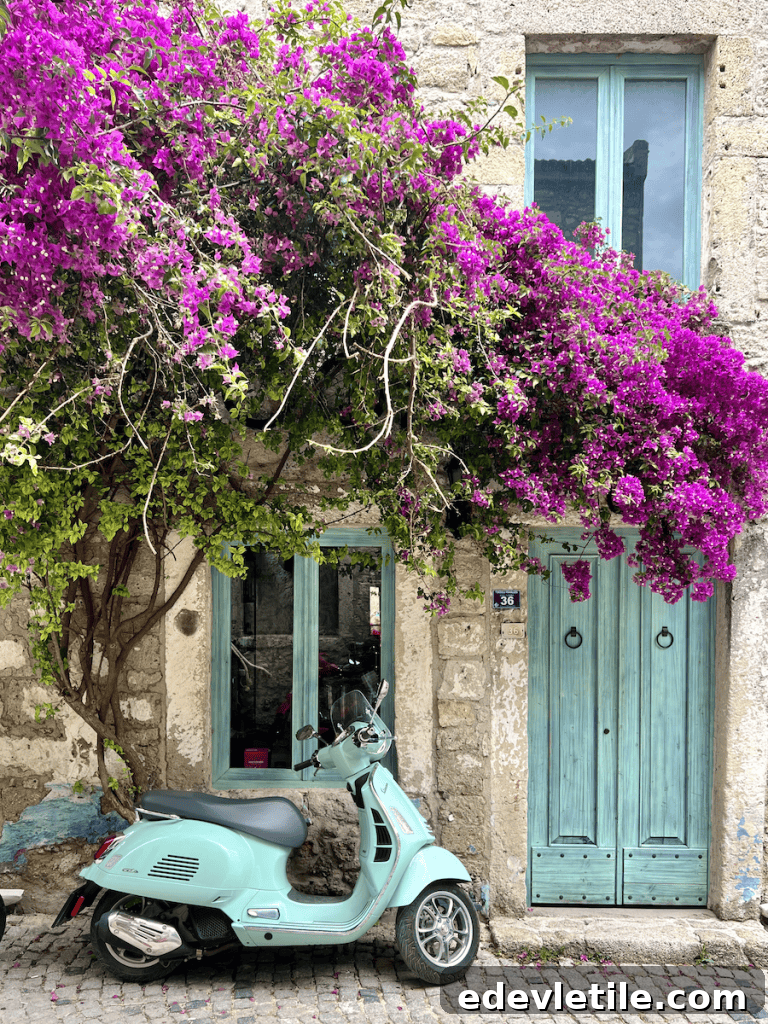

Turkey in Autumn (September to November)
Autumn is a quieter, underrated season with lingering warmth in September, cooling temperatures in October, and crisp sweater-weather by November. Crowds thin, prices drop, and landscapes take on warm tones — an excellent time for relaxed sightseeing and food-focused travel.
Weather in Autumn
September often feels like an extended summer along the coast (25–30 °C). October cools to comfortable daytime temperatures around 18–25 °C on the coast and 10–20 °C inland. November brings cooler days (about 10–16 °C in western cities) and crisper air in the interior and east.
Best Places to Visit in Autumn
Istanbul, Cappadocia, and the Aegean sites like Ephesus are especially pleasant. The Black Sea highlands offer dramatic fall foliage, and wine regions host harvest events. Southeastern cities are comfortable in autumn and ideal for cultural visits.
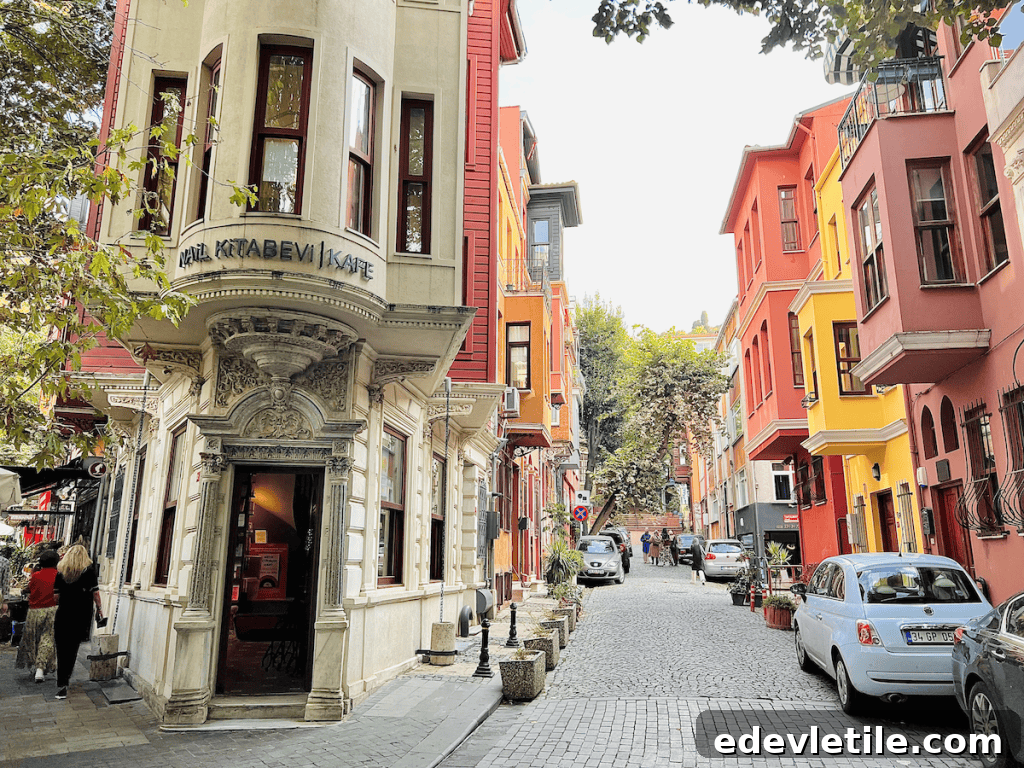

Turkey in Winter (December to February)
Winter is quieter and budget-friendly. Cities offer cultural attractions with fewer tourists, thermal baths feel extra cozy, and ski resorts in Uludağ, Palandöken, and near Erciyes provide excellent snow conditions.
Weather in Winter
Coastal areas are milder (around 10–15 °C), while inland and eastern regions are cold with frequent snow. January is typically the coldest month, with averages near or below freezing in parts of the country. Shorter daylight hours mean planning outdoor activities earlier in the day is wise.
Best Places to Visit in Winter
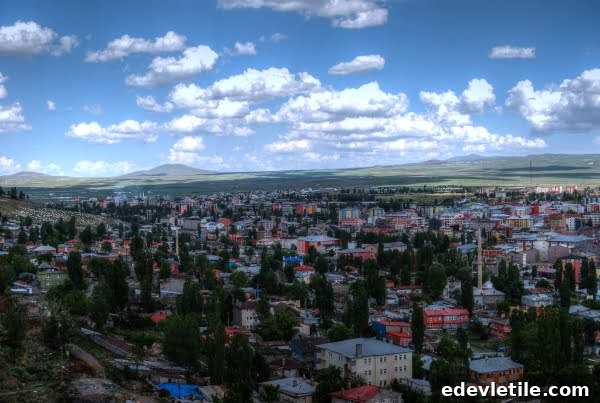
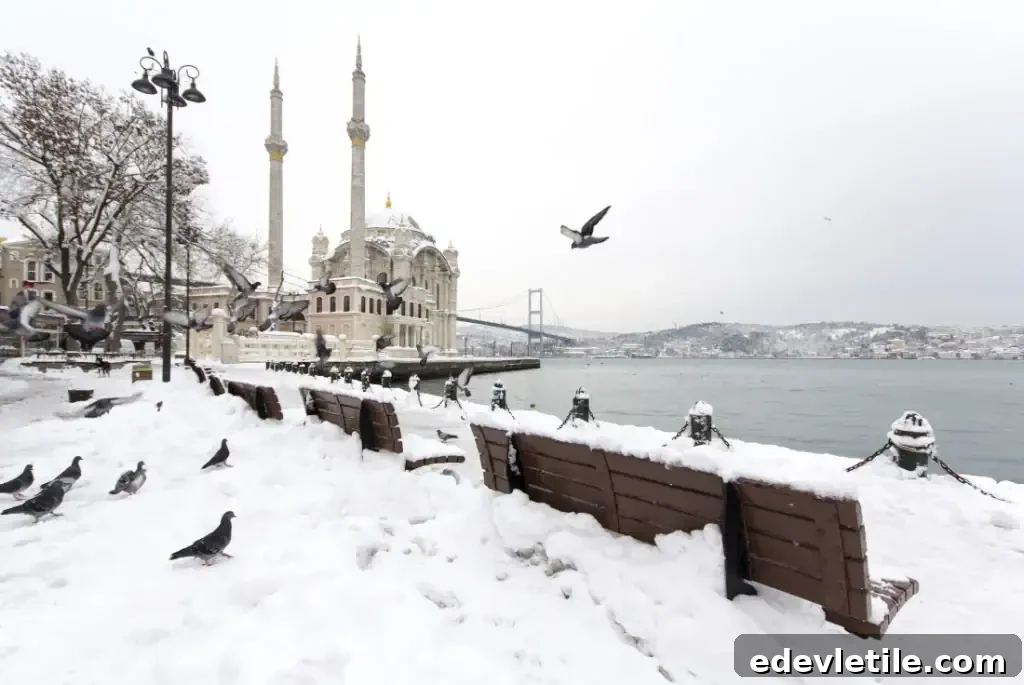
Istanbul offers museums, hammam experiences, and atmospheric streets with far fewer visitors. For skiing and winter sports, Uludağ (Bursa), Palandöken (Erzurum), and resorts near Kayseri and Erzurum are excellent. If you prefer milder winter weather, Antalya and the southern coast remain relatively pleasant and quieter.
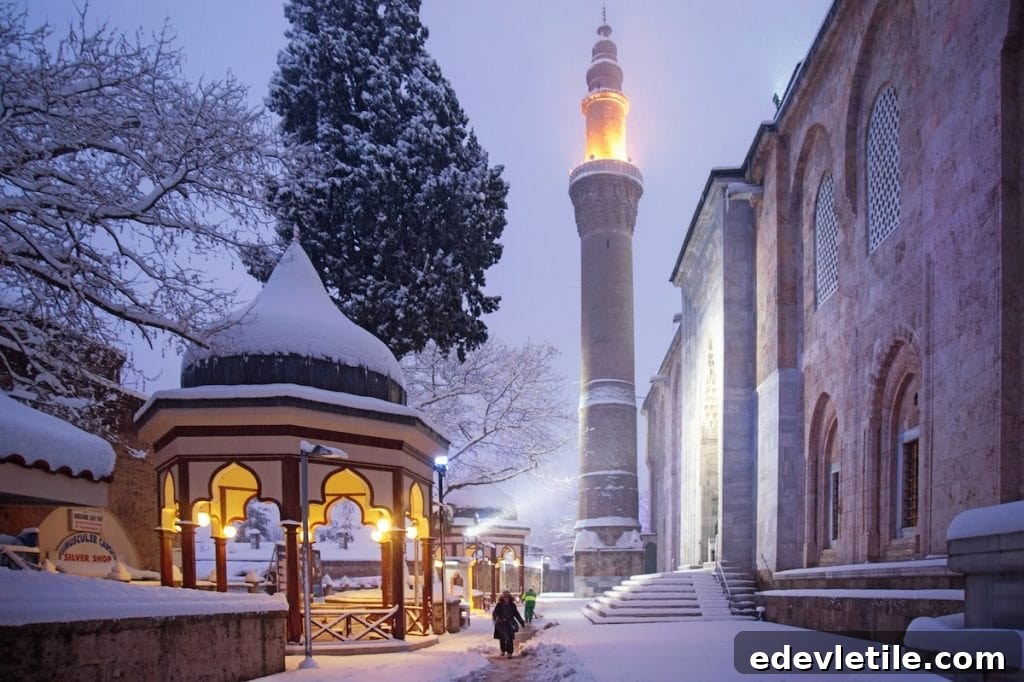

In short: choose spring or autumn for the most comfortable sightseeing with fewer crowds, summer for beaches and vibrant coastal life, and winter for skiing, thermal escapes, and lower travel costs. Wherever you go, Turkey offers rich history, dramatic landscapes, and warm hospitality in every season.